
Responsible Safari: Dos and Don'ts
Practical, field-tested guidelines for behaving responsibly on safari around wildlife, communities and the environment—so sightings stay calm, animals stay wild, and your trip supports conservation.
A safari works because wildlife is still wild and because people—guides, rangers, communities, and guests—agree to a set of unwritten rules. When those rules are respected, animals remain relaxed, sightings last longer, and parks and conservancies can keep doing the hard work of protecting habitat. When they are ignored, the cost is paid by stressed animals, degraded landscapes, and local people who see tourism as extractive rather than beneficial. Being a responsible safari-goer is not about being perfect; it is about making consistently good choices. This guide gives practical dos and don’ts in the places where travellers most often get it wrong: close-up wildlife viewing, photography pressure, cultural encounters, camp footprint, and the decisions you make before you even arrive—like which operator you book.
Key things to know
- Do treat your guide’s brief as a safety and ethics contract, not a suggestion
- Don’t ask to get closer if an animal is watching you, changing behaviour, or trying to move away
- Do keep noise and movement low; calm guests see more natural behaviour
- Don’t feed wildlife or throw food scraps—habituation creates conflict and can be dangerous
- Do ask permission before photographing people and respect a no without argument
- Don’t buy wildlife products or anything that looks like ivory, skins, shells or coral
- Do reduce your footprint in camp: water, power, plastics and waste all matter
- Do choose operators who pay conservation fees, employ locally and follow park rules even when no one is watching
Around wildlife: distance, patience and reading stress
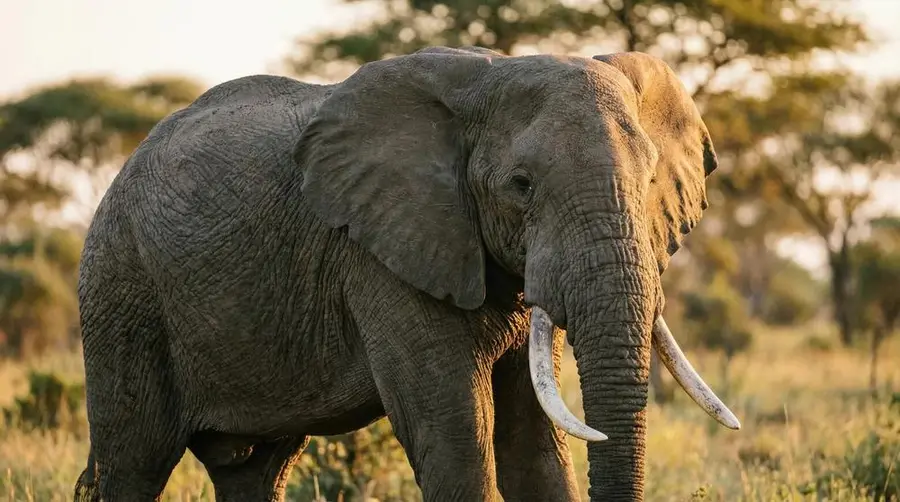
The golden rule is simple: let the animal set the terms. If it is feeding, resting, moving normally and not staring you down, you are probably at a respectful distance; if it keeps watching you, bunches up, stops feeding, changes direction, or tries to move through you, you are too close. Different species have different thresholds—elephants may tolerate vehicles but react strongly to being blocked, and breeding or protective animals can be more sensitive—so your guide’s judgement matters.
Responsible viewing is often slower, not closer. Give animals room to cross the road. Never surround a predator or block access to water. In thick bush, accept that you may only get brief views and do not pressure the driver to push in. A calm, ethical approach usually produces better photographs anyway because the animal stays relaxed and in good light for longer.
- DO stay quiet, keep arms inside the vehicle, and follow the guide’s instructions
- DO give animals an exit route and avoid blocking the road
- DON’T chase, herd, corner or try to provoke a reaction
- DON’T stand up, shout, clap or play sounds to attract predators
- DO back off if an animal shows stress: staring, head shakes, mock charges, tail flicking
Photography ethics: your shot is not worth a change in behaviour
Safari photography has a hidden impact: vehicles jockeying for position, repeated engine starts, and guests demanding a closer approach can turn a natural moment into a staged one. Make “behaviour first” your rule. If a predator stops hunting to look at vehicles, or a leopard cannot reach a tree because cars are in the way, the scene has already been harmed. Ask your guide to position the vehicle considerately—without cutting off other guests—and then work with what you have: long lenses, higher ISO, and patience.
Avoid tools that disrupt. Flash can startle animals at close range and is often discouraged, especially at night. Bright spotlights should be used by trained guides, not waved around by guests. Drones are illegal in many protected areas and can distress birds and mammals; if you are unsure, assume they are not allowed and check official rules. Keep your voice low during key moments like a kill, a hunt, or a river crossing: sound travels far in still air.
- DO use longer focal lengths rather than asking to drive closer
- DO keep engines and repositioning to a minimum
- DON’T use flash at close range; follow camp and park guidelines
- DON’T fly drones unless explicitly permitted by the authorities
- DO share sightings: leave space, rotate positions, and respect limits on vehicle numbers
With people and cultures: consent, dignity and fair exchange
Communities living near wildlife often carry real costs—crop loss, livestock predation, and restrictions on land use—so respect is not optional. Learn basic greetings, dress modestly in towns and villages, and approach cultural visits as conversations rather than photo sessions. When someone offers crafts or services, treat bargaining as part of local commerce but keep it friendly; paying a fair price often matters more than “winning”.
Photography of people requires consent. A smile and a simple gesture toward your camera works, but the answer may be no. Avoid giving sweets or cash to children, which can encourage begging and create inequality; if you want to help, ask your guide for reputable community projects, schools, or local suppliers you can support. Tip in a way that respects local norms, and remember that staff roles differ: in some camps the tracker, guide and camp team share tips separately.
- DO ask before photographing people and respect privacy
- DO support local businesses and community-run experiences when possible
- DON’T hand out sweets or money to children; support structured projects instead
- DON’T enter homes, schools or ceremonies without invitation and guidance
- DO listen more than you speak and avoid stereotyping communities
With the environment: small habits that add up
Safari camps operate in remote ecosystems where water, fuel and waste management are complex. Keep showers short, reuse towels if the camp offers it, and charge devices during designated solar or generator hours if applicable. Keep to established tracks and boardwalks: off-track shortcuts can damage fragile soils and crush seedlings, and repeated vehicle tracks can create erosion.
Plastics and litter are a direct threat. Secure anything light in the vehicle—wrappers, tissues, bottle tops—because wind makes them wildlife hazards. Do not collect feathers, bones, shells or plants as souvenirs; even if they look abandoned, they belong in the ecosystem and removing them is often prohibited. When you smoke, manage butts carefully and use designated areas; in dry months, fire risk can be serious.
- Carry a small rubbish bag for the vehicle and use it
- Refill a reusable bottle rather than buying many small plastics
- Stay on tracks and respect speed limits to reduce dust and stress
- Keep soaps and repellents away from water sources during boat activities
Choosing and supporting responsible operators: impact starts before you travel
The most responsible safari is often the one you book well. Ask how the operator supports conservation and local livelihoods: do they pay park and conservancy fees properly, employ and train local staff, and contribute to community land leases or projects? Look for clear policies on off-road driving, night driving, and animal welfare, and for a culture where guides are not rewarded for rule-breaking.
Finally, be an ally on the trip. If you feel a situation is getting too crowded or an animal looks stressed, you can politely tell your guide you are happy to back off. Praise good ethics when you see it—guides notice. And spend thoughtfully: locally owned crafts, community conservancies and fair tipping can help ensure that wildlife remains valuable alive and wild, which is the foundation of safari in the long term.
References & further reading
- Sinclair, A. R. E., et al. (Eds.) (2015). Serengeti IV. Chicago: University of Chicago Press.
- Estes, R. D. (2012). The Behavior Guide to African Mammals. Berkeley: University of California Press.
- Kingdon, J. (2015). The Kingdon Field Guide to African Mammals (2nd ed.). London: Bloomsbury.
- IUCN (2024). The IUCN Red List of Threatened Species, Version 2024-1. www.iucnredlist.org.
Do it with SafariLingo
Take SafariLingo on safari: 500+ species, real animal calls, offline maps and sighting logs — all in your language, wherever you roam.
Get the appFrequently asked questions
How close is too close to wildlife on safari?
A simple rule is behavioural: if the animal is watching you, changing direction, stopping feeding, bunching up, or trying to move away, you are too close. Different species and situations vary, so follow your guide and park rules. When in doubt, back off and give space—calm sightings last longer.
Is flash photography okay on safari?
It depends on distance, species, and local rules, but it can disturb animals, especially at night when eyes are adapted to darkness. Many camps discourage it during night drives or around sensitive species. Ask your guide and follow the camp’s policy; if unsure, avoid flash and use higher ISO or a faster lens.
Can I give sweets or gifts to children in villages?
It is generally discouraged because it can encourage begging and create dependency or inequality. If you want to contribute, ask about established community projects, schools, or local suppliers where support is structured and accountable. A respectful conversation and fair purchases from adults are often better than handouts.
What should I do if other vehicles crowd an animal?
You can choose to be part of the solution by hanging back, keeping quiet, and asking your driver to position considerately. If your vehicle is contributing to the pressure, a polite request to give the animal space is appropriate. In some areas, guides coordinate by radio; a calm approach often leads to better behaviour and photos.
How do I avoid supporting the wildlife trade with souvenirs?
Avoid anything that appears to be made from ivory, tortoiseshell, skins, feathers, shells or coral, and be cautious with “antique” claims. Laws differ by country and destination, and items may be illegal to transport. Choose locally made crafts from sustainable materials, and if unsure, don’t buy it.
Related guides
 Planning & Tips
 Birdwatching on Safari for Beginners
A beginner's guide to birdwatching on safari — why Africa's birds are so rewarding, how to start noticing and identifying them, the kit that helps, and how to read habitat, behaviour and season.
Planning & Tips Fly-In vs Road Safari
Fly-in or road safari? Compare cost, time, comfort and experience to choose the best way to travel between parks.
Planning & Tips How to Pack a Safari Daypack
How to pack the perfect safari daypack for game drives — the essentials to keep within reach, optics and camera care, dust protection, choosing the bag and what to leave in camp.