
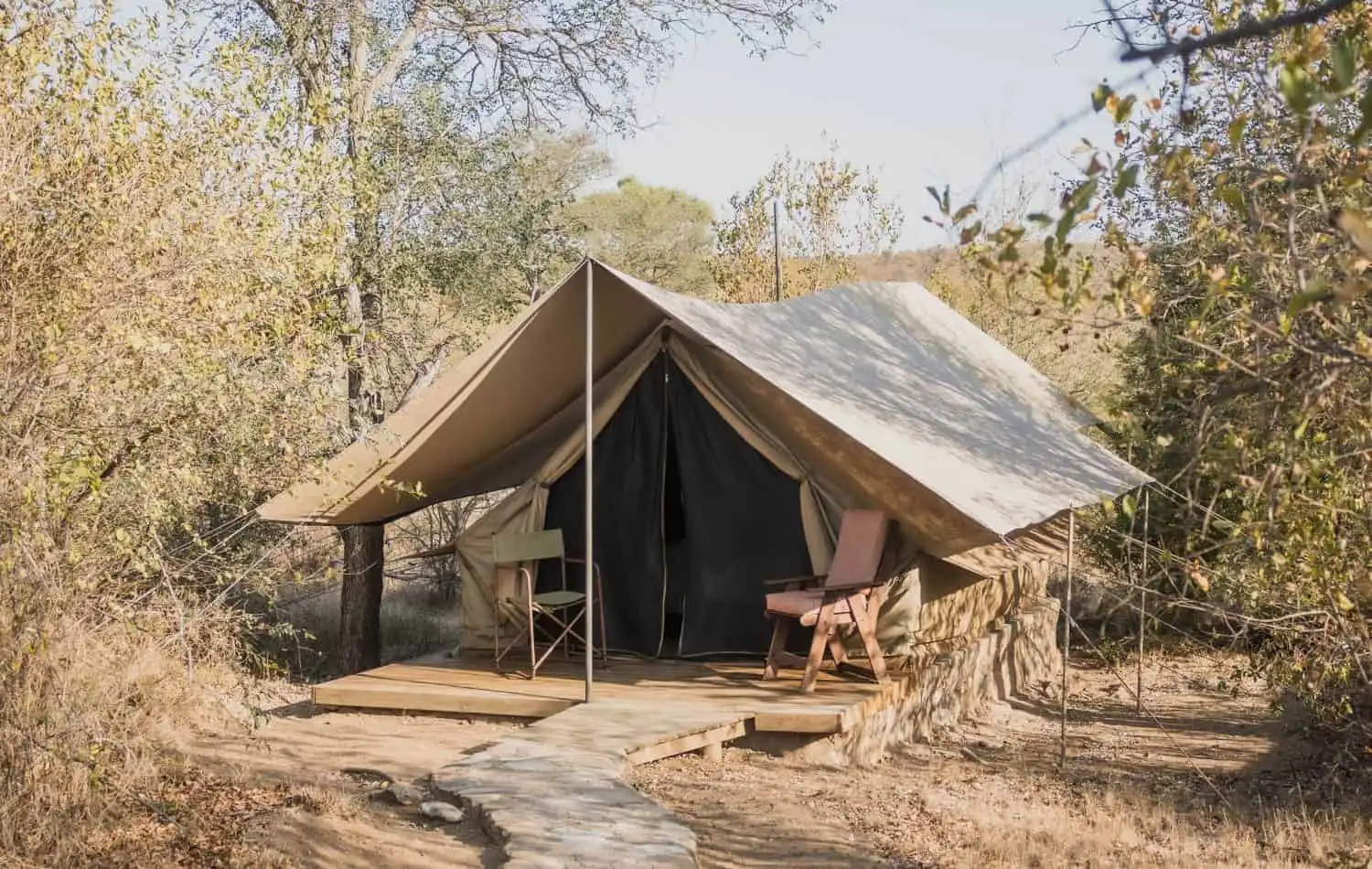
Types of Safari Accommodation
A clear guide to safari accommodation — lodges, tented camps, mobile and fly camps, and budget options — and how to choose the right style for your comfort, budget and sense of adventure.
Where you sleep on safari is not a detail; it shapes the entire feel of the trip. The same wildlife area can be experienced from a grand lodge with a pool and air conditioning, a classic canvas tented camp under the stars, a light mobile camp that follows the migration, or a simple public campsite you pitch yourself. Each tells a different story about comfort, cost and closeness to the wild. Many travellers fixate on the destination and leave accommodation as an afterthought, then find that the style of camp made or broke their experience. Understanding the main types — what they offer, what they cost and who they suit — is one of the most useful things you can do before booking. This guide walks through the main kinds of safari accommodation the way a guide would explain them, from the most comfortable to the most adventurous, so you can match where you sleep to the safari you want and the budget you have.
Key things to know
- Where you stay shapes the whole feel of a safari as much as the wildlife area.
- Lodges offer solid comfort, facilities and structure, often for families and first-timers.
- Tented camps blend canvas atmosphere with real comfort and closeness to the bush.
- Mobile and fly camps follow the wildlife and offer the most immersive experience.
- Budget options include public campsites and simple guesthouses near parks.
- Location inside or outside a reserve affects both price and game-viewing time.
- Match accommodation to your budget, comfort needs and appetite for adventure.
Why where you sleep matters
Accommodation on safari does far more than provide a bed. It sets the pace of your day, the sounds you fall asleep to, the level of comfort you return to after a dusty drive and, crucially, how close you feel to the wilderness around you. A lodge with solid walls and a pool offers one kind of trip; a tent whose canvas separates you from the calls of the night offers quite another.
Location matters as much as style. Camps set deep inside a reserve or on a private concession put you among the wildlife at dawn and dusk, the best viewing hours, while properties just outside a park may cost less but add a daily drive to reach the animals. When you weigh accommodation, think about both the physical comfort you want and where the property sits in relation to the game.
Lodges: comfort, facilities and structure
Lodges are the most solid and familiar form of safari accommodation: permanent buildings with proper rooms, often a swimming pool, restaurant, lounge and reliable power and hot water. They range from comfortable mid-range properties to genuinely opulent retreats, and their structure and facilities make them especially popular with families, first-time safari-goers and anyone who values a dependable base after long days in the field.
The trade-off is that a large lodge can feel less intimate and less connected to the wild than canvas under the stars. Bigger properties may host many guests and run larger vehicles, which suits some travellers and not others. If comfort, facilities and a sense of security matter most to you, a lodge is a sound choice; just check its size and location so the scale matches the experience you want.
- Permanent buildings with proper rooms and reliable power and hot water
- Often include a pool, restaurant, lounge and other facilities
- Range from comfortable mid-range to genuinely opulent
- Especially popular with families and first-time safari-goers
- Larger lodges can feel less intimate than small camps
Tented camps: canvas, atmosphere and immersion
The classic safari tented camp is, for many, the ideal balance. These are not flimsy backpacking tents but spacious canvas structures on raised decks, usually with real beds, en-suite bathrooms and proper service, yet only a layer of canvas between you and the sounds of the bush. Lying awake to distant lions or waking to birdsong just beyond the flap is an experience a solid-walled room simply cannot match.
Tented camps span a wide range, from comfortable to extremely luxurious, and are often smaller and more intimate than big lodges, with fewer guests and a stronger sense of place. Because they blend genuine comfort with closeness to nature, they suit travellers who want atmosphere without giving up a good bed. For many repeat safari-goers, a small tented camp is the sweet spot of the whole spectrum.
Mobile and fly camps: following the wild
At the adventurous end sit mobile and fly camps, designed to put you as deep into the wilderness as possible. Mobile camps move with the seasons and the wildlife — following the migration, for example — striking and re-pitching so you are always near the action, often in areas with few or no permanent camps. Fly camps are simpler, lighter set-ups used for a night or two away from the main camp, sometimes as part of a walking safari.
These options trade some comfort for immersion and exclusivity. You may have a smaller tent, a bucket shower and simpler facilities, but in return you get remoteness, quiet and a powerful sense of being part of the bush rather than visiting it. They suit adventurous travellers and those on a second or third safari who want something rawer and more memorable than a fixed lodge.
Budget options and choosing your style
Safari need not mean luxury prices. Public campsites inside or near many parks let you pitch your own tent or use basic bandas for a fraction of the cost, and simple guesthouses or rest camps near park gates offer budget beds with easy access. Overland and group camping trips bundle transport, guiding and camping into an affordable package, ideal for younger or budget-minded travellers happy to trade comfort for cost.
To choose your style, weigh three things: budget, comfort and how close to the wild you want to be. Be honest about the comfort you need to enjoy the trip, decide whether location inside a reserve justifies a higher price, and remember you can mix styles across an itinerary — a lodge for arrival, a tented camp for the core, a fly camp for one unforgettable night. The right accommodation is simply the one that fits your priorities.
- Public campsites let you camp cheaply inside or near many parks
- Simple guesthouses and rest camps offer budget beds near park gates
- Overland and group camping trips bundle transport, guiding and camping
- Weigh budget, comfort and closeness to the wild when choosing
- You can mix styles across a single itinerary
References & further reading
- Sinclair, A. R. E., et al. (Eds.) (2015). Serengeti IV. Chicago: University of Chicago Press.
- Estes, R. D. (2012). The Behavior Guide to African Mammals. Berkeley: University of California Press.
- Kingdon, J. (2015). The Kingdon Field Guide to African Mammals (2nd ed.). London: Bloomsbury.
- IUCN (2024). The IUCN Red List of Threatened Species, Version 2024-1. www.iucnredlist.org.
Do it with SafariLingo
Take SafariLingo on safari: 300+ species, real animal calls, offline maps and sighting logs — all in your language, wherever you roam.
Get the appFrequently asked questions
What is the difference between a lodge and a tented camp?
A lodge is a permanent building with solid walls, proper rooms and facilities like a pool and restaurant, while a tented camp uses spacious canvas tents, often with real beds and en-suite bathrooms, that keep you closer to the sounds of the bush. Lodges feel more secure and structured; tented camps feel more atmospheric and immersive.
Are safari tents safe and comfortable?
Yes. Quality tented camps have proper beds, en-suite bathrooms and attentive staff, and are designed with your safety in mind, with escorts at night where needed. They are far from rough camping; the canvas simply brings you closer to the sounds and atmosphere of the wilderness while keeping real comfort.
Can I do a safari on a tight budget?
Absolutely. Public campsites, simple guesthouses near park gates and organised overland or group camping trips make safaris much more affordable. You trade some comfort and privacy for cost, but you can still access the same parks and wildlife, especially if you are happy to camp and travel in a group.
Does it matter if the camp is inside or outside a reserve?
It can matter a lot. Camps inside a reserve or on a private concession put you among the wildlife during the prime dawn and dusk hours, while properties outside a park may be cheaper but add a daily drive to reach the animals, cutting into your best viewing time. Weigh the price saving against lost game-viewing.
Should I stay in one place or move around?
Both work, and mixing can be ideal. Staying in one camp is restful and lets you know an area deeply, while moving between camps or regions shows you more variety of landscape and wildlife. Many great itineraries combine two or three properties of different styles to balance depth, variety and pace.
Related guides
 Planning & Tips
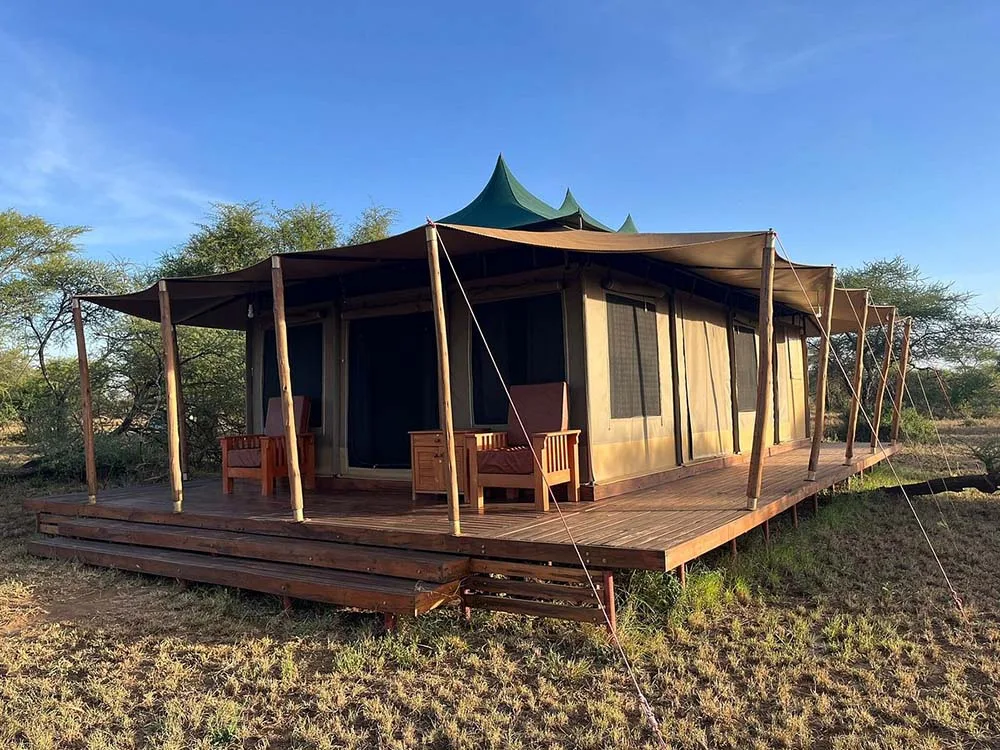
 How to Choose a Safari Lodge
How to choose a safari lodge: location within the ecosystem, guiding quality, size and intimacy, activities offered, conservation ethos, suitability for families or couples, and value.
 Planning & Tips
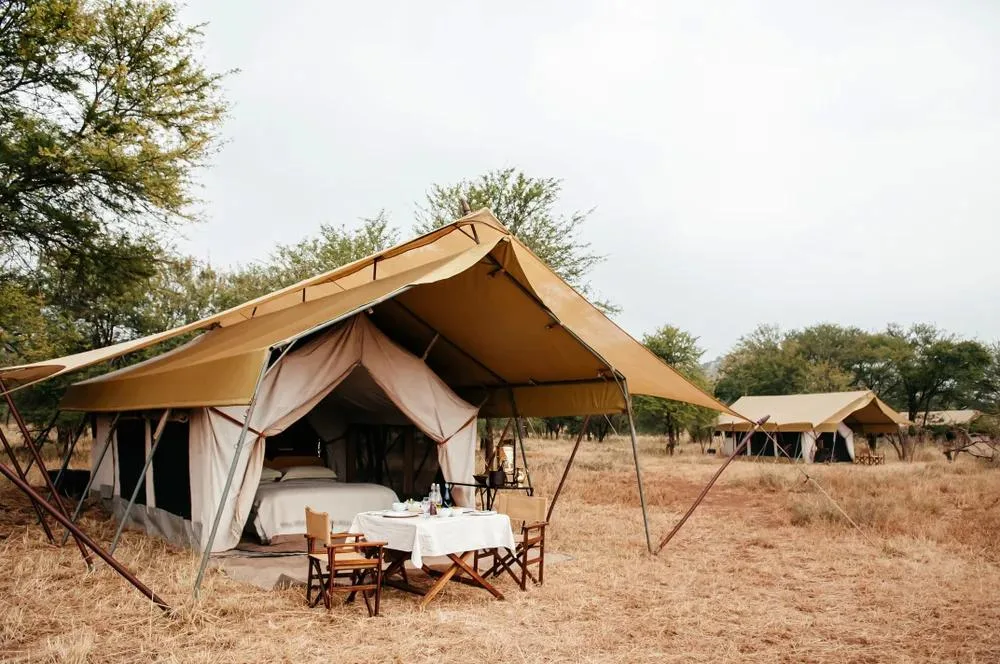
 What to Expect at a Safari Tented Camp
A practical guide to staying at a safari tented camp: what the canvas rooms are like, bathrooms and power, meals and routine, sounds at night, escorts and safety, and how comfort levels vary.
 Planning & Tips
 What to Look for in a Family-Friendly Safari Lodge
A practical guide to choosing a family-friendly safari lodge: minimum-age rules, family tents and interleading rooms, kids' programmes, private vehicles and guides, pools, flexible meals, safety and a sensible pace for children.