
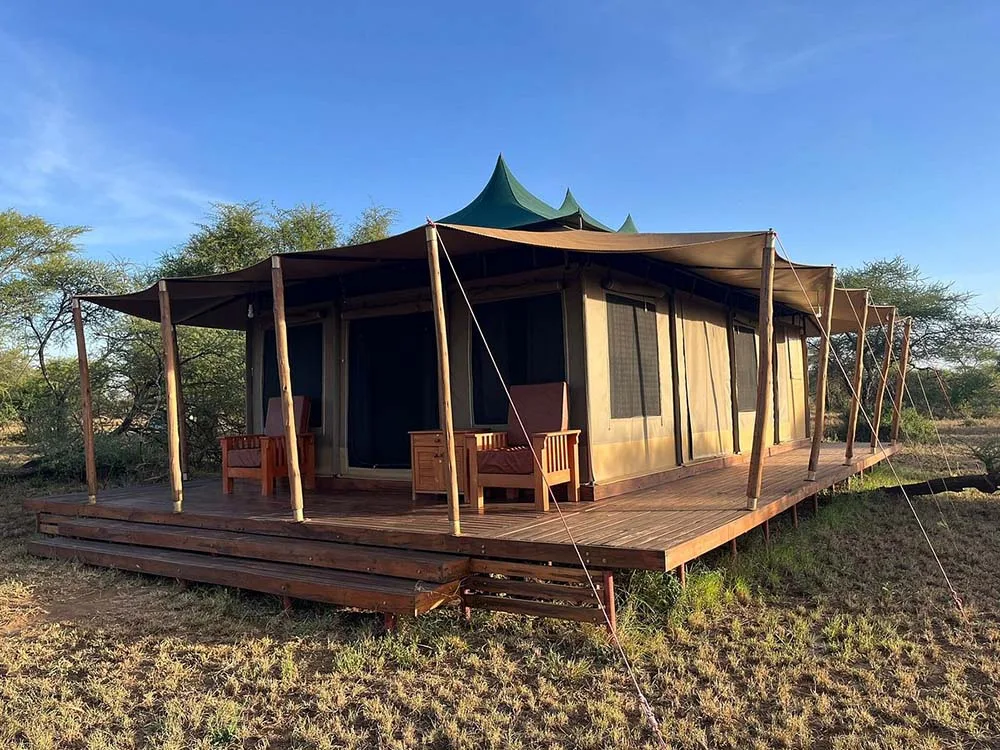
How to Choose a Safari Lodge
How to choose a safari lodge: location within the ecosystem, guiding quality, size and intimacy, activities offered, conservation ethos, suitability for families or couples, and value.
Where you sleep on safari shapes your whole experience far more than most first-timers expect. The lodge or camp is not just a bed; it determines which wildlife you see, how you see it, who guides you, and the rhythm of your days. Two camps in the same famous park can deliver completely different trips depending on their location, style and philosophy. The good news is that choosing well is not about finding the single best lodge; it is about matching a lodge to you. A honeymoon couple, a multi-generation family and a solo photographer want very different things, and the right choice flows from being honest about your priorities. Price matters, but so do location, guiding, size, activities and ethos, and the best value is the camp that delivers what you actually care about. This guide walks through the criteria that make the biggest difference, so you can read past the glossy photographs and choose a lodge that will genuinely suit your trip, your travelling companions and your budget.
Key things to know
- Where you stay shapes which wildlife you see and how you see it
- Location within the ecosystem often matters more than the park's name
- Guiding quality is one of the biggest factors in a great safari
- Smaller camps feel intimate and exclusive; larger lodges offer more facilities
- Check which activities are offered, such as night drives, walks and boating
- A genuine conservation ethos benefits wildlife and often the experience too
- Match the lodge to your group: honeymoon, family or serious photographer
- Best value is the camp that delivers what you actually care about
Location within the ecosystem
The single most important factor is usually not the country or even the park, but exactly where a lodge sits within the wider ecosystem. A camp positioned in a game-rich area, near water, in a private concession or close to seasonal wildlife movements will consistently deliver better sightings than one that simply shares a famous name but sits in a quieter corner. Ask what the immediate area is like, not just the region.
Consider too how much driving it takes to reach the best wildlife from camp. A lodge on the edge of a reserve may involve long transfers to the action, eating into your game-viewing time, whereas a well-placed camp lets you be among animals within minutes of leaving your tent. When comparing options, push past the brochure and ask specifically about the density and variety of wildlife right around the camp for your travel dates.
- Exact position matters more than the park's name
- Proximity to water and wildlife movements boosts sightings
- Private concessions often mean fewer vehicles and more access
- Consider driving time from camp to the best areas
- Ask about wildlife right around camp for your dates
Guiding quality
A superb guide can transform an ordinary game drive into the highlight of your life, while a poor one can leave you frustrated in the middle of extraordinary wildlife. Great guides read tracks and behaviour, anticipate the action, explain the ecosystem and know when to wait quietly and when to move. Their skill often makes a bigger difference to your experience than the lodge's decor or the size of your suite.
Guiding quality varies enormously, so it is worth investigating. Look for camps known for training and retaining excellent guides, and ask whether you will have a consistent guide throughout your stay and how many guests share each vehicle. Smaller guest-to-guide ratios generally mean more personal attention and flexibility. If wildlife is your priority, weight guiding heavily in your decision, sometimes above creature comforts.
Size, intimacy and atmosphere
Camps range from tiny, intimate properties with only a handful of tents to larger lodges with many rooms and extensive facilities. Small camps offer exclusivity, a personal feel, and often fewer vehicles competing at sightings, which suits travellers seeking quiet immersion. Larger lodges can offer more amenities, such as pools, spas, choice of dining and family facilities, and may feel more sociable and better value.
Neither is inherently better; it depends on what you want. A couple seeking romance and solitude may love a tiny bush camp, while a family with young children might prefer the space, flexibility and facilities of a larger property. Think honestly about the atmosphere you want in the evenings, how much you value privacy versus sociability, and how important amenities are to your idea of a good trip.
- Small camps offer intimacy, exclusivity and fewer vehicles
- Larger lodges provide more amenities and facilities
- Consider the guest-to-vehicle ratio at sightings
- Think about the evening atmosphere you prefer
- Balance privacy against sociability and amenities
Activities, conservation and suitability
Not all camps offer the same activities, and this can shape your trip profoundly. Beyond standard day game drives, ask whether the camp offers night drives, guided walks, boating or mokoro trips, cultural visits or hides, as these often depend on whether the camp is in a national park or a private reserve or conservancy. If a specific activity, such as a night drive or a walking safari, matters to you, confirm it is available before booking.
Consider too the camp's conservation and community ethos, which increasingly matters to travellers and genuinely benefits wildlife. Camps that fund anti-poaching, support local communities or operate in conservancies help expand and protect habitat, and often provide a richer, more meaningful experience. Finally, match all this to your group: check family suitability such as minimum ages and family units, or the romance and privacy a couple wants, so the camp fits the people actually travelling.
Value: matching lodge to budget and priorities
Value on safari is not the same as being cheap; it is getting what you most care about for the price you pay. A camp that is expensive but delivers superb guiding, a prime location and the activities you want can be far better value than a cheaper one that misses on the things that matter to you. Start by defining your non-negotiables, then judge each option against them rather than on price alone.
Remember that many safari rates are largely all-inclusive, covering meals, drinks, game activities and sometimes park fees, so a higher headline price may include more than a lower one. Clarify exactly what is and is not included, from transfers and park fees to drinks and laundry, before comparing. Choose the lodge that best delivers your priorities within your budget, and you will feel you got real value regardless of the nightly rate.
References & further reading
- Sinclair, A. R. E., et al. (Eds.) (2015). Serengeti IV. Chicago: University of Chicago Press.
- Estes, R. D. (2012). The Behavior Guide to African Mammals. Berkeley: University of California Press.
- Kingdon, J. (2015). The Kingdon Field Guide to African Mammals (2nd ed.). London: Bloomsbury.
- IUCN (2024). The IUCN Red List of Threatened Species, Version 2024-1. www.iucnredlist.org.
Do it with SafariLingo
Take SafariLingo on safari: 300+ species, real animal calls, offline maps and sighting logs — all in your language, wherever you roam.
Get the appFrequently asked questions
What is the most important factor in choosing a safari lodge?
Usually location within the ecosystem, meaning exactly where the camp sits relative to wildlife, water and seasonal movements, rather than just the park's name. A well-placed camp with excellent guiding consistently delivers better sightings than a famous name in a quieter spot.
Are smaller camps better than larger lodges?
Neither is inherently better; it depends on what you want. Small camps offer intimacy, exclusivity and fewer vehicles at sightings, while larger lodges provide more amenities, facilities and often better value. Match the size and atmosphere to your group and the kind of trip you want.
How much does guiding quality matter?
Enormously. A great guide reads tracks and behaviour, anticipates action and brings the ecosystem to life, often making more difference to your experience than the lodge's decor. If wildlife is your priority, weight guiding heavily and ask about guide consistency and guest-to-vehicle ratios.
How do I check which activities a lodge offers?
Ask directly, because activities like night drives, guided walks and boating often depend on whether the camp is in a national park or a private reserve or conservancy. If a specific activity matters to you, confirm it is available for your dates before booking rather than assuming.
What does good value mean on safari?
Value means getting what you most care about for the price, not simply paying the least. Define your non-negotiables, clarify exactly what each rate includes, from transfers and park fees to drinks, and choose the lodge that best delivers your priorities within your budget.
Related guides
 Planning & Tips
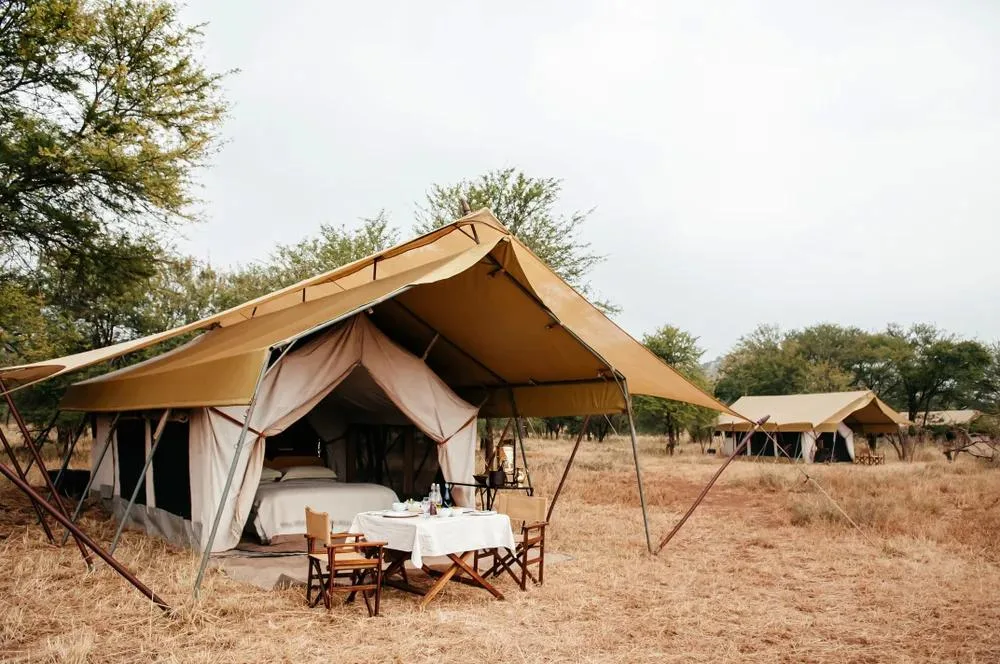
 What to Expect at a Safari Tented Camp
A practical guide to staying at a safari tented camp: what the canvas rooms are like, bathrooms and power, meals and routine, sounds at night, escorts and safety, and how comfort levels vary.
 Planning & Tips
 What to Look for in a Family-Friendly Safari Lodge
A practical guide to choosing a family-friendly safari lodge: minimum-age rules, family tents and interleading rooms, kids' programmes, private vehicles and guides, pools, flexible meals, safety and a sensible pace for children.
 Planning & Tips
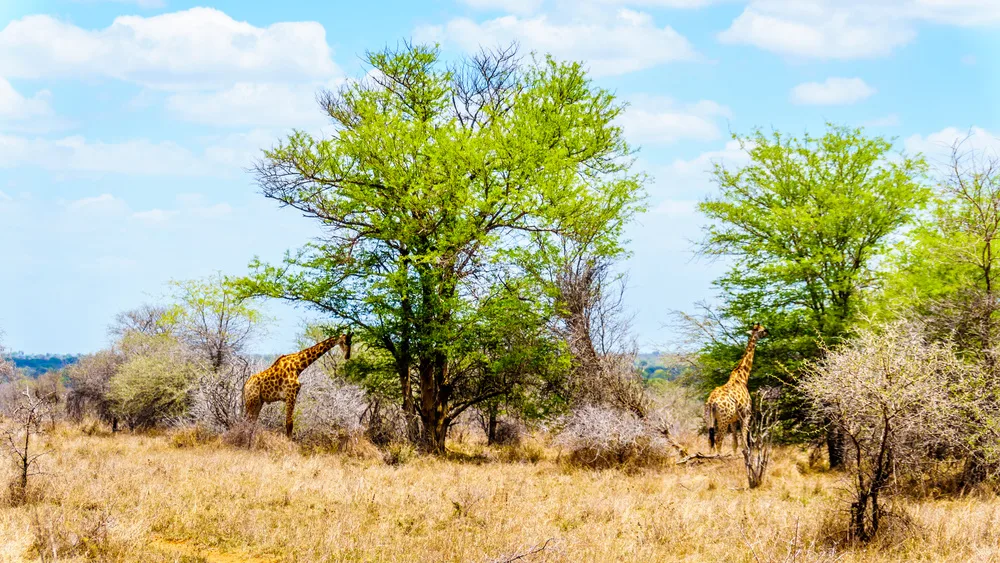
 Eco-Lodges and Sustainable Safari Stays
How to recognise genuinely sustainable safari lodges: solar power, water and waste management, local employment, community revenue and low-impact building, and how to spot greenwashing behind the marketing.