
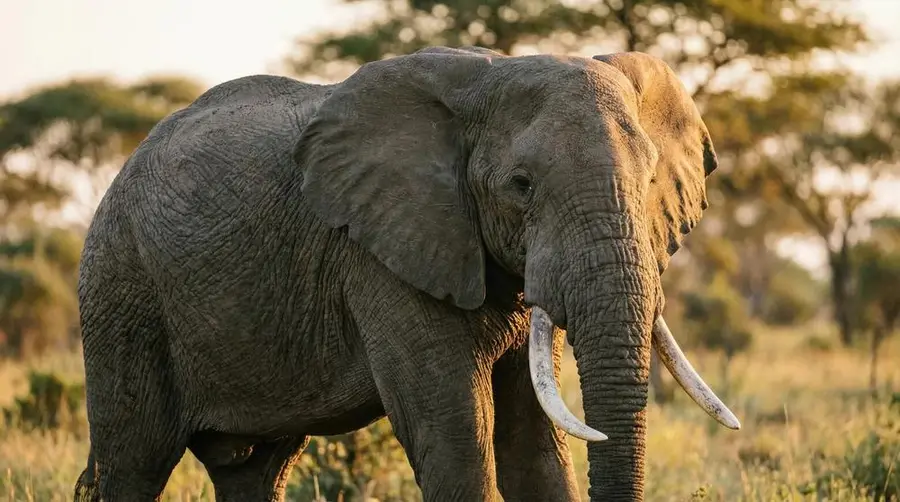
Photographic Safaris Explained
What a photographic safari offers: specialised vehicles, expert guiding and how it differs from a standard game drive.
Photographic safaris are built around getting the best possible images rather than simply ticking off species, and everything is arranged to serve the camera. Specialised vehicles with beanbags, charging points and clear sightlines, smaller groups and guides who understand light and behaviour combine to put you in the right place at the right moment. Whether you are a keen amateur or a seasoned professional, the difference in results — and enjoyment — is significant.
Key things to know
- Vehicles are set up with beanbags, charging points and room to work.
- Guides prioritise light, angle and patience over racking up species.
- Smaller groups mean more space, better positioning and fewer compromises.
- Flexible timing lets you stay with a sighting for the best behaviour and light.
- Ideal for keen amateurs and professionals who value image quality.
- The pace is slower and more deliberate than a standard game drive.
Safaris built around the image
A photographic safari is designed around getting the shot rather than simply seeing the animal. That means specialised vehicles with beanbags, camera mounts, charging points and space to work; smaller groups so everyone gets a clear angle; and guides who understand light, position and behaviour and will patiently hold a sighting for the perfect frame.
They suit keen photographers of every level, from those with a first proper camera to seasoned professionals. The difference from an ordinary game drive is priority: you go out earlier, stay later, and structure the whole day around the golden hours and the anticipation of behaviour.
- Vehicles set up with beanbags, mounts and charging
- Smaller groups so everyone gets a clean angle
- Guides who understand light, position and behaviour
- Days structured around the golden hours
Getting the most from a photographic trip
Know your gear before you go — fumbling with settings costs you the moment. A telephoto zoom covers most situations, a beanbag steadies it on the vehicle, and plenty of batteries and cards keep you shooting through long sessions. Learn to expose for the eye, keep a fast shutter ready for action and shoot at animal eye level for intimacy.
Beyond technique, the mindset matters: read behaviour, anticipate the next move, and be willing to wait. Respect the wildlife absolutely — a photograph is never worth stressing an animal — and remember to put the camera down occasionally and simply watch. The best photographic safaris balance the pursuit of the image with the joy of being there.
References & further reading
- Sinclair, A. R. E., et al. (Eds.) (2015). Serengeti IV. Chicago: University of Chicago Press.
- Estes, R. D. (2012). The Behavior Guide to African Mammals. Berkeley: University of California Press.
- Kingdon, J. (2015). The Kingdon Field Guide to African Mammals (2nd ed.). London: Bloomsbury.
- IUCN (2024). The IUCN Red List of Threatened Species, Version 2024-1. www.iucnredlist.org.
Do it with SafariLingo
Take SafariLingo on safari: 500+ species, real animal calls, offline maps and sighting logs — all in your language, wherever you roam.
Get the appFrequently asked questions
Do I need professional gear for a photographic safari?
No, but a camera with a decent zoom or a telephoto lens lets you make the most of the specialised guiding. Even enthusiasts with a bridge camera benefit from the positioning and pace. Bring what you have and lean on the guide's expertise for the rest.
How is a photographic safari different from a normal game drive?
The whole outing is organised around the image: smaller groups, camera-ready vehicles, flexible timing and guides who think about light and composition. You spend longer at sightings and position for the best angle rather than moving on quickly. The result is far stronger photographs.
Is a photographic safari worth it for a hobbyist?
If photography is a real priority for your trip, then yes — the positioning, pace and expertise dramatically improve your results and enjoyment. Casual snappers may find a standard drive sufficient. Consider how central great images are to your idea of the perfect safari.
Related guides
Planning & Tips Hot-Air Balloon Safaris
What to expect from a hot-air balloon safari: the dawn flight, the aerial views, the cost and whether it is worth the splurge.
 Planning & Tips
 Binoculars vs Camera Zoom on Safari
Binoculars or a camera zoom on safari? Why you need both, what each does best, how to choose binoculars in 8x42 or 10x42, and how to use your optics well in the field.
 Planning & Tips
 Dry Season vs Green Season Safari
A practical, guide-level comparison of dry season and green season safaris, covering wildlife visibility, scenery, birding, prices, crowds, photography and regional timing.