
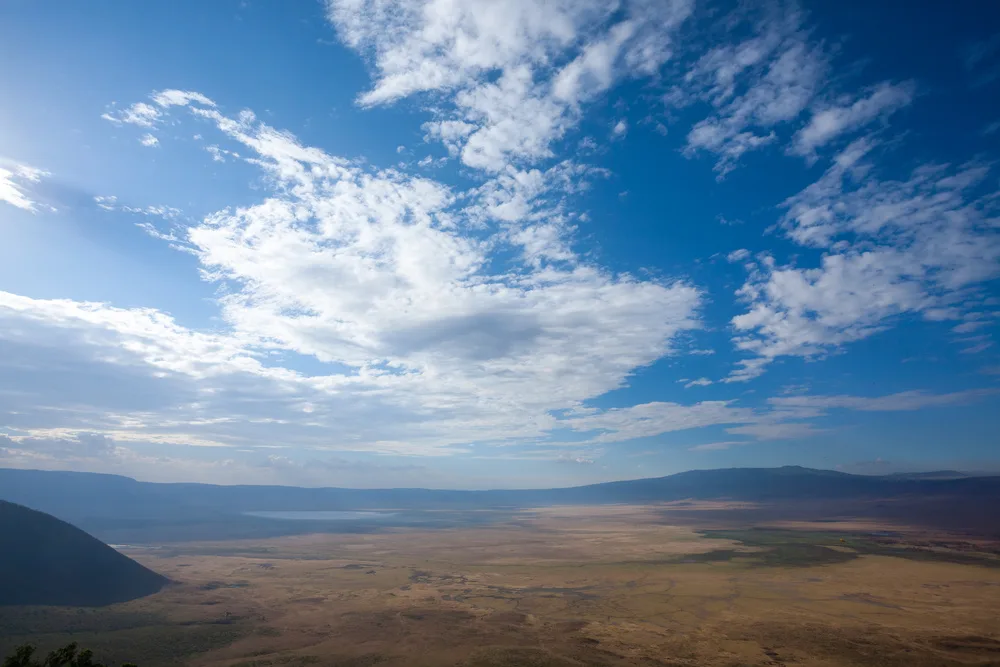
Kruger National Park: A First-Timer's Guide
Everything a beginner needs for a first Kruger safari — self-drive versus private reserves like Sabi Sand, rest camps, the Big Five, malaria, the best months to visit and how to plan on any budget.
For a first safari, few places make it as easy as the Kruger. One of Africa's oldest and largest reserves, it sprawls across the northeast of South Africa in a wilderness roughly the size of a small country, yet it is threaded with good roads, dotted with comfortable camps and reachable by an easy flight or a scenic drive from Johannesburg. You can arrive with no experience at all and, within a day, be watching elephants cross the road in front of your own hire car. That combination of true wildness and genuine accessibility is Kruger's magic. It is one of the few great parks where you can self-drive at your own pace and on your own budget, or hand the whole thing over to a luxury lodge in a private reserve on its western flank. Both deliver the Big Five; they simply do it in very different styles and at very different prices. This guide lays out the choices a first-timer actually has to make — how to get around, where to sleep, when to come and what to know about malaria — so you can build a trip that fits your wallet and your appetite for adventure.
Key things to know
- Kruger is beginner-friendly: good roads, well-run camps, and the option to self-drive make it one of Africa's easiest first safaris.
- The core choice is self-drive in the national park versus a guided stay in a private reserve such as Sabi Sand.
- Private reserves allow off-road driving and night drives, giving the park's best leopard sightings — at a much higher price.
- SANParks rest camps range from large hubs like Skukuza to tiny bushveld camps, mostly self-catering and great value.
- All of the Big Five occur in Kruger, alongside cheetah, wild dog, hundreds of birds and rich plains game.
- The dry winter months (roughly May to September) are prime for game viewing; the green summer is lush, birdy and cheaper.
- Kruger is a seasonal, generally lower-risk malaria area — take precautions and get medical advice before you travel.
- You can do Kruger on a tight self-drive budget or in five-star luxury; decide the style before you book.
Why Kruger for a first safari
Kruger works for beginners because it removes almost every barrier. The park has a dense network of tarred and gravel roads, clear signage, fuel stations, shops and restaurants, so you never feel far from help. Wildlife densities are high and varied, from the headline predators to elephant, giraffe, zebra and a supporting cast of hundreds of bird species, and much of it can be seen from a normal car.
Just as importantly, Kruger offers a spectrum of ways to experience it. Independent travellers can rent a car, book a camp and explore entirely on their own for a fraction of the cost of a guided safari elsewhere. Those who want expertise and comfort can join guided drives from a rest camp or splurge on a private lodge. Few destinations let a first-timer dial the experience so precisely to their confidence and budget.
- Extensive road network with fuel, shops and clear signs
- High, varied wildlife densities including the Big Five
- Self-drive or fully guided — you choose the style
- Easy access by air or a scenic drive from Johannesburg
- Options at every price point, from camping to five-star
Self-drive versus private reserves
The national park itself is set up for self-drive. You travel in your own vehicle on public roads, stopping where you like, and the freedom and low cost are a big part of the appeal. The trade-offs are that you must stay on the roads, cannot drive off-road to a sighting, and rely on your own eyes — though the shared etiquette of stopped cars often points you to the good animals.
The private reserves on Kruger's unfenced western boundary, above all Sabi Sand, offer a completely different experience. Here you go out with a professional guide and tracker in an open vehicle, drive off-road right up to animals, and head out after dark on night drives that reveal leopards, hyenas and other nocturnal life. Sabi Sand in particular is famous worldwide for relaxed, close leopard sightings. The cost is far higher, but so is the intensity and the guiding.
- Self-drive: cheap, flexible, on-road only, do-it-yourself spotting
- Private reserve: guided, off-road, night drives, higher price
- Sabi Sand is renowned for exceptional leopard viewing
- Private vehicles are open-sided with a guide and often a tracker
- Many visitors combine a few self-drive days with a lodge splurge
Where to stay: camps and lodges
Inside the national park, SANParks runs a chain of rest camps. The large ones — Skukuza, the park headquarters, plus Lower Sabie, Satara, Olifants and Letaba — have shops, restaurants, pools, fuel and a range of accommodation from campsites to family cottages. Smaller bushveld and satellite camps are quieter and more remote. Most options are self-catering, so many visitors cook their own meals at a braai, keeping costs low.
In the private reserves, you stay at lodges that range from comfortable to extraordinarily luxurious, with rates typically all-inclusive of meals, drives and drinks. Choosing between them is really about matching the setting to your budget: a self-catering rondavel in a rest camp is a world away from a suite with a private plunge pool overlooking a waterhole, yet both put you in outstanding wildlife country.
- Large rest camps: Skukuza, Lower Sabie, Satara, Olifants, Letaba
- Bushveld and satellite camps: smaller, quieter, more remote
- Most camps are self-catering with shops and communal braais
- Private lodges are usually all-inclusive of meals and drives
- Book popular camps and lodges months ahead in peak season
The Big Five and beyond
Kruger holds all of the Big Five — lion, leopard, elephant, buffalo and rhino — though rhino sightings have become harder and more sensitive because of poaching, and guides may be discreet about locations. Beyond the famous five you have a strong chance of cheetah on the eastern grasslands, the endangered African wild dog, and an abundance of plains game: impala everywhere, giraffe, zebra, wildebeest, kudu, hippo and crocodile at the rivers.
Different areas favour different species. The central grasslands around Satara are classic lion and cheetah country, the south is generally the busiest and most productive for the Big Five, and the far north around Punda Maria and Pafuri is quieter, wilder and superb for birds and big elephant. With well over 500 bird species recorded, Kruger is a first-rate birding destination even for travellers who came only for the cats.
- Lion and cheetah are classic on the central Satara grasslands
- The busy south is generally the most reliable for the Big Five
- The remote north excels for birds and large elephant bulls
- Cheetah and endangered wild dog are realistic bonus sightings
- Over 500 bird species make Kruger excellent for birders too
When to go
The dry winter, roughly May to September, is the classic game-viewing season. The bush thins out, grass is short and golden, and animals concentrate around the remaining water, so wildlife is easier to spot and days are mild and sunny. Nights and early morning drives can be genuinely cold, so pack warm layers even though you are in Africa.
The green or emerald season, from about November to March, transforms the park. Summer rains turn the bush lush, migratory birds arrive, and impala and other antelope drop their young, drawing predators — it is a beautiful, dramatic time and rates are often lower. The trade-offs are thicker vegetation that hides animals, hot and humid days, afternoon thunderstorms and a somewhat higher malaria risk. Many first-timers pick the dry season for the easier viewing; keen photographers and birders often prefer the green.
- Dry winter (about May to September): best all-round game viewing
- Green summer (about November to March): lush, birdy, cheaper, dramatic
- Winter mornings are cold — bring warm layers for open drives
- Summer brings migrants, newborn antelope and active predators
- Peak dry-season dates and school holidays book out early
Practicalities: malaria, roads and budget
Kruger lies in a seasonal, generally lower-risk malaria zone, with risk highest in the wet summer months and lower in the dry winter. Take mosquito precautions — repellent, covered clothing at dusk and dawn — and consult a travel clinic or doctor about antimalarial tablets well before you go; do not rely on general advice for a medical decision. On the roads, obey the speed limits, never get out of your vehicle except at designated spots, and plan to be back inside your camp before the gates close, as the times change month to month.
Getting there is straightforward: you can fly into Skukuza inside the park, or into nearby Nelspruit or Hoedspruit, or drive roughly five hours from Johannesburg. Budgets stretch a long way here. A self-drive trip staying in rest camps and self-catering is one of the most affordable safaris in Africa, while a private-reserve lodge is a serious splurge — many travellers get the best of both by combining a few self-drive days with a night or two at a lodge.
- Seasonal, generally lower-risk malaria area — consult a clinic on prophylaxis
- Use repellent and cover up at dawn and dusk regardless
- Obey speed limits and gate-closing times; stay in your vehicle
- Fly to Skukuza, Nelspruit or Hoedspruit, or drive from Johannesburg
- Self-drive plus self-catering is budget-friendly; lodges are premium
References & further reading
- Sinclair, A. R. E., et al. (Eds.) (2015). Serengeti IV. Chicago: University of Chicago Press.
- Estes, R. D. (2012). The Behavior Guide to African Mammals. Berkeley: University of California Press.
- Kingdon, J. (2015). The Kingdon Field Guide to African Mammals (2nd ed.). London: Bloomsbury.
- IUCN (2024). The IUCN Red List of Threatened Species, Version 2024-1. www.iucnredlist.org.
Do it with SafariLingo
Take SafariLingo on safari: 300+ species, real animal calls, offline maps and sighting logs — all in your language, wherever you roam.
Get the appFrequently asked questions
Is Kruger safe and easy to self-drive for beginners?
Yes. Kruger is designed for self-drive, with sealed roads, clear signs, fuel and camps throughout. The main rules are simple: keep to the speed limits, stay in your vehicle except at designated spots, and be inside a camp before the gates close. Many first-time safari-goers do it independently with no trouble.
What is the difference between Kruger and Sabi Sand?
Sabi Sand is a private reserve on Kruger's unfenced western edge, sharing the same wildlife. In Kruger proper you mostly self-drive on public roads; in Sabi Sand you go on guided drives that can go off-road and out at night, which is why it offers the park's best leopard sightings — at a much higher cost.
When is the best time to visit Kruger?
For the easiest game viewing, come in the dry winter, roughly May to September, when thin bush and scarce water concentrate animals. The green summer, about November to March, is lusher, better for birds and cheaper, but the thicker vegetation makes spotting harder. Choose by your priorities.
Do I need to worry about malaria in Kruger?
Kruger is a seasonal, generally lower-risk malaria area, with higher risk in the wet summer. Take mosquito precautions and speak to a travel clinic or doctor about antimalarial medication before you travel. Treat this as a medical decision and follow professional advice rather than general guidance.
Can I see the Big Five in Kruger?
All five — lion, leopard, elephant, buffalo and rhino — live in Kruger, and a well-planned few days gives you a good chance at most of them. Rhino are increasingly hard to find because of poaching, and guides are often discreet about their location for the animals' protection.
Related guides
 Destinations
 Namibia Desert Safari Explained
Why Namibia is one of Africa's most distinctive safaris — Etosha, the Sossusvlei dunes, desert-adapted wildlife, the Skeleton Coast, self-drive travel, seasons and how to combine it with Botswana.
 Destinations
 Zimbabwe Safari Highlights
A guide to the best of a Zimbabwe safari — Hwange's great elephant herds, walking and canoeing in Mana Pools, the thunder of Victoria Falls, and why its superb guides and honest value make it a connoisseur's choice.
 Destinations
 Zambia: The Home of Walking Safaris
Why Zambia — and especially the South Luangwa — invented the modern walking safari, and what a week on foot with a Zambian guide really looks like.