
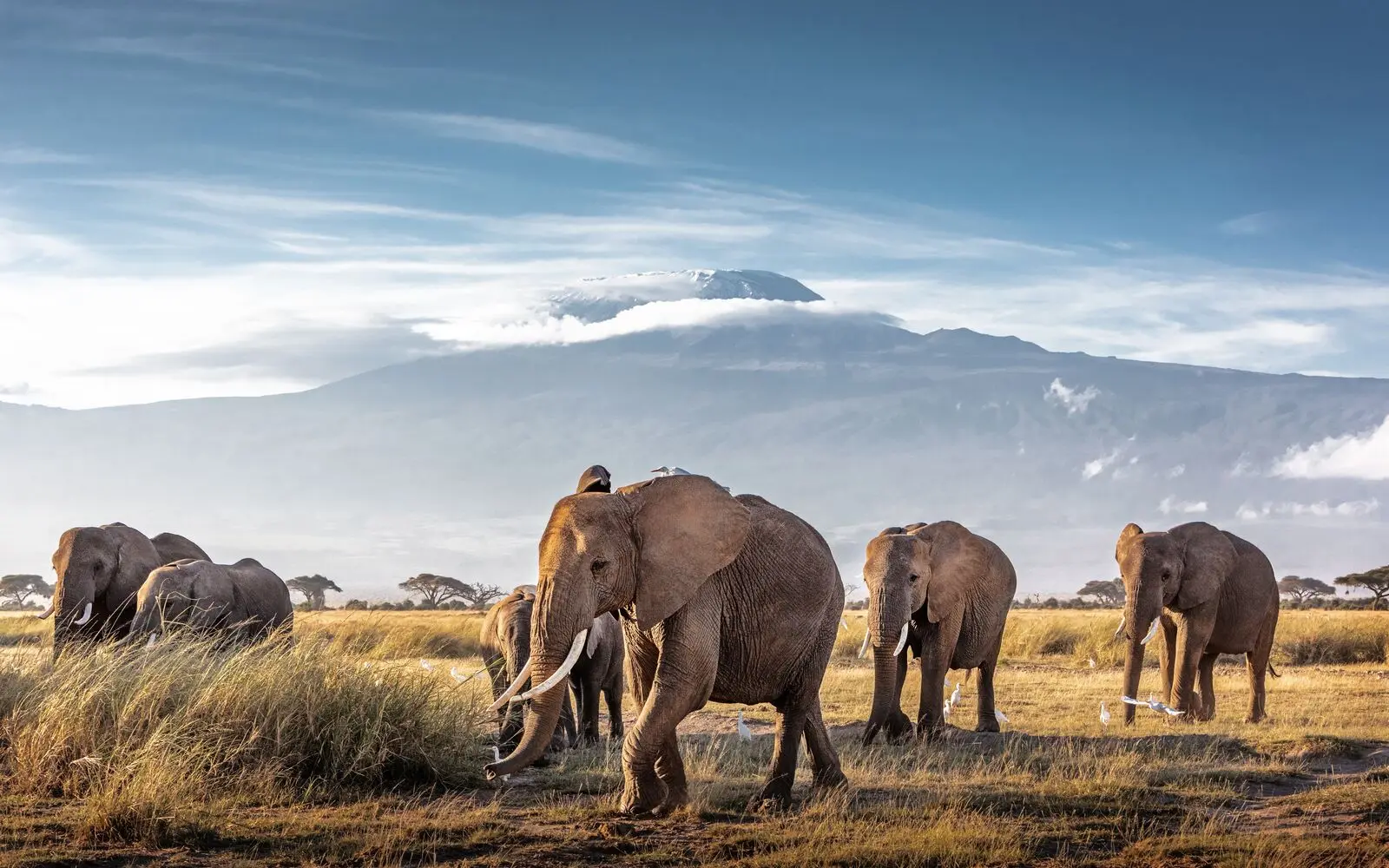
Zambia: The Home of Walking Safaris
Why Zambia — and especially the South Luangwa — invented the modern walking safari, and what a week on foot with a Zambian guide really looks like.
Norman Carr, working in the Luangwa in the 1960s, decided that photographs of animals were not the only currency of safari. He walked guests into the bush at dawn, followed elephant trails to the river, and returned with stories rather than snapshots. That decision, in a valley very few outsiders had seen, is why Zambia is now considered the spiritual home of the walking safari. Nowhere else has the tradition, the guiding standards, or the infrastructure of small bushcamps built around foot travel. This is a country to visit on your second or third safari, when you already understand what a vehicle-based drive delivers and you want something quieter, closer to the ground, and demanding. A week of walking in the South Luangwa or North Luangwa is one of the most transformative experiences African travel offers.
Key things to know
- Zambia is the birthplace of the modern walking safari
- South Luangwa has the highest concentration of expert walking guides
- North Luangwa is remote, wild and small-group
- Kafue offers Busanga Plains and rewilding rangers
- Lower Zambezi combines walking with river safaris
- Best months are June–October, dry and open
- Small camps (6–12 beds) are the norm
- Walking is only permitted with a licensed guide plus armed scout
Why the Luangwa
The Luangwa Valley is a rift-valley floodplain crawling with elephant, buffalo, hippo, leopard and 400 bird species. Because the river changes course every year, the landscape is a mosaic of oxbow lagoons, mopane forest, ebony groves and open plains. This variety is what makes walking so rewarding — you move between ecosystems every hour, tracking as you go.
The South Luangwa also happens to have Zambia's strictest guiding qualification: a full walking licence requires years of apprenticeship, a written and practical exam, and armed-scout certification. You are walking with among the best-trained guides on the continent.
- South Luangwa National Park
- North Luangwa National Park
- Kafue National Park (Busanga Plains)
- Lower Zambezi National Park
What a walking day looks like
You leave camp at first light — 05:30 in the dry season — after coffee and rusks. The scout walks in front with a rifle, the guide behind him, then guests in single file, then the second scout at the rear. You walk 6–15 km depending on the terrain and interest, tracking whatever the guide finds fascinating that day: a leopard's night route, a herd of buffalo drinking, a martial eagle plucking prey.
A typical morning ends with tea and biscuits under a tree, then a slow walk back or vehicle pickup. Afternoons include a rest, high tea, and a boat, drive or shorter walk before dark. Camps are usually small — six to twelve beds — and dinner is communal, with the guides recounting the day.
Fitness, safety and season
You need to be reasonably fit but not athletic. Distances are manageable and the pace is very slow — you stop constantly to look at tracks, dung, bones, insects. The armed scout is a legal requirement; you will not walk without one in the parks. Encounters with big animals are frequent but nearly always defused by good bushcraft — reading wind, keeping distance and quiet retreat.
Season is critical. Walking is only offered June–October in most camps, when trails are dry, grass short and animals concentrate around the river. The green season (December–March) closes many camps due to flooding. May and November are shoulder — hot, less crowded, some camps open.
- Sturdy walking shoes, broken in
- Neutral colours, no perfume
- Wide-brimmed hat, sunscreen, water
- Binoculars essential
- Small camera and one lens
Best regions to combine
South Luangwa (Mfuwe area or the remote Nsefu sector) is the obvious first choice — dozens of small camps, all specialising in walking. North Luangwa is wilder and better for people who have already walked before; access is by charter flight only. Kafue's Busanga Plains offers walking on open floodplain in June–October and a completely different feel. Lower Zambezi lets you walk in the morning and canoe or fish in the afternoon.
A classic 10-day itinerary is three camps in South Luangwa, moving from a river camp to a bush camp to a remote hide camp, walking further each stay. Add a two-night stop in Lower Zambezi for boats and canoes at the end and you have Zambia's finest week on foot.
Choosing a camp
Zambia's bushcamp tradition is intimate and rustic. Camps run by legacy operators like Robin Pope, Norman Carr Safaris, Remote Africa Safaris and Shenton Safaris have decades of walking experience and internal apprenticeship programmes. Look for camps with 6–12 beds, a stated commitment to walking, and named guides you can research.
Avoid combining South Luangwa with more than one other country in a two-week trip — Zambia rewards depth, not miles. Better to do two Zambian regions than to combine with Botswana in the same fortnight.
References & further reading
- Sinclair, A. R. E., et al. (Eds.) (2015). Serengeti IV. Chicago: University of Chicago Press.
- Estes, R. D. (2012). The Behavior Guide to African Mammals. Berkeley: University of California Press.
- Kingdon, J. (2015). The Kingdon Field Guide to African Mammals (2nd ed.). London: Bloomsbury.
- IUCN (2024). The IUCN Red List of Threatened Species, Version 2024-1. www.iucnredlist.org.
Do it with SafariLingo
Take SafariLingo on safari: 300+ species, real animal calls, offline maps and sighting logs — all in your language, wherever you roam.
Get the appFrequently asked questions
Is walking safari safe?
With a licensed guide and armed scout it is very safe. Encounters happen and are managed by protocol — freeze, retreat quietly. Aggressive charges are rare.
How much walking each day?
Typically 6–15 km, slow pace, with frequent stops. Distances shorter in hot weather; some walks are just three hours.
Can beginners do a walking safari?
Yes, if you are reasonably fit. Zambia's guides are patient with new walkers; start with a river camp and shorter walks, then move deeper.
What about photography?
Walking photography is different — closer, more atmospheric, less telephoto. Bring one lens (24–120 or similar) rather than a 600 mm.
When is the best time?
June to October. Late dry season (September–October) is best for game but hottest. June–July is cooler but greener.
Related guides
 Destinations
 Gorilla Trekking: Rwanda vs Uganda
How to choose between Rwanda's Volcanoes National Park and Uganda's Bwindi Impenetrable Forest — cost, difficulty, logistics, photography and combining with the rest of a safari.
 Destinations
 Best Safari Destinations for First-Timers
Where to go on your first safari: the parks and reserves that deliver reliable sightings, easy logistics, good value and iconic scenery — from the Masai Mara and Serengeti to Kruger and Etosha — matched to your priorities.
 Destinations
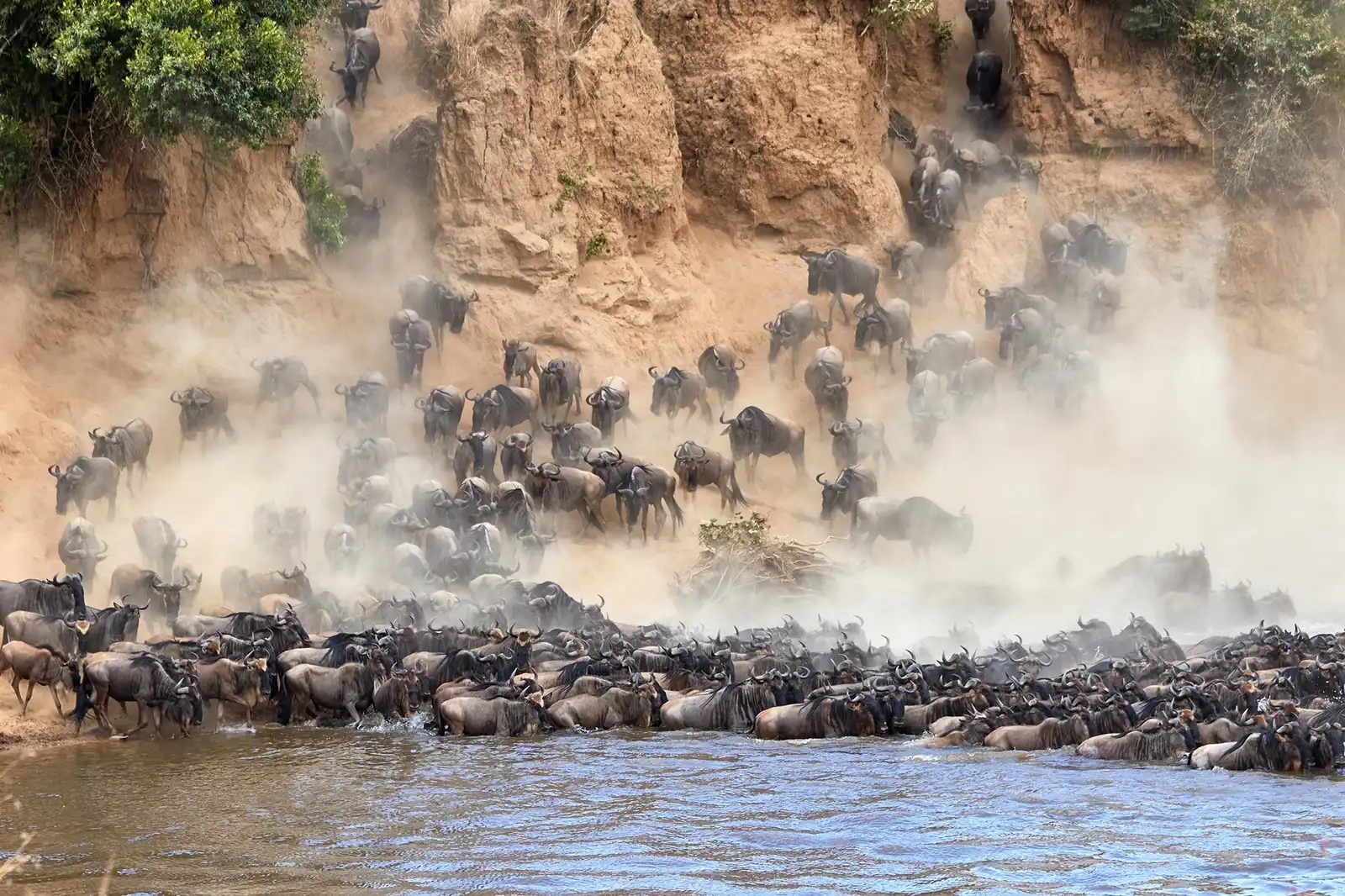
 The Best Destinations for the Great Migration
Where to see the wildebeest migration by month — Serengeti calving grounds, the Grumeti, the Mara River crossings and Kenya's Masai Mara — plus how to pick the right camp for river crossings versus calving.