
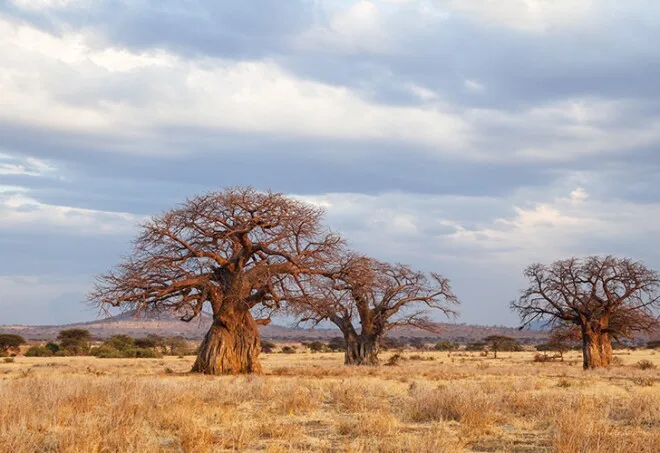
Best Safari Destinations for First-Timers
Where to go on your first safari: the parks and reserves that deliver reliable sightings, easy logistics, good value and iconic scenery — from the Masai Mara and Serengeti to Kruger and Etosha — matched to your priorities.
Choosing your first safari destination can feel paralysing. Africa offers dozens of countries and hundreds of parks, each with passionate advocates, and it is easy to fear making an expensive mistake. The good news is that for a first trip a handful of destinations stand out precisely because they make the whole experience easy: wildlife is abundant and used to vehicles, infrastructure is well developed, guiding is professional, and the sightings live up to the postcards. The best first safari is not necessarily the most remote or exclusive one. It is the one that reliably delivers what you have travelled so far to see — big cats, elephants, dramatic landscapes, that first heart-stopping moment when a lion walks past your vehicle — without demanding that you already be an expert. A destination that is a thrill for a seasoned traveller can be an anticlimax for a beginner who arrives at the wrong season or picks a park where animals are thin and hard to find. This guide walks through the destinations that consistently reward first-timers, what each does best, and how to match a choice to your own priorities — whether that is sheer density of animals, freedom from malaria, ease of travel with children, or value for money. Get the destination right and your first safari will not be your last.
Key things to know
- For a first safari, prioritise reliable sightings and easy logistics over remoteness or exclusivity.
- Kenya's Masai Mara and Tanzania's Serengeti offer arguably the highest density of big cats and classic plains scenery.
- South Africa's Kruger and its private reserves are superb for value, self-drive options and Big Five sightings.
- Etosha in Namibia is malaria-free, easy to self-drive and brilliant for waterhole game viewing in the dry season.
- Malaria-free reserves in South Africa (Madikwe, Pilanesberg) suit families and nervous first-timers.
- Season matters as much as place — the dry season concentrates animals and makes them easier to see.
- Match the destination to your top priority: density, budget, family-friendliness or freedom to self-drive.
- You do not need the most expensive camp; a well-chosen mid-range option in a good area delivers the magic.
What makes a destination good for beginners
A great first safari destination shares a few practical qualities that matter far more than prestige. The first is reliability: parks where wildlife is genuinely abundant and habituated to vehicles, so that lions, elephants and giraffe are seen on most drives rather than as rare, distant specks. The second is ease: good roads or airstrips, a range of accommodation, professional guiding and straightforward access from an international airport. The third is a landscape that matches your imagination — open plains where you can actually watch a hunt unfold, or classic bushveld where the Big Five roam.
Beginners also benefit from destinations that forgive small mistakes. In a dense, well-managed reserve, even a mediocre day still produces memorable sightings. In a vast, thinly populated wilderness, a first-timer without tracking experience can drive for hours and see little, coming away disappointed through no fault of the place. For a first trip, choose density and ease; save the remote, hard-won wildernesses for when you know what you are looking at and can appreciate the subtler rewards.
- Reliability: abundant, vehicle-habituated wildlife seen on most drives.
- Ease: good access, range of lodges, professional guides.
- Iconic scenery that matches what you pictured a safari to be.
- Forgiving conditions where even an average day still delivers.
The classics: Masai Mara and Serengeti
For many people the mental image of a safari is East Africa's short-grass plains dotted with acacias, and the Masai Mara in Kenya and the Serengeti in Tanzania deliver exactly that. These adjoining ecosystems host arguably the highest density of big cats on the continent — lion prides, cheetah on the plains, leopard in the riverine trees — alongside vast herds of wildebeest, zebra and gazelle. From roughly July to October the wildebeest migration and its dramatic river crossings add a spectacle that is hard to match anywhere on Earth.
The Mara and Serengeti are ideal for first-timers because the open terrain makes animals easy to spot and predators easy to watch, sometimes for hours. Guiding is highly professional, camps range from affordable to ultra-luxurious, and a week here can produce a species list and a set of sightings that leave beginners overwhelmed in the best way. The main trade-offs are cost and, in peak season, vehicle numbers at the best sightings; choosing a private conservancy on the edge of the Mara buys quieter, more exclusive game viewing for a higher price.
Value and versatility: South Africa's Kruger
If value, ease and flexibility top your list, South Africa's Kruger National Park is hard to beat. It is one of the few great parks where a confident traveller can self-drive on excellent tarred and gravel roads, staying in affordable rest camps and finding the Big Five without a guide — a rare combination that makes a full safari accessible on a modest budget. For those who prefer to be looked after, the private reserves along Kruger's western boundary (Sabi Sand, Timbavati and others) offer some of the finest guided leopard viewing in Africa.
Kruger suits first-timers who want control over their trip and their spending, or who wish to combine a safari with Cape Town, the Garden Route or the Winelands into a varied first visit to Africa. The park is huge and well signposted, medical care and infrastructure are excellent, and the range of options — from campsites to five-star lodges — means almost any budget can find a way in. It is arguably the best all-round introduction to safari for the independent-minded traveller.
- Self-drive on excellent roads with affordable rest camps.
- Reliable Big Five sightings without needing a private guide.
- World-class guided leopard viewing in the adjacent private reserves.
- Easy to combine with Cape Town and the Garden Route.
Malaria-free and family-friendly options
For travellers nervous about malaria, or those bringing young children, a malaria-free destination removes a major worry and simplifies planning enormously. Namibia's Etosha National Park is a standout: it is malaria-free, easy and safe to self-drive, and in the dry season its waterholes concentrate elephants, rhino, lion and huge numbers of plains game around the water, delivering superb viewing with minimal effort. The stark white salt pan and its shimmering herds make for unforgettable, distinctive scenery.
In South Africa, malaria-free reserves such as Madikwe and the Pilanesberg offer Big Five game viewing within easy reach of Johannesburg, with family-friendly lodges and no need for antimalarial medication. These are ideal for a first safari with children, for older travellers, or for anyone who simply prefers not to take the drugs. The wildlife is genuinely wild and the sightings are excellent, yet the practical burden is far lighter — a reassuring place to discover whether safari is for you before venturing to more remote regions.
- Etosha (Namibia): malaria-free, self-drive, spectacular dry-season waterholes.
- Madikwe and Pilanesberg (South Africa): Big Five, malaria-free, near Johannesburg.
- Family-friendly lodges and no antimalarial drugs required.
- Ideal for children, older travellers or the malaria-averse.
Matching the destination to your priorities
There is no single best first safari — only the best one for you. If your top priority is sheer density of predators and the drama of the migration, East Africa's Mara and Serengeti are unbeatable, and worth the higher cost. If value, self-drive freedom and combining safari with a wider South African trip appeal most, choose Kruger. If avoiding malaria and travelling easily with family is paramount, Etosha or a malaria-free South African reserve is the obvious answer. Be honest about which of these matters most to you, because trying to optimise for everything at once usually leads to a compromised trip.
Whatever you choose, remember that season is as important as place. The dry season, broadly speaking, concentrates animals around water and thins the vegetation, making wildlife dramatically easier to see; the green season is beautiful and cheaper but harder for a beginner. And you do not need the most expensive camp on offer — a well-chosen mid-range lodge or a good rest camp in the right area, at the right time of year, delivers the same wildlife magic as a lodge costing five times as much. Spend your money on the right place and season first, and comfort second.
References & further reading
- Sinclair, A. R. E., et al. (Eds.) (2015). Serengeti IV. Chicago: University of Chicago Press.
- Estes, R. D. (2012). The Behavior Guide to African Mammals. Berkeley: University of California Press.
- Kingdon, J. (2015). The Kingdon Field Guide to African Mammals (2nd ed.). London: Bloomsbury.
- IUCN (2024). The IUCN Red List of Threatened Species, Version 2024-1. www.iucnredlist.org.
Do it with SafariLingo
Take SafariLingo on safari: 300+ species, real animal calls, offline maps and sighting logs — all in your language, wherever you roam.
Get the appFrequently asked questions
Which country is best for a first safari?
There is no universal answer, but three stand out. Kenya and Tanzania (the Masai Mara and Serengeti) offer the highest density of big cats and the classic migration spectacle, ideal if reliable predator sightings are your priority. South Africa (Kruger and its private reserves) offers unbeatable value, self-drive freedom and easy combination with Cape Town. Namibia (Etosha) is malaria-free and brilliant for self-drive waterhole viewing. Choose based on whether density, value or malaria-free travel matters most to you.
When is the best time to go on a first safari?
For most destinations, the dry season is best for beginners because animals concentrate around shrinking water sources and the thinner vegetation makes them far easier to spot. In East Africa that is roughly July to October, which also coincides with the wildebeest migration river crossings. In southern Africa (Kruger, Etosha) the dry season runs roughly May to October. The green season is beautiful, cheaper and better for birds and newborn animals, but wildlife is harder to find — better for a second trip than a first.
Do I need to worry about malaria on a first safari?
It depends entirely on the destination. Many top parks (the Mara, Serengeti and much of Kruger) are in malaria areas, where you should take prophylactics and use precautions — a manageable but real consideration. If malaria worries you, or you are travelling with young children, choose a malaria-free destination such as Etosha in Namibia or the Madikwe and Pilanesberg reserves in South Africa, which offer excellent Big Five viewing with no antimalarial drugs required. Always consult a travel clinic before you go.
Is a first safari better self-drive or guided?
For most first-timers a guided safari is the easier and richer choice: a professional guide finds animals you would drive straight past, explains behaviour, and handles all the logistics and safety. However, South Africa's Kruger and Namibia's Etosha are exceptionally well suited to self-drive, with good roads, clear maps and affordable rest camps, making an independent first safari genuinely feasible for confident travellers on a budget. If you want the deepest experience, book at least some guided drives even on a self-drive trip.
How much should I spend on a first safari?
You can have a superb first safari across a wide range of budgets. Self-driving in Kruger or Etosha and staying in rest camps can cost surprisingly little, while guided lodge-based safaris in the Mara or Serengeti run from moderate mid-range rates to very high luxury prices. The key insight is that spending more on the right place and season matters far more than spending on luxury: a mid-range lodge in a wildlife-rich area at the right time of year delivers the same extraordinary sightings as a lodge costing many times more. Prioritise location and timing over thread count.
Related guides
 Destinations
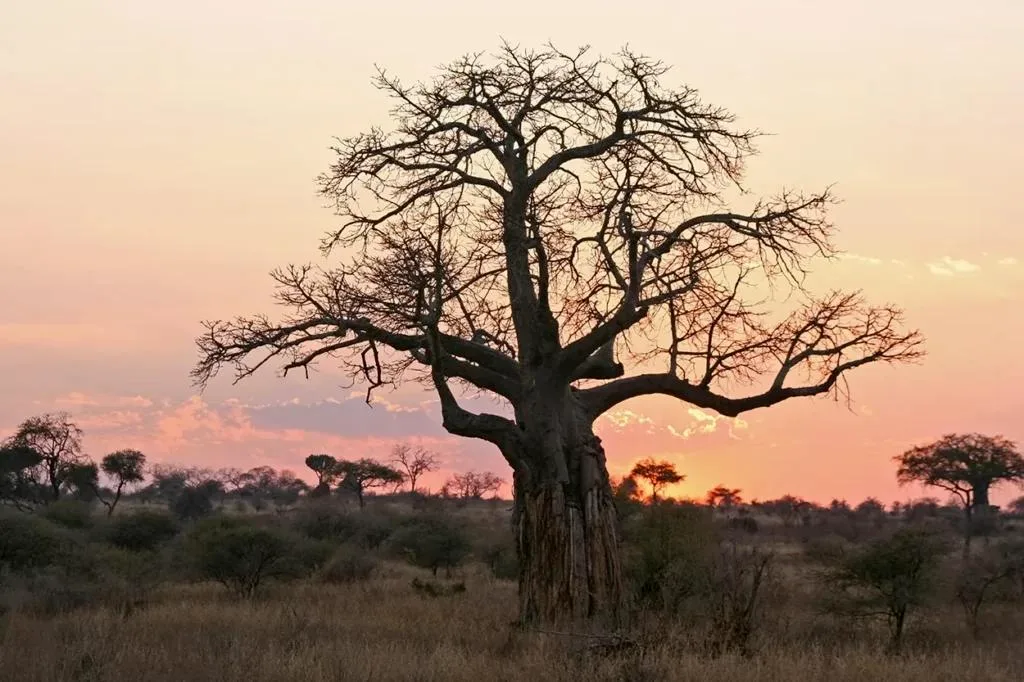
 The Best Destinations for the Great Migration
Where to see the wildebeest migration by month — Serengeti calving grounds, the Grumeti, the Mara River crossings and Kenya's Masai Mara — plus how to pick the right camp for river crossings versus calving.
 Destinations
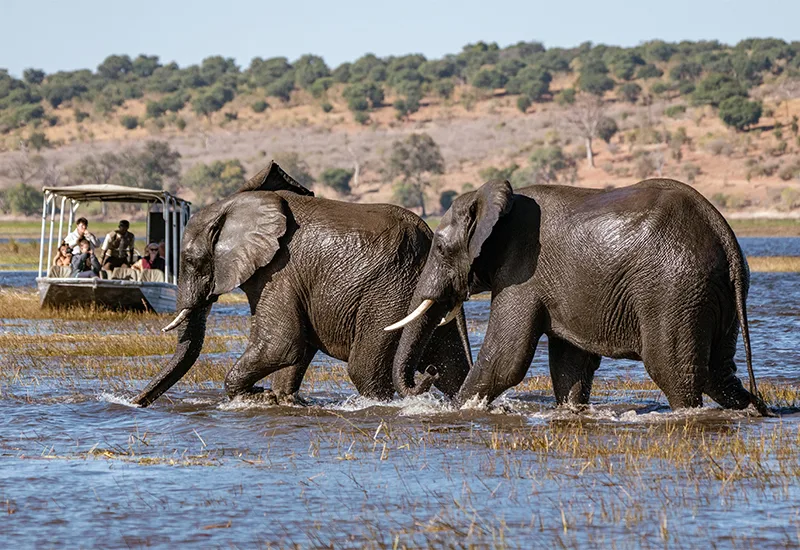
 Malaria-Free Safari Destinations
A practical guide to low- and no-malaria safari options for families and cautious travellers, from South Africa's Eastern Cape, Madikwe and Waterberg to Namibia's Etosha and highland regions — and the trade-offs versus the classic parks.
 Destinations
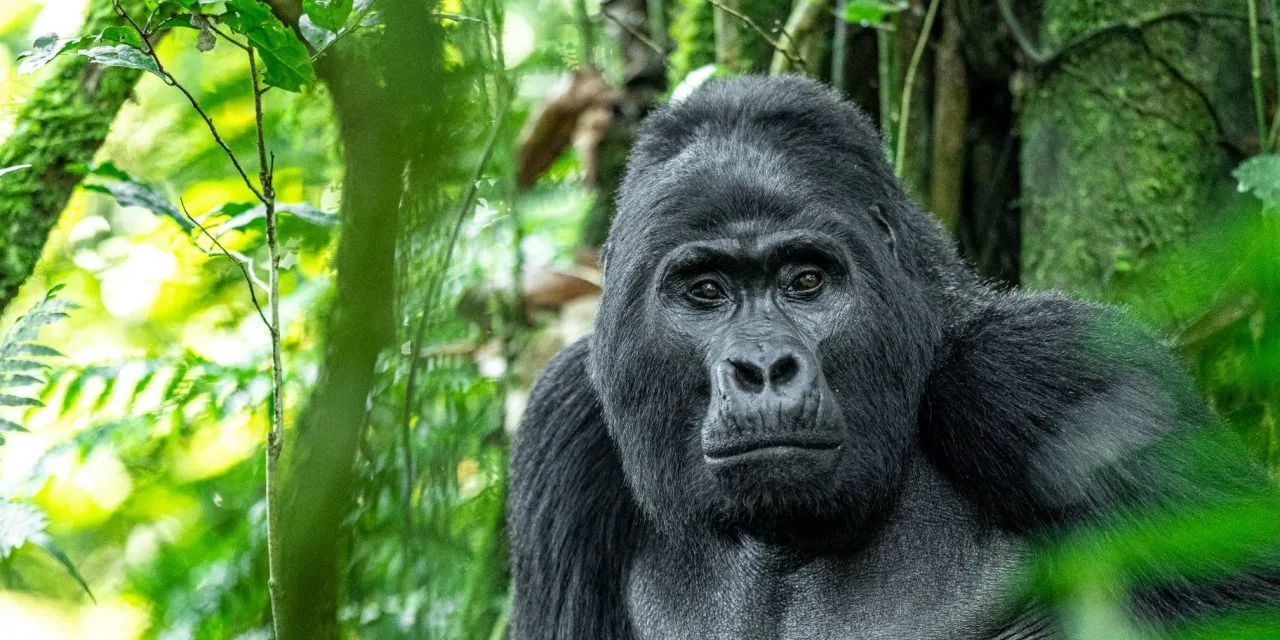
 East Africa vs Southern Africa for Safari
A big-picture comparison of Africa's two great safari regions — landscapes, the migration versus the deltas, vehicles, water activities, seasons and cost — to help you choose or combine.