
Namibia Desert Safari Explained
Why Namibia is one of Africa's most distinctive safaris — Etosha, the Sossusvlei dunes, desert-adapted wildlife, the Skeleton Coast, self-drive travel, seasons and how to combine it with Botswana.
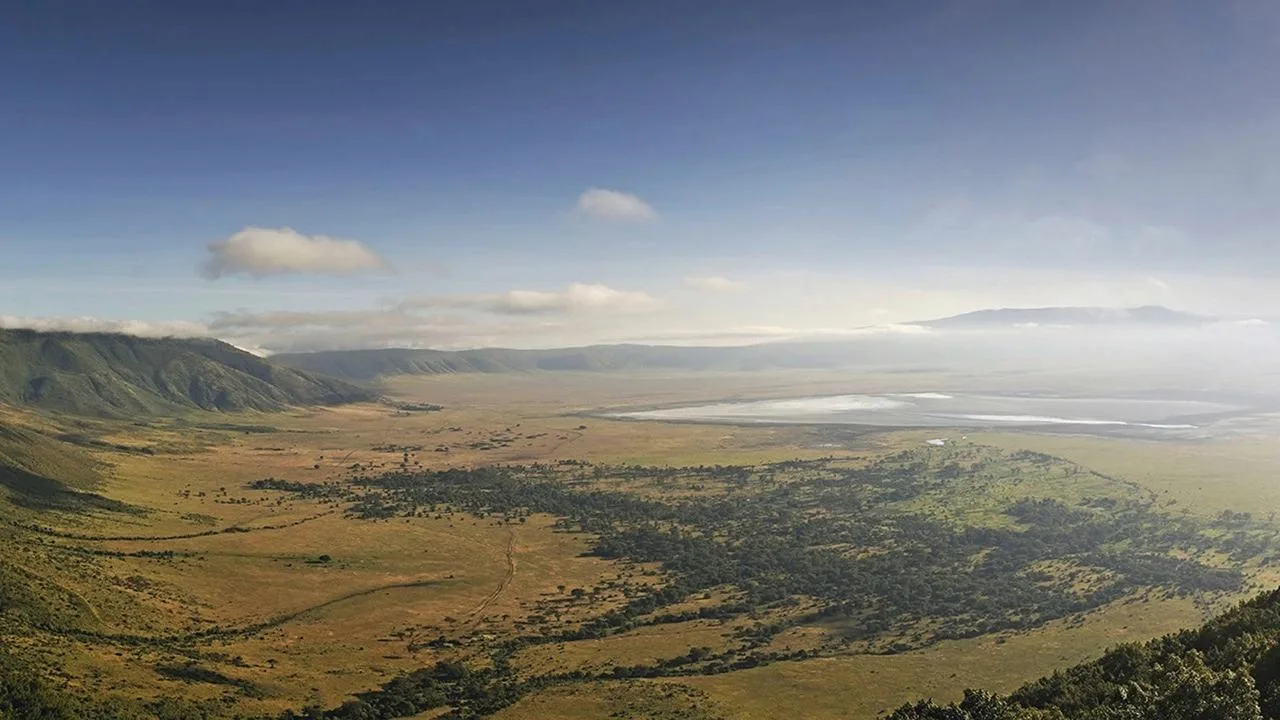
Namibia offers a safari unlike anywhere else on the continent. Instead of the classic green savanna teeming with herds, it delivers vast, sculpted emptiness: apricot dunes hundreds of metres high, gravel plains stretching to a shimmering horizon, and a fog-bound coast littered with shipwrecks. Wildlife here is not dense but it is extraordinary, adapted to survive where rain may not fall for years, and the landscapes themselves are as much the attraction as the animals. This is also the African country that most rewards independent travel. Good gravel roads, low population, political stability and well-run camps make self-drive genuinely feasible, so Namibia appeals equally to photographers chasing light on the dunes, families wanting a gentler introduction to Africa, and seasoned safari-goers craving something different. This guide walks through the headline experiences — Etosha, Sossusvlei, the desert wildlife, the Skeleton Coast — and how to plan around the seasons.
Key things to know
- Namibia's draw is landscape as much as wildlife: dunes, gravel plains and a wild coast
- Etosha National Park offers classic waterhole game viewing around a vast salt pan
- Sossusvlei's towering red dunes are best photographed at sunrise from the valley floor
- Desert-adapted elephants, oryx, springbok and even lions survive in extreme aridity
- The Skeleton Coast pairs fog, shipwrecks and Cape fur seal colonies
- Namibia is Africa's most self-drive-friendly safari destination
- The dry season concentrates game at Etosha's waterholes; nights can be cold
- It combines naturally with Botswana for a contrast of desert and delta
Etosha: waterholes around a great white pan
Etosha National Park is Namibia's wildlife heart, built around an immense salt pan so large it is visible from space. In the dry months, animals are drawn to a scatter of waterholes fringing the pan, and this concentration makes game viewing unusually predictable: rather than searching, you can simply park at a productive waterhole and let elephant, giraffe, zebra, springbok, oryx and their predators come to drink. Floodlit waterholes at some rest camps allow rhino and other nocturnal visitors to be watched into the night.
Etosha suits self-drivers particularly well because the roads are good and the waterholes are marked and reliable. Black rhino are a highlight here, along with large numbers of plains game and the lions, leopards and cheetahs that follow them. The stark, pale landscape throws animals into high contrast, which photographers love, though the same glare rewards patience and good timing early and late in the day.
- Game concentrates at waterholes in the dry season
- Park at a waterhole and let wildlife come to you
- Black rhino are a genuine highlight of Etosha
- Some camps have floodlit waterholes for night viewing
- Good roads make it excellent for self-drive
Sossusvlei: the great red dunes
Sossusvlei, in the Namib-Naukluft, is the postcard image of Namibia: enormous star-shaped dunes glowing apricot and rust, among the tallest on Earth. The classic experience is to enter the dune valley before dawn, climb a dune such as the one nicknamed Big Daddy, and watch the low sun carve the ridges into knife-edges of light and shadow. Nearby, the cracked white clay pan of Deadvlei, studded with blackened camel-thorn skeletons against orange sand and blue sky, is one of Africa's most photographed scenes.
Timing and light are everything here. Get to the gate at opening so you are on the dunes for the first, softest light, carry far more water than feels necessary, and respect the heat, which climbs fast once the sun is up. This is landscape safari rather than game viewing, though oryx and springbok crossing the dunes provide unforgettable foreground, and the sheer scale of the place tends to silence even chatty travellers.
- Enter at dawn for the softest light on the dunes
- Deadvlei's dead trees on white clay are iconic
- Carry ample water and respect the rising heat
- Oryx and springbok add scale and foreground
- This is landscape photography more than game viewing
Desert-adapted wildlife
What makes Namibian wildlife special is not abundance but adaptation. In the arid northwest, desert-adapted elephants range huge distances between ephemeral rivers, digging for water and surviving on sparse vegetation; they are leaner and longer-legged in appearance than their bushveld cousins. Desert lions patrol the same harsh country, and the gemsbok, springbok and ostrich of the gravel plains are masters of water economy, extracting moisture from plants and enduring heat that would fell most mammals.
Even the smallest desert creatures are marvels of survival. On the fog-belt dunes, beetles harvest water from morning mist, geckos and lizards shelter beneath the sand, and specialised plants such as the ancient welwitschia can live for a thousand years on almost no rainfall. Seeing an elephant walk a dry riverbed or an oryx stand motionless on a shimmering plain is a different, quieter thrill than a big-cat kill, and it is the essence of a Namibian safari.
- Desert-adapted elephants roam between dry rivers
- Desert lions survive in the arid northwest
- Oryx and springbok are masters of water economy
- Fog-belt beetles harvest moisture from sea mist
- The welwitschia plant can live for a thousand years
The Skeleton Coast
Where the cold Atlantic meets the desert, Namibia's Skeleton Coast is one of the most atmospheric shorelines on Earth. Persistent fog, driven by the cold Benguela current, shrouds a coast strewn with the rusting hulls of wrecked ships and the bleached bones that gave the coast its name. It feels genuinely remote and elemental, a place of grey light, roaring surf and howling wind rather than conventional beauty.
Wildlife clings to this edge in surprising ways. Vast colonies of Cape fur seals pack the beaches at places like Cape Cross, their noise and smell overwhelming, while brown hyenas and jackals patrol the tideline for scraps. The far northern reaches are wilderness of the highest order, usually accessed by fly-in safari, where desert meets ocean in near-total solitude. It is a landscape to feel rather than to tick off a list of animals.
Self-driving Namibia
Namibia is the African destination where self-drive truly comes into its own. Distances are long and the country is sparsely populated, but the gravel roads are generally well maintained, camps and lodges are welcoming, and the freedom to set your own pace suits the landscape-led nature of the trip. A sturdy vehicle, ideally with high clearance and a spare tyre or two, plus plenty of water and fuel, opens up an itinerary that would be costly to guide privately.
That freedom carries responsibility. Gravel roads demand slower, careful driving, especially on bends where rollovers are the classic hazard; distances between fuel stops can be large, so plan and top up early. Book camps ahead in peak season, tell someone your route, and never underestimate the desert sun. Travellers who prefer to leave logistics to others can instead fly between lodges, trading independence for time and comfort, which suits shorter trips well.
- Gravel roads are good but demand slower, careful driving
- Carry ample water, fuel and at least one spare tyre
- Bends and loose surfaces cause the classic rollover risk
- Book camps ahead in the busy dry season
- Fly-in options trade independence for time and comfort
Seasons and combining with Botswana
Namibia's dry season, broadly the cooler middle of the year, is prime for wildlife because animals crowd Etosha's waterholes, though desert nights can be genuinely cold, so pack warm layers. The hotter months bring the chance of dramatic skies and, in a good year, brief green flushes and newborn animals, but also heat and the risk of afternoon cloud on the dunes. For dune photography the light is rewarding year-round; for game concentration the dry months win.
Namibia pairs beautifully with Botswana, and the contrast is the point: the stark desert and coast of Namibia against the water-rich Okavango Delta and Chobe. A common route combines Namibian highlights with a fly-in to a Botswana delta camp, giving both the emptiness of the Namib and the game-rich abundance of the delta in one trip. Cross-border logistics are straightforward with a good operator, and the two countries together make one of the most varied itineraries in southern Africa.
- Dry season concentrates game but brings cold nights
- Hotter months can offer dramatic skies and green flushes
- Dune light rewards photographers year-round
- Namibia's desert contrasts with Botswana's delta
- A fly-in combo delivers both emptiness and abundance
References & further reading
- Sinclair, A. R. E., et al. (Eds.) (2015). Serengeti IV. Chicago: University of Chicago Press.
- Estes, R. D. (2012). The Behavior Guide to African Mammals. Berkeley: University of California Press.
- Kingdon, J. (2015). The Kingdon Field Guide to African Mammals (2nd ed.). London: Bloomsbury.
- IUCN (2024). The IUCN Red List of Threatened Species, Version 2024-1. www.iucnredlist.org.
Do it with SafariLingo
Take SafariLingo on safari: 300+ species, real animal calls, offline maps and sighting logs — all in your language, wherever you roam.
Get the appFrequently asked questions
Is Namibia a good safari destination for first-timers?
Yes, especially for travellers who value landscape and independence as much as big-game density. Etosha delivers reliable waterhole viewing, the self-drive infrastructure is the best in Africa, and malaria risk is lower than in many wetter regions. Those whose sole goal is dense predator action may prefer to combine Namibia with a water-rich destination like Botswana.
When is the best time to visit Namibia?
The dry season in the cooler middle of the year is generally best for wildlife, as animals concentrate at Etosha's waterholes, but expect cold nights and pack warm layers. Dune photography at Sossusvlei is rewarding year-round; just start at dawn and respect the daytime heat, which builds quickly.
Can I really self-drive a Namibia safari?
Absolutely — Namibia is the most self-drive-friendly safari country in Africa. Roads are mostly good gravel, camps are welcoming and distances, while long, are manageable with planning. Drive slowly on gravel, especially on bends, carry ample water, fuel and a spare tyre, and book accommodation ahead in peak season.
What wildlife will I actually see in the Namibian desert?
Expect oryx, springbok, ostrich and, around Etosha, elephant, giraffe, zebra, rhino and their predators. In the arid northwest you may encounter desert-adapted elephants and, with luck, desert lions, while the coast offers huge Cape fur seal colonies. Density is lower than in East Africa, but the adaptations and settings are unforgettable.
Should I combine Namibia with another country?
Combining Namibia with Botswana is a classic and rewarding choice, pairing Namibia's desert and coast with the water-rich Okavango Delta and Chobe. A fly-in link between the two is straightforward with a good operator and gives you both the stark emptiness of the Namib and the game-rich abundance of a delta in a single trip.
Related guides
 Destinations
 Zimbabwe Safari Highlights
A guide to the best of a Zimbabwe safari — Hwange's great elephant herds, walking and canoeing in Mana Pools, the thunder of Victoria Falls, and why its superb guides and honest value make it a connoisseur's choice.
 Destinations
 Zambia: The Home of Walking Safaris
Why Zambia — and especially the South Luangwa — invented the modern walking safari, and what a week on foot with a Zambian guide really looks like.
 Destinations
 Gorilla Trekking: Rwanda vs Uganda
How to choose between Rwanda's Volcanoes National Park and Uganda's Bwindi Impenetrable Forest — cost, difficulty, logistics, photography and combining with the rest of a safari.