
Insects, Tsetse Flies and Bites on Safari
A practical field guide to the small biters of the African bush — mosquitoes and malaria, tsetse flies, ticks and stings — how to prevent them, what to wear, and how to treat bites.
The animals that fill safari daydreams are large: lions on a kill, elephants crossing a floodplain, a leopard draped in a sausage tree. The creatures most likely to actually shape your trip, though, are the ones you can barely see. Mosquitoes, tsetse flies, ticks and the odd ant or bee do more to determine comfort — and occasionally health — than any big cat ever will. The reassuring truth is that a handful of sensible habits neutralise almost all of it. Malaria, the one genuine medical risk in much of sub-Saharan Africa, is highly preventable with prophylaxis and bite avoidance. Tsetse bites are annoying rather than dangerous for most travellers. Ticks are easy to manage with a nightly check. This guide walks through each biter in turn, then covers clothing, your bite kit, and how to treat and monitor a bite in the field. None of this should make you anxious. Millions of people safari every year and go home with nothing worse than a few itchy spots and a great tan. Preparation simply tilts the odds firmly in your favour so you can spend your energy watching wildlife, not swatting at it.
Key things to know
- Malaria is the only serious insect-borne risk in most safari regions — take prescribed prophylaxis and prevent bites
- The biting window for malarial mosquitoes is dusk to dawn, so cover up and apply repellent in the evening
- Tsetse flies are strongly attracted to dark blue and black — avoid those colours and wear neutral khaki, olive and tan
- Use a repellent with DEET (20–50%) or picaridin on exposed skin, and reapply after sweating or swimming
- Do a quick tick check each evening, especially after walking safaris or sitting in long grass
- Carry antihistamine tablets and hydrocortisone or antihistamine cream to calm bites and reactions
- Do not scratch — treat bites early, keep them clean, and watch for spreading redness or fever
Mosquitoes and malaria: the only serious threat
Across most of East and Southern Africa, malaria is the one insect-borne disease worth real planning for. It is transmitted by female Anopheles mosquitoes that bite mainly from dusk until dawn, which is exactly why evenings around camp deserve the most discipline. Risk varies enormously by region and season: high-altitude areas and the dry winter months carry far less risk than hot, wet lowlands after the rains. Your travel clinic will match a specific prophylaxis to your itinerary — commonly atovaquone-proguanil, doxycycline or mefloquine — and the right choice depends on your health, budget and how long you travel.
Prophylaxis is only half the equation; bite prevention is the other half and it is entirely in your hands. Sleep under a treated mosquito net if your room is not screened or air-conditioned, apply repellent to exposed skin in the evening, and cover arms and ankles once the sun drops. If you develop a fever during your trip or for up to a year afterwards, tell a doctor you have been in a malaria zone — early treatment is straightforward, delay is what turns malaria dangerous. Always confirm current advice with a travel clinic rather than relying on old guidance.
- Start prophylaxis on the schedule your clinic gives — some begin days before arrival
- Sleep under a treated net or in a screened, air-conditioned room
- Apply repellent every evening and cover up after sunset
- Empty or avoid standing water near your tent where you can
- Seek medical care for any fever during or after the trip and mention malaria exposure
Tsetse flies and the colour trap
Tsetse flies are stout, grey-brown flies a little larger than a housefly, found in woodland and thicket belts of the tsetse regions — think parts of the Serengeti, Selous/Nyerere, and miombo woodlands. Their bite is sharp and out of proportion to their size, and unlike mosquitoes they are active in daylight and undeterred by most repellents. For the average traveller they are a nuisance rather than a health threat, though they are the vector for sleeping sickness, which is rare in tourists but not impossible, so persistent flu-like symptoms after a bite deserve a doctor's attention.
The single most useful fact about tsetse flies is that they are visually drawn to dark blue and black — the very colours used in the traps researchers deploy to catch them. Dressing in neutral, mid-tone khaki, olive and tan genuinely reduces how many land on you. They also home in on movement and the dust plume of a vehicle, so bites often spike when you slow down in fly country. Long sleeves and trousers of thick-weave fabric help, because tsetse can bite through thin cloth.
- Avoid dark blue and black clothing and daypacks in tsetse country
- Wear neutral khaki, olive, tan and grey in medium tones
- Choose thicker-weave fabric — tsetse bite through thin material
- Keep windows up when driving slowly through known fly belts
- See a doctor for persistent fever or malaise after tsetse bites
Ticks, mites and the evening body check
Ticks live in grass and low vegetation and are picked up most often on walking safaris or when you sit or kneel in the bush. Most bites are harmless, but a few ticks carry African tick-bite fever, a rickettsial infection that typically brings fever, headache and a small dark scab (an eschar) at the bite site a few days later. It responds well to antibiotics, so it is worth recognising rather than fearing.
The best defence is a simple nightly ritual: after a walk, check your ankles, behind the knees, waistline, armpits and hairline. Remove any attached tick promptly with fine tweezers, gripping close to the skin and pulling steadily straight out without twisting. Do not use heat, petroleum jelly or alcohol to make it back out — that can make things worse. Clean the spot, note the date, and watch for a spreading rash or fever over the following week.
- Check ankles, knees, groin, waist, armpits and scalp each evening
- Use fine-tipped tweezers and pull straight out, close to the skin
- Do not burn or smother the tick — just remove it cleanly
- Clean the bite and note the date in case symptoms follow
- Treat clothing or gaiters with permethrin for walking-heavy trips
What to wear and when
Clothing is your first and most reliable barrier, and the safari uniform of neutral, long, lightweight layers exists for good reason. Long sleeves and trousers in the evening block mosquitoes during the crucial dusk-to-dawn window, while the same neutral tones that keep you inconspicuous to wildlife also reduce tsetse interest. Choose breathable fabrics so covering up does not mean overheating on warm evenings.
Timing matters as much as the garments. In daylight on drives you can be more relaxed, but as the sun drops, roll down sleeves, swap shorts for trousers, and put on closed shoes and socks. Treat outer layers with permethrin before the trip for extra protection on walking safaris — it bonds to fabric, survives several washes, and repels both mosquitoes and ticks without going on your skin.
Building your bite kit
A compact bite kit lives in your daypack and turns most insect encounters into non-events. The core is a good repellent, something to calm itching, and a few basics for cleaning and covering bites. Add antihistamines for reactions and you are ready for the vast majority of situations the bush will throw at you.
Keep it simple and self-contained so you are not rummaging at dusk. Repellent for skin, permethrin already on your clothes, a soothing cream, oral antihistamine, antiseptic and a few plasters cover almost everything. If you have known severe allergies to stings, carry your prescribed adrenaline auto-injector and make sure your guide knows where it is and how to use it.
- DEET or picaridin repellent for skin
- Antihistamine tablets for reactions and sleep-disturbing itch
- Hydrocortisone 1% or antihistamine cream for local relief
- Antiseptic wipes and a few plasters for broken skin
- Fine tweezers for ticks and any splinters
- Your adrenaline auto-injector if you have a known sting allergy
Treating bites and knowing when to worry
Most bites need nothing more than restraint: resist scratching, dab on a soothing cream, and take an antihistamine if the itch is fierce or keeping you awake. Scratching is what turns a harmless bite into an infected sore in a hot, dusty climate, so keeping nails short and hands busy is half the battle. A cool, damp cloth takes the heat out of a fresh bite or sting quickly.
Know the handful of signals that mean more than an itch. Spreading redness, warmth and pus suggest infection and need antiseptic and possibly antibiotics. A dark scab with fever points to tick-bite fever. Any fever during or after a malaria-zone trip needs prompt medical review. And true allergic emergencies — swelling of the lips or throat, difficulty breathing, faintness — are rare but demand immediate adrenaline and evacuation. Tell your guide early about any worsening symptom; camps are used to it and would far rather know sooner.
- Do not scratch — keep nails short and cover itchy bites
- Cool the area and use soothing cream or an antihistamine
- Watch for spreading redness, pus or a dark scab with fever
- Treat any post-trip fever as possible malaria until cleared
- Seek emergency help for breathing or throat swelling after stings
References & further reading
- Sinclair, A. R. E., et al. (Eds.) (2015). Serengeti IV. Chicago: University of Chicago Press.
- Estes, R. D. (2012). The Behavior Guide to African Mammals. Berkeley: University of California Press.
- Kingdon, J. (2015). The Kingdon Field Guide to African Mammals (2nd ed.). London: Bloomsbury.
- IUCN (2024). The IUCN Red List of Threatened Species, Version 2024-1. www.iucnredlist.org.
Do it with SafariLingo
Take SafariLingo on safari: 300+ species, real animal calls, offline maps and sighting logs — all in your language, wherever you roam.
Get the appFrequently asked questions
Do I really need malaria tablets for a safari?
In most classic safari areas of East and Southern Africa, yes — malaria is the one genuinely serious insect risk. A few high-altitude or arid destinations are low or no risk. A travel clinic will assess your exact itinerary and season and prescribe the right prophylaxis, which you should combine with evening bite prevention.
Why does everyone say to avoid dark blue and black clothing?
Tsetse flies are strongly attracted to dark blue and black, the same colours used in scientific tsetse traps. Wearing neutral khaki, olive or tan genuinely reduces how many flies target you. It also keeps you less conspicuous to wildlife, so it is a double win.
How do I safely remove a tick?
Use fine-tipped tweezers, grip the tick as close to the skin as possible, and pull straight out with steady pressure — no twisting, burning or smothering. Clean the area, note the date, and watch for a spreading rash or fever over the next week, seeing a doctor if either appears.
What is the best insect repellent for safari?
A repellent containing 20–50% DEET or 20% picaridin is the reliable choice for skin, reapplied after sweating or swimming. Treating clothing with permethrin before the trip adds strong protection against both mosquitoes and ticks, especially on walking safaris.
Are the bugs bad enough to ruin a safari?
Almost never. With prophylaxis, sensible clothing, repellent and a nightly tick check, most travellers go home with only a few itchy spots. The insects are a manageable detail, not a reason to skip the trip.
Related guides
 Planning & Tips
 The Best Age to Take Kids on Safari
How to choose the right age for a family safari — camp minimum ages, attention spans, malaria risk, what different ages gain, and how to pick family-friendly regions.
 Planning & Tips
 How to Keep Children Engaged on Safari
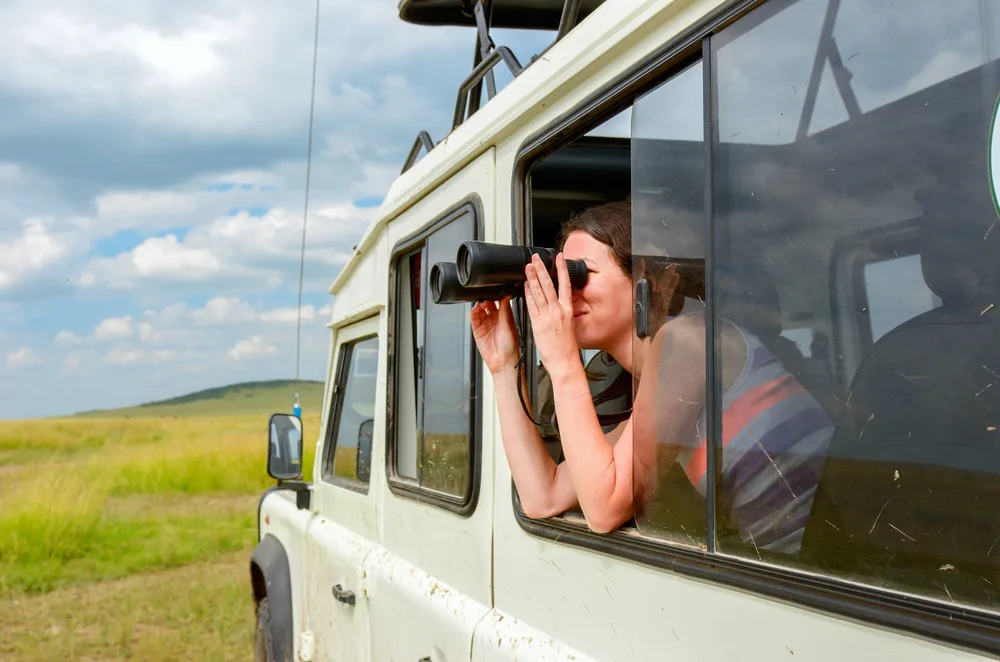
Practical ways to keep kids interested on safari — junior ranger programmes, checklists and bingo, binoculars, tracks and dung, short drives, rest, stories and a sense of involvement.
 Planning & Tips
 The Essential Family Safari Packing List
A practical, expert family safari packing list covering clothing, health and safety, entertainment, gear and baggage strategy for children, so parents can travel light while keeping everyone comfortable, protected and happy in the bush.