
The Essential Family Safari Packing List
A practical, expert family safari packing list covering clothing, health and safety, entertainment, gear and baggage strategy for children, so parents can travel light while keeping everyone comfortable, protected and happy in the bush.
Packing for a family safari is a balancing act. You want everyone protected from sun, dust and insects, comfortable through hot afternoons and cool dawn drives, and kept happy during the quiet stretches between sightings, all without hauling more than light-aircraft baggage limits allow. It sounds like a tall order, yet the families who travel best are usually the ones who pack least. The reassuring truth is that a family safari needs far less than parents fear, provided you pack smart. A few well-chosen items in neutral colours, sensible health and safety supplies, and a small kit to keep children engaged will cover almost every situation you meet in camp and on game drives. Lodges do laundry, camps provide water, and the bush rewards simplicity. This guide walks through what really matters: clothing for the whole family, the health and safety essentials you must not forget, entertainment that keeps children content between sightings, the practical gear that makes bush life smooth, and how to make it all fit within strict weight limits. Get these right and the packing stops being stressful and starts being part of the adventure.
Key things to know
- Pack neutral colours and layers for hot days and cool morning drives
- Respect strict light-aircraft baggage limits with soft duffel bags
- Sun and insect protection are non-negotiable for children
- Bring all medication plus a simple, well-stocked family first-aid kit
- Keep children engaged with small, quiet, screen-free activities
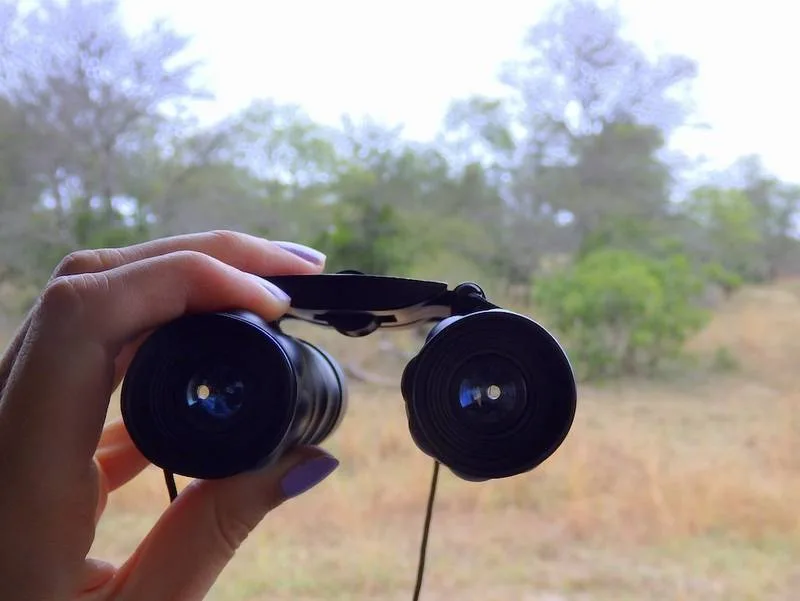
- Child-sized binoculars and a checklist turn kids into keen spotters
- Wet wipes, hand sanitiser and refillable water bottles are invaluable
- Less is genuinely more; laundry is available at most lodges
Clothing for the whole family
Stick to neutral colours like khaki, olive, tan and beige, which blend into the bush, hide dust and don't draw the eye of wildlife; avoid bright white, which stands out, and dark blue and black, which can attract tsetse flies in some regions. Pack in layers: light, breathable long-sleeved shirts and trousers for hot days, plus a warm fleece and a windproof jacket for chilly early-morning drives, when open vehicles at speed feel far colder than the thermometer suggests. A beanie and light gloves are worth it in the winter dry season.
Long sleeves and trousers double as sun and insect protection, so they earn their place even in the heat, and quick-dry fabrics wash and dry overnight. Add a wide-brimmed hat, proper sunglasses and closed walking shoes for everyone, plus sandals or flip-flops for around camp. Because laundry is available at most lodges, you can pack roughly three or four mix-and-match outfits per person and simply wash as you go, rather than a fresh set for every day.
- Neutral khaki, olive, tan and beige tones
- Breathable layers for hot days and cold dawn drives
- Long sleeves and trousers for sun and insect cover
- Wide-brimmed hats, real sunglasses and closed shoes
- A warm fleece, windproof jacket and beanie for winter mornings
Health and safety essentials
This is the category you cannot afford to get wrong. Bring every prescription medicine in more than enough quantity, in original packaging with a doctor's note, and split across bags in case one goes astray. Add a simple family first-aid kit: plasters, antiseptic wipes, rehydration salts, children's paracetamol and ibuprofen, antihistamine, tweezers for thorns and a thermometer. Discuss malaria prevention with a travel clinic well before departure, since many safari areas are malarial and children need age-appropriate advice; check official sources for current guidance rather than assuming.
High-factor, child-friendly sunscreen and a strong but family-safe insect repellent are essential and easy to underestimate, so pack more than you think and reapply often. A lip balm with SPF, after-bite cream and any motion-sickness remedy for bumpy roads round out the kit. Keep a small day supply of familiar snacks for fussy moments and low-blood-sugar meltdowns, and carry the essentials in your daypack on drives rather than leaving them in the room.
- Prescription medicines in ample supply, split across bags
- Family first-aid kit with rehydration salts and children's pain relief
- Malaria prevention discussed with a travel clinic beforehand
- High-factor child-safe sunscreen and repellent, plenty of both
- Motion-sickness remedy and after-bite cream for bumpy, buggy days
Keeping children entertained
Game drives mix thrilling sightings with quiet waiting, and transfers can be long, so a few small distractions make all the difference without needing a screen. Pack a sticker book, a colouring pad and pencils, a pack of cards, small figurines or a beloved soft toy for younger children, and a couple of paperbacks or an audiobook for older ones. Keep these in a child's own daypack so they feel ownership of their kit.
Better still, fold the children into the safari itself. A child-sized pair of binoculars, a laminated wildlife checklist or a simple nature journal turns idle minutes into a spotting game, and many children become the sharpest eyes in the vehicle once they feel part of the search. A small camera lets them document their own trip, and a notebook for pressed leaves, feather sketches or a tally of species keeps the excitement going back at camp. Participation holds attention far longer than any tablet.
- Sticker books, colouring, cards and small quiet toys
- A favourite soft toy and a couple of paperbacks or an audiobook
- Child-sized binoculars and a laminated wildlife checklist
- A nature journal or a simple camera to document the trip
Practical gear that makes life easier
A few practical items transform bush life with children. Wet wipes and hand sanitiser are endlessly useful for dusty hands before snacks and after long drives. A refillable water bottle each keeps everyone hydrated in the dry heat, and a small daypack lets each child carry their own hat, water, snack and binoculars, giving them a welcome sense of responsibility. A buff or scarf protects little faces from dust on the road.
Pack everything in soft duffel bags rather than hard suitcases, because light aircraft demand them and they squash easily into vehicle lockers. A headtorch each is invaluable for moving safely around camp after dark, and a power bank keeps phones and cameras alive where sockets are scarce or solar-only. A dry bag or a few zip-lock bags protect electronics from dust, and a universal adaptor covers charging. Keep the total light: restraint is rewarded when you are hopping between camps.
- Wet wipes and hand sanitiser for dusty hands
- A refillable water bottle and small daypack for each child
- Soft duffel bags to meet light-aircraft limits
- A headtorch each, a power bank and a dry bag for electronics
Packing within light-aircraft limits
The single biggest constraint on a fly-in safari is baggage: light aircraft between camps typically allow only around 15 to 20 kg per person in soft-sided bags, sometimes less, so check your specific operator's limit before you pack and weigh each bag at home. Hard suitcases are usually refused outright because they will not fit the hold, so a squashable duffel is not a preference but a requirement.
The trick is to pack for the trip, not for each day. Rely on laundry, choose quick-dry fabrics, and dress children in repeatable mix-and-match layers rather than a distinct outfit per day. Wear your bulkiest items — boots, fleece, jacket — on the flight to save weight in the bag. Leave heavy just-in-case items behind, since camps stock the basics and can often lend what you truly need. If you road-transfer rather than fly, limits relax, but travelling light still makes moving a young family far smoother.
- Confirm the exact per-person weight limit with your operator
- Use soft duffels only; hard cases are usually refused
- Wear bulky boots and jackets on the plane to save weight
- Rely on laundry and quick-dry fabrics to cut outfit count
- Weigh every bag at home before you leave
Documents, money and final checks
Paperwork matters as much as kit. Carry passports with plenty of validity, printed and digital copies of everything, travel insurance documents that clearly cover safari activities and medical evacuation, and any vaccination certificate your route requires — check official sources well ahead, as requirements change. Keep a doctor's letter for prescription medicines, and note down camp contacts and your operator's emergency number somewhere offline.
Bring a modest amount of small-denomination cash in a widely accepted currency for tips and curios, since card machines and reliable connectivity are rare in remote camps. A final family checklist the night before departure catches the classics people forget: chargers, adaptors, spare glasses or contact lenses, sunhats and the children's comfort items. Do a last weigh-in, distribute medicines and valuables across hand luggage, and you are ready for the bush with nothing crucial left behind.
References & further reading
- Sinclair, A. R. E., et al. (Eds.) (2015). Serengeti IV. Chicago: University of Chicago Press.
- Estes, R. D. (2012). The Behavior Guide to African Mammals. Berkeley: University of California Press.
- Kingdon, J. (2015). The Kingdon Field Guide to African Mammals (2nd ed.). London: Bloomsbury.
- IUCN (2024). The IUCN Red List of Threatened Species, Version 2024-1. www.iucnredlist.org.
Do it with SafariLingo
Take SafariLingo on safari: 300+ species, real animal calls, offline maps and sighting logs — all in your language, wherever you roam.
Get the appFrequently asked questions
What should children wear on safari?
Dress children in neutral colours like khaki and olive, in light breathable layers for hot days with a warm fleece and windproof jacket for cool morning drives. Long sleeves and trousers protect against sun and insects, and a wide-brimmed hat, real sunglasses and closed shoes complete the outfit. Avoid bright white and dark blue or black, which stand out or can attract biting insects.
How do I keep young children entertained on long game drives?
Bring small, quiet, screen-free distractions like sticker books, colouring, cards and a favourite toy, kept in the child's own daypack. Best of all, involve them: child-sized binoculars and a laminated wildlife checklist turn waiting into a spotting game, and a nature journal or simple camera keeps the excitement alive. Feeling part of the search holds their attention far longer than a tablet.
What health items are essential for a family safari?
Pack all prescription medicines in ample supply, a family first-aid kit with rehydration salts and children's pain and fever relief, high-factor child-safe sunscreen and insect repellent, plus a motion-sickness remedy for bumpy roads. Discuss malaria prevention with a travel clinic before you go and check official sources for current guidance. Split medicines across bags in case one is delayed.
How much luggage can we bring on a family safari?
Often less than you expect. Light aircraft between camps typically allow around 15 to 20 kg per person in soft duffel bags, and hard suitcases are usually refused, so confirm your operator's exact limit and weigh bags at home. Most lodges offer laundry, so you can pack far fewer outfits and wash as you go, which also makes moving between camps with children far smoother.
Do we need special bags for a fly-in safari?
Yes. Light aircraft require soft-sided duffel bags that squash into small holds; rigid suitcases usually will not fit and may be turned away. Give each child a small daypack for their hat, water, snack and binoculars on drives, and use a dry bag or zip-locks to keep dust off cameras and phones. Soft, light and squashable is the rule.
Related guides
 Planning & Tips
 How to Choose a Family Safari Destination
Not every safari suits children. A practical guide to choosing a family safari destination — weighing malaria risk, travel time, activities, minimum ages, budget and camp facilities to match the right place to your family.
 Planning & Tips
 Self-Drive Safari vs Guided Tour: Which Is Right for You?
Self-drive safari or guided tour? Compare cost, freedom, wildlife expertise, safety, logistics and destination fit so you can choose the safari style that matches your budget and confidence.
 Planning & Tips
 What Makes a Great Safari Guide
An honest look at the qualities that separate an average driver from a world-class safari guide — ecology, tracking, positioning, safety and storytelling.