
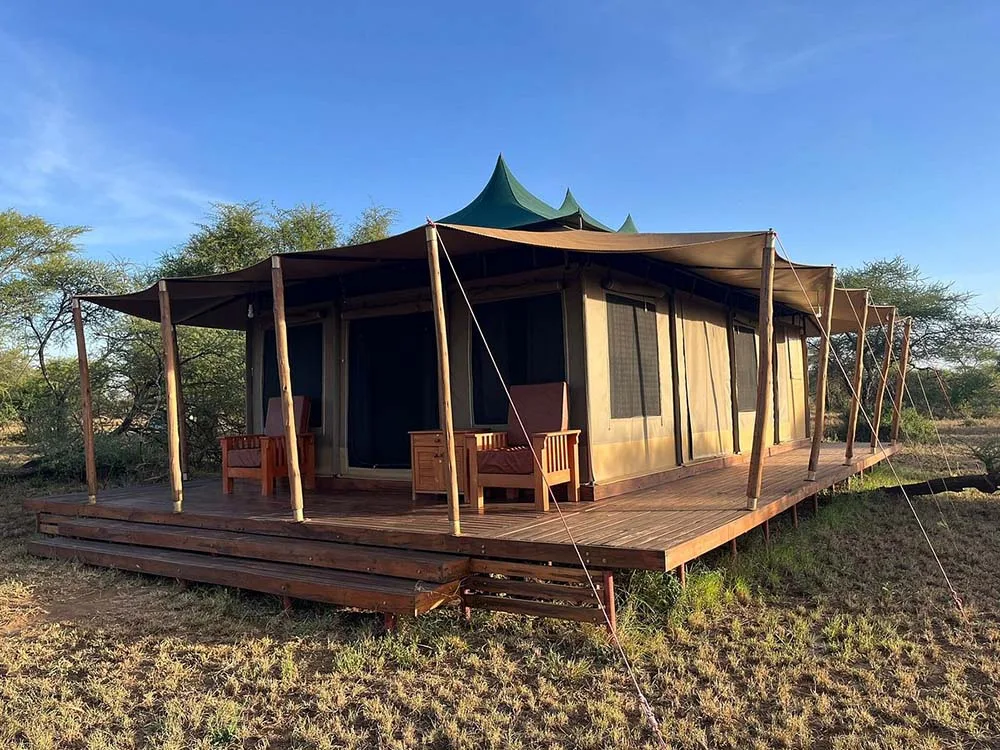
How to Avoid Safari Burnout
Practical strategies to stay fresh and enthusiastic on a multi-day safari: pacing your itinerary, embracing early starts and midday rest, balancing activities, taking downtime at camp, and managing expectations.
A safari is one of the most rewarding trips you can take, but it can also be surprisingly tiring. The combination of pre-dawn wake-ups, long hours in a vehicle on bumpy roads, intense heat, sensory overload and the sheer excitement of it all can leave even seasoned travellers feeling frazzled by day four or five. This is safari burnout, and it is one of the most common — and most avoidable — ways to dampen an otherwise extraordinary experience. The irony is that burnout often strikes travellers who are trying hardest to make the most of their trip: cramming in too many parks, refusing to miss a single game drive, and treating the whole thing as a checklist to be completed rather than an experience to be savoured. The result is exhaustion that blunts the very wonder they came for. This guide explains why safari fatigue happens and how to prevent it — through smart pacing, building in rest, mastering the daily rhythm of early starts and midday breaks, balancing your activities, embracing downtime at camp, and setting realistic expectations. Get these right and you will finish your safari as enthusiastic as you began.
Key things to know
- Safari burnout is common and largely preventable with sensible planning.
- Fatigue builds from early wake-ups, long drives, heat and sensory overload.
- Spend more nights in fewer places rather than rushing between many parks.
- Build in rest days or slower days, especially on longer trips.
- Follow the natural rhythm: early starts, midday rest, late-afternoon activity.
- Balance game drives with walks, boat trips, culture and simple downtime.
- Manage expectations so quiet moments feel like part of the experience.
- Stay hydrated, protected from the sun and well rested to keep energy up.
Why safari burnout happens
Safari days are physically and mentally demanding in ways that are easy to underestimate. Most game drives begin before sunrise to catch the cool, active hours, which means wake-up calls at 5am or earlier, day after day. Hours are then spent bouncing along rough tracks in an open vehicle, exposed to sun, wind and dust, with the constant low-level alertness of scanning for wildlife. Add heat, dehydration, altitude in some regions, and the emotional intensity of dramatic sightings, and the cumulative toll is significant.
The problem compounds when travellers pack their itinerary too tightly, moving between multiple parks with long transfers, and feel obliged to take every available drive so as not to miss anything. By the middle of the trip, the magic starts to blur: sightings that would have thrilled on day one barely register, patience wears thin, and tiredness curdles into irritability. Recognising these drivers of fatigue is the first step to designing a trip that stays enjoyable from start to finish.
- Pre-dawn starts mean chronic early wake-ups over consecutive days.
- Long hours in an open vehicle on rough roads are physically tiring.
- Heat, dust, wind and sometimes altitude add to the strain.
- Constant alertness and sensory input are mentally draining.
- Over-packed itineraries and long transfers make it worse.
Pace your itinerary
The single most effective way to avoid burnout is to resist the urge to see everything. It is almost always better to spend more nights in fewer places than to hop between many parks in quick succession. Staying three or four nights in one camp lets you settle in, learn the area, avoid repeated pack-and-transfer days, and enjoy productive game viewing without the exhaustion of constant movement. Depth beats breadth: you will see and understand more by relaxing into a location than by rushing through it.
Long transfers, whether by road or a series of light-aircraft hops, are among the most tiring parts of any safari, so minimise them and space them out. When planning, be honest about how many big travel days you can comfortably absorb, and remember that fewer, longer stays usually deliver richer wildlife encounters as well as more rest. A well-paced itinerary is the foundation of an enjoyable, burnout-free trip.
- Spend more nights in fewer camps rather than many quick stops.
- Three to four nights per camp allows you to settle and relax.
- Minimise long road and flight transfers, and space them out.
- Depth of experience beats a rushed checklist of parks.
- Be realistic about how many travel days you can absorb.
Build in rest and slower days
Especially on trips of a week or more, deliberately schedule rest days or slower days where you do less. This might mean skipping a morning drive to sleep in, spending an afternoon by the pool, or choosing a camp with a relaxing setting for the middle of your trip. Far from wasting safari time, these pauses recharge you so that the drives you do take are enjoyed with fresh eyes and renewed enthusiasm. The best sightings are wasted on an exhausted traveller.
Rest days also let you appreciate the environment in a slower, more reflective way — watching wildlife come to a waterhole from the camp deck, catching up on photographs, journalling, or simply doing nothing under an acacia. Many camps are set in beautiful, wildlife-rich locations precisely so that downtime is itself rewarding. Treat rest not as a concession but as an active ingredient of a great safari.
- Schedule explicit rest or slower days on longer trips.
- Occasionally skip a drive to sleep in or relax at camp.
- Choose a relaxing camp for the middle of a long itinerary.
- Use downtime for photos, journalling or simply resting.
- Rest lets you enjoy the drives you do take far more.
Work with the daily rhythm
Safari has a natural daily rhythm that, when respected, prevents fatigue. Wildlife is most active in the cool hours around dawn and dusk, so game drives are concentrated in the early morning and late afternoon, leaving the hot middle of the day for rest. Lean into this: take the early start seriously, then use the midday break to genuinely rest — nap, eat well, stay in the shade, rehydrate — rather than filling every hour with activity. This siesta is not laziness; it mirrors what the animals themselves do.
Going to bed early is the other half of the equation. If you are up at 5am, you cannot also stay up late every night without accumulating a sleep debt that guarantees burnout. Embrace the early nights that safari naturally encourages, and you will wake refreshed and ready for the magic of the next dawn. Working with the rhythm of the bush, rather than against it, is one of the simplest and most powerful anti-fatigue strategies.
- Concentrate activity in the cool dawn and dusk hours.
- Genuinely rest during the hot middle of the day.
- Nap, hydrate and eat well at midday to recharge.
- Go to bed early to offset pre-dawn wake-ups.
- Mirror the animals' own pattern of rest and activity.
Balance activities and don't over-park
Doing the same thing repeatedly, however wonderful, accelerates fatigue and dulls appreciation. Where a destination allows, vary your activities: mix classic game drives with guided walks, boat safaris, birding, night drives, or cultural visits to nearby communities. Changing the mode of experience refreshes your senses and deepens your understanding of the ecosystem, so no single day feels like a repeat of the last. This variety is one reason multi-activity destinations are so satisfying over several days.
Equally important is resisting the temptation to over-park at every sighting. Spending hours parked at one lion pride, or racing from sighting to sighting, can be more draining and less rewarding than a calmer, more selective approach. Talk to your guide about your energy levels and preferences; a good guide will happily tailor the pace, cut a drive short, or head back for a rest if that is what you need. The goal is quality of experience, not maximising hours in the vehicle.
- Vary game drives with walks, boat trips, birding or culture.
- Changing activities refreshes the senses and adds depth.
- Avoid marathon sessions parked at a single sighting.
- Tell your guide your energy levels and preferred pace.
- Aim for quality of experience over hours in the vehicle.
Manage expectations and look after yourself
A great deal of burnout is really disappointment in disguise. Travellers who expect nonstop dramatic action — a kill on every drive, all of the Big Five before lunch — inevitably feel let down during the quiet stretches that are a normal, even beautiful, part of any safari. Reframing those quiet moments as part of the rhythm of the wild, rather than as failures, transforms the experience. The empty golden hour, the birdsong, the herd grazing peacefully: these are the safari too.
Basic self-care makes an enormous difference to your energy and mood. Drink plenty of water, protect yourself from the sun with a hat, sunglasses and sunscreen, dress in layers for cold mornings and hot afternoons, and eat sensibly. Listen to your body and speak up if you need to slow down; there is no prize for pushing through exhaustion. Combine realistic expectations with good hydration, sun protection and rest, and you give yourself the best chance of staying enchanted by the wilderness right to the end.
- Expect and embrace quiet stretches as part of the experience.
- Reframe calm moments as the rhythm of the wild, not failures.
- Stay well hydrated throughout every day.
- Protect against the sun and dress in adjustable layers.
- Listen to your body and never feel obliged to push through.
References & further reading
- Sinclair, A. R. E., et al. (Eds.) (2015). Serengeti IV. Chicago: University of Chicago Press.
- Estes, R. D. (2012). The Behavior Guide to African Mammals. Berkeley: University of California Press.
- Kingdon, J. (2015). The Kingdon Field Guide to African Mammals (2nd ed.). London: Bloomsbury.
- IUCN (2024). The IUCN Red List of Threatened Species, Version 2024-1. www.iucnredlist.org.
Do it with SafariLingo
Take SafariLingo on safari: 300+ species, real animal calls, offline maps and sighting logs — all in your language, wherever you roam.
Get the appFrequently asked questions
How long should a safari be to avoid burnout?
There is no single answer, but many travellers find that spending three to four nights in each camp, with rest built into trips of a week or more, keeps energy and enthusiasm high. Shorter, well-paced trips can be wonderful; the key is not to cram too many parks into too few days.
Do I have to do every game drive?
Not at all. Skipping the occasional drive to sleep in or relax at camp is a smart way to avoid fatigue, and often means you enjoy the drives you do take far more. A good guide will happily adjust the plan to match your energy levels.
Why am I so tired on safari when I'm mostly sitting down?
Safari fatigue comes from very early starts, long hours on rough roads, heat, sun, dust, constant alertness and the emotional intensity of sightings. Even though you are seated, the cumulative physical and mental load over consecutive days is significant, which is why pacing and rest matter.
How can I keep children from getting overwhelmed on safari?
Shorter, flexible drives, plenty of downtime, pool breaks and a relaxed pace work well for families. Choose child-friendly camps, do not over-schedule, and let kids rest during the hot midday. Managing everyone's expectations and energy keeps the trip fun rather than exhausting.
What should I do during the midday break?
Use it to genuinely rest: nap, eat well, stay in the shade and rehydrate. This mirrors the animals' own inactivity during the heat and offsets the pre-dawn start. Resisting the urge to fill every hour is one of the most effective ways to prevent burnout.
Related guides
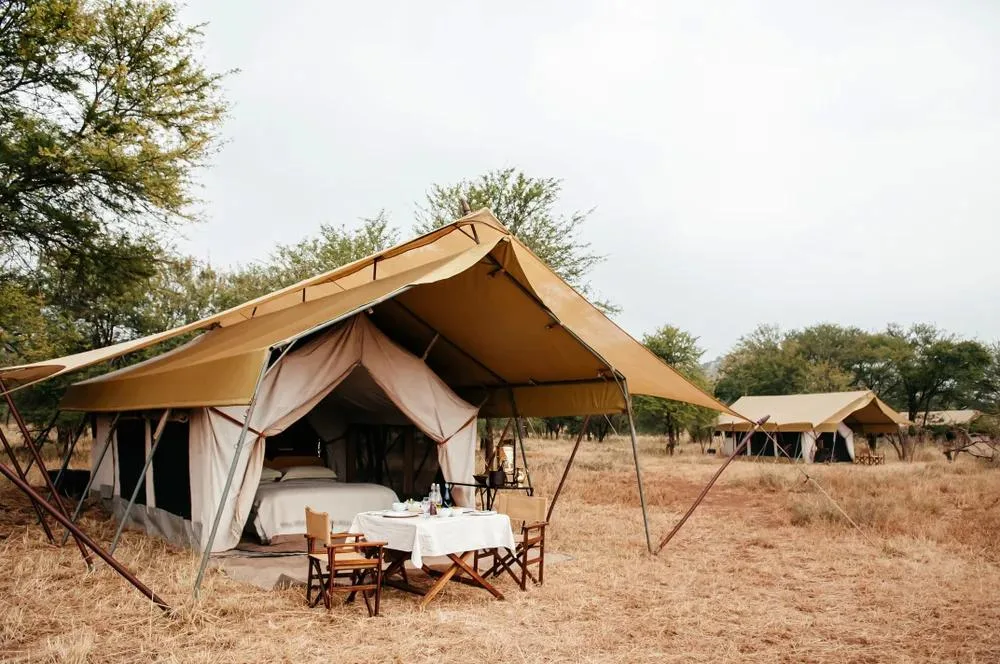 Planning & Tips
 Understanding Safari Seasons
How the dry season, green season and shoulder months shape wildlife viewing, prices and photography — and how to pick the right time for the safari you want.
 Planning & Tips
 Planning a Safari Around the Migration
How to time and position a safari for the great wildebeest migration: month-by-month herd movements, booking windows, camp placement, river-crossing luck and how to avoid disappointment.
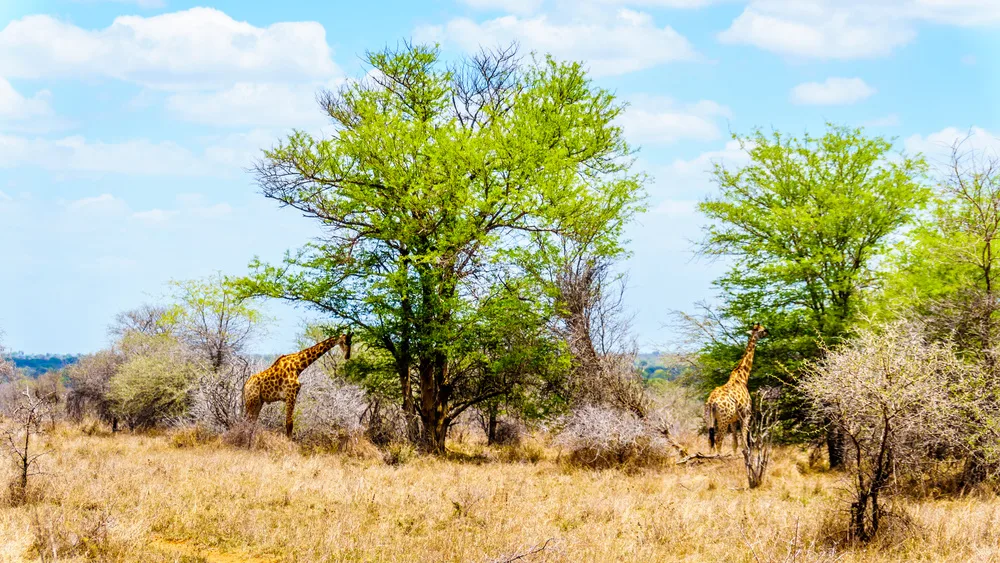 Planning & Tips
 Planning a Multi-Generational Safari
How to plan one safari that works for toddlers, teenagers, parents and grandparents at once — pacing, private guides, family suites, activity choices and health, so every generation has the trip of a lifetime.