
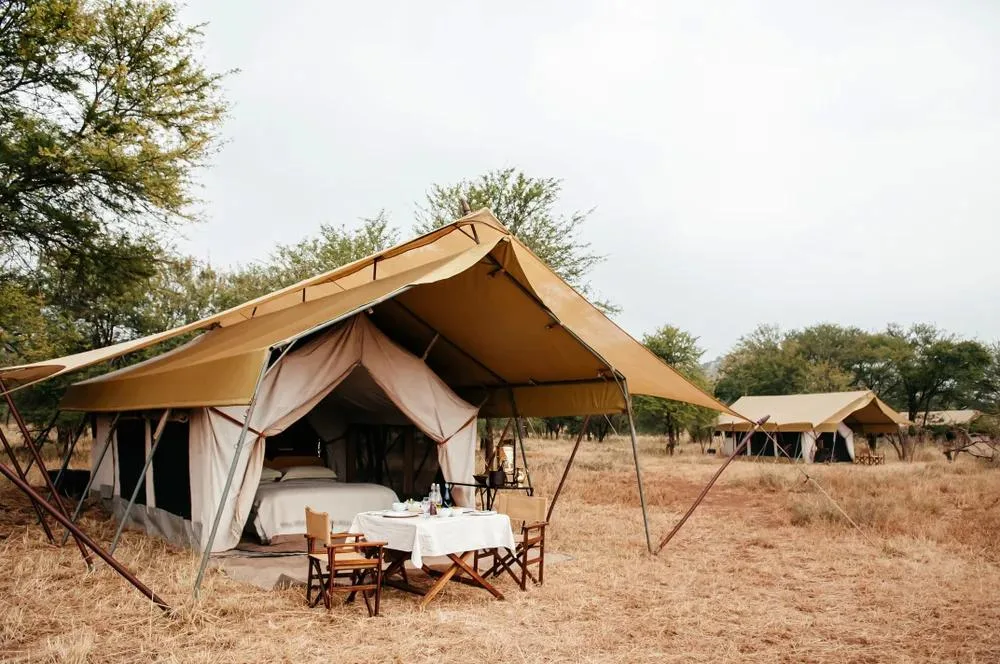
Understanding Safari Seasons
How the dry season, green season and shoulder months shape wildlife viewing, prices and photography — and how to pick the right time for the safari you want.
The single question that shapes a safari more than any other is when to go. Africa does not really run on summer and winter in the way many travellers expect; it runs on wet and dry, and those two rhythms decide where animals gather, how easy they are to see, what the light looks like and how much you pay. There is no universally 'best' month. The dry season concentrates wildlife and makes viewing easy, but it is busier and pricier. The green season brings dramatic skies, newborn animals and superb birding, with fewer vehicles and better value, at the cost of taller grass and occasional rain. The shoulder months sit in between and often offer the sweet spot. This guide explains how seasons actually work on the ground, so you can weigh wildlife density, weather, crowds, cost and photography, and choose timing that matches the trip you really want rather than a date plucked from a brochure.
Key things to know
- African safaris revolve around wet and dry seasons more than summer and winter.
- The dry season concentrates animals at water and thins vegetation for easier viewing.
- The green (wet) season brings lush scenery, newborns and outstanding birdlife.
- Dry season is peak: best game viewing but higher prices and more vehicles.
- Green season offers value, dramatic light and solitude, with taller grass and some rain.
- Shoulder months often balance good wildlife, fewer crowds and moderate prices.
- The right season depends on your priorities: big game, birds, budget or photography.
Wet and dry, not summer and winter
Most of Africa's prime safari country lies in the tropics, where the year is shaped by rainfall rather than temperature. Instead of four gentle seasons, you get a dry season and a wet season, sometimes split into short and long rains. This matters because water, not the calendar, dictates where animals are and how visible they become.
In the dry months, seasonal pans and rivers shrink, grass dies back and animals are forced to concentrate around permanent water. In the wet months, rain spreads water and grazing across the landscape, so wildlife disperses, vegetation grows tall and green, and the same reserve can feel completely different. Understanding this wet-dry rhythm is the key to reading any safari season, anywhere on the continent.
The dry season: peak viewing
The dry season is what most people picture as prime safari time, and for good reason. As water disappears from the wider bush, animals gather at the rivers, waterholes and floodplains that still hold it, making sightings frequent and predictable. Thinner vegetation means you can see further and spot predators more easily, and lower rainfall usually means clearer roads and fewer mosquitoes.
The trade-off is popularity. Dry-season months are peak season in most regions, so lodges fill early, prices are highest and popular sightings can draw several vehicles. It is the surest bet for classic big-game viewing and a strong choice for a first safari, but it rewards early booking and, where possible, quieter private reserves over the busiest public parks.
- Animals concentrate at permanent water, so sightings are frequent
- Thin vegetation makes predators and game easier to spot
- Clearer roads and generally fewer mosquitoes
- Highest prices and busiest camps — book well ahead
- The safest choice for classic first-time big-game viewing
The green season: value and drama
The green or wet season is misunderstood and often superb. Rains transform dusty plains into lush grassland, skies fill with dramatic clouds and light, and many herbivores time their births to the fresh grazing, so you see newborns and the predators that follow them. It is also the peak of birding, when migrants arrive and resident species show breeding plumage.
The costs are real but manageable: grass grows tall and can hide animals, some roads become tricky, and rain arrives in bursts rather than all day. In return you get lower prices, far fewer vehicles and a landscape at its most beautiful. For photographers, birders and value-minded travellers who do not mind working a little harder for sightings, the green season can be the most rewarding time of all.
Shoulder months and picking your window
Between the extremes sit the shoulder months, the transitions from wet to dry and back. These weeks often deliver the sweet spot: wildlife still reasonably concentrated, landscapes still green in places, crowds thinner than peak and prices below the highest tier. If you want a balance rather than an extreme, the shoulders are worth targeting.
To choose your window, rank your priorities. If you want the densest big game and easiest viewing, aim for the heart of the dry season and book early. If you care about birds, newborns, dramatic light and value, lean into the green season. If you want a compromise, target the shoulders. Whatever you decide, check the specific rhythm of your chosen region and any event you are chasing, since exact months shift from place to place across the continent.
- Shoulder months balance decent wildlife, thinner crowds and moderate prices
- Dry-season heart: best for classic big-game viewing
- Green season: best for birds, newborns, photography and value
- Always check the exact seasonal rhythm of your specific region
- Match the month to your top priority rather than a generic 'best time'
Matching the season to your interest
Beyond the broad dry-versus-green choice, the smartest travellers match the month to a specific interest. If your heart is set on predators and drama, the dry season concentrates hunting around shrinking water and thin cover. If you dream of newborn animals and the tension of predators trailing the herds, the green season and its calving pulses are unbeatable. Birders should aim for the green months, when migrants arrive and residents blaze in breeding colour, while photographers often prize the shoulders for dramatic skies without peak-season crowds.
Practical circumstances matter just as much as wildlife. Families tied to school holidays may have little choice of month and should pick the region whose season best fits those dates. Honeymooners chasing solitude and value do well in the green and shoulder seasons, while anyone determined to tick off classic big-game sightings on a first trip is safest in the heart of the dry. Decide what matters most, then let that single priority, not a generic calendar, choose your month.
- Predators and easy viewing: aim for the dry season
- Newborns and calving drama: choose the green season
- Birding: the green months bring migrants and breeding colour
- Photographers often prize the shoulders for dramatic light
- Let school holidays or budget steer the region, then the season
References & further reading
- Sinclair, A. R. E., et al. (Eds.) (2015). Serengeti IV. Chicago: University of Chicago Press.
- Estes, R. D. (2012). The Behavior Guide to African Mammals. Berkeley: University of California Press.
- Kingdon, J. (2015). The Kingdon Field Guide to African Mammals (2nd ed.). London: Bloomsbury.
- IUCN (2024). The IUCN Red List of Threatened Species, Version 2024-1. www.iucnredlist.org.
Do it with SafariLingo
Take SafariLingo on safari: 300+ species, real animal calls, offline maps and sighting logs — all in your language, wherever you roam.
Get the appFrequently asked questions
Is the dry season always the best time for safari?
It is the easiest for classic big-game viewing because animals concentrate at water and vegetation is thin, but it is not automatically 'best'. If you value birds, newborn animals, dramatic scenery, lower prices or solitude, the green season may suit you far better.
Is it worth going in the green or wet season?
For many travellers, yes. You get lush scenery, newborn animals, excellent birding, dramatic light and much better value with fewer vehicles. The trade-offs are taller grass that can hide wildlife and occasional heavy showers, usually in bursts rather than all day.
What are shoulder months and why choose them?
Shoulder months are the transitions between wet and dry seasons. They often offer a sweet spot of still-good wildlife viewing, greener landscapes, fewer crowds and prices below peak, making them a smart choice if you want balance rather than an extreme.
How far ahead should I book for peak season?
For the heart of the dry season, book as far ahead as you can — often six months to a year for the best small camps, which have very few rooms. Green-season and shoulder trips can usually be arranged with much shorter lead times.
Related guides
 Planning & Tips
 Planning a Safari Around the Migration
How to time and position a safari for the great wildebeest migration: month-by-month herd movements, booking windows, camp placement, river-crossing luck and how to avoid disappointment.
 Planning & Tips
 Planning a Multi-Generational Safari
How to plan one safari that works for toddlers, teenagers, parents and grandparents at once — pacing, private guides, family suites, activity choices and health, so every generation has the trip of a lifetime.
 Planning & Tips
 Private vs Group Safari Tours: Which Is Right for You?
A clear comparison of private and group safaris — the real cost differences, flexibility, social dynamics and photographic advantages of each — to help you decide which style suits your travel priorities and budget.