
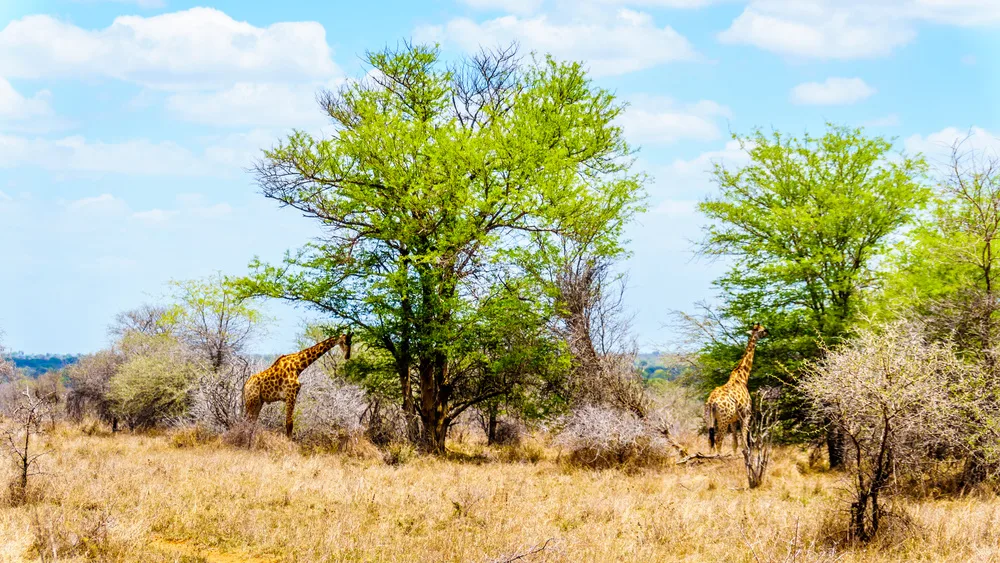
Planning a Multi-Generational Safari
How to plan one safari that works for toddlers, teenagers, parents and grandparents at once — pacing, private guides, family suites, activity choices and health, so every generation has the trip of a lifetime.
A multi-generational safari — grandparents, parents and children sharing the same African adventure — is one of the most rewarding trips a family can take, and one of the trickiest to plan. The magic is real: a grandmother watching her grandchild's face as a herd of elephants crosses the track is worth more than any single sighting. But the needs of a six-year-old, a sixteen-year-old and a seventy-six-year-old pull in different directions, and a good plan holds them together. The secret is not to design for the average traveller in the group but to design for the extremes — the youngest, the oldest and anyone with mobility or health considerations — while leaving room for the more adventurous to stretch their legs. Get the pace, the vehicle, the lodge and the balance of shared and separate time right, and the differences that could cause friction become the very thing that makes the trip special. This guide covers the decisions that matter most: how to pace a trip for mixed ages, why a private vehicle and guide are close to essential, how to choose family-friendly lodges, and how to keep everyone healthy, safe and happy across the generations.
Key things to know
- Design the trip around the youngest and oldest travellers, not the average, then add options for the energetic
- A private vehicle and private guide are the single biggest upgrade for a mixed-age group
- Choose lodges with family units, interconnecting rooms or a private house, plus a pool for downtime
- Check minimum-age policies early; many camps restrict young children on shared game drives
- Balance shared game drives with separate activities so teens and grandparents both thrive
- Build in rest: shorter drives, midday breaks and easy days prevent meltdowns at both ends of the age range
- Consider malaria-free reserves in South Africa for trips with very young children
- Involve kids in planning and give them roles — junior ranger, photographer, navigator — to keep them engaged
Who is coming, and what they need
Before choosing a single park, map the group honestly. Note the youngest child's age and attention span, any grandparent's mobility, dietary needs, medication and how each person copes with heat, early mornings and long transfers. A safari is physically gentle compared with, say, a hiking holiday, but the early starts, bumpy roads and full days in the sun add up, and the extremes of the group will feel them most.
Once you know the constraints, you can pick a destination and style that fits. A family with a toddler and an older grandparent might favour a malaria-free private reserve with short drives and a pool, while a group of active teens and fit sixty-somethings could handle a more ambitious multi-camp route. The goal is a trip where no one is either bored or exhausted — and that always starts with an honest audit of who is actually coming.
- List each traveller's age, mobility, diet and medication needs
- Note who struggles with heat, early starts or long transfers
- Decide whether malaria-free areas are a priority for the youngest
- Match trip ambition to the least mobile and youngest members
- Confirm passports, visas and any vaccination requirements early
Pace and rhythm for mixed ages
Pacing is where multi-generational trips are won or lost. The classic safari rhythm — a dawn game drive, a midday break, an afternoon drive returning after dark — is wonderful for enthusiasts but punishing for small children and some older travellers if repeated day after day. The fix is to soften the edges: shorter drives, a proper siesta, and at least every third day treated as an easy day around the lodge.
Give each area enough nights that you are not packing constantly; three nights per camp is far kinder than one or two. Let the group split when it helps — the keen ones on a long morning drive, the others enjoying a slow breakfast and the pool — and reconvene for shared sundowners. That flexibility, more than any single sighting, is what keeps a mixed-age group happy over a week or two.
- Keep game drives shorter than a keen adult might choose alone
- Protect a real midday rest, especially for children and elders
- Treat roughly every third day as an easy, low-pressure day
- Give each camp three nights to reduce packing and transfers
- Allow the group to split for activities, then reunite for meals
Private vehicles and private guides
If you make one splurge on a multi-generational safari, make it a private vehicle and guide. On a shared game drive, the pace is a compromise: a toddler who needs the loo, a grandparent who tires, or a teenager glued to a leopard while others want to move on can all create tension. A private vehicle removes that friction entirely — you go at your family's pace, stop when you like, and turn back early without apology.
A good private guide is also a brilliant teacher and entertainer, tailoring the day to your group: quizzing the children, discussing conservation with the teenagers, and keeping the pace comfortable for grandparents. Many families find the guide becomes the most memorable part of the trip. The cost is real, but split across a family group it is often more reasonable than it first appears, and the payoff in harmony is enormous.
Choosing family accommodation
Where you sleep shapes a family safari as much as where you drive. Look for lodges and camps with genuine family solutions: two-bedroom family units, interconnecting rooms, or a private villa or house with its own vehicle, guide, chef and pool. A private house is often the sweet spot for larger groups — everyone under one roof, meals on your own schedule, and no worrying about disturbing other guests with excited children.
Check the practicalities carefully. Many camps have minimum-age rules, sometimes twelve for shared drives, and unfenced camps in big-game areas may not suit small children. A pool, shady communal areas and flexible meal times are worth more than you might expect when there are tired children and grandparents to keep comfortable between drives.
- Prioritise two-bedroom family units or interconnecting rooms
- Consider a private house with dedicated vehicle, guide and chef
- Confirm minimum-age policies before you fall in love with a camp
- Value a pool and shaded areas for midday downtime
- Prefer fenced or family-focused lodges for very young children
Activities across the generations
Wildlife drives are the heart of a safari, but a great multi-generational trip weaves in activities that suit different ages and energy levels. Younger children often love a bush walk near camp, learning to identify tracks and dung, or a visit to a local school or village with cultural context. Teenagers frequently come alive with a camera in hand, a guided photography focus, or more adventurous options like canoeing or a walking safari where age limits allow.
Grandparents may treasure the slower pleasures — birdwatching from a hide, a boat cruise, or simply a shady deck overlooking a waterhole where the wildlife comes to them. The art is to offer a menu rather than a fixed schedule, so each generation can opt in and out. A trip that lets a teenager track wild dogs while grandparents watch elephants from the deck, then brings everyone together at dinner to share the day, is one nobody forgets.
- Short bush walks and tracking lessons for younger children
- Photography focus, canoeing or walking safaris for teens
- Birding hides, boat cruises and waterhole decks for grandparents
- Cultural or community visits that engage every age
- Shared sundowners and campfire dinners to swap the day's stories
Health, safety and peace of mind
Health planning matters more when the age range is wide. Consult a travel clinic well ahead about vaccinations and, crucially, malaria prophylaxis suitable for children and older adults; some drugs are not appropriate for the very young, which is one reason malaria-free reserves are popular for families with toddlers. Carry a comprehensive first-aid kit, everyone's regular medication in hand luggage, and make sure your travel insurance covers safari activities and, ideally, medical evacuation.
Safety in camp is mostly common sense, reinforced by the guides: children must never wander unaccompanied, especially in unfenced camps, and everyone should follow the escort rules after dark. Beyond that, protect against the sun and dehydration, which affect the young and old fastest — hats, high-factor sunscreen, and plenty of water on every drive. Get these basics right and the whole group relaxes, which is when the real magic of a shared safari happens.
- Consult a travel clinic about child- and elder-appropriate malaria cover
- Consider malaria-free reserves for trips with toddlers
- Pack a full first-aid kit and all regular medication in hand luggage
- Ensure insurance covers safari activities and medical evacuation
- Enforce sun protection, hydration and after-dark escort rules
References & further reading
- Sinclair, A. R. E., et al. (Eds.) (2015). Serengeti IV. Chicago: University of Chicago Press.
- Estes, R. D. (2012). The Behavior Guide to African Mammals. Berkeley: University of California Press.
- Kingdon, J. (2015). The Kingdon Field Guide to African Mammals (2nd ed.). London: Bloomsbury.
- IUCN (2024). The IUCN Red List of Threatened Species, Version 2024-1. www.iucnredlist.org.
Do it with SafariLingo
Take SafariLingo on safari: 300+ species, real animal calls, offline maps and sighting logs — all in your language, wherever you roam.
Get the appFrequently asked questions
What is the best age to take a child on safari?
There is no single answer, but many families find children of around six and up get the most from it and cope well with the routine. Younger children can absolutely enjoy it, especially in malaria-free reserves with a private vehicle, though some camps set minimum ages for shared drives.
Do we really need a private vehicle and guide?
For a mixed-age group it is close to essential and usually the best money you will spend. It lets you set your own pace, stop for bathroom breaks, turn back when the youngest or oldest tire, and linger when the teenagers are captivated. Split across a family, the cost is often reasonable.
How do we keep young children and grandparents comfortable?
Slow the pace: shorter drives, a real midday rest, easy days and three nights per camp. Choose lodges with a pool and family units, and let the group split for activities. Protect everyone from the sun and heat, which affect the youngest and oldest fastest.
Is a safari safe for grandparents with limited mobility?
Usually yes, because safaris are vehicle-based and physically gentle. Choose lodges with easy access, minimal steps and short transfers, favour a private vehicle, and tell your operator about any mobility needs so they can match camps and activities accordingly.
Should we pick a malaria-free area for a family trip?
It is worth serious consideration if you have very young children, since some malaria drugs are unsuitable for them. Several private reserves in South Africa are malaria-free and family-friendly. Always confirm current advice with a travel clinic rather than relying on general guidance.
Related guides
 Planning & Tips
 Private vs Group Safari Tours: Which Is Right for You?
A clear comparison of private and group safaris — the real cost differences, flexibility, social dynamics and photographic advantages of each — to help you decide which style suits your travel priorities and budget.
 Planning & Tips
 How to Plan a Photographic Safari
A practical guide to planning a photographic safari: private vehicles, hides, chasing the light, longer stays, specialist guides, choosing gear and picking the right destinations for wildlife photography.
 Planning & Tips
 How to Plan a Birding Safari
A practical guide to planning a birding safari: green-season timing, choosing habitat diversity, specialist guides, target lists, sensible pace, combining birds with general game viewing and Africa's top birding regions.