
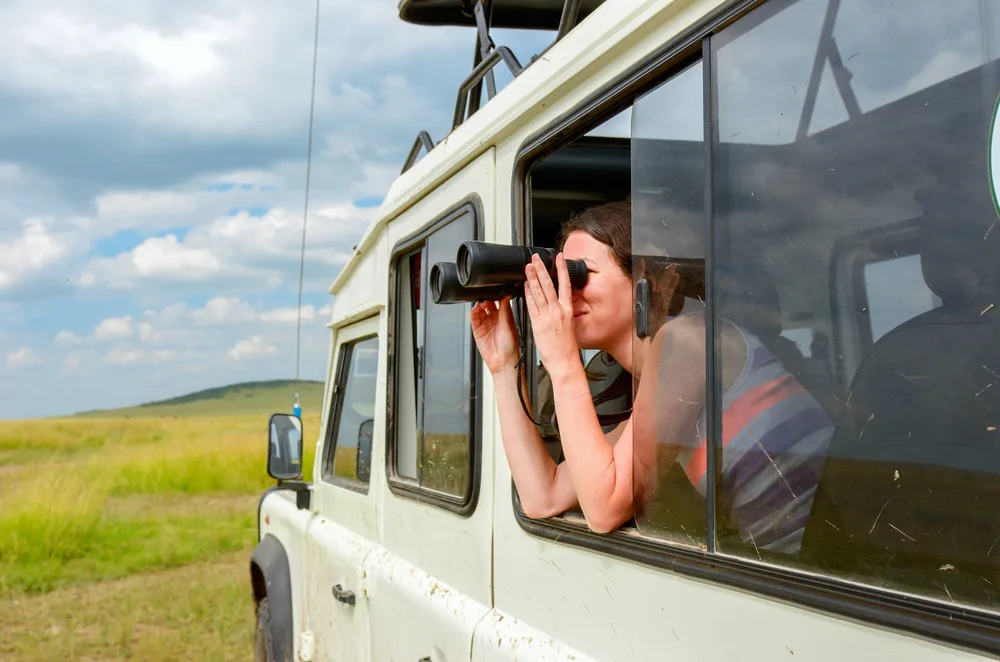
How to Plan a Photographic Safari
A practical guide to planning a photographic safari: private vehicles, hides, chasing the light, longer stays, specialist guides, choosing gear and picking the right destinations for wildlife photography.
A photographic safari is a very different animal from a general game-viewing trip. The goal is not simply to see wildlife but to be in the right place, at the right time, in the right light, for long enough to make images you are proud of. That shift in priorities changes almost everything about how you plan: the vehicle you choose, the guide you travel with, how long you stay, and even which destinations best suit your camera. The good news is that a well-planned photographic safari does not need to be impossibly expensive or technical. It needs the right choices in a few key areas: a vehicle set up for shooting, plenty of time in productive locations, a guide who understands photographers, and gear you actually know how to use. This guide walks through each of those decisions, from private vehicles and hides to light, pacing and destination selection, so you come home with images that match the experience.
Key things to know
- A photographic safari prioritises light, time and position over ticking off species
- A private vehicle gives you control of angle, timing and how long you stay with a sighting
- Hides and water-level photography offer intimate, eye-level images
- Working the golden light at dawn and dusk matters more than covering distance
- Longer stays in fewer camps produce far better results than rushing around
- A specialist photographic guide transforms your keeper rate
- Choose and master your gear before you travel, rather than buying everything new
- Pick destinations that suit your subjects, whether big cats, elephants or birds
Why a private vehicle changes everything
For serious photography, a private vehicle is the single most valuable investment you can make. On a shared game drive you are at the mercy of other guests: someone wants to move on just as the light turns magic, or the driver positions for the best view rather than the best angle. With your own vehicle you decide when to wait, when to reposition, and how long to stay with a sighting, which is exactly the control photography demands.
A good photographic vehicle also has practical features: open sides or a roof hatch for clean sightlines, bean bags or clamps to steady long lenses, room to spread out your gear, and a driver-guide willing to switch off the engine and inch into position. Many camps offer a photographic vehicle as an add-on, and while it costs more, it often makes the difference between snapshots and portfolio images. If the budget is tight, sharing a private vehicle with one or two like-minded photographers is a sensible compromise.
- You control timing, angle and how long you stay
- Open sides or a hatch give clean, unobstructed sightlines
- Bean bags and clamps steady long lenses
- Room to spread gear and shoot from either side
- Sharing with like-minded photographers keeps costs down
Hides and low-angle photography
Some of the most striking wildlife images are made not from a vehicle but from a hide, often at water level. Photographing an elephant or a lion drinking from eye level, rather than looking down from a car, transforms the image, giving intimacy, impact and a clean, low background. A growing number of camps have purpose-built hides, some sunk into the ground at a waterhole, that let you shoot animals almost at their own height.
Hides reward patience above all. You settle in, stay quiet, and let the wildlife come to you, which can mean long stretches of nothing punctuated by extraordinary moments. They are especially powerful for skittish species, for birds, and for behaviour that a vehicle would disturb. If low, intimate images appeal to you, seek out camps known for their hides and be prepared to devote whole sessions to sitting still and waiting for the light and the subject to align.
- Water-level hides give intimate, eye-level images
- A low angle creates a clean, uncluttered background
- Ideal for skittish animals and nervous birds
- Reward patience: long waits, then extraordinary moments
- Seek out camps known for purpose-built hides
Chasing the light
Light is the raw material of photography, and on safari the best light comes in narrow windows at the start and end of the day. The soft, warm, low-angled light around dawn and dusk—the golden hours—flatters wildlife, adds depth and gives the rich colours that harsh midday sun destroys. Planning a photographic safari really means planning around these windows, being out before sunrise and staying out until the last light fades.
This changes your daily rhythm. You accept early starts and late returns, use the flat light of the middle of the day for travel, meals and reviewing images, and treat overcast or stormy skies as opportunities rather than disappointments. Backlight, dust and low sun can turn an ordinary scene into something dramatic, so learn to read the light and position yourself for it. A guide who understands this will put the sun behind you, or deliberately in front for a rim-lit silhouette, at exactly the right moment.
- The golden hours at dawn and dusk give the best light
- Be out before sunrise and stay until last light
- Use harsh midday for travel, meals and reviewing images
- Treat cloud, dust and storms as creative opportunities
- Position for backlight, rim light and dramatic skies
Longer stays and slower pacing
The instinct to see as many parks as possible in one trip is the enemy of good photography. Every time you move camp you lose shooting time to travel and transfers, and you arrive somewhere unfamiliar just as you were starting to understand the last place. Photographers almost always do better by staying longer in fewer locations, learning the area, and returning to productive sightings day after day.
Time also lets you wait for behaviour rather than just documenting presence. A pride of lions may sleep all afternoon, then hunt at dusk; a leopard may take days to relax with your vehicle before offering a clean portrait. Building in enough nights at each camp gives you the margin to be there when it happens, to revisit a den or a waterhole, and to recover from the inevitable day when the light or the luck simply does not come together.
- Moving camp costs valuable shooting time
- Staying longer lets you learn an area and its animals
- Time lets you wait for behaviour, not just presence
- Return to dens and waterholes day after day
- Build in margin for days when luck does not cooperate
Guides, gear and preparation
A specialist photographic guide can transform your results. Beyond finding animals, they understand angles, anticipate behaviour, position the vehicle for the light, and know not to lurch forward at the crucial moment. Some camps employ dedicated photographic guides, and some trips are led by professional photographers who also help with settings and composition in the field, which is invaluable if you are still learning.
On gear, the key is to travel with equipment you know rather than buying everything new the week before. A telephoto zoom in the region of 100–400mm or 200–500mm covers most wildlife, ideally paired with a second body or a wider lens for landscapes and scene-setting shots. Bring more memory cards and battery capacity than you think you need, a means of backing up images each night, and dust protection for changing lenses. Above all, practise with your kit at home so that on safari you can react instinctively when the moment comes.
- A photographic guide understands angles, light and behaviour
- Some trips are led by professional photographers
- Travel with gear you know, not brand-new kit
- A 100–400mm or 200–500mm zoom covers most wildlife
- Bring spare cards, batteries, backups and dust protection
Choosing the right destination
Not every destination suits every photographer, so match the location to your subjects and style. Open, big-sky plains such as the Masai Mara or Serengeti are superb for big cats, dramatic action and the great migration, with room to work the light. Southern African reserves and private concessions often allow off-road driving and night drives, getting you closer and into better positions than public parks.
Think, too, about specific goals. For elephants at close range, the great herds of Botswana's Chobe or Amboseli beneath Kilimanjaro are hard to beat; for leopards, certain private reserves are famous for relaxed, photogenic cats; for birds and water scenes, the Okavango and boat-based safaris excel. Research when your target species are most active or concentrated, factor in the season and the quality of the light, and be honest about what you most want to photograph. A focused destination choice beats trying to shoot everything, everywhere, at once.
- Open plains like the Mara suit big cats and action
- Private concessions often allow off-road and night drives
- Chobe and Amboseli excel for close elephants
- The Okavango and boats are superb for birds and water scenes
- Match season, light and location to your target subjects
References & further reading
- Sinclair, A. R. E., et al. (Eds.) (2015). Serengeti IV. Chicago: University of Chicago Press.
- Estes, R. D. (2012). The Behavior Guide to African Mammals. Berkeley: University of California Press.
- Kingdon, J. (2015). The Kingdon Field Guide to African Mammals (2nd ed.). London: Bloomsbury.
- IUCN (2024). The IUCN Red List of Threatened Species, Version 2024-1. www.iucnredlist.org.
Do it with SafariLingo
Take SafariLingo on safari: 300+ species, real animal calls, offline maps and sighting logs — all in your language, wherever you roam.
Get the appFrequently asked questions
Do I really need a private vehicle for a photographic safari?
It is not strictly essential, but it is the single biggest upgrade for serious photography. A private vehicle lets you control timing, angle and how long you stay with a sighting, rather than compromising with other guests. If the cost is prohibitive, sharing a private vehicle with one or two other keen photographers is an excellent middle ground.
What camera gear should I take on a photographic safari?
Travel with gear you already know rather than buying everything new. A telephoto zoom around 100–400mm or 200–500mm covers most wildlife, ideally with a second body or a wider lens for landscapes. Bring plenty of memory cards and batteries, a way to back up images each night, and dust protection, and practise with your kit before you go.
When is the best light for wildlife photography on safari?
The golden hours around dawn and dusk give the softest, warmest and most flattering light, which is why photographic safaris are built around being out early and staying out late. The harsh light in the middle of the day is best used for travel, meals and reviewing images, though cloud, dust and storms can create dramatic conditions at any time.
How long should a photographic safari be?
Longer and slower almost always beats short and rushed. Rather than hopping between many parks, spend several nights in each of a small number of productive camps so you can learn the area, wait for behaviour and return to good sightings. Many photographers aim for three to four nights minimum per location, within a trip of a week or more.
Are hides worth it for photography?
For intimate, eye-level images they are outstanding. A water-level hide lets you photograph animals almost at their own height, with a clean background and real impact, and is especially good for skittish species and birds. Hides reward patience, so be prepared to devote whole sessions to sitting quietly and waiting for the subject and the light to come together.
Related guides
 Planning & Tips
 How to Plan a Birding Safari
A practical guide to planning a birding safari: green-season timing, choosing habitat diversity, specialist guides, target lists, sensible pace, combining birds with general game viewing and Africa's top birding regions.
 Planning & Tips
 How to Read a Safari Quote
A practical guide to decoding a safari quote line by line: per-person-per-night pricing, what is and isn't included, park fees, internal flights, single supplements and conservation levies, so you can compare operators fairly and avoid nasty surprises.
 Planning & Tips
 When to Book Your Safari
A practical timeline for booking a safari: why premier camps and permits go months ahead, how deposits and cancellation terms work, when early-bird rates beat last-minute deals, and how to secure high-demand windows without overpaying.