
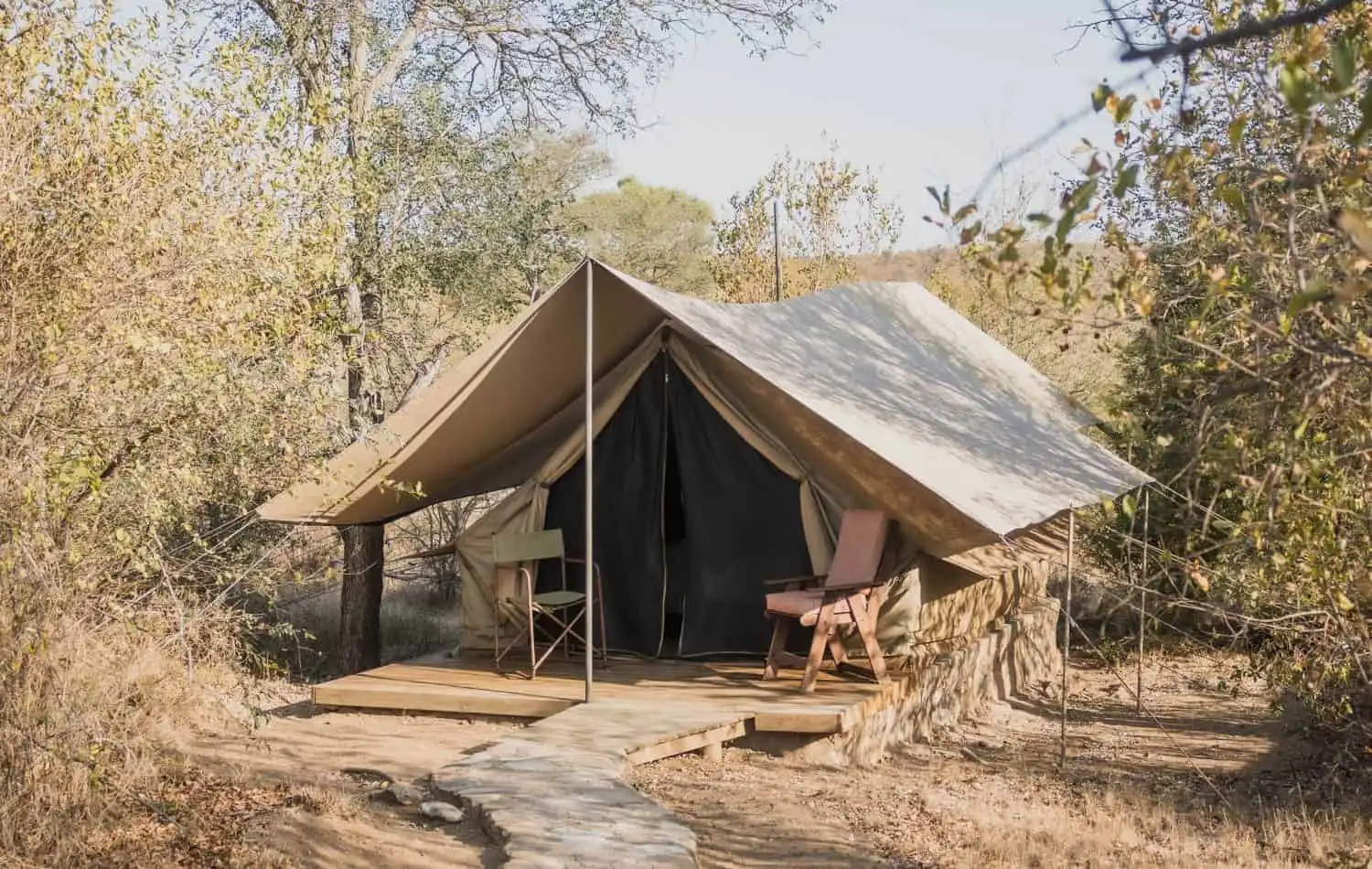
Fly-In vs Driving Safari: Which Is Right for You?
A practical comparison of fly-in and road (driving) safaris — cost, time saved, luggage limits, scenery, remoteness and comfort — to help you choose the right style for your trip.
One of the first big decisions when planning a safari is how you'll actually move between camps and parks: by light aircraft (a fly-in safari) or by road in a safari vehicle (a driving, or overland, safari). It sounds like a logistical detail, but it shapes almost everything about your trip — the cost, the pace, how much you see along the way, how remote you can go, and even how much luggage you can bring. There is no single right answer. A fly-in safari trades money for time and comfort, whisking you over long, rough transfers to reach remote camps quickly. A driving safari trades time for cost and continuity, letting you watch the landscape change, stop wherever wildlife appears, and keep the same guide throughout. Many of the best trips combine both. This guide compares the two styles across the factors that matter most — cost, time, luggage, scenery, remoteness and comfort — and explains which suits different kinds of travellers, itineraries and destinations, so you can make the choice with your eyes open.
Key things to know
- A fly-in safari uses light aircraft to hop between airstrips; a driving safari uses a road vehicle for transfers and game drives.
- Flying saves hours or whole days on long, rough transfers and is often the only practical way to reach truly remote camps.
- Driving is usually cheaper, keeps the same guide throughout, and lets you watch the landscape change and stop for wildlife en route.
- Light aircraft enforce strict luggage limits — often around 15 kg in soft bags — while vehicles are far more forgiving.
- Fly-in suits short trips, remote camps and travellers who dislike long drives; driving suits budgets, families and scenery lovers.
- Small planes are subject to weather and schedules, and very light travellers may find them bumpy; motion-sensitive guests should plan accordingly.
- Many itineraries are hybrids: drive the nearby parks, then fly the long leg to a remote area to save a full day.
- Match the choice to your priorities — time and reach versus cost and continuity — rather than assuming one is simply 'better'.
What each style actually means
A fly-in safari means you travel between destinations by light aircraft, typically small turboprops seating a handful of passengers, landing on modest bush airstrips near each camp. Once on the ground, the camp's own vehicles and guides handle your game drives. Your days are built around short flights and local drives rather than long point-to-point road journeys.
A driving safari — sometimes called an overland or road safari — means a safari vehicle carries you the whole way, both between parks and on game drives, usually with the same guide throughout. You cover ground at road speed, which means you see the country change, pass through towns and villages, and can stop whenever something interesting appears. The two styles aren't mutually exclusive: plenty of itineraries drive the shorter, scenic legs and fly the long, tedious ones, blending the strengths of both.
- Fly-in: light aircraft between airstrips; camp vehicles handle game drives.
- Driving: one vehicle and guide for both transfers and game drives.
- Hybrid: drive the short, scenic legs and fly the long, dull ones.
- Your daily rhythm differs — short flights versus longer road journeys.
Cost, time and luggage
These three practical factors often decide the question. On cost, driving is usually the more affordable option, especially for families or small groups sharing one vehicle, because you aren't paying per-seat airfares on multiple flights. Flying carries a clear premium, though it can be surprisingly competitive over very long distances where days of driving would otherwise be needed.
On time, flying wins decisively: a transfer that takes most of a day by road may take under an hour by air, buying you extra game-viewing time or a shorter overall trip. On luggage, light aircraft impose strict limits — commonly around 15 kilograms per person, in soft-sided bags that fit small holds — whereas a vehicle can swallow hard cases and extra gear with ease. If you're carrying heavy camera equipment or travelling for weeks, weigh this carefully; you may need to pack light or arrange excess-baggage seats.
- Cost: driving is usually cheaper, especially for families sharing a vehicle.
- Time: flying can turn a full day's transfer into under an hour.
- Luggage: aircraft often cap you near 15 kg in soft bags; vehicles are forgiving.
- Heavy camera kit or long trips may make luggage limits a deciding factor.
Scenery, remoteness and the journey itself
Part of the romance of a safari is the journey, and here the two styles differ sharply. Driving lets you experience the landscape as a continuous story — savannah giving way to hills, rivers, farmland and villages — and you can pause for a roadside elephant or a spontaneous picnic. Some travellers treasure this sense of connection to the country and its people, which flying inevitably skips over.
Flying, on the other hand, opens up remoteness that roads simply can't reach in reasonable time. Many of the wildest, least-crowded camps — in vast deltas, remote conservancies or far-flung reserves — are practical only by air. From above you also gain a breathtaking perspective on the scale of the wilderness, watching herds, waterways and endless plains unfold beneath you. If reaching genuinely remote, exclusive areas matters to you, flying is often not a luxury but a necessity.
- Driving: the landscape as a continuous story, with roadside stops.
- Flying: reaches remote camps that roads can't in reasonable time.
- Aerial views reveal the scale of deltas, plains and waterways.
- Choose by whether the journey or the destination matters more to you.
Comfort, weather and who should be cautious
Comfort cuts both ways. Long drives on rough, corrugated roads can be tiring and dusty, hard on backs and patience over many hours, which is why some travellers dread them. But small planes have their own considerations: they are subject to weather delays, fly to fixed schedules that shape your day, and can be bumpy in the heat of the day. Nervous flyers or those prone to motion sickness should factor this in and consider timing flights for the calmer early morning.
Think honestly about your own tolerances and needs. Older travellers, those with back problems, or anyone who simply can't face hours of jolting roads may find flying transforms the trip. Conversely, families with young children, very budget-conscious travellers, or people who feel anxious in small aircraft may be far happier on the ground. There's no shame in either preference — the goal is a trip you actually enjoy, so be honest about what will make or break your comfort.
- Long road transfers can be dusty, bumpy and tiring over many hours.
- Small planes face weather delays and fixed schedules, and can be bumpy midday.
- Nervous flyers should consider calmer early-morning flights.
- Match the choice to age, health, budget and comfort in small aircraft.
Which should you choose?
Choose a fly-in safari if your time is limited, your itinerary includes genuinely remote camps, you dislike long drives, or you're combining far-apart regions where road transfers would eat whole days. It's the natural choice for short, high-end trips where every hour on safari counts and reaching exclusive wilderness is the point.
Choose a driving safari if budget is a priority, you're travelling as a family or small group, you love watching the landscape unfold, or you want continuity with a single guide who gets to know you over the trip. And don't overlook the hybrid: for many classic circuits, the smartest plan is to drive the shorter, scenic and wildlife-rich legs while flying the one or two long, dull transfers. Start from your priorities — time, cost, comfort and reach — and the right mix usually becomes clear.
- Fly-in: limited time, remote camps, far-apart regions, dislike of long drives.
- Driving: tighter budget, families, love of scenery, continuity with one guide.
- Hybrid: drive short scenic legs, fly the long dull ones — often the smartest plan.
- Decide from your priorities rather than assuming one style is simply better.
References & further reading
- Sinclair, A. R. E., et al. (Eds.) (2015). Serengeti IV. Chicago: University of Chicago Press.
- Estes, R. D. (2012). The Behavior Guide to African Mammals. Berkeley: University of California Press.
- Kingdon, J. (2015). The Kingdon Field Guide to African Mammals (2nd ed.). London: Bloomsbury.
- IUCN (2024). The IUCN Red List of Threatened Species, Version 2024-1. www.iucnredlist.org.
Do it with SafariLingo
Take SafariLingo on safari: 300+ species, real animal calls, offline maps and sighting logs — all in your language, wherever you roam.
Get the appFrequently asked questions
Is a fly-in safari always more expensive than driving?
Usually, yes — flying carries a per-seat premium, especially for families or groups who could share one vehicle. But over very long distances, where driving would take days and require extra nights en route, flying can be surprisingly competitive. Compare the full cost, including time and any accommodation saved, rather than just the transfer price.
How strict are the luggage limits on light aircraft?
Quite strict. Light aircraft commonly cap luggage around 15 kilograms per person, and require soft-sided bags that fit small holds rather than hard suitcases. If you carry heavy camera gear or travel for weeks, this can be a real constraint — you may need to pack light, use soft bags, or pay for an extra baggage seat.
I get motion sickness — should I avoid fly-in safaris?
Not necessarily, but plan for it. Small planes can be bumpy in the heat of the day, so ask to schedule flights for the calmer early morning and bring appropriate remedies. That said, if flying makes you very anxious, a driving safari with the same guide throughout may simply be more enjoyable for you — there's no wrong choice.
Can I combine flying and driving on one trip?
Absolutely, and many of the best itineraries do. A common hybrid is to drive the shorter, scenic, wildlife-rich legs — where the journey itself is rewarding — and fly the one or two long, tedious transfers that would otherwise waste a day. This blends the cost and continuity of driving with the time savings and reach of flying.
Which is better for reaching remote camps?
Flying, in most cases. Many of the wildest, least-crowded camps in vast deltas, remote conservancies or far-flung reserves are only practical to reach by light aircraft; driving there would take a day or more of rough road, if it's possible at all. If your itinerary is built around genuinely remote, exclusive areas, flying is often a necessity rather than a luxury.
Related guides
 Planning & Tips
 How to Avoid Safari Burnout
Practical strategies to stay fresh and enthusiastic on a multi-day safari: pacing your itinerary, embracing early starts and midday rest, balancing activities, taking downtime at camp, and managing expectations.
 Planning & Tips
 Understanding Safari Seasons
How the dry season, green season and shoulder months shape wildlife viewing, prices and photography — and how to pick the right time for the safari you want.
 Planning & Tips
 Planning a Safari Around the Migration
How to time and position a safari for the great wildebeest migration: month-by-month herd movements, booking windows, camp placement, river-crossing luck and how to avoid disappointment.