
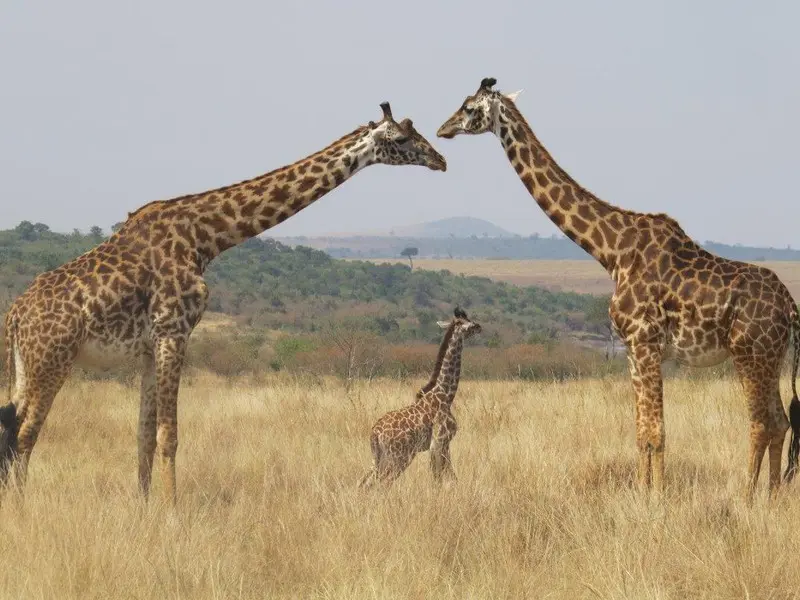
The Best Time of Day for Game Drives
When to go on game drives for the best wildlife viewing: why dawn and dusk win, what midday and night offer, and how to plan your safari day around the light and the animals.
Ask any guide when the wildlife is at its best and the answer is always the same: the cool edges of the day. The hours around dawn and dusk are when animals move, feed and hunt, and when the low golden light transforms both the viewing and the photography. The blazing middle of the day, by contrast, sends most creatures into the shade to wait out the heat. Understanding this daily rhythm is one of the simplest ways to see more on safari. This guide explains why dawn and dusk are prime, what the midday lull is genuinely good for, how to structure your safari day, and how night drives and the shifting seasons change the picture. It is less about the clock than about the animals. Indeed the clock is only a rough guide, because the animals keep their own schedule, tuned to temperature, light, water and the movements of predators. Learn to read that rhythm and you stop chasing sightings and start anticipating them, arriving where the action will be rather than where it has just been.
Key things to know
- Early morning and late afternoon are the prime game-viewing hours.
- Animals are most active in the cool of dawn and dusk.
- Low, golden light is best for both watching and photography.
- Midday is hot and quiet: a time for rest, birding and scouting.
- Night drives, where allowed, reveal a whole nocturnal cast.
- Get out for first light; the earliest vehicles get the freshest sightings.
- Season and latitude shift sunrise, sunset and animal activity.
- Plan around the animals' rhythm, not around a lie-in.
Why dawn and dusk win
In the cool of early morning and late afternoon, the bush comes alive. Predators that hunted or rested overnight are still active, grazers and browsers feed before and after the heat, and the whole cast is on the move between water, feeding grounds and shade. Being in the field for first and last light puts you exactly where the action is most likely to unfold.
The light seals the deal. The low, warm, directional sun of the golden hours sculpts animals, glows through dust and grass and puts a catchlight in the eye, while sparing you the flat, harsh glare of midday. This is why morning drives start before sunrise and afternoon drives run until dusk: guides are chasing both the activity and the light at once.
- Predators are still active early; grazers feed at both ends of the day
- Animals move between water, food and shade in the cool hours
- Golden, low-angle light flatters both watching and photography
- Cooler, clearer air gives better views before heat haze builds
- Morning drives start pre-dawn; afternoon drives run to dusk
What midday is really good for
As the sun climbs and the heat builds, most animals do the sensible thing and rest in shade, becoming still and hard to spot. It is the quietest stretch for general game viewing, which is exactly why most camps break for a long midday rest: a leisurely brunch, a siesta through the worst heat, time to review photos or cool off in a pool.
Midday is not wasted, though. It is ideal for catching up on sleep before another early start, for birding around camp, and for slow scouting to basking reptiles, cats flopped in the shade and steady waterhole activity. Some full-day drives with a picnic lunch make real sense in large parks or during special events such as a river crossing, but as a rule the middle of the day is for recharging.
- Rest and recharge before the next early start
- Birding and photographing reptiles around camp
- Scouting waterholes and shaded, resting cats
- Reviewing and backing up the morning's photos
- Full-day drives with a picnic for big parks or migration events
Night drives and the nocturnal shift
Where they are permitted, usually in private conservancies and some reserves rather than national parks, night drives open a completely different world. A spotlight sweeps the bush for eye-shine and reveals a cast of species you would simply never meet by day.
Nocturnal and crepuscular animals take over after dark: genets, civets, servals, bushbabies, aardvark, porcupines and the big cats that often prefer to hunt in the cool. Good guides use a red or filtered light to reduce disturbance, keep the beam off animals' eyes for long and never spotlight to help a predator hunt. Dress warmly, because open vehicles lose heat fast once the sun is down.
- Genets, civets, servals and other small nocturnal hunters
- Bushbabies, aardvark and porcupines, rarely seen by day
- Big cats frequently hunt in the cool of night
- Filtered light and brief beams reduce disturbance
- Dress warm: open vehicles chill quickly after dark
Building the classic safari day
The classic safari day is built around the light and the wildlife: out before dawn for the morning drive, back to camp for brunch and a rest through the heat, then out again in the late afternoon until dusk, often with a sundowner drink as the sun sets. It is a rhythm honed over decades precisely because it works.
Be out for first light, when the earliest vehicles have the roads, the light and the freshest sightings largely to themselves, and stay out late rather than heading back early. Carry water, a warm layer for the cold start and a few snacks. Where night drives are permitted they add a whole extra dimension, so plan your days around when the animals are active rather than around a comfortable lie-in.
How season and region change the timing
The daily rhythm holds everywhere, but the clock shifts. Near the equator, in Kenya and Tanzania, sunrise and sunset barely move through the year and fall around six o'clock, so drives are early and evenings come quickly. Further south, in Botswana, Zambia, Zimbabwe and South Africa, day length swings with the seasons, so summer dawns arrive very early while winter mornings can be bitterly cold.
Season also reshapes behaviour. In the dry months animals concentrate at shrinking water and the midday lull is pronounced; in the green season, cooler and cloudier days can keep animals active for longer and soften the usual pattern. Ask your guide about local sunrise and sunset and about recent sightings, and stay flexible, because a cool, overcast morning can extend prime time well beyond the usual window.
Getting the most from every hour
The travellers who see the most are simply out when the animals are, and patient once they arrive. Resist the urge to rush from sighting to sighting; sitting quietly with a relaxed pride or a herd drinking at water often rewards you with the very behaviour everyone else has just driven past.
Trust your guide's reading of tracks, alarm calls and movement, tell them clearly what you most hope to see, and have your camera and binoculars ready before you reach a sighting rather than fumbling as it happens. Layer your clothing for the cold start and the climbing heat, and carry water and patience in equal measure, because the best moments rarely arrive on schedule.
- Be out for first light and stay until the last
- Sit patiently at good sightings rather than rushing on
- Tell your guide your priorities and trust their bush-craft
- Have camera and binoculars ready before you arrive
- Layer up for cold dawns and warming middays
References & further reading
- Sinclair, A. R. E., et al. (Eds.) (2015). Serengeti IV. Chicago: University of Chicago Press.
- Estes, R. D. (2012). The Behavior Guide to African Mammals. Berkeley: University of California Press.
- Kingdon, J. (2015). The Kingdon Field Guide to African Mammals (2nd ed.). London: Bloomsbury.
- IUCN (2024). The IUCN Red List of Threatened Species, Version 2024-1. www.iucnredlist.org.
Do it with SafariLingo
Take SafariLingo on safari: 500+ species, real animal calls, offline maps and sighting logs — all in your language, wherever you roam.
Get the appFrequently asked questions
What time of day is best for a game drive?
The first hours after dawn and the last before dusk, when animals are most active and the light is soft and warm. Being out for first and last light consistently delivers the best sightings and the best photography, so most memorable moments happen at the cool edges of the day.
Why do game drives start so early?
Because wildlife is most active in the cool of dawn, and the low golden light is ideal for viewing and photography. The early start puts you in the field while animals are still moving, before the building heat sends them into the shade for the middle of the day.
Is it worth going out in the middle of the day?
Usually not for general game viewing, since most animals rest in shade and it is hot and quiet. Midday is better spent resting, birding and scouting, though full-day drives with a picnic can pay off in large parks or during special events like a migration crossing.
Are night drives worth it?
Yes, where they are permitted. Night drives reveal nocturnal species you would never see by day, from genets and servals to hunting cats, using a spotlight to catch eye-shine. They are usually offered in private conservancies rather than national parks, so check what your area allows.
Does the best time change by season?
Yes. Sunrise and sunset shift through the year, especially away from the equator, and the dry season sharpens the midday lull as animals crowd the remaining water. Cool, cloudy days can keep wildlife active longer, so always ask your guide about local timing and recent movement.
Related guides
 Planning & Tips
 Staying Safe on an African Safari
How to stay safe on an African safari, with practical guidance on wildlife behaviour, unfenced camps, road transfers, health precautions and everyday travel judgement.
 Planning & Tips
 Solo Travel on Safari
A practical, expert guide to solo travel on safari — safety, the single supplement, meeting fellow travellers, choosing sociable versus remote camps, and the trip styles that suit going alone.
Planning & Tips 15 Essential Swahili Phrases for Safari
Fifteen essential Swahili phrases for safari, from greetings and courtesies to animal names, numbers and market talk, with pronunciation tips to help you connect with local people.