
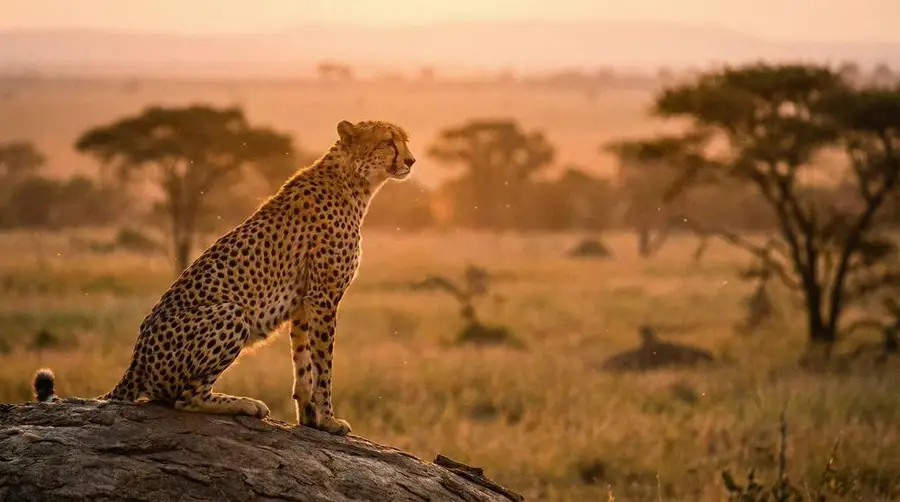
Staying Safe on an African Safari
How to stay safe on an African safari, with practical guidance on wildlife behaviour, unfenced camps, road transfers, health precautions and everyday travel judgement.
Safari is far safer than many first-time travellers imagine, but it is not a theme park. The animals are genuinely wild, the distances are long, medical help can be far away, and good safety comes from calm habits repeated every day. The aim is not to be fearful; it is to understand where the real risks sit and to let professional guides manage the bush while you make sensible choices. Most safari incidents are not caused by bad luck or aggressive animals. They usually come from standing up at a sighting, walking alone after dark, rushing on rough roads, ignoring heat and dehydration, or treating a remote camp like a city hotel. Follow your guide, respect camp rules, choose careful operators, prepare your health documents and insurance, and the odds are strongly in your favour.
Key things to know
- Treat your guide's instructions as safety rules, not suggestions.
- Stay seated inside the vehicle and keep arms, cameras and voices controlled at sightings.
- On walking safaris, remain behind the guide, in single file, and respond instantly to instructions.
- Unfenced camps are safe when you use escorts after dark, zip tents and never store food inside.
- Road transfers are often the most serious practical risk, so avoid rushed schedules and unreliable vehicles.
- Prepare for heat, sun, dehydration, insects and malaria risk with advice from a travel clinic.
- Carry insurance that covers remote areas and medical evacuation, not only ordinary trip cancellation.
- Use normal travel sense in towns and airports: secure documents, avoid displaying valuables and use reputable transport.
Wildlife safety in the vehicle
The safari vehicle is your safe space because animals generally read it as one large, familiar shape rather than as several vulnerable people. That protection depends on everyone keeping the outline calm and predictable. Stay seated, keep limbs inside, avoid sudden movement, speak quietly and let the guide position the vehicle. A lion beside the wheel, an elephant crossing the track or a leopard in a tree may feel close enough to touch, but the safest response is stillness.
Never stand for a better photograph unless the guide explicitly says it is safe, and do not lean out with a phone or long lens when an animal is close. Elephants may react to pressure at close range, buffalo can be unpredictable, hippos are dangerous away from water, and predators deserve space even when they look relaxed. A good guide watches ears, tail, posture, feeding behaviour, wind direction and escape routes long before guests notice tension.
- Stay seated and keep your head, arms and camera inside the vehicle line.
- Keep voices low and avoid clapping, whistling or calling to animals.
- Do not pressure the guide to move closer when an animal is blocked, feeding or with young.
- Never feed wildlife or throw food scraps from the vehicle.
- Let the guide decide when to leave a sighting that is becoming crowded or tense.
Safety on walking safaris and around large animals
A walking safari is one of Africa's finest experiences because it changes the scale of everything: tracks, wind, alarm calls and dung become as important as big sightings. It is also the setting where discipline matters most. Walk in single file behind the lead guide, keep conversation low, do not wander for a photograph, and stop when the guide stops. The guide may carry a rifle in some countries, but the real safety tools are knowledge, spacing, wind awareness and avoiding surprise encounters.
If an animal is seen, your job is not to interpret the situation independently. Do exactly what the guide says, whether that means standing still, backing away slowly, grouping together or moving behind cover. Never run unless told; running can trigger pursuit or separate the group. Give elephants, buffalo, rhino, hippo and mothers with young particular respect, and remember that a quiet retreat is usually the best outcome on foot.
Unfenced camps, tents and night routines
Many of the best safari camps are unfenced, especially in private concessions, the Okavango Delta, parts of the Serengeti and remote river systems. Animals may pass through camp at night: hippos grazing, elephants feeding, hyenas patrolling, genets hunting insects or lions moving silently along a drainage line. This is part of the privilege of being in wild country, and it is safe when the camp's routine is followed without improvising.
Listen carefully to the arrival briefing because rules differ by property and season. Use the radio, whistle or escort system after dark, keep your tent zipped, close doors properly, and do not leave snacks, fruit or scented food waste in your room. A canvas tent is accommodation, not a barrier you should test. If you hear animals outside, stay inside, enjoy the sound, and call staff if you need help.
- Accept an escort after dark even if the dining tent seems close.
- Keep tents, mesh doors and bathroom zips closed whenever you are not passing through.
- Store no food in the tent, including biscuits, fruit, sweets and children's snacks.
- Use a torch at night, but do not walk around camp alone to investigate sounds.
- Ask staff where shoes, laundry and toiletries should be kept to avoid animals and insects.
Road, airstrip and transfer risks
The risk many travellers underestimate is not a lion; it is the road. Transfers can involve gravel tracks, livestock, pedestrians, potholes, dust, rain, night driving, tired drivers and long distances between parks. In East Africa, a drive between reserves may be part of the adventure, while in Southern Africa remote camps often rely on light aircraft and short game-drive transfers from bush airstrips. Both are routine when handled by professional operators, but neither should be rushed.
Choose companies known for well-maintained vehicles, sensible timing and drivers who do not race to satisfy an unrealistic itinerary. Wear a seatbelt where fitted, keep luggage secured, and avoid scheduling tight same-day international connections after long dirt-road transfers. Around airstrips, listen to staff, stay clear of propellers, and respect strict luggage limits on small aircraft. Safety often begins at the planning stage, not when something goes wrong.
Health, climate and personal preparation
Safari health planning is mostly about preventing ordinary problems from becoming serious in a remote place. Speak to a travel clinic well before departure about vaccines, malaria prevention where relevant and personal medical concerns. Carry your usual medicines in hand luggage with prescriptions, bring a small kit for stomach upset, blisters, minor cuts and allergies, and make sure your insurance covers remote treatment and medical evacuation. Do not rely on a distant lodge shop to have what you need.
Heat, sun and dehydration affect travellers more often than dramatic wildlife encounters. Wear a hat, use high-SPF sunscreen, drink safe water regularly and pace alcohol intake, especially at altitude or in very dry areas. In tsetse or mosquito zones, use repellent, cover ankles and wrists at dawn and dusk, and follow local advice about clothing colours and tent screens. If you feel unwell, tell your guide early; guides would rather adjust a plan than manage a preventable emergency.
- Consult a travel clinic and official health advice for your exact countries and season.
- Pack prescription medicines, spare doses and basic first-aid items in carry-on luggage.
- Use sunscreen, sunglasses, a brimmed hat and regular water breaks.
- Follow malaria and insect-bite precautions where recommended.
- Buy insurance that explicitly covers safari regions, evacuation and planned activities.
Everyday judgement in towns, borders and remote areas
Safari safety also includes the ordinary travel sense you would use anywhere, adapted to a journey with remote legs. Keep passports, cash and cards secure; carry digital and paper copies of key documents; use reputable taxis or lodge transfers; and avoid displaying expensive jewellery, phones or camera equipment in crowded areas. In cities such as Nairobi, Arusha, Johannesburg, Windhoek or Maun, most travellers move around safely, but casual awareness is still important.
Respect local laws and conservation rules. Drone use is restricted or banned in many parks, border requirements can change, and some medications need documentation. Tell someone if you leave the lodge property, avoid swimming in rivers or lakes unless staff confirm it is safe, and never treat a remote landscape as empty simply because it looks quiet. Good judgement is not about anxiety; it is what lets the safari feel relaxed, generous and alive.
References & further reading
- Sinclair, A. R. E., et al. (Eds.) (2015). Serengeti IV. Chicago: University of Chicago Press.
- Estes, R. D. (2012). The Behavior Guide to African Mammals. Berkeley: University of California Press.
- Kingdon, J. (2015). The Kingdon Field Guide to African Mammals (2nd ed.). London: Bloomsbury.
- IUCN (2024). The IUCN Red List of Threatened Species, Version 2024-1. www.iucnredlist.org.
Do it with SafariLingo
Take SafariLingo on safari: 500+ species, real animal calls, offline maps and sighting logs — all in your language, wherever you roam.
Get the appFrequently asked questions
Is going on safari dangerous?
A professionally guided safari is generally very safe when travellers follow instructions. Wildlife is managed through distance, behaviour and expert guiding, while the bigger everyday risks are road travel, heat, dehydration and health preparation.
Is it safe to stay in an unfenced camp?
Yes, unfenced camps operate safely by using clear night routines. Accept escorts after dark, keep tents zipped, store no food inside and never wander alone to investigate noises.
What is the biggest safety risk on safari?
For many itineraries, road travel is the most significant practical risk. Long drives on rough or busy roads, poor visibility and rushed schedules are more concerning than wildlife when animals are respected properly.
What should I do if an animal approaches the vehicle?
Stay seated, quiet and still, and follow your guide's instructions exactly. Animals usually treat a calm vehicle as harmless, but standing, leaning out or reacting abruptly can change the situation.
Do I need special insurance for safari?
You should have insurance that covers the countries visited, remote areas, medical treatment and evacuation, plus activities such as walking safaris if included. Read the wording carefully because basic travel policies may not cover evacuation from a remote concession.
Related guides
 Planning & Tips
 Accessible Safaris for Travellers with Disabilities
A practical guide to accessible safaris for travellers with disabilities: what is genuinely possible, how to choose accessible camps and adapted vehicles, and how to plan a comfortable, safe trip.
 Planning & Tips
 Reading Animal Tracks and Signs
Learn how safari guides read footprints, dung, feeding sign and other bush clues to identify species, judge freshness, and predict where animals are headed.
 Planning & Tips
 Safari with a Smartphone Only
A realistic, field-tested guide to enjoying and photographing a safari using only a smartphone: what phones do well, how to shoot better in a vehicle, battery and storage planning, and the best offline apps.