
Useful Swahili for Wildlife Watching
Useful Swahili words for wildlife watching on safari, from animal names and habitats to tracking, directions and polite ways to learn from your guide in East Africa.
Learning a little Swahili on safari is not about performing for anyone; it is about hearing the landscape more clearly. In Tanzania, Kenya and parts of the wider East African safari circuit, guides move naturally between English, Swahili and local languages, while radio calls may mention simba, chui, tembo or nyati long before the vehicle reaches the sighting. A few words let you follow the story as it unfolds rather than waiting for a full translation. The best words are the ones tied to real moments: a leopard draped in a mti, elephant tracks in dust, a guide whispering angalia as a cheetah lifts its head. Swahili names also reveal how people describe animals, places and behaviour; punda milia, the zebra, literally evokes a striped donkey. Use this guide as a field vocabulary, then ask your guide to refine pronunciation, local usage and extra names as you travel.
Key things to know
- Start with common animal names because guides and radios use them constantly.
- Simba, chui, duma, tembo or ndovu, kifaru and nyati cover many headline sightings.
- Habitat words such as maji, mto, ziwa, mti, nyasi and pori add context to what the guide is reading.
- Direction words like kushoto, kulia, mbele and nyuma help you locate animals faster in the vehicle.
- Tracking words such as nyayo and kinyesi open a window into how guides interpret signs before seeing an animal.
- Pronunciation matters less than respectful effort; ask, repeat and let your guide correct you.
- Swahili varies by region, and some guides may also use Maa, local Bantu languages or English radio shorthand.
- An offline field-guide app or notebook helps reinforce names when there is no signal in camp or on game drives.
Animal names you will hear first
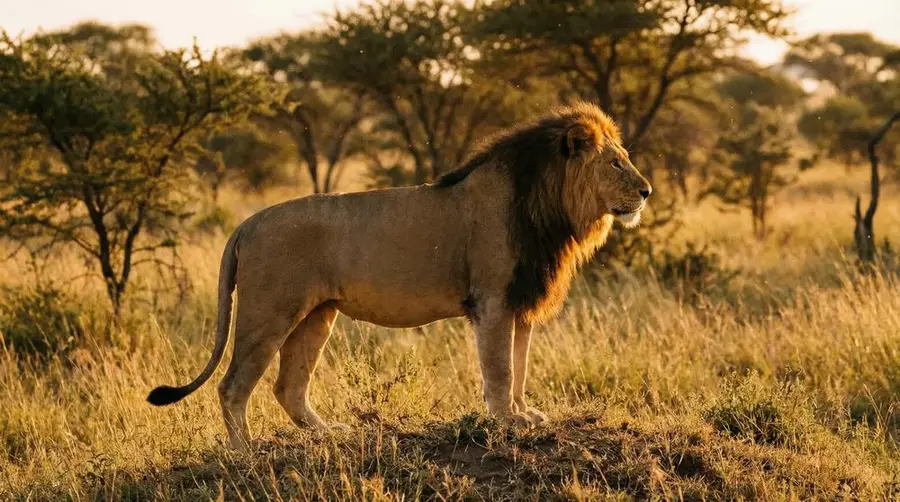
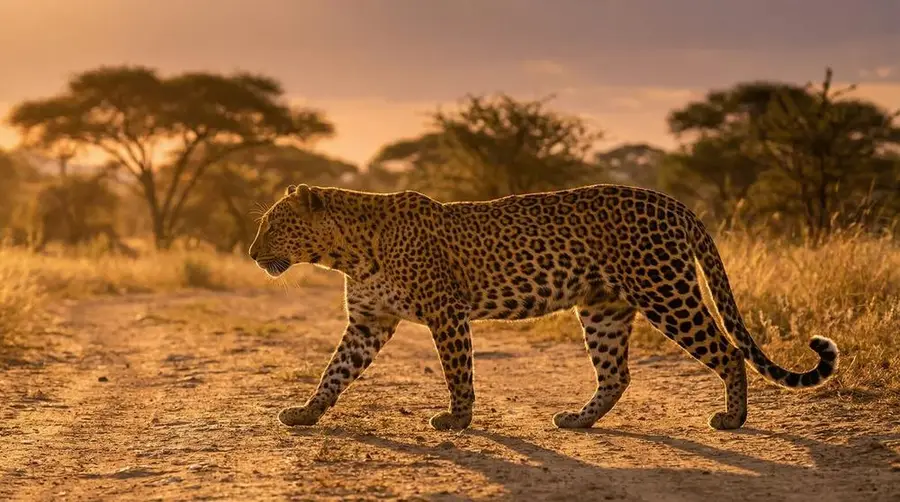
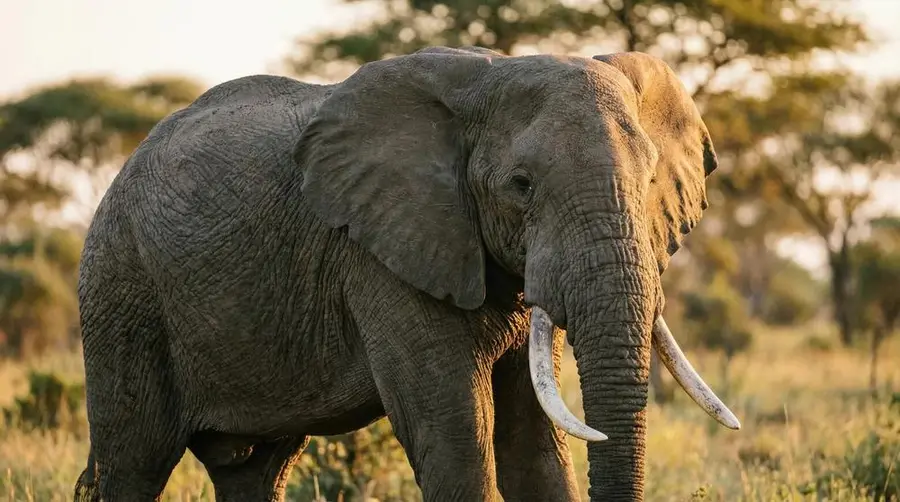
Animal names are the most rewarding Swahili because they attach instantly to memorable sightings. Begin with the big cats and large mammals: simba for lion, chui for leopard, duma for cheetah, tembo or ndovu for elephant, kifaru for rhino and nyati for buffalo. Add twiga for giraffe, kiboko for hippo, punda milia for zebra, fisi for hyena, nyumbu for wildebeest and mamba for crocodile. These words are common enough that you may hear them on the radio, between guides at a gate, or in quiet conversation when your guide confirms a sighting.
Do not treat the list as a trophy checklist. The joy is in hearing how language sharpens attention: a guide may distinguish a general antelope, swala, from a specific species in English, or point out ndege for birds before naming a lilac-breasted roller or fish eagle. When a word has a literal meaning, ask about it; punda milia is famous, but many names carry stories, comparisons or regional flavour.
- Simba: lion; chui: leopard; duma: cheetah
- Tembo or ndovu: elephant; kifaru: rhino; nyati: buffalo
- Twiga: giraffe; kiboko: hippo; punda milia: zebra
- Fisi: hyena; nyumbu: wildebeest; mamba: crocodile
- Ndege: bird; swala or paa: antelope or gazelle in broad use
Habitats, water and the language of place
Wildlife watching is really habitat reading, so place words are as useful as animal names. Maji means water, mto is a river, ziwa a lake, bwawa a pond or dam, mti a tree, nyasi grass and pori the bush or wild country. If your guide says a leopard is in the mti near the mto, you already know where to look before a full explanation arrives.
These words also help you understand why animals are where they are. In the dry months, water points and riverine woodland concentrate elephants, buffalo and predators. After rain, fresh grass pulls grazers into open plains and predators follow. Swahili will not replace ecology, but it gives you a practical shorthand for the daily pattern of water, shade, grass and cover.
- Maji: water; mto: river; ziwa: lake
- Mti: tree; msitu: forest or woodland; kivuli: shade
- Nyasi: grass; uwanda: plain or open area; pori: bush or wilderness
- Mlima: hill or mountain; njia: road or track
- Karibu na maji: near water; kwenye mti: in or at the tree
Directions, instructions and vehicle etiquette
A sighting can be missed in seconds if everyone is looking in different directions. Learn kushoto for left, kulia for right, mbele for ahead and nyuma for behind. Angalia means look, polepole means slowly, simama means stop and karibu can mean near or welcome depending on context. In a vehicle, these words help you respond calmly when a guide is trying to position everyone without spooking the animal.
Use them lightly and politely. Your guide is responsible for safety, vehicle spacing and the animal’s comfort, so do not bark commands or pressure the driver to move closer. A good phrase is tafadhali, meaning please, followed by a question in English. The goal is not to take over the drive; it is to become a better listener and a more considerate observer.
- Kushoto: left; kulia: right; mbele: ahead; nyuma: behind
- Angalia: look; sikiliza: listen; polepole: slowly
- Simama: stop; twende: let us go; karibu: near or welcome
- Tafadhali: please; asante: thank you; sawa: okay
- Kimya: quiet, useful when animals are close
Tracking words and what guides are reading
The most impressive guiding often happens before the animal appears. Nyayo means tracks or footprints, alama means signs, kinyesi means dung or droppings, harufu means smell and manyoya means feathers. A guide may read the freshness of a track, the direction of travel, alarm calls from birds or antelope, and the mood of other animals before deciding where to search next.
Learning a few tracking words helps you appreciate that safari is not random driving. A crushed grass stem, a drag mark, a pile of fresh elephant dung or guinea fowl calling sharply can all matter. When you ask why a sign is important, guides often open up with deeper explanations about wind, substrate, age of tracks and predator behaviour.
- Nyayo: tracks or footprints; alama: sign or mark
- Kinyesi: dung; harufu: smell; damu: blood
- Manyoya: feathers; mifupa: bones; ngozi: skin or hide
- Mpya: fresh or new; zamani: old; kubwa: big; ndogo: small
How to learn without sounding forced
The best field method is simple: ask one word at the moment you need it, repeat it once or twice, and use it again later that day. A live elephant makes tembo memorable in a way a printed list cannot. Keep a small note on your phone or in a paper notebook, especially for birds and less familiar mammals, and ask for pronunciation rather than assuming English spelling tells the whole story.
Respect regional and personal variation. Swahili is a major lingua franca, but East Africa is multilingual; a Maasai guide in the Mara may also use Maa terms, and a Tanzanian guide may switch among Swahili, English and a local language. If a guide offers a different word from your app, treat that as a chance to learn context rather than as an error.
- Ask for one or two new words per drive, not a classroom lecture.
- Tie each word to a real sighting, track, plant or behaviour.
- Repeat softly and let your guide correct pronunciation.
- Note regional variants and ask where each word is commonly used.
- Use thanks and please as often as animal names: asante and tafadhali.
Using apps, radio calls and memory aids
Offline tools are valuable because many camps and parks have weak signal. A field-guide app such as SafariLingo can keep species notes, photos and Swahili names together, letting you check chui, duma or nyumbu after the excitement of the sighting. Audio, if available, is especially helpful because Swahili spelling is regular but stress and vowel length still matter to the ear.
Radio calls require caution. Guides may use code, abbreviations, local place names or another language to reduce vehicle pressure around sensitive sightings. Listen, but do not demand that every call be pursued; ethical guiding sometimes means leaving a leopard with cubs, a mating pair or a stressed animal alone. The language should deepen your safari, not turn it into a chase.
- Save words offline before leaving town or lodge Wi-Fi.
- Group vocabulary by animal, habitat, direction and tracking sign.
- Review in camp while the day’s sightings are still fresh.
- Ask guides which radio words are appropriate for guests to understand.
- Accept that some calls are deliberately brief to protect sightings.
References & further reading
- Sinclair, A. R. E., et al. (Eds.) (2015). Serengeti IV. Chicago: University of Chicago Press.
- Estes, R. D. (2012). The Behavior Guide to African Mammals. Berkeley: University of California Press.
- Kingdon, J. (2015). The Kingdon Field Guide to African Mammals (2nd ed.). London: Bloomsbury.
- IUCN (2024). The IUCN Red List of Threatened Species, Version 2024-1. www.iucnredlist.org.
Do it with SafariLingo
Take SafariLingo on safari: 500+ species, real animal calls, offline maps and sighting logs — all in your language, wherever you roam.
Get the appFrequently asked questions
What is the Swahili word for lion?
The Swahili word for lion is simba. Other essentials are chui for leopard, duma for cheetah, tembo or ndovu for elephant, twiga for giraffe, kiboko for hippo and kifaru for rhino.
Why should I learn Swahili animal names on safari?
You will understand more of the guide’s conversation, radio calls and quick comments at sightings. It also shows interest in local culture and makes each encounter more memorable.
Is Swahili used everywhere on African safaris?
No. It is especially useful in Tanzania and Kenya and understood in parts of East Africa, but Southern Africa uses different languages and English or Afrikaans may dominate guiding. Even in East Africa, guides may use local languages alongside Swahili.
How can I remember the words?
Attach each word to a real sighting, repeat it politely with your guide and review it in camp the same day. A small notebook or offline app helps, especially for birds and less familiar antelope.
Will people mind if I pronounce words badly?
Usually not if your effort is respectful and friendly. Say tafadhali for please and asante for thank you, invite correction, and avoid using Swahili as a performance or joke.
Related guides
 Planning & Tips
 Golden Hour Safari Photography
How to make the most of golden hour on safari — why the light matters, techniques for warm portraits and dramatic scenes, mastering backlight and silhouettes, camera settings, and making the most of the fleeting best light.
Planning & Tips What Is a Conservancy?
A clear guide to wildlife conservancies, how they differ from national parks and reserves, and what community or private conservation means for your safari experience and impact.
 Planning & Tips
 Hot-Air Balloon Safaris
What to expect from a hot-air balloon safari: the dawn flight, the aerial views, the cost and whether it is worth the splurge.