
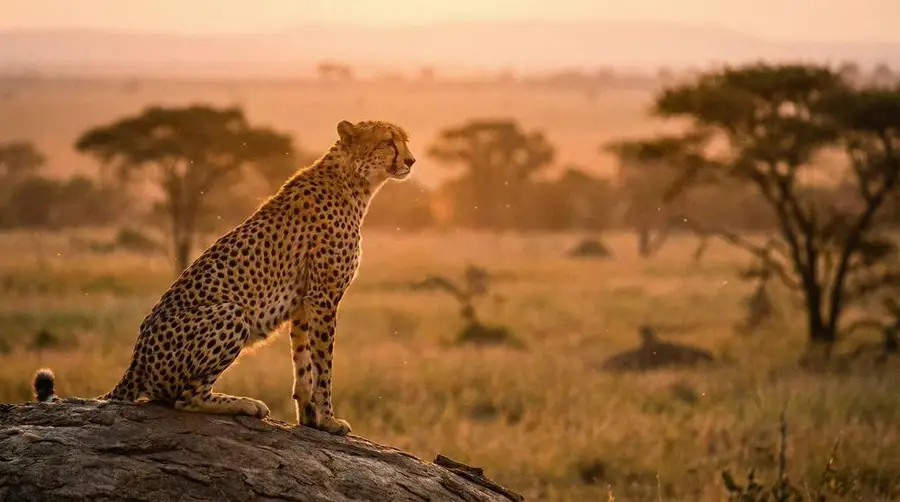
Understanding Animal Behaviour on Safari
Learn how to read safari animal behaviour: body language, alarm calls, social structure, hunting rhythms, seasonal movement and respectful observation with a guide.
The step from seeing animals to understanding them is one of safari’s great pleasures. A lion lying in shade, an elephant herd bunching around calves, impala freezing with ears forward, or oxpeckers lifting from a buffalo are not random images; they are clues in a living story. Once you learn to read posture, sound, spacing and timing, sightings become more than photographs. Behavioural knowledge also makes a safari safer and more respectful. A good guide reads tension before guests notice it, predicts where animals may move, and knows when to wait, reposition or leave space. You do not need to become a biologist, but learning the main signals will help you ask better questions and notice the bush before the drama is obvious.
Key things to know
- Behaviour turns a sighting from a static view into a story with causes and consequences
- Ears, tail, posture, gaze and movement reveal mood, alertness and possible stress
- Alarm calls from birds, monkeys and antelope often point toward hidden predators
- Social structure explains why lions, elephants, hyenas, wild dogs and antelope behave differently
- Daily rhythms shape when animals feed, rest, hunt, drink and travel
- Seasonal changes in rain, grass and water alter movement, breeding and predator strategy
- A skilled guide balances interpretation with distance, silence and respect for animal comfort
- Travellers should watch patiently and avoid pushing for close approaches that change behaviour
Reading posture, tension and attention
Most animals announce their state long before anything dramatic happens. Relaxed grazers feed with loose ears, steady chewing and casual spacing. Alert animals stop, lift the head, stare in one direction, bunch together or flick ears toward a sound. Predators also show intent through low posture, focused gaze, tail movement and the way they use cover or wind.
Elephants are especially expressive: a calm herd feeds, dusts and touches quietly, while a worried herd may bunch around calves, raise heads, spread ears, rumble or make short rushes. These signs are not invitations to test them. A respectful guide reads the escalation and gives the animals space before a warning becomes a charge.
- Loose feeding and mixed directions usually suggest calm
- Stillness, fixed staring and forward ears suggest alertness
- Bunching around young often means caution or stress
- Predators use cover, wind and focused movement when hunting
- A warning display should be respected rather than challenged
Listening to the bush
Sound is often the earliest clue. A francolin calling sharply, vervet monkeys barking, oxpeckers hissing, squirrels scolding or impala snorting may reveal a predator hidden in grass or shade. Guides do not only look for lions; they listen for the reactions of animals that have already seen or smelled them.
Vocalisations also carry social meaning. Lions roar to advertise territory and contact pride members, hyenas whoop over distance, elephants rumble at low frequencies, wild dogs twitter during greetings, and hippos grunt from water channels. Learning a few of these sounds makes the landscape feel alive even when visibility is poor.
- Alarm calls often have direction; watch where animals face
- Birds and monkeys can reveal predators before vehicles do
- Silence after alarm can mean the predator has moved or settled
- Contact calls keep social groups together
- Ask your guide what changed in the soundscape
Social structures and family politics
Species organise themselves in different ways, and behaviour makes more sense when you know the society. Lion prides centre on related females, cubs and male coalitions; elephant families are led by experienced matriarchs; spotted hyenas live in complex clans; wild dogs cooperate intensely in packs; many antelope shift between bachelor groups, harems, territorial males and nursery groups.
These structures explain the drama at sightings. A young male lion may keep distance from a dominant coalition, elephants may greet relatives with intense touching and rumbling, hyenas may jostle according to rank, and wild dogs may feed pups and injured pack members first. You begin to see relationships rather than a simple group of animals.
- Lions: related females and male coalitions shape pride life
- Elephants: matriarchs hold memory of routes, water and danger
- Hyenas: rank strongly influences feeding and greetings
- Wild dogs: cooperation is central to hunting and pup care
- Antelope groups change with breeding, safety and resources
Daily rhythms and predator strategy
Most safari activity follows temperature and light. Dawn and dusk bring movement, drinking, grazing and hunting because conditions are cooler and visibility favours both predator and prey in different ways. Midday heat often pushes cats into shade, elephants toward water or dust, and plains game into ruminating rest.
Predators do not hunt constantly. Lions may rest for long periods, then become alert when wind, hunger and prey position improve. Leopards use cover and darkness, cheetahs often prefer daylight visibility and space, and wild dogs rely on stamina and teamwork. Understanding these rhythms helps you enjoy quiet waiting rather than demanding constant action.
- Early and late drives often reveal the most movement
- Midday rest is normal behaviour, not a failed sighting
- Wind direction can affect predator approach
- Water points become important in dry months
- Patience at a promising place often beats rushing around
Season, habitat and movement
Behaviour changes with rain, grass and water. In dry months, animals often concentrate around permanent water and grazing becomes more competitive. In rainy months, herds may disperse into fresh grass, many species calve where food is abundant, and some roads become difficult or closed. Migration systems such as Serengeti and Mara movements follow grass, rain and risk rather than a fixed calendar.
Habitat also shapes behaviour. Leopards favour cover and trees, cheetahs need open sightlines, sable and roan often use woodland edges, hippos commute from water to grazing at night, and elephants adjust routes according to water, fruiting trees and disturbance. Ask not only what an animal is, but why it is in that place at that time.
- Dry periods concentrate wildlife near reliable water
- Rains can disperse animals and trigger calving or breeding
- Migration timing varies with grass and rainfall
- Habitat preferences help predict where species may appear
- Road conditions and access also change with season
Watching ethically and learning from guides
The best behaviour watching requires restraint. If a vehicle crowds a leopard, blocks a hunting cheetah or pushes elephants from a waterhole, the sighting may look exciting but the behaviour is no longer natural. Ethical guides keep distance, manage angles, limit noise and leave when an animal shows stress.
Travellers can help by staying seated, speaking softly, avoiding sudden movement and accepting that not every moment must be closer. Ask your guide what they are reading: why they stopped, why they moved, why they turned the engine off. Those explanations are often the richest part of the safari.
- Let the guide decide safe and respectful distance
- Do not pressure drivers to chase or block animals
- Stay quiet and seated during sensitive sightings
- Watch for signs that your presence is changing behaviour
- Value interpretation as much as close photographs
References & further reading
- Sinclair, A. R. E., et al. (Eds.) (2015). Serengeti IV. Chicago: University of Chicago Press.
- Estes, R. D. (2012). The Behavior Guide to African Mammals. Berkeley: University of California Press.
- Kingdon, J. (2015). The Kingdon Field Guide to African Mammals (2nd ed.). London: Bloomsbury.
- IUCN (2024). The IUCN Red List of Threatened Species, Version 2024-1. www.iucnredlist.org.
Do it with SafariLingo
Take SafariLingo on safari: 500+ species, real animal calls, offline maps and sighting logs — all in your language, wherever you roam.
Get the appFrequently asked questions
Why does animal behaviour matter on safari?
It turns sightings into stories and helps you understand what may happen next. Behaviour also guides ethical decisions about distance, patience and when to leave animals undisturbed.
How can I tell if prey has noticed a predator?
Look for sudden stillness, heads raised, ears forward, alarm calls and many animals facing the same direction. Birds, monkeys and antelope may reveal a hidden predator before you see it.
Are elephants easy to read?
They are expressive, but interpretation needs caution. Ear spreading, head raising, bunching around calves, rumbling or short rushes can indicate concern. A guide should give space before pressure escalates.
When are animals most active?
Often in the cooler hours around dawn and dusk, though patterns vary by species, weather and season. Midday rest is normal, especially for big cats after feeding or during heat.
How can travellers watch behaviour responsibly?
Stay quiet, follow your guide’s instructions, avoid demanding closer approaches and notice whether your presence changes the animal. Respectful distance often produces more natural behaviour and better learning.
Related guides
 Planning & Tips
 Private Reserves vs National Parks
Private reserves versus national parks on safari: how rules, activities, crowding, guiding and cost differ, and a clear framework to choose or combine them.
 Planning & Tips
 Self-Drive vs Guided Safari
Should you self-drive or take a guided safari? An honest comparison of freedom, cost, expertise and wildlife-spotting success.
Planning & Tips Binoculars vs Camera Zoom on Safari
Binoculars or a camera zoom on safari? Why you need both, what each does best, how to choose binoculars in 8x42 or 10x42, and how to use your optics well in the field.