
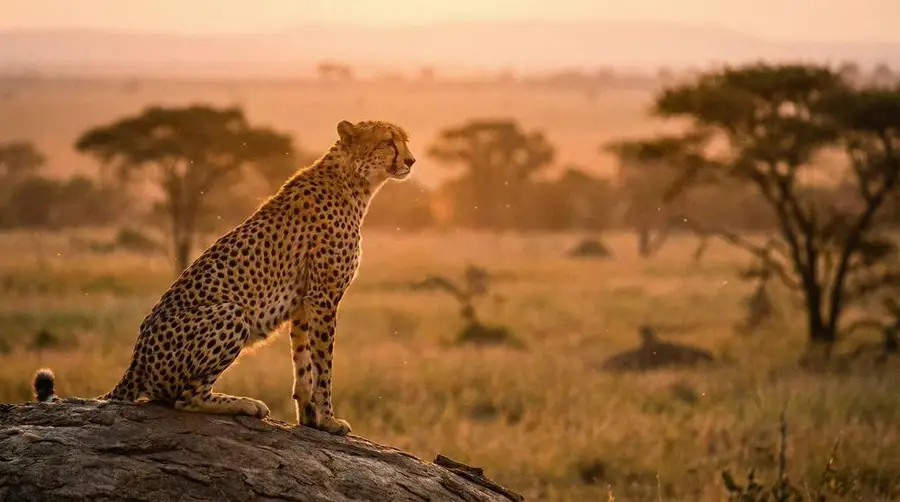
सफारी पर जानवरों के व्यवहार को समझना
Safari animal behaviour पढ़ना सीखें: body language, alarm calls, social structure, daily rhythms, seasonal movement और respectful observation.
Animals को सिर्फ देखना और उनका व्यवहार समझना अलग अनुभव है। Lion की shade में नींद, elephant herd का calves को घेरना, impala का एक दिशा में freeze होना, सब कहानी के संकेत हैं। Behaviour समझना safety और respect भी बढ़ाता है। अच्छा guide tension जल्दी पढ़ता है, दूरी तय करता है और बताता है कब रुकना या हटना है। Basic signals सीखकर आप बेहतर questions पूछते हैं।
जानने योग्य मुख्य बातें
- Behaviour sighting को story में बदलता है
- Ears, tail, posture और gaze mood बताते हैं
- Birds, monkeys और antelope के alarm calls predators दिखा सकते हैं
- Social structure species behaviour समझाता है
- Daily rhythm feeding, resting और hunting shape करता है
- Season rain, grass और water movement बदलते हैं
- Good guide interpretation और animal comfort balance करता है
- Travellers को close photo से ज्यादा natural behaviour को महत्व देना चाहिए
Posture और attention पढ़ना
Relaxed grazers loose ears और steady feeding दिखाते हैं। Alert animals head उठाते, stare करते, bunch होते या ears forward रखते हैं। Predators low posture और focused movement से intent दिखाते हैं।
Elephants में ear spread, head shake, calf guarding और rumble caution दिखा सकते हैं। इन signs को challenge न करें; guide को space बनाने दें.
- Loose feeding calm दिखाता है
- Fixed stare alertness दिखाता है
- Calves के around bunching caution है
- Predators cover और wind use करते हैं
- Warning display का सम्मान करें
Bush को सुनना
Sound अक्सर first clue होता है। Francolin calls, vervet barks, squirrels scolding या impala snorts hidden predator बता सकते हैं। Guides reactions सुनते हैं।
Vocalisations social भी हैं: lions roar, hyenas whoop, elephants rumble, wild dogs twitter. इन्हें पहचानना landscape को जीवित बना देता है।
- Alarm calls की direction देखें
- Birds और monkeys predators reveal कर सकते हैं
- Sudden silence भी clue है
- Contact calls groups जोड़ते हैं
- Guide से soundscape के changes पूछें
Social structure
Lions prides में, elephants matriarchal herds में, hyenas clans में और wild dogs packs में रहते हैं। Antelope groups breeding और safety से बदलते हैं।
Structure जानने पर greeting, dominance, cub play, feeding order और conflict समझ आते हैं। आप group नहीं, relationships देखते हैं।
- Lions: females और male coalitions
- Elephants: matriarch memory
- Hyenas: hierarchy
- Wild dogs: cooperation
- Antelope: resources के साथ group बदलते हैं
Daily rhythms
Dawn और dusk cool होते हैं, इसलिए movement, drinking और hunting बढ़ते हैं। Midday heat में cats shade, grazers rest और elephants water या dust use कर सकते हैं।
Predators लगातार hunt नहीं करते। Lions wait, leopards cover use करते, cheetahs daylight space prefer करते और wild dogs teamwork करते हैं। Patience महत्वपूर्ण है।
- Early and late drives productive होते हैं
- Midday rest normal है
- Wind hunting को affect करता है
- Dry months में water points important हैं
- Good place पर wait करना उपयोगी है
Season, habitat और ethics
Dry season animals को water के पास ला सकता है; rains fresh grass और calving लाते हैं। Migration fixed calendar नहीं, rain और grass follow करता है। Habitat भी behaviour shape करता है।
Ethical watching में distance, quiet और patience हैं। Vehicle animal को block, chase या stress न करे। Guide से पूछें वह क्या पढ़ रहा है।
- Dry periods water concentration लाते हैं
- Rains dispersal और breeding ला सकते हैं
- Habitat species predict करने में मदद करता है
- Close approach हमेशा बेहतर नहीं
- Interpretation photos जितनी valuable है
संदर्भ एवं अतिरिक्त पठन
- Sinclair, A. R. E., et al. (Eds.) (2015). Serengeti IV. Chicago: University of Chicago Press.
- Estes, R. D. (2012). The Behavior Guide to African Mammals. Berkeley: University of California Press.
- Kingdon, J. (2015). The Kingdon Field Guide to African Mammals (2nd ed.). London: Bloomsbury.
- IUCN (2024). The IUCN Red List of Threatened Species, Version 2024-1. www.iucnredlist.org.
SafariLingo के साथ करें
सफ़ारी पर SafariLingo ले जाएँ: 500+ प्रजातियाँ, असली जानवरों की आवाज़ें, ऑफ़लाइन नक़्शे और दर्शन-लॉग — सब आपकी भाषा में, आप जहाँ भी घूमें।
ऐप प्राप्त करेंअक्सर पूछे जाने वाले सवाल
Behaviour क्यों important है?
यह sightings को stories बनाता है और next action predict करने में मदद करता है। यह respectful distance चुनने में भी सहायक है।
Predator का पता कैसे चले?
Stillness, raised heads, forward ears, alarm calls और एक direction में facing herd देखें। Birds और monkeys बड़ा clue देते हैं।
Elephants के warning signs क्या हैं?
Ear spreading, head raising, rumbling, calf guarding या short rush concern दिखा सकते हैं। Guide की बात मानें और space दें।
Animals कब active होते हैं?
अक्सर dawn और dusk में, पर species, weather और season से pattern बदलता है। Midday rest natural है।
Responsible watching कैसे करें?
Quiet रहें, guide instructions follow करें और closer approach demand न करें। Natural behaviour सबसे valuable sighting है।
संबंधित गाइड
 योजना और सुझाव
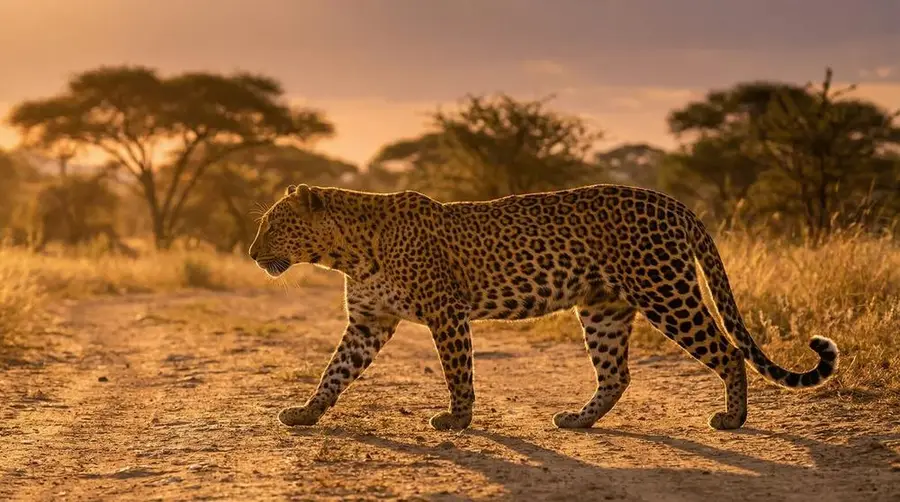
 निजी अभयारण्य बनाम राष्ट्रीय पार्क
सफ़ारी में निजी रिज़र्व और राष्ट्रीय उद्यान का व्यावहारिक अंतर: नियम, गतिविधियाँ, भीड़, गाइडिंग, लागत और सही विकल्प या मिश्रण चुनने का तरीका।
 योजना और सुझाव
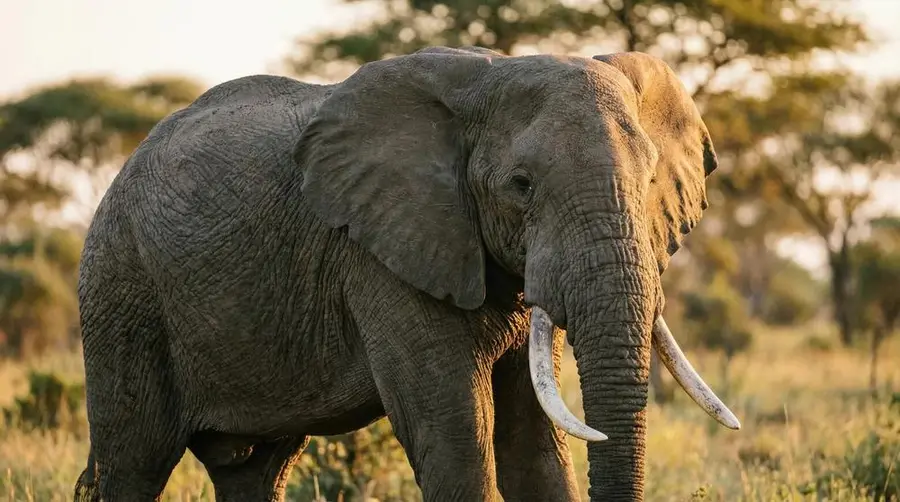
 सेल्फ-ड्राइव बनाम guided सफ़ारी
क्या आपको ख़ुद गाड़ी चलानी चाहिए या गाइडेड सफ़ारी लेनी चाहिए? आज़ादी, लागत, विशेषज्ञता और वन्यजीव-दर्शन की सफलता की एक ईमानदार तुलना।
योजना और सुझाव सफारी पर दूरबीन बनाम कैमरा ज़ूम
सफ़ारी पर दूरबीन या कैमरा ज़ूम? आपको दोनों क्यों चाहिए, हर एक किसमें सबसे अच्छी है, 8x42 या 10x42 दूरबीन कैसे चुनें, और मैदान में अपने प्रकाशिकी का अच्छा उपयोग कैसे करें।