
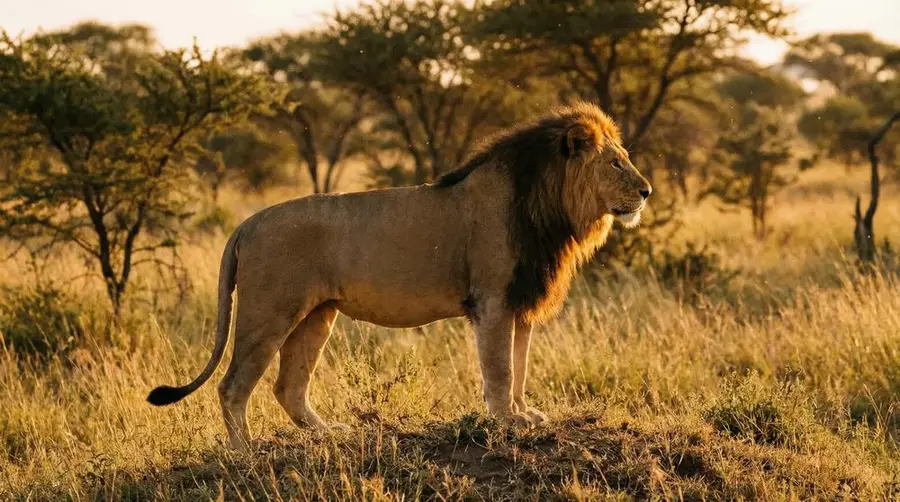
The Ugly Five of the African Bush
Meet the 'Ugly Five' — the warthog, spotted hyena, wildebeest, marabou stork and buffalo — and discover why these underrated animals deserve a second look.
The tongue-in-cheek 'Ugly Five' celebrates Africa's less conventionally handsome animals, and it is one of the safari world's most affectionate jokes. Far from being throwaway species, each plays a vital ecological role — hyenas and vultures clean the savanna, wildebeest drive the greatest migration on Earth. Look past first impressions and the Ugly Five reveal themselves as some of the bush's most fascinating and successful animals.
The species
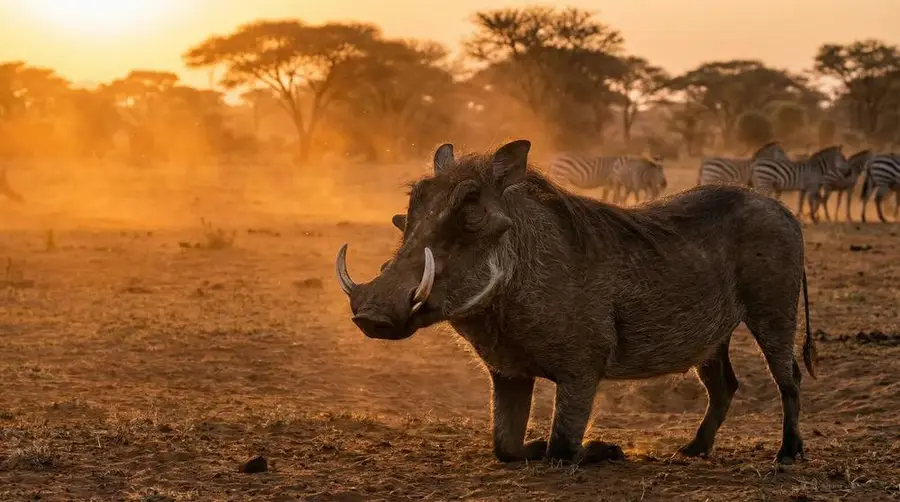 LC
LC Common Warthog
Phacochoerus africanus
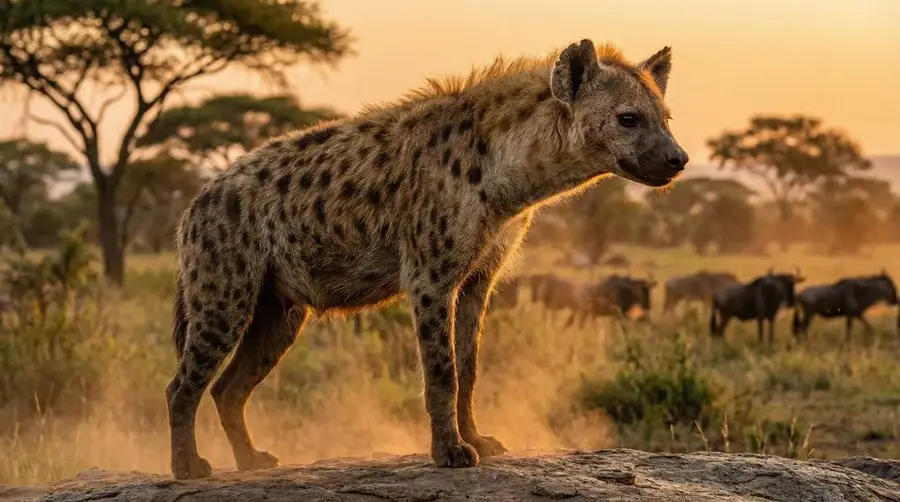 LC
LC Spotted Hyena
Crocuta crocuta
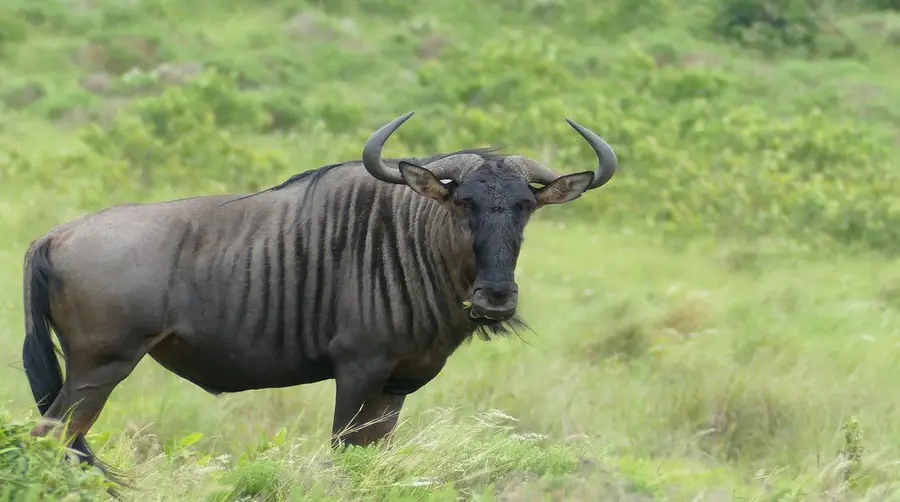 LC
LC Blue Wildebeest
Connochaetes taurinus
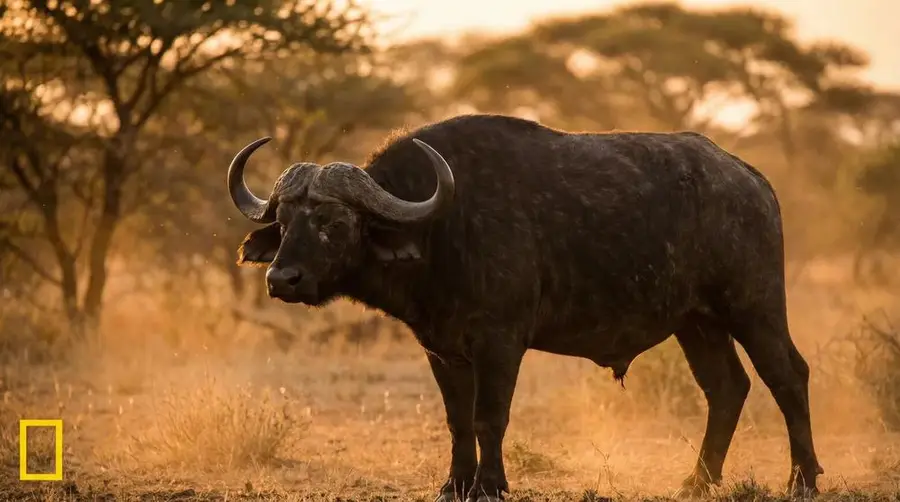 Big Five NT
 Cape Buffalo
Syncerus caffer
Where to see them
Look for these species in the national parks and reserves that protect their preferred habitats across Africa, and remember that each has its own favoured landscape and rhythm. The dry season generally makes them easier to find, as wildlife concentrates around water and cover thins out. A knowledgeable local guide who knows recent movements will dramatically improve your sightings.
A tongue-in-cheek list worth taking seriously
The 'Ugly Five' — typically the warthog, spotted hyena, wildebeest, marabou stork and vulture — are a light-hearted answer to the glamour of the Big Five. None will win a beauty contest, but each is a fascinating, ecologically vital character, and good guides love introducing them.
The joke has a serious point: it nudges travellers to look past the obvious stars and appreciate the full cast of the ecosystem. Spend time with the Ugly Five and you often come away with better stories than the lion sighting everyone photographed.
Why the 'ugly' ones matter
These animals are the workhorses of the savanna. Vultures and marabou storks are nature's clean-up crew, stripping carcasses and limiting the spread of disease. Spotted hyenas are formidable, intelligent hunters and scavengers with one of the most complex societies in the bush. Wildebeest drive the great migrations that shape entire ecosystems, and warthogs aerate soil and feed a long list of predators.
Watch them closely and the 'ugly' label falls away. The hyena clan's politics, the vulture's soaring efficiency and the wildebeest's sheer determination are as compelling as anything the Big Five offer.
- Vultures and marabou storks recycle carcasses and curb disease
- Spotted hyenas are skilled hunters with intricate social lives
- Wildebeest underpin the great migrations
- Warthogs aerate soil and sustain many predators
References & further reading
- Sinclair, A. R. E., et al. (Eds.) (2015). Serengeti IV. Chicago: University of Chicago Press.
- Estes, R. D. (2012). The Behavior Guide to African Mammals. Berkeley: University of California Press.
- Kingdon, J. (2015). The Kingdon Field Guide to African Mammals (2nd ed.). London: Bloomsbury.
- IUCN (2024). The IUCN Red List of Threatened Species, Version 2024-1. www.iucnredlist.org.
Do it with SafariLingo
Take SafariLingo on safari: 500+ species, real animal calls, offline maps and sighting logs — all in your language, wherever you roam.
Get the appFrequently asked questions
How can I identify these animals on safari?
Use a good field guide or the SafariLingo app to compare size, markings, habitat and behaviour side by side. Note the key field marks and the company an animal keeps, as both narrow the identification quickly. Your guide can confirm tricky sightings and point out subtle differences between look-alikes.
When is the best time to see them?
For most species the dry season is easiest, when animals gather around shrinking water and the thinner vegetation improves visibility. The green season can be harder for spotting but rewards you with young animals and rich birdlife. Early mornings and late afternoons are the most productive hours whatever the season.
Do I need a guide to find them?
You can spot many of these species on your own, but an experienced guide transforms the experience. Guides read tracks and alarm calls, know where animals have been seen recently and understand their daily rhythms. Their local knowledge turns hopeful searching into reliable sightings.
Related guides
 Wildlife
 How to Spot the Northern Anteater-chat on an African Safari
A field guide to finding the Northern Anteater-chat (Myrmecocichla aethiops) on safari: the habitats it favours, the hours it is most active, the field marks that give it away, and the tracking craft experienced guides use to locate it.
 Wildlife
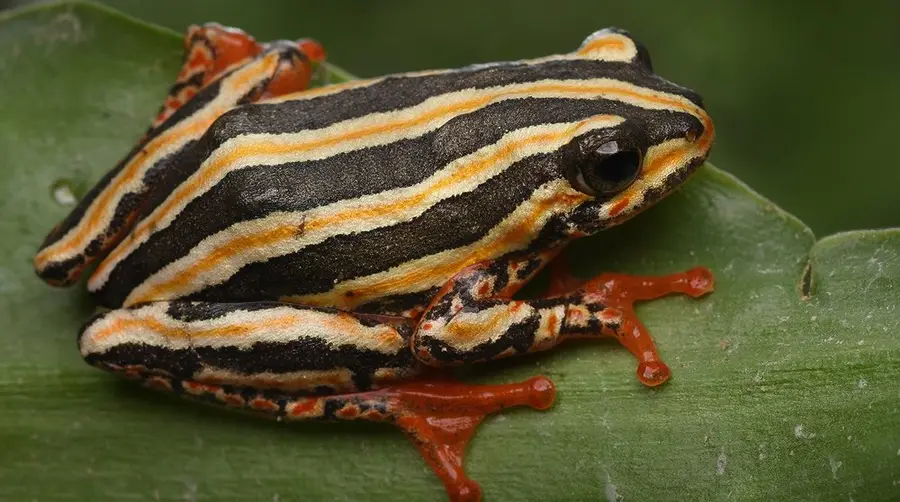
 How to Spot the Painted Reed Frog on an African Safari
A field guide to finding the Painted Reed Frog (Hyperolius marmoratus) on safari: the habitats it favours, the hours it is most active, the field marks that give it away, and the tracking craft experienced guides use to locate it.
 Wildlife
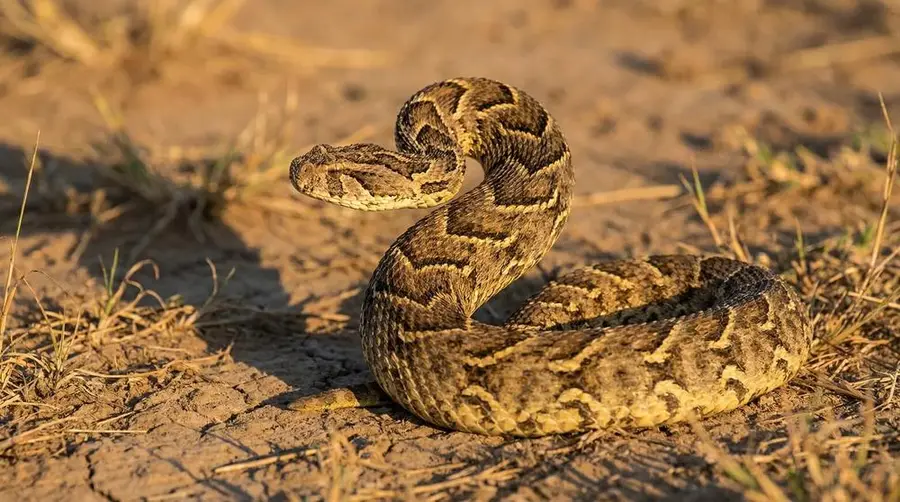
 How to Spot the Puff Adder on an African Safari
A field guide to finding the Puff Adder (Bitis arietans) on safari: the habitats it favours, the hours it is most active, the field marks that give it away, and the tracking craft experienced guides use to locate it.