
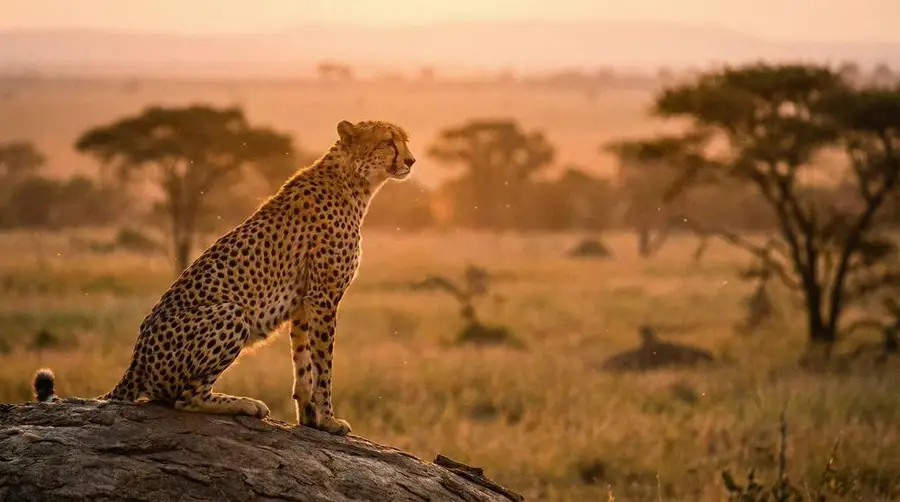
Shoulder Season Safari Value
Why the shoulder season can be the smartest value window for safari travel, combining strong wildlife, softer rates, easier availability and a calmer wilderness atmosphere.
Ask experienced safari travellers when they would go back if they were paying carefully, and many will choose the shoulder season. These are the transition weeks on either side of peak safari months, when the bush is changing but the game viewing can still be excellent, camps are less pressured, and the feeling of space returns to famous reserves. For travellers who can move their dates by even two or three weeks, the value difference can be remarkable. Shoulder season is not a single fixed month across Africa. In the Serengeti, Masai Mara, Okavango Delta, South Luangwa, Kruger region, Etosha or Hwange, the best value windows depend on local rain, grass height, water distribution, migration timing and lodge pricing calendars. The reward for understanding those details is a safari that often feels close to peak in wildlife quality but gentler in cost, pace and crowding.
Key things to know
- Shoulder season means the transition weeks before or after the highest demand safari period
- Wildlife viewing is often strong because water, grass and animal movement have not changed completely
- Rates can be meaningfully lower than peak, especially at private camps and fly in lodges
- Availability improves, so better guides, rooms and family units may be easier to secure
- Sightings usually feel calmer with fewer vehicles and less pressure around predators
- Regional timing matters more than a generic Africa calendar, so plan by park, not by continent
- Packing and routing should allow for mixed weather, shifting roads and variable vegetation
- The best value comes from flexible dates, expert advice and realistic expectations
What shoulder season really means
Every safari region has a period when wildlife is most predictable and demand is highest. In many dry season destinations this is when water is scarce, grass is shorter and animals concentrate around rivers, pans or permanent channels. Shoulder season sits just before that peak fully arrives or just after it begins to fade. Conditions are changing, but they have not yet moved into the uncertainty of the deepest low season.
The important point is that shoulder season is local. June may be a clever edge month in one area, ordinary in another and already expensive somewhere else. A good planner looks at recent rains, road access, vegetation, known animal movements and each camp's rate bands rather than relying on a simple month by month chart for the whole continent.
- Transition weeks around the highest demand period
- Often close to peak conditions without peak pressure
- Different timing in East Africa and Southern Africa
- Best judged by park, habitat and annual rainfall
Why the value can be so strong
The value comes from the gap between guest perception and actual field experience. Many travellers chase the famous peak dates because they sound safest, so lodges price those weeks accordingly. Yet the animals do not follow hotel rate sheets. Lions, leopards, elephants, wild dogs, giraffes and plains game may still be highly visible in the weeks just outside peak, especially when water and grazing remain favourable.
At the same time, camps may offer lower seasonal rates, stay longer offers or more flexible availability. You may be able to afford a better guiding area, a private concession, an extra night or a room type that would be out of reach in peak season. Those upgrades often improve the safari more than simply travelling in the most expensive week.
- Lower nightly rates at many camps
- More chance of securing first choice properties
- Fewer vehicles at popular sightings
- Budget can stretch to better guiding or longer stays
- A calmer atmosphere in camp and on drives
Where shoulder season works especially well
In Southern Africa, the weeks around the dry season can be excellent. Areas such as the Okavango Delta, Chobe, Hwange, South Luangwa, Etosha and the Greater Kruger often reward travellers who arrive just before full peak pricing or just after the busiest school holiday period. Game may still be concentrating near water, while temperatures, dust and vehicle numbers can be more comfortable than in the absolute peak.
In East Africa, shoulder value depends strongly on migration expectations. The Serengeti and Masai Mara have superb resident wildlife even when the migration is elsewhere, so travellers who are not fixated on a river crossing can find excellent guiding and quieter plains. Green edges can also be beautiful for photography, with cleaner air, dramatic skies and newborn antelope in some regions.
- Okavango and Chobe edges of the dry season
- South Luangwa before or after the busiest months
- Greater Kruger private reserves outside holiday peaks
- Serengeti and Mara when resident wildlife is the main goal
- Etosha or Hwange when water patterns remain favourable
The trade offs to understand
Shoulder season is excellent value because it carries some uncertainty. Rain may arrive early or late, grass may be taller than expected, and some roads can become slower after storms. In a river or floodplain system, water levels can affect which areas are accessible. In a migration region, herds may move ahead of schedule or linger elsewhere. None of this makes the safari poor, but it changes how you should choose camps and routes.
The best approach is to build resilience into the itinerary. Choose camps with varied habitats, strong resident game and experienced guides rather than relying on one seasonal spectacle. Avoid overloading the trip with tight transfers in marginal weather. Pack layers, a light rain shell, good footwear, lens protection and patience. Flexibility is the price you pay for the saving, and it is usually a fair price.
- Weather is less predictable than in the centre of peak season
- Vegetation may be greener or taller in some areas
- Some tracks can be slower after rain
- Migration based plans need extra caution
- A strong guide matters more when conditions are changing
How to book for maximum return
Start with your priorities rather than the calendar. If you want big cats, walking, photography, elephants, migration herds, birding, family comfort or honeymoon privacy, the best shoulder window may differ. Tell your operator what you are willing to trade. A traveller who wants solitude and photography may love a greener week that a traveller chasing only dense dry season concentrations would find less ideal.
Then compare the total trip value, not only the nightly rate. A slightly cheaper camp in a weak area is not a bargain. A discounted private concession with superb guides, off road rules where permitted, night drives where legal and low vehicle density may be exceptional value. Look for rate drops that coincide with still reliable wildlife, and consider spending the saving on an extra night because time in the field is one of the biggest predictors of safari success.
Who should choose it and who should not
Shoulder season suits travellers who want high quality wildlife without paying for the most crowded and expensive weeks. It is ideal for second time safari guests, photographers who like mood and space, couples seeking atmosphere, families needing better availability, and anyone who would rather stay longer or better than simply travel on the most famous dates. It also suits people who enjoy the bush as an ecosystem, not only as a checklist.
It may not be best for travellers with fixed dreams tied to a narrow event, such as a specific migration crossing week, or for anyone who will be deeply disappointed by a few showers, greener grass or a changed plan. If your schedule is rigid and this is a once only trip built around one spectacle, peak may still be worth the premium. If your goal is the best balance of wildlife, cost and quiet, shoulder season is often the insider choice.
References & further reading
- Sinclair, A. R. E., et al. (Eds.) (2015). Serengeti IV. Chicago: University of Chicago Press.
- Estes, R. D. (2012). The Behavior Guide to African Mammals. Berkeley: University of California Press.
- Kingdon, J. (2015). The Kingdon Field Guide to African Mammals (2nd ed.). London: Bloomsbury.
- IUCN (2024). The IUCN Red List of Threatened Species, Version 2024-1. www.iucnredlist.org.
Do it with SafariLingo
Take SafariLingo on safari: 500+ species, real animal calls, offline maps and sighting logs — all in your language, wherever you roam.
Get the appFrequently asked questions
What is the shoulder season for safari?
It is the transition period just before or just after the highest demand safari season in a specific region. Wildlife conditions may still be very good, while prices and crowds are usually lower than peak.
Is wildlife viewing still good in shoulder season?
Often yes, especially in areas with strong resident wildlife and reliable water. It is slightly less predictable than peak, so choose camps with varied habitats and guides who know how animals respond to changing conditions.
How much money can I save?
Savings vary widely by country, camp and date, but seasonal rate drops can be significant at mid range and luxury lodges. The bigger value may be that the same budget can buy a better area, an extra night or a more private experience.
Which months are shoulder season in Africa?
There is no single answer for all of Africa. The timing depends on the park, rainfall, migration patterns and lodge rate calendar, so plan by destination rather than using a generic month list.
What should I pack for a shoulder season safari?
Pack for mixed conditions: light layers, a warm fleece for early drives, a compact rain shell, sun protection, closed shoes and protection for cameras or phones. Conditions can shift quickly near a seasonal change.
Related guides
 Planning & Tips
 Avoiding Crowds on Safari
How to avoid crowds on safari: choosing quieter parks, conservancies and seasons, timing your drives, respecting sighting etiquette, and enjoying wildlife away from the vehicles.
 Planning & Tips
 How to Plan Your First African Safari
A practical, step-by-step guide to planning your first African safari — how to choose a country, time your trip to the wildlife calendar, set a realistic budget and book with confidence.
 Planning & Tips
 Safari Travel Insurance Explained
What safari travel insurance should cover, from medical evacuation and remote-area treatment to cancellation, gear, activities and assistance procedures, so your policy matches the real risks of a bush trip.