
Avoiding Crowds on Safari
How to avoid crowds on safari: choosing quieter parks, conservancies and seasons, timing your drives, respecting sighting etiquette, and enjoying wildlife away from the vehicles.
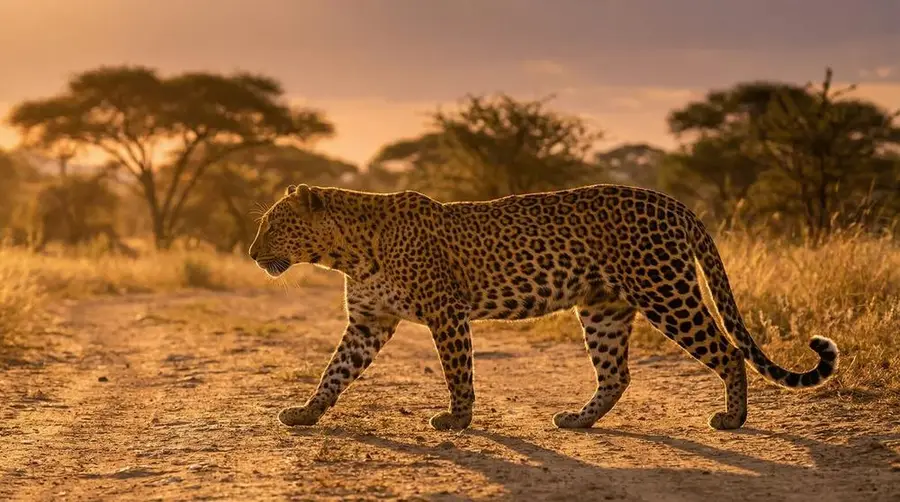
For many people the whole point of a safari is the sense of wilderness and solitude, just you, your guide and the wildlife under a vast sky. So it can be jarring to arrive at a leopard sighting and find a dozen other vehicles jostling for position. The good news is that crowds are largely avoidable with the right choices about where, when and how you travel. This guide explains how to keep your safari feeling wild: choosing quieter destinations and private areas, timing your trip and your daily drives to dodge the crush, respecting the etiquette that keeps sightings calm, and a few tactics for enjoying wildlife away from the pack. It also shows how to design a whole itinerary around solitude rather than hoping for the best. A little planning makes the difference between a safari that feels like a wildlife documentary and one that feels like a car park. None of it means missing the great wildlife; it means seeing it on quieter terms, more often with the sighting to yourself.
Key things to know
- Private reserves and conservancies cap vehicle and bed numbers
- Lesser-known parks are far quieter than the marquee names
- Travel in the shoulder or green season to dodge peak crowds
- Be out at first light, ahead of the main convoy of vehicles
- A proactive guide can find quiet sightings off the radio net
- Broaden your focus beyond the big cats to enjoy solitude
- Balance one or two icons with genuinely remote, quiet areas
- Choose camps on private land or with exclusive traversing rights
Where you go: parks, reserves and conservancies
The single biggest factor in how crowded your safari feels is where you choose to go. The world-famous parks earned their fame honestly, but that fame draws vehicles, especially at peak season and at headline sightings like a river crossing or a leopard draped in a tree. Private reserves and community conservancies work differently: they strictly cap the number of beds and vehicles allowed, and often limit how many cars may attend a single sighting, so you frequently have the wildlife to yourself. That exclusivity is precisely what the premium buys.
Beyond the famous names, every safari country hides quieter parks and remoter regions that see a fraction of the visitors while still delivering superb wildlife. Think of the difference between a headline park and a lesser-travelled neighbour, or the far corners of a large reserve away from the main gate. A smart plan pairs one or two bucket-list icons with real time in genuinely quiet areas, so you capture the marquee moments without spending the whole trip sharing them.
- Private reserves and conservancies cap vehicles and beds
- Many limit how many cars may attend a single sighting
- Lesser-known parks see a fraction of the visitors
- Remote corners of big reserves are quieter than the main gate
- Exclusive traversing rights mean you share the land with few others
When you go: season and timing
Timing matters almost as much as location. The peak dry season concentrates both wildlife and tourists, bringing the biggest crowds and the highest prices. Travelling in the shoulder seasons, the weeks either side of the peak, or in the green season can transform how busy a park feels, often for very similar wildlife and noticeably less money. Even shifting your dates a few weeks off the peak thins the crowds considerably.
The trade-offs are real and worth understanding. The green season brings lush scenery, newborn animals and superb birding, though grass is longer and some tracks may be wet, while the dry season concentrates game around water but packs in visitors. Match the season to your priorities, and remember that school holidays and major events spike numbers regardless of the weather, so a quiet week can sit right beside a crowded one.
- Peak dry season means the biggest crowds and highest prices
- Shoulder seasons are much quieter for similar wildlife
- Green season brings lush scenery, newborns and great birding
- Avoid school holidays and major events where you can
- Midweek can be quieter than weekends near towns
The daily rhythm: timing your drives
Within the day, the early bird truly wins. Being out for first light, ahead of the main convoy, means you often have the roads and the freshest sightings largely to yourself before the heat builds and the tracks fill. Predators are most active in the cool of dawn, so the quietest hour is frequently also the best for action, a rare case where solitude and spectacle line up.
The same logic applies at the other end of the day. Staying out late as others head back for lunch, and exploring the quiet midday lull when many vehicles are parked at camp, both help you dodge the crush. Full-day drives with a packed lunch, where the park allows, let you roam far from the gate-and-loop crowds. The travellers who see the wildest safari are usually the ones up earliest and out longest.
- Be out at first light, ahead of the convoy
- Predators are most active in the cool early hours
- Explore the quiet midday lull while others rest
- Stay out late as the day visitors head home
- Take full-day drives to reach far, quiet areas
How you experience sightings: your guide
Even in a busier park, how you travel shapes how crowded your safari feels, and a good, proactive guide is invaluable. Rather than joining a queue at a radio-called sighting, a strong guide reads tracks and behaviour, follows their own leads, and finds you wonderful encounters away from the pack. Tell your guide plainly that solitude matters to you, and give them room to work their knowledge instead of chasing every call on the radio.
This is partly about choosing the right guide and camp in the first place. Owner-run camps and specialist operators often prize a private, unhurried experience and brief their guides accordingly. A private vehicle, where the budget allows, buys the freedom to linger, to leave a crowded sighting, and to set your own agenda, which is one of the surest ways to keep a safari feeling like yours alone.
Etiquette at a shared sighting
When you do share a sighting, good etiquette keeps it calmer for everyone and better for the animals. Keep noise down, avoid crowding or encircling wildlife, never block an animal's path, and take turns for position rather than jostling. A considerate guide will often hang back, wait for a gap and position quietly, which regularly yields better viewing than muscling to the front.
Etiquette also shapes the wider atmosphere of a reserve. Overcrowded, pushy behaviour at sightings is exactly what makes a park feel like a car park, whereas patient, low-key vehicles preserve the sense of wild for everyone. Choosing operators and guides who respect these norms, and quietly expecting the same yourself, is part of avoiding the feeling of crowds even when a few other cars are present.
Designing a low-crowd itinerary
The most reliable way to avoid crowds is to design the whole trip around it rather than hoping for the best. Decide early how much you value solitude versus ticking off famous names, then weight your nights accordingly: perhaps a short, well-timed visit to one icon, followed by several nights deep in a private conservancy or a quiet park. Book camps that sit inside private land or hold exclusive traversing rights, and favour fly-in access, which keeps out the self-drive day-visitor traffic.
Build in a few practical rules and the crowds mostly take care of themselves. Prioritise properties that cap vehicles per sighting, ask your operator directly how busy each camp and season really is, and be honest that a quiet, wild feel is your priority. A specialist who knows the ground can steer you to the camps and dates that genuinely deliver, and away from the ones that only look good in a brochure.
- Weight more nights to private or remote quiet areas
- Choose camps on private land or with exclusive traversing
- Favour fly-in camps over busy self-drive gateways
- Ask your operator how busy each camp and season really is
- Limit famous parks to short, well-timed visits
References & further reading
- Sinclair, A. R. E., et al. (Eds.) (2015). Serengeti IV. Chicago: University of Chicago Press.
- Estes, R. D. (2012). The Behavior Guide to African Mammals. Berkeley: University of California Press.
- Kingdon, J. (2015). The Kingdon Field Guide to African Mammals (2nd ed.). London: Bloomsbury.
- IUCN (2024). The IUCN Red List of Threatened Species, Version 2024-1. www.iucnredlist.org.
Do it with SafariLingo
Take SafariLingo on safari: 500+ species, real animal calls, offline maps and sighting logs — all in your language, wherever you roam.
Get the appFrequently asked questions
How do I avoid crowds on safari?
Choose private reserves, conservancies or lesser-known parks that limit or see fewer vehicles, travel in the shoulder or green season rather than peak, and be out at first light ahead of the rush. Let a proactive guide find quiet sightings, and design the itinerary around solitude rather than hoping for the best.
Are private reserves less crowded than national parks?
Generally yes. Private reserves and conservancies cap the number of beds and vehicles and often limit how many cars attend a sighting, so you frequently have wildlife to yourself or share with just one or two vehicles. That exclusivity is a major reason they command a premium over open national parks.
When is the least crowded time for safari?
The shoulder seasons either side of the peak, and the green or rainy season, are much quieter than peak dry season, often for similar wildlife and less money. Within the day, being out at first light avoids the main convoy. Try also to dodge school holidays and major events, which spike numbers.
Can I still enjoy a busy park?
Yes. Be out early ahead of the crowds, stay out late, explore the quiet midday lull, and let a good guide seek out sightings away from the pack. Broadening what you look for beyond the big cats, and taking a private vehicle where possible, both help enormously.
Do I have to skip the famous parks to avoid crowds?
Not at all. The smart approach is to balance one or two iconic must-sees with time in genuinely quiet areas. Keep visits to the famous parks short and well-timed, be out at the quietest hours, and spend the bulk of your nights in private or lesser-known areas where solitude is far easier to find.
Related guides
 Planning & Tips
 Safari Glossary of Common Terms
A practical glossary of safari vocabulary, with context on wildlife viewing, guiding etiquette, habitats, and how parks, conservancies and concessions shape your trip.
 Planning & Tips
 Hot-Air Balloon Safaris
What to expect from a hot-air balloon safari: the dawn flight, the aerial views, the cost and whether it is worth the splurge.
Planning & Tips The Best Safari Camera Gear
A practical, guide-level look at the best camera gear for safari: bodies, lenses and the few accessories that truly matter, how much reach you really need, and how to pack it all light for bush flights.