
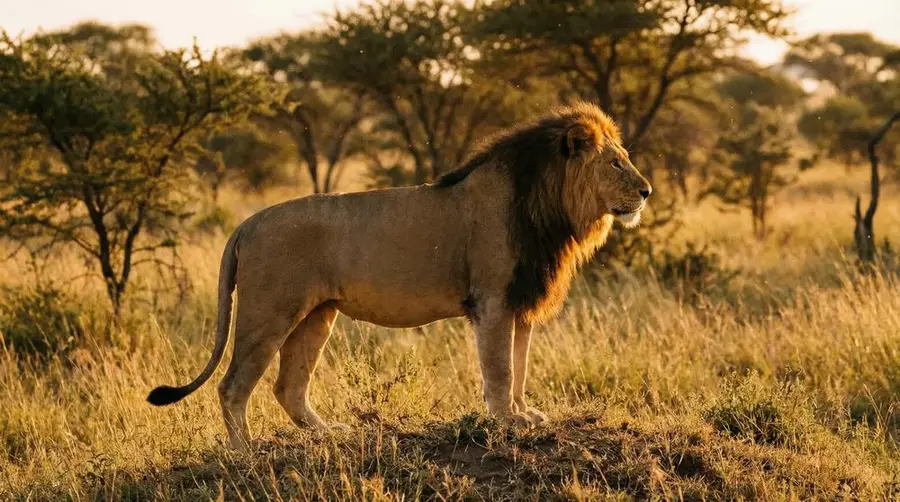
How to Plan Your First African Safari
A practical, step-by-step guide to planning your first African safari — how to choose a country, time your trip to the wildlife calendar, set a realistic budget and book with confidence.
Planning a first safari can feel overwhelming: dozens of countries, hundreds of camps and a vocabulary all its own. But the decisions fall into a natural order, and once you take them in that order the trip almost plans itself. This guide walks you through it the way a good operator would — starting with what you most want to see and ending with a booked, well-paced itinerary. The single biggest mistake first-timers make is trying to see everything at once. Africa is enormous and rewards depth over breadth. Choose one region, give it enough time, travel with people who know the bush, and you will come home with a far richer experience than a frantic dash across three countries could ever give. Think of planning as a short sequence of honest questions: what do I want to see, when does that happen, where is it best, what can I spend, and who should I trust to put it together. Answer them in that order and the confusing swirl of options narrows quickly into a clear, exciting plan.
Key things to know
- Decide what you most want to see before you choose a country
- Match your travel dates to the wildlife calendar, not the other way around
- Budget realistically — camps and park fees dominate the cost
- Fewer parks, seen properly, beat a rushed multi-country dash
- Book popular camps, permits and migration windows many months ahead
- Travel with a good guide or reputable operator — it transforms the trip
- Leave a little slack in the schedule for the bush to surprise you
- Sort health, insurance and packing early so nothing derails the trip
Start with what you want to see
Begin with the wildlife and the experience, not the map. If the Great Migration river crossings are your dream, that points you to a specific ecosystem — the Serengeti and Masai Mara — in a specific season. If mountain gorillas top your list, the answer lies in the forested highlands of Rwanda, Uganda or the eastern Congo. Big cats, vast elephant herds, rare birds, a green-season honeymoon or a gentle family-friendly first taste of the bush each lead somewhere different.
Writing down your top two or three priorities keeps every later decision focused. It stops you being seduced by a beautiful camp in the wrong place or the wrong month, and it gives your operator the single most useful piece of information they can have. Everything else — country, season, budget, route — flows from this first honest answer, so resist the urge to skip it.
Get the timing right
Africa's seasons drive everything from animal density to price to the very look of the landscape. Broadly, the dry season concentrates wildlife around shrinking water and delivers the most reliable sightings, while the green season brings lush scenery, newborn animals, superb birding and better value in exchange for thicker cover and occasional rain.
Because the continent spans both hemispheres and many rainfall patterns, there is no single best month — only the best month for your chosen priority and region. In East Africa the long rains typically fall around March to May; in the great southern parks the dry winter months of roughly June to October are prime for game viewing. Once you know what you want to see, work out when and where it happens, then build your dates around that rather than forcing a fixed week onto the wrong season.
- Dry season: best visibility and animal concentrations, but busiest and priciest
- Green season: lush scenery, newborns and birds, quieter and better value
- Specific spectacles like the migration or calving happen in narrow windows
- Shoulder months can offer a fine balance of weather, price and crowds
- Book peak-season dates, permits and star camps far in advance
Choose your region and country
Once priorities and timing are clear, the country almost chooses itself. Tanzania and Kenya are the classic first-safari choices for sheer density of plains game, big cats and the migration; Botswana offers exclusive, water-based wilderness in the Okavango Delta; South Africa is superb for easy logistics, malaria-free options and combining bush with cities and coast; Zambia and Zimbabwe are the home of walking safaris and the mighty Victoria Falls; Rwanda and Uganda are the gateways to gorilla trekking.
For a first trip, resist the temptation to string several countries together. Long border transfers and repeated flights eat days and budget. One country, or two neighbouring ecosystems that combine naturally, almost always beats a scattered multi-country dash. If in doubt, pick the single region that best matches your top priority and give it the time it deserves.
- Tanzania and Kenya: migration, big cats, classic plains safari
- Botswana: exclusive water-based wilderness in the Okavango Delta
- South Africa: easy logistics, malaria-free options, bush-and-beyond combos
- Zambia and Zimbabwe: walking safaris and Victoria Falls
- Rwanda and Uganda: mountain gorilla trekking
Set a realistic budget
Safari pricing is usually quoted per person per night, all-inclusive, and it is dominated by two things: accommodation and park fees. The gap between a simple camp and a luxury lodge is vast — very roughly, budget trips might run around USD 150 to 350 per person per day, mid-range comfort around USD 350 to 700, and top-end fly-in luxury from USD 1000 to well past USD 2000 — so your choice of camp style sets the tone, and the cost, of the whole trip. Internal flights, gorilla or chimp permits and private guiding add further.
Decide early which tier fits you — budget camping and group departures, comfortable mid-range lodges and tents, or top-end fly-in luxury — and be honest about what each buys. Spending a little more on guiding and a little less on frills is almost always the right trade, because a good guide and enough time in the right place matter more than thread count or champagne. Treat these ranges as rough guides, not quotes, and confirm current prices with your operator.
- Prices are usually per person per night, all-inclusive
- Accommodation and park fees dominate the total
- Internal flights, permits and private vehicles add meaningfully
- Gorilla permits alone are a large, fixed, per-person cost
- Spend up on guiding and time; save on frills for the best value
Choose an operator and book
Unless you are an experienced independent traveller, book through a reputable operator or a good ground handler. They handle the fiddly logistics — transfers, permits, park fees, connecting flights — and their local knowledge steers you to the right camps in the right season. Ask about guide quality, group sizes, exactly what is and is not included, and how they handle conservation and local communities; good answers here separate the serious operators from the rest.
Once you are happy, book the high-demand elements first: migration-season camps, gorilla permits and iconic lodges can sell out six to twelve months ahead. Read the fine print on cancellation and payment terms, arrange comprehensive travel insurance that covers safari activities, confirm your visa and health requirements with official sources, and then relax — the hardest part of a first safari is the planning, and you will have done it well.
Health, insurance and what to pack
Sort the practical layer early so it never derails the trip. Many safari regions carry a malaria risk, and some countries ask for proof of yellow-fever vaccination on entry, so book a travel-clinic appointment well ahead and follow their advice rather than any single article. Comprehensive travel insurance is essential, ideally including medical evacuation, since good hospitals can be far from remote camps.
Packing for safari is about muted colours, layers and restraint. Mornings can be cold and midday hot, so soft neutral tones — khaki, olive, brown — layered clothing, a warm fleece, a wide-brimmed hat, sunscreen, insect repellent and any personal medicines cover almost everything. Keep luggage soft-sided and light, especially if light aircraft are involved, where strict weight limits are the norm. A good pair of binoculars will repay their space many times over.
- See a travel clinic early about malaria and required vaccinations
- Carry comprehensive insurance, ideally with medical evacuation
- Pack muted colours and layers for cold mornings and hot middays
- Use soft-sided bags and respect light-aircraft weight limits
- Bring binoculars, sunscreen, a hat and any personal medication
References & further reading
- Sinclair, A. R. E., et al. (Eds.) (2015). Serengeti IV. Chicago: University of Chicago Press.
- Estes, R. D. (2012). The Behavior Guide to African Mammals. Berkeley: University of California Press.
- Kingdon, J. (2015). The Kingdon Field Guide to African Mammals (2nd ed.). London: Bloomsbury.
- IUCN (2024). The IUCN Red List of Threatened Species, Version 2024-1. www.iucnredlist.org.
Do it with SafariLingo
Take SafariLingo on safari: 500+ species, real animal calls, offline maps and sighting logs — all in your language, wherever you roam.
Get the appFrequently asked questions
How far in advance should I book a first safari?
For peak season and popular camps, six to twelve months ahead is wise. Gorilla permits and migration-season camps can sell out even earlier, so if your trip hinges on either, book those first and build the rest around them.
How many days do I need for a first safari?
Most first-timers are happy with seven to ten days, which allows two or three quality areas without feeling rushed. Aim for at least two or three nights per park so you can settle in and return to good sightings rather than constantly moving.
Is a first safari safe?
Yes, when you travel with a reputable operator and follow your guide's instructions. The main practical risks are health-related — see a travel clinic about vaccinations and malaria — and long road transfers, rather than the animals themselves.
Do I need a guide, or can I self-drive?
A guide dramatically increases what you see and understand, and for a first trip is strongly recommended. Self-drive is rewarding for confident, well-prepared travellers in the more developed parks, but it trades expertise for independence.
Which country is best for a first-time safari?
There is no single answer, but Tanzania, Kenya and South Africa are the most popular first choices for reliable game viewing and established infrastructure. South Africa adds easy logistics and malaria-free reserves, while Tanzania and Kenya offer the migration and classic plains. Let your top wildlife priority and your season decide.
Related guides
 Planning & Tips
 How to Pack a Safari Daypack
How to pack the perfect safari daypack for game drives — the essentials to keep within reach, optics and camera care, dust protection, choosing the bag and what to leave in camp.
 Planning & Tips
 Lodges vs Tented Camps vs Mobile Camps
Lodges, tented camps or mobile camps? A clear comparison of safari accommodation styles — comfort, atmosphere, location, cost and which suits you best, plus how to combine them.
 Planning & Tips
 Conservation and Community Tourism
Understand how safari tourism funds conservation and supports local communities, and how to choose camps and operators that create real value. This guide explains park fees, conservancies, jobs, trade offs and smart traveller decisions.