
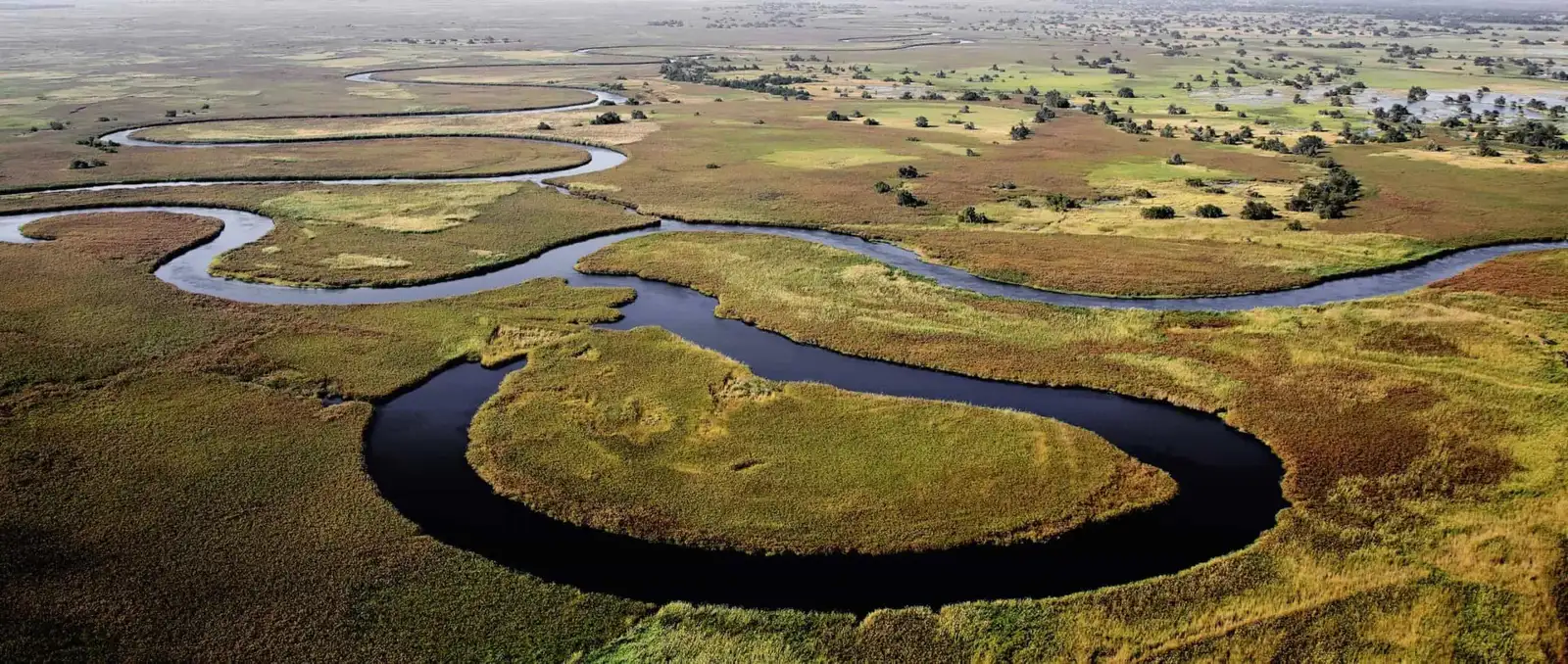
Off-the-Beaten-Track Safari Destinations
A guide to Africa's wilder, less-visited safari destinations — from Zambia's Kafue and Liuwa Plain to Tanzania's Ruaha and Katavi, Chad's Zakouma and Uganda's Kidepo — for travellers who want space, solitude and adventure over crowds.
The images that sell safaris — a single vehicle beside a leopard, an empty plain running to the horizon — are getting harder to find in the famous parks. In peak season the best-known reserves can feel busy, with lines of vehicles at a sighting and lodges booked a year ahead. For a growing number of travellers, the appeal now lies elsewhere: in the wilder, harder-to-reach corners of the continent where you may not see another car all day. Going off the beaten track is not about ticking a more obscure box. These places tend to deliver a rawer, more immersive kind of safari — bigger walking country, richer soundscapes, guides who genuinely track rather than radio-hop between sightings, and the quiet thrill of feeling that the wilderness is yours alone. Many are also front lines of conservation, where your visit directly funds the protection of recovering ecosystems. This guide points to some of Africa's most rewarding lesser-known destinations, sets out what makes each special, and is honest about the trade-offs — the flights, the costs and the seasons — so you can decide whether the wilder path is right for your trip.
Key things to know
- Off-the-beaten-track parks trade easy access for solitude, space and a more immersive wilderness experience.
- Zambia is the standout for adventurous safaris, with Kafue, the Luangwa wilds and remote Liuwa Plain.
- Tanzania's southern and western circuit — Ruaha, Katavi and Nyerere — offers huge, uncrowded wilderness.
- Further-flung gems include Chad's Zakouma, Mozambique's Gorongosa, Uganda's Kidepo and Congo's Odzala.
- Many remote parks are conservation success stories where your visit helps fund recovery.
- Expect fewer roads, more walking and boating, and guiding that relies on genuine tracking skill.
- Access usually means light-aircraft charters, higher costs and strict dry-season-only windows.
- Plan well ahead with a specialist operator, and match the destination to your appetite for rustic adventure.
Why go off the beaten track
The first reward is solitude. In these parks a sighting is yours to enjoy without a scrum of vehicles, and the sense of remoteness — of being a long way from roads, towns and other tourists — is a large part of the experience. That space changes the safari itself: guides have room to follow tracks properly, to switch off the engine and let a scene unfold, and to build a day around what the bush is doing rather than a schedule.
There is also a conservation dimension. Many of the wilder destinations are places that were once written off and have been painstakingly restored, or that survive on a thin margin of tourism revenue. Visiting them directly supports anti-poaching, community programmes and the case for keeping vast landscapes wild. For travellers who want their trip to mean something beyond the photographs, that connection is a powerful draw — and the wildlife, freed from crowds, is often extraordinary.
- Sightings without crowds of vehicles
- A genuine sense of remoteness and wilderness
- Guiding built on real tracking, not radio traffic
- Direct support for conservation and communities
- Often exceptional wildlife in little-visited settings
Zambia's wild parks
Zambia is arguably the home of the adventurous safari, and its lesser-known parks reward the effort. Kafue, one of Africa's largest national parks, hides the seasonal Busanga Plains in its north — a flooded grassland famous for large lion prides, red lechwe and huge skies — yet sees a fraction of the visitors of the headline reserves. In the remote North Luangwa, walking safaris put you on foot in genuinely wild country that has been central to black rhino recovery.
Furthest out lies Liuwa Plain, in Zambia's far west, a vast open grassland that hosts one of Africa's largest wildebeest gatherings, along with cheetah, hyena clans and spectacular wattled crane numbers. Reaching these places takes time and usually a charter flight, and camps are seasonal and small, but the payoff is a Zambia that feels much as it must have decades ago.
- Kafue: huge park with the lion-rich Busanga Plains
- North Luangwa: wild walking country and rhino recovery
- Liuwa Plain: a major wildebeest gathering in the far west
- Small, seasonal camps and low visitor numbers throughout
- Superb guiding traditions and a focus on walking safaris
Tanzania's southern and western circuit
Away from the busy northern parks, Tanzania holds enormous, quiet wilderness. Ruaha, the country's largest national park, is a rugged land of baobabs and sand rivers with big lion prides, both greater and lesser kudu, sable and healthy numbers of endangered wild dog. It sees far fewer people than the Serengeti while offering predator viewing to rival it.
Catavi — properly Katavi — in the remote west is one of the continent's least-visited great parks, where the dry season crowds hippos and buffalo into shrinking rivers in astonishing densities. To the south, Nyerere National Park, carved from the former Selous, adds a different dimension with boat safaris on the Rufiji River and its maze of channels and lakes. Together they form a circuit for travellers who want scale and solitude over convenience.
- Ruaha: baobab wilderness with big cats and wild dog
- Katavi: remote, with dramatic dry-season hippo and buffalo
- Nyerere (ex-Selous): boat safaris on the Rufiji River
- Far fewer visitors than the northern Tanzanian parks
- Best combined via light-aircraft flights between camps
Remote gems across the continent
Beyond the classic safari countries lie some of Africa's most remarkable comeback stories. Zakouma in Chad, transformed by dedicated management, once again holds huge buffalo herds, recovering elephants, rare Kordofan giraffe and vast flocks of birds. Mozambique's Gorongosa, largely emptied during civil war, has become a celebrated restoration project where wildlife has returned in force.
Elsewhere, Uganda's Kidepo Valley, tucked into the country's remote northeast, is regularly named among Africa's finest wildernesses, with dramatic scenery, cheetah and ostrich. And for something entirely different, Odzala-Kokoua in the Republic of the Congo trades open plains for rainforest, offering lowland gorillas, forest elephants and the extraordinary experience of watching wildlife gather at forest clearings. Each demands more effort to reach — and rewards it richly.
- Zakouma, Chad: recovering elephants and huge buffalo herds
- Gorongosa, Mozambique: a landmark post-war restoration
- Kidepo Valley, Uganda: remote, scenic and rich in predators
- Odzala, Congo: rainforest gorillas and forest clearings
- All are conservation-driven and deeply off the tourist trail
What to expect and the trade-offs
Wilder destinations ask more of you. Infrastructure is limited: roads may be rough or few, camps are small and often seasonal, and mobile signal is usually absent. Much of the game viewing happens on foot or by boat rather than from a vehicle, which is thrilling but demands reasonable fitness and a willingness to follow your guide's lead closely. Comforts vary from genuinely luxurious tented camps to simple, rustic setups.
The biggest practical hurdles are access and timing. Reaching these parks usually means one or more light-aircraft charters, which pushes up the cost, and many camps open only in the dry months, closing entirely when rains make tracks impassable. That narrow window can also be the finest time for wildlife, as animals concentrate at water. Go in with realistic expectations about rustic living and long transfers, and the rewards more than compensate.
- Limited roads, small seasonal camps and little or no signal
- More walking and boating; reasonable fitness helps
- Access via light-aircraft charters raises the cost
- Many camps open only in the dry season
- Comfort ranges from luxury tents to simple bush camps
Planning a remote safari responsibly
Because logistics are complex and camps limited, remote safaris reward early planning with a specialist operator who knows the region, the flight connections and the seasons. Build in buffer time around charter flights, which can shift with weather and loads, and be clear about the style of camp you are comfortable with. A good operator will match your fitness and appetite for adventure to the right destination rather than overselling a hard trip.
Travelling responsibly matters especially here. Choose camps and operators that channel real benefit to conservation and neighbouring communities, follow your guide's rules on walking and wildlife distances to the letter, and tread lightly in fragile, little-visited ecosystems. Part of what keeps these places special is that few people go; being a low-impact, respectful visitor helps ensure they stay that way.
- Book early with a specialist who knows the region
- Allow buffer time around weather-dependent charter flights
- Match camp style and activity level to your comfort
- Favour operators that fund conservation and communities
- Follow walking and wildlife rules and tread lightly
References & further reading
- Sinclair, A. R. E., et al. (Eds.) (2015). Serengeti IV. Chicago: University of Chicago Press.
- Estes, R. D. (2012). The Behavior Guide to African Mammals. Berkeley: University of California Press.
- Kingdon, J. (2015). The Kingdon Field Guide to African Mammals (2nd ed.). London: Bloomsbury.
- IUCN (2024). The IUCN Red List of Threatened Species, Version 2024-1. www.iucnredlist.org.
Do it with SafariLingo
Take SafariLingo on safari: 300+ species, real animal calls, offline maps and sighting logs — all in your language, wherever you roam.
Get the appFrequently asked questions
Are off-the-beaten-track safaris more expensive?
Usually yes. The main cost driver is access: reaching remote parks often needs one or more light-aircraft charters, and small seasonal camps cannot spread costs over many guests. You are paying for exclusivity and wilderness rather than luxury alone, though rustic options exist that keep prices closer to mainstream safaris.
Is the wildlife viewing as good as in famous parks?
Often it is excellent, just different. Remote parks like Ruaha, Kafue or Zakouma can offer superb predator and big-herd viewing with almost no other vehicles. Densities and species vary by park, and sightings may take more patience and tracking, but the quality of each encounter — shared with no one — is frequently higher.
Do I need to be very fit or experienced?
It helps but is rarely essential. Many remote camps emphasise walking and boating, so reasonable fitness and comfort on foot improve the experience. That said, operators can tailor activity levels, and plenty of remote destinations are enjoyable at a gentle pace. Be honest about your fitness so your operator picks the right place.
When is the best time to visit remote parks?
For most, the dry season is both the accessible window and the wildlife peak, as tracks stay passable and animals concentrate at shrinking water. Many camps close entirely in the rains. The exact months vary by country and park, so plan around each destination's dry season with your operator.
How do I choose a responsible remote operator?
Look for operators and camps with genuine, transparent conservation and community commitments rather than vague claims. Small footprints, local employment, and funding for anti-poaching or restoration are good signs. A specialist who plans the flights and seasons carefully, and matches the trip to your ability, is also a mark of quality.
Related guides
 Destinations
 Combining Two Countries on One Safari
How and why to combine two countries on a single safari: classic pairings like Kenya and Tanzania, Botswana and Zimbabwe, or Rwanda and Kenya, plus flights, visas, pacing and getting real depth.
 Destinations
 How Safari Tourism Funds Conservation
How your safari helps protect wild Africa — park fees, private concessions, community land leases, local jobs, anti-poaching funding and responsible tourism — plus how to choose operators whose money genuinely reaches wildlife and people.
 Destinations
 Anti-Poaching and How Tourists Help
How Africa fights poaching — rangers, technology and demand reduction — and the concrete ways your visit and spending help protect wildlife and support communities.