
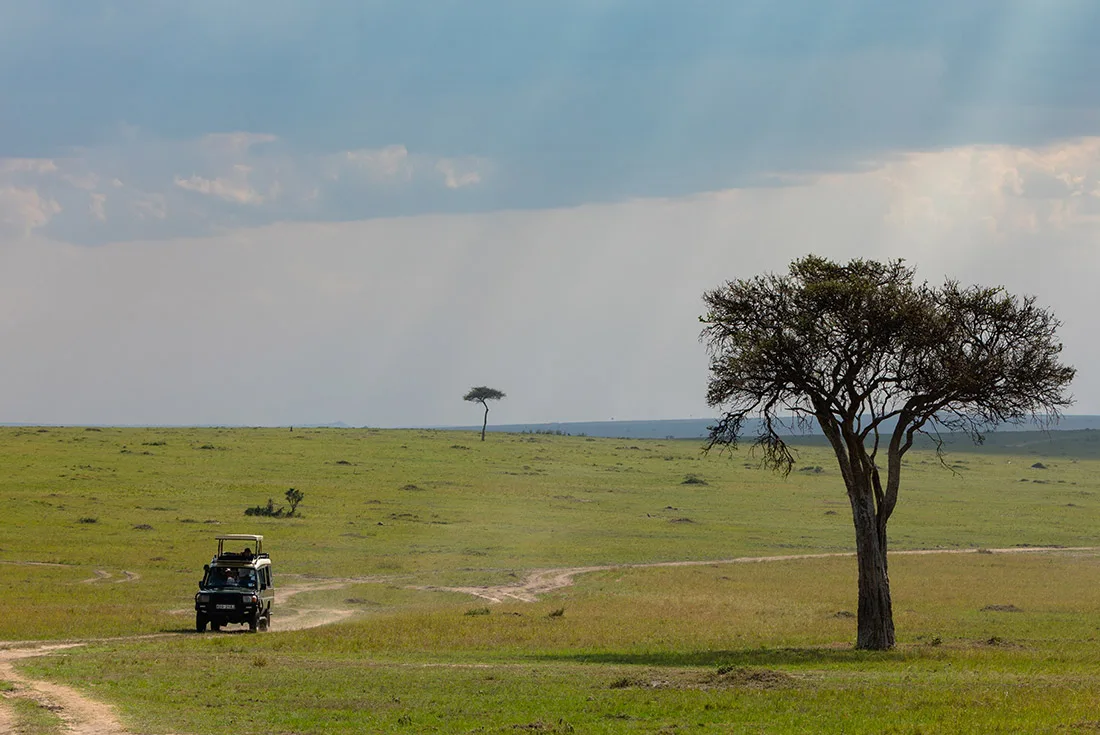
How to Choose Safari Activities
A guide to the main safari activities — game drives, walking, boating, night drives, cultural visits and more — and how to match them to your interests, fitness and budget.
A safari is not just one thing. Behind the single word sit game drives, guided walks, boat cruises, night drives, cultural visits, hides and even hot-air balloons, and the mix you choose shapes your days as much as the destination itself. Many first-time travellers assume every safari is the same drive twice a day, then discover too late that the trip they booked left out the very activity they would have loved most. The good news is that activities are the easiest part of a safari to tailor. Once you understand what each one offers — the pace, the perspective, the physical demand and the kind of sighting it delivers — you can build days that suit your energy, your interests and your budget rather than a generic template. This guide walks through the main activities the way a guide would brief a new group, explaining what each is really like, who it suits and how to combine them, so you arrive with a plan that fits the safari you actually want.
Key things to know
- A safari can include many activities, not just game drives twice a day.
- Game drives cover ground and suit big-game viewing and photography.
- Walking safaris trade distance for detail, tracks, plants and a slower pace.
- Boat and mokoro trips open up rivers, deltas and water-loving wildlife.
- Night drives reveal nocturnal species you never see by day.
- Cultural visits and hides add depth beyond the classic animal sightings.
- Match activities to your fitness, interests, budget and time available.
Start with what you want from the trip
Before comparing activities, decide what you most want to feel and see. Some travellers dream of big cats and vast herds; others want quiet immersion, birds, plants and the small dramas of the bush; others still care most about photography, or about meeting the people who live alongside the wildlife. Your answer points naturally towards certain activities and away from others.
Be honest, too, about pace and energy. A safari packed with dawn starts and long drives thrills some and exhausts others. There is no prize for doing everything; a well-chosen mix of two or three activities you genuinely enjoy beats a punishing schedule of all of them. Start from your interests and your stamina, and let those shape the days rather than a fear of missing out.
The game drive, and getting more from it
The game drive is the backbone of most safaris: a guided vehicle outing, usually at dawn and late afternoon when animals are most active. It covers ground quickly, suits big-game viewing and photography, and works for almost all fitness levels, which is why it anchors nearly every itinerary. A skilled guide and a good vehicle matter more than the number of drives.
To get more from drives, slow down. Time spent sitting quietly with one sighting often beats racing between ticks on a list, and telling your guide what you care about — cats, birds, photography, behaviour — lets them tailor the outing. Private reserves and conservancies often allow off-road driving and fewer vehicles per sighting, which can transform the quality of what you see even if the activity itself is familiar.
- Usually run at dawn and late afternoon when animals are active
- Cover ground quickly and suit big game and photography
- Work for nearly all fitness levels
- Tell your guide your priorities so they can tailor the drive
- Private reserves may offer off-road access and fewer vehicles
Beyond the vehicle: walking, boating and night drives
Stepping out of the vehicle changes safari completely. A guided walking safari trades distance for detail: tracks, dung, insects, plants and the heightened awareness that comes from sharing the ground with big animals on foot. It is led by armed, trained guides, suits reasonably fit travellers and rewards curiosity over box-ticking. Boat cruises and mokoro trips, meanwhile, open up rivers and deltas, bringing you close to hippos, crocodiles, elephants at the water's edge and superb birding, all at a gentle, restful pace.
Night drives reveal a different cast entirely. With a spotlight, you meet the nocturnal animals — leopards on the move, genets, civets, bushbabies, owls and sometimes the smaller cats — that vanish by day. Not every park allows them, and they are a speciality of private reserves in particular, so if the night shift excites you, check that your chosen area permits it before you book.
Cultural visits, hides and specialist activities
Some of the most memorable safari hours have nothing to do with chasing big animals. A well-run cultural visit — to a village, a community project or with local guides — adds human depth and context, provided it is respectful, genuine and fairly organised rather than a staged performance. Photographic hides, often set at waterholes, let you sit at eye level with drinking animals for hours, an approach that rewards patience with intimate, unhurried encounters.
Specialist activities round out the picture: hot-air balloon safaris for a sweeping aerial dawn, birding-focused outings, horse or mobile fly-camping trips, and rhino tracking on foot in some reserves. These often cost extra and may need booking ahead, but for the right traveller a single standout activity can become the highlight of the whole trip.
- Cultural visits add human depth when respectful and genuine
- Photographic hides reward patience with close, eye-level sightings
- Balloon safaris give a sweeping aerial view at dawn
- Specialist trips include birding, horseback and fly-camping
- Many specialist activities cost extra and need booking ahead
Matching activities to fitness, budget and time
The final step is practical. Weigh each activity against your fitness, budget and the length of your trip. Walking and some water activities ask for a degree of mobility; balloons and specialist outings add cost; and a short trip simply cannot fit everything, so ruthless prioritising beats cramming. A sensible rule is to anchor your days with game drives, then add one or two other activities that match what you most want.
Think about balance across the whole itinerary rather than each day in isolation. Alternating active mornings with restful afternoons, or pairing a drive-focused camp with a second that offers walking or water, keeps the trip varied without exhausting you. Talk to your operator early, be clear about your priorities and constraints, and let them shape a rhythm that fits you rather than a one-size-fits-all program.
- Walking and water activities need a degree of mobility
- Balloons and specialist outings add to the cost
- A short trip cannot fit everything — prioritise ruthlessly
- Anchor days with drives, then add one or two chosen activities
- Balance active and restful periods across the whole trip
References & further reading
- Sinclair, A. R. E., et al. (Eds.) (2015). Serengeti IV. Chicago: University of Chicago Press.
- Estes, R. D. (2012). The Behavior Guide to African Mammals. Berkeley: University of California Press.
- Kingdon, J. (2015). The Kingdon Field Guide to African Mammals (2nd ed.). London: Bloomsbury.
- IUCN (2024). The IUCN Red List of Threatened Species, Version 2024-1. www.iucnredlist.org.
Do it with SafariLingo
Take SafariLingo on safari: 300+ species, real animal calls, offline maps and sighting logs — all in your language, wherever you roam.
Get the appFrequently asked questions
Do I have to do a game drive every day?
No. Game drives anchor most safaris because they are flexible and suit all fitness levels, but you can and often should mix in walks, boat trips, night drives or cultural visits. A varied program usually beats the same drive twice a day, especially on a longer trip.
Are walking safaris safe and how fit do I need to be?
Guided walking safaris are led by armed, trained guides who brief you carefully and manage distance from animals, so they are safe when you follow instructions. You need reasonable mobility rather than athletic fitness; walks are usually about detail and awareness, not covering long distances quickly.
Which activities cost extra?
Game drives are usually included in your rate, while hot-air balloons, some private guiding, and certain specialist outings like rhino tracking often carry an additional fee. Ask your operator exactly what is included so you can budget and book high-demand activities such as balloons in advance.
How do I choose activities if I have limited time?
Prioritise ruthlessly. Anchor your days with game drives, then add the single activity that matches your top interest — walking for immersion, boating for water and birds, a balloon for a special dawn. Trying to squeeze in everything on a short trip usually dilutes the experience rather than enriching it.
Are cultural visits worthwhile or just tourist shows?
They can be genuinely enriching when run respectfully and fairly, with real interaction and benefit to the community, rather than a staged performance. Choose operators who work with communities on their terms, and approach the visit with curiosity and respect for the best experience.
Related guides
 Planning & Tips
 How to Back Up Your Photos on Safari
A practical safari photo backup workflow — spare cards, offloading to SSD, phone or laptop, cloud sync, redundancy, batteries and power, and staying organised as you go, so you never lose the shots of a lifetime.
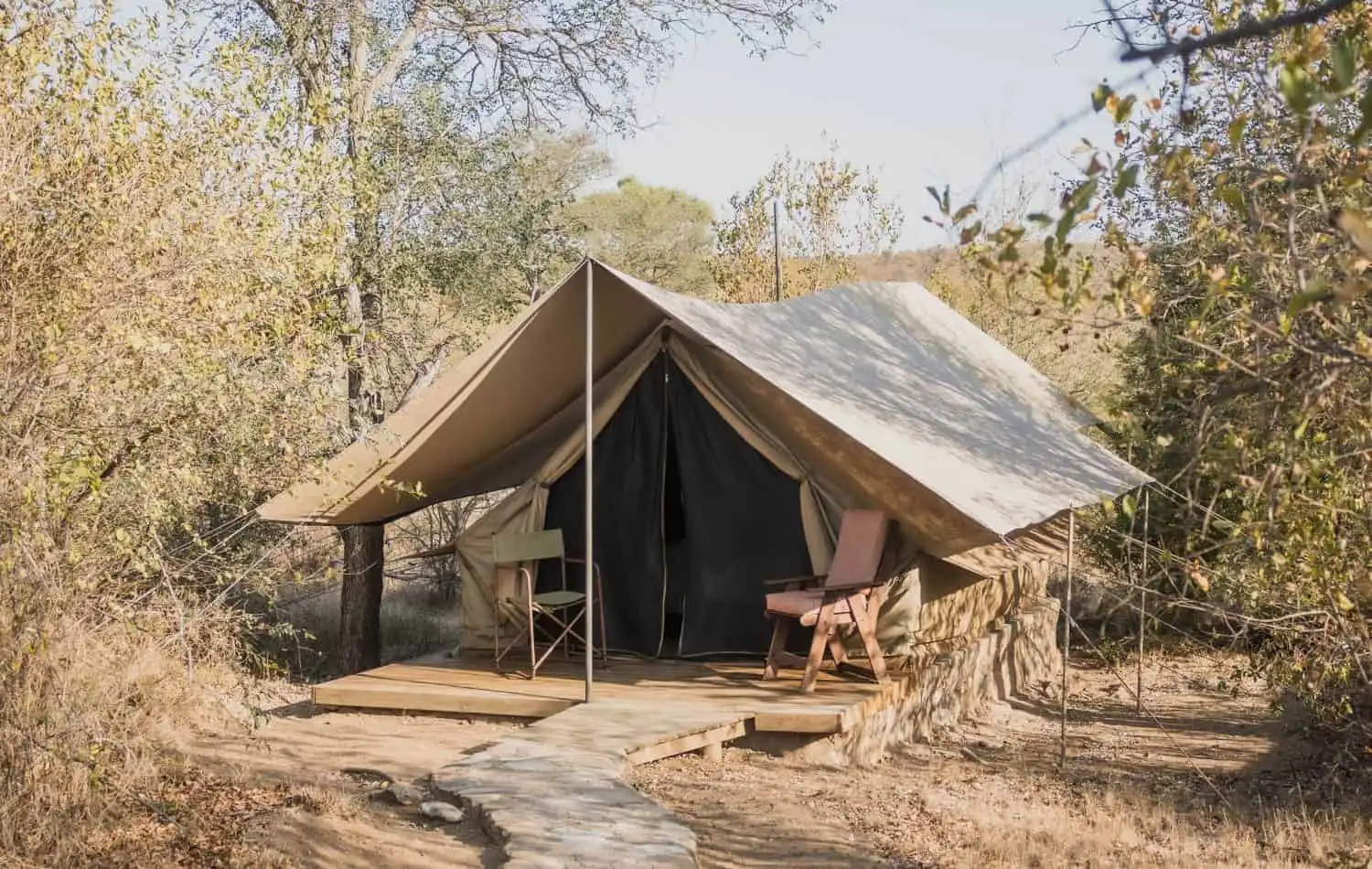 Planning & Tips
 Types of Safari Accommodation
A clear guide to safari accommodation — lodges, tented camps, mobile and fly camps, and budget options — and how to choose the right style for your comfort, budget and sense of adventure.
 Planning & Tips
 How to Choose a Safari Lodge
How to choose a safari lodge: location within the ecosystem, guiding quality, size and intimacy, activities offered, conservation ethos, suitability for families or couples, and value.