
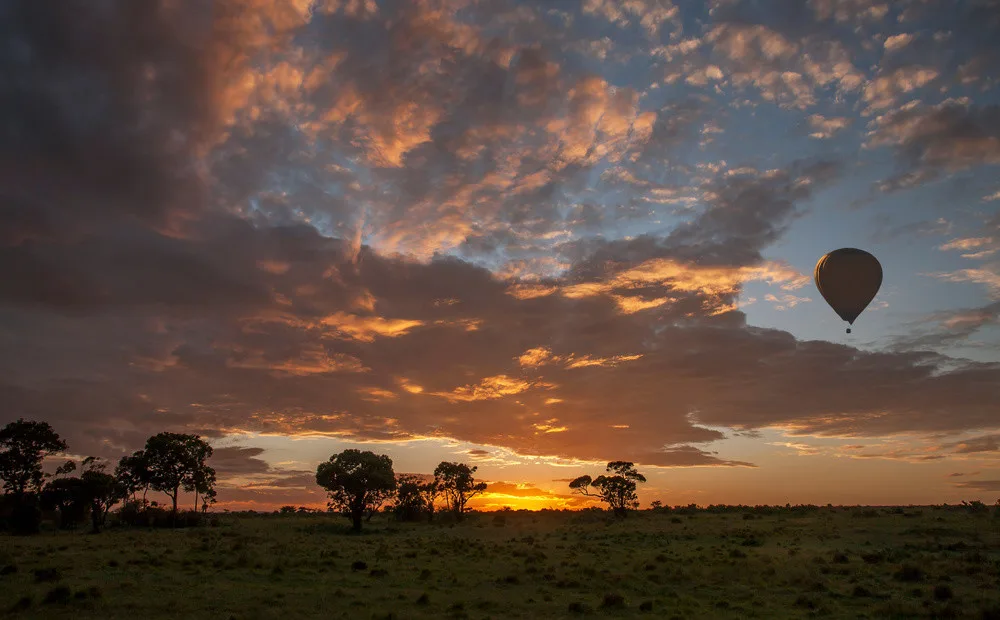
Hot-Air Balloon Safari Explained
What a hot-air balloon safari is really like: the pre-dawn launch, the view over the plains, where it is offered, the bush breakfast, how weather shapes the flight, what it costs and who it suits.
Drifting silently over the African plains as the sun rises is, for many travellers, the single most magical hour of an entire safari. A hot-air balloon flight lifts you above the herds and the endless grass, trading the rattle of a vehicle for near-total quiet, broken only by the occasional roar of the burner. It is part scenic flight, part wildlife experience and part once-in-a-lifetime celebration, and it has become a signature add-on in some of Africa's most famous reserves. But a balloon safari is also an early, weather-dependent and relatively costly undertaking, and it rewards travellers who know what to expect. Flights launch before dawn, last around an hour in the air, and usually end with a sparkling bush breakfast on the plains. The experience is more about sweeping landscapes and atmosphere than close-up animal encounters, and some days simply do not fly if the wind is wrong. This guide explains exactly how a balloon safari works, from the pre-dawn wake-up to the champagne breakfast, where it is offered, what shapes the price and the flying conditions, and who is most likely to find it worth every penny — so you can decide whether to build one into your trip.
Key things to know
- A balloon safari is a pre-dawn scenic flight over the plains, not a close-up game drive.
- Flights launch at first light, last roughly an hour, and end with a bush breakfast.
- The Serengeti, the Masai Mara and parts of Namibia are among the classic locations.
- The view is the point: vast landscapes, light and the scale of the herds from above.
- Weather rules everything; strong wind or storms can delay or cancel a flight.
- It is a premium activity, typically costing several hundred dollars per person.
- It suits celebrations, photographers and anyone comfortable with heights and early starts.
The pre-dawn launch and how a flight unfolds
A balloon safari begins in the dark. You are woken well before sunrise, driven to a launch site and arrive as the crew fires up the burners and the great envelopes slowly inflate and rise upright in the half-light. After a short safety briefing you climb into the basket, and as the sky lightens the balloon lifts off almost imperceptibly, the ground falling away beneath you without any sensation of speed.
For the next hour or so you drift with the wind, the pilot adjusting height with bursts of the burner to catch different air currents and skim low over the plains or rise for a wider view. There is no steering in the usual sense, so every flight is a little different. It ends with a descent to a suitable landing spot, where the ground crew is waiting, and the whole outing typically runs three to four hours from wake-up to return, even though the airborne portion is around sixty minutes.
What you actually see from the air
The magic of a balloon safari is the perspective, not the proximity. From the basket you take in the sheer scale of the landscape: rivers threading through grassland, forest patches, distant escarpments, and the low golden light raking across the plains at sunrise. During the great migration, the sight of herds stretched across the Serengeti or Mara from above is unforgettable, and even outside migration season the sense of space and emptiness is profound.
Wildlife sightings are a bonus rather than a guarantee, and they tend to be at a distance. You may drift over elephants, giraffe, buffalo or grazing antelope, and predators are sometimes visible, but a balloon will never replace a ground game drive for close encounters. Set your expectations accordingly: come for the landscapes, the light and the feeling of floating in silence, and treat any animals below as a wonderful extra rather than the main event.
- Vast landscapes: rivers, plains, forest and escarpments at sunrise
- The scale of migrating herds from above, in season
- Golden low-angle light ideal for wide, atmospheric photography
- Distant wildlife as a bonus, not guaranteed close-ups
- A rare sense of silence and space above the bush
Where balloon safaris are offered
Balloon safaris are concentrated in a handful of iconic destinations. The Serengeti in Tanzania and the Masai Mara in Kenya are the classic choices, offering wide open plains, reliable operators and, in season, the spectacle of the migration below. These are the places most travellers picture when they imagine floating over Africa, and flights there are well established and popular.
Beyond East Africa, parts of Namibia offer a completely different but equally striking balloon experience over desert landscapes, dunes and dry riverbeds, while a number of other reserves across the region run seasonal or occasional flights. Availability, scenery and price vary by location, so it is worth checking which parks on your itinerary actually offer balloons and whether the timing of your visit lines up with the best conditions.
The bush breakfast and the whole experience
A balloon safari is as much an occasion as a flight, and the traditional finale is a sparkling bush breakfast. After landing, you are usually welcomed with a glass of sparkling wine and sit down to a full cooked breakfast laid out on the plains, sometimes under an acacia tree, with the morning still fresh around you. It is a celebratory, sociable end to the outing and a big part of why the experience feels so special.
Many operators also present a commemorative certificate and give you time to chat with the pilot and fellow passengers before the drive back to camp. This combination of adventure, scenery and celebration is why balloon safaris are so often chosen for honeymoons, big birthdays and other milestones. It is worth going in understanding that you are paying for the entire morning and its sense of occasion, not simply for sixty minutes in the air.
Weather, cost and who it suits
Weather governs everything about ballooning. Flights need calm, stable conditions at dawn, so strong wind, low cloud or storms can delay or cancel an outing at short notice, and operators will not fly if it is unsafe. This makes an early, flexible date in your itinerary wise, so a weather cancellation can be rescheduled rather than lost. Reputable operators refund or rebook cancelled flights, but the possibility is real and worth planning around.
A balloon safari is a premium activity, typically costing several hundred dollars per person, so it is a considered splurge rather than a casual add-on. It suits travellers celebrating a special occasion, keen photographers after sweeping aerial images, and anyone comfortable with heights and very early starts. It is less suited to those on a tight budget, with serious mobility issues climbing into a basket, or who mainly want close wildlife, for whom that money may be better spent on extra game drives.
- Flights need calm, stable dawn weather and may be cancelled at short notice
- Book an early, flexible date so a cancellation can be rescheduled
- Expect to pay several hundred dollars per person
- Ideal for celebrations, photographers and the reasonably mobile
- Less suited to tight budgets or those wanting close-up wildlife
References & further reading
- Sinclair, A. R. E., et al. (Eds.) (2015). Serengeti IV. Chicago: University of Chicago Press.
- Estes, R. D. (2012). The Behavior Guide to African Mammals. Berkeley: University of California Press.
- Kingdon, J. (2015). The Kingdon Field Guide to African Mammals (2nd ed.). London: Bloomsbury.
- IUCN (2024). The IUCN Red List of Threatened Species, Version 2024-1. www.iucnredlist.org.
Do it with SafariLingo
Take SafariLingo on safari: 300+ species, real animal calls, offline maps and sighting logs — all in your language, wherever you roam.
Get the appFrequently asked questions
How long is a hot-air balloon safari?
The flight itself usually lasts around an hour, but the whole outing runs about three to four hours. You are woken before dawn, driven to the launch site, fly at first light, then land for a bush breakfast before returning to camp. It is best to think of it as a full morning experience rather than a quick sixty-minute activity.
Where can I do a balloon safari?
The classic locations are the Serengeti in Tanzania and the Masai Mara in Kenya, which offer wide plains and, in season, the migration below. Parts of Namibia offer a striking desert version over dunes and dry riverbeds, and various other reserves run seasonal flights. Check whether the specific parks on your itinerary actually offer balloons.
Will I see lots of animals from the balloon?
You may see wildlife such as elephants, giraffe, buffalo and antelope, and sometimes predators, but usually at a distance. A balloon safari is about sweeping landscapes, light and atmosphere rather than close-up encounters, so treat animal sightings as a bonus and rely on ground game drives for close viewing.
What happens if the weather is bad?
Flights need calm, stable conditions at dawn, so strong wind, low cloud or storms can delay or cancel an outing, and operators will not fly if it is unsafe. Reputable operators refund or rebook cancelled flights, so it is wise to schedule your balloon early in your trip with a flexible date, allowing a cancellation to be moved to another morning.
Who is a balloon safari best suited to?
It suits travellers marking a special occasion, keen photographers after aerial images, and anyone comfortable with heights and very early starts. It is a premium activity costing several hundred dollars per person, so it is less ideal for tight budgets, those with serious difficulty climbing into a basket, or people who mainly want close-up wildlife.
Related guides
 National Parks
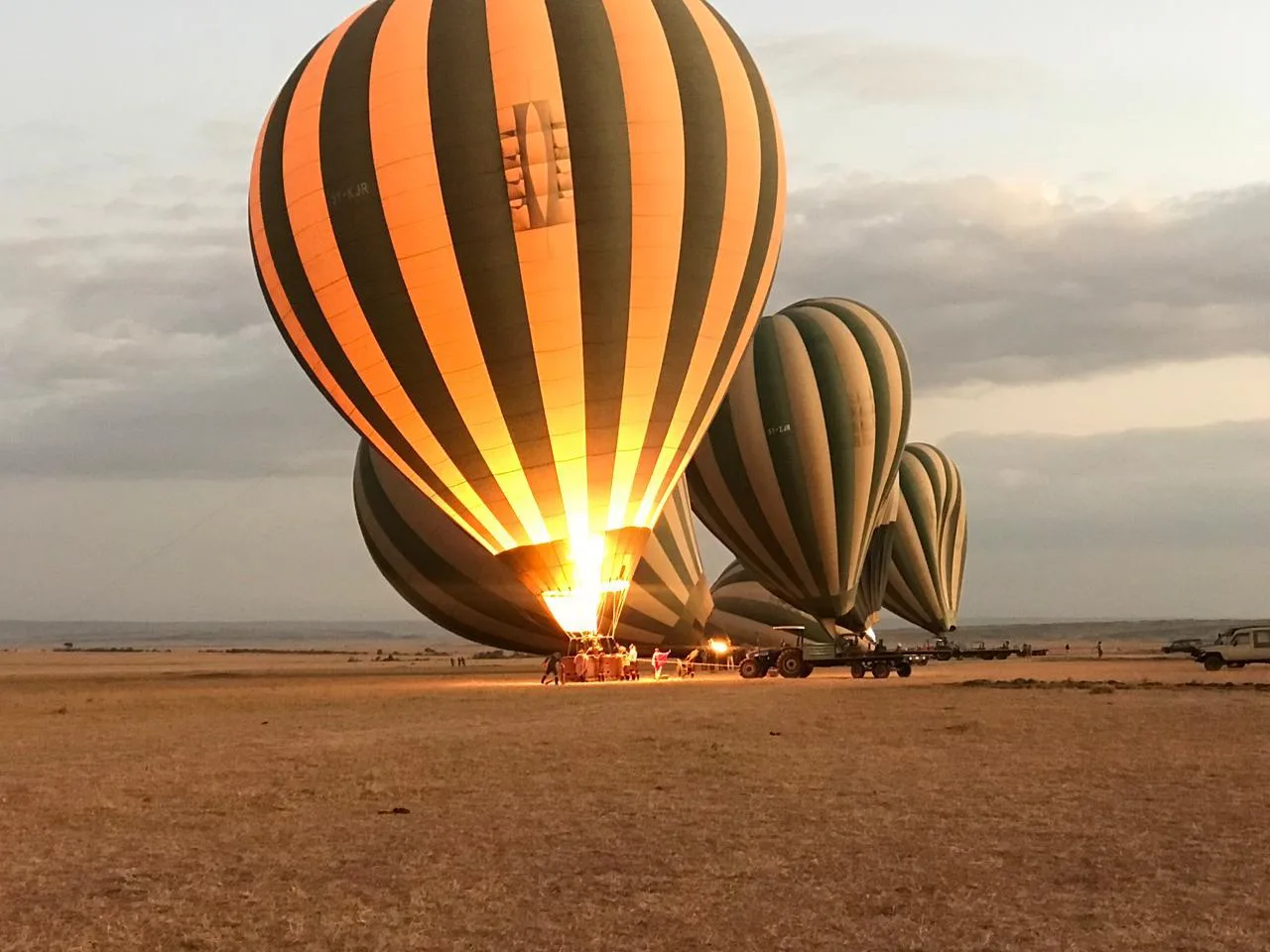
 Night Game Drives Explained
A complete guide to night game drives on safari: the nocturnal species you can hope to see, spotlight etiquette that protects wildlife, where night drives are permitted, why conservancies and private reserves lead the way, what to wear, and how the bush transforms after dark.
 National Parks
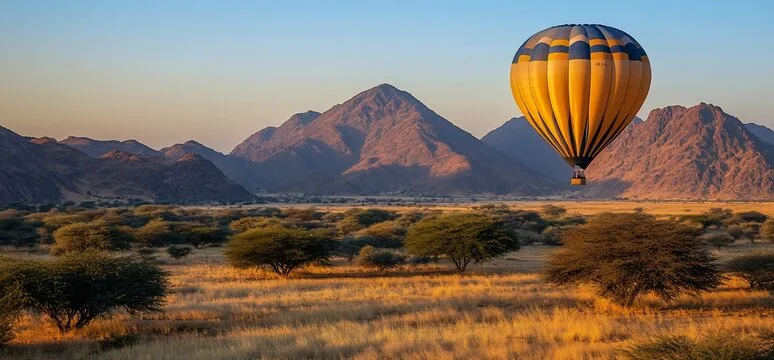
 Guided Walking Safari: What to Expect and Practical Tips
A field guide to your first walking safari — group size, safety protocols, footwear, fitness, wind and the small things that make walking the most intimate way to experience Africa.
 National Parks
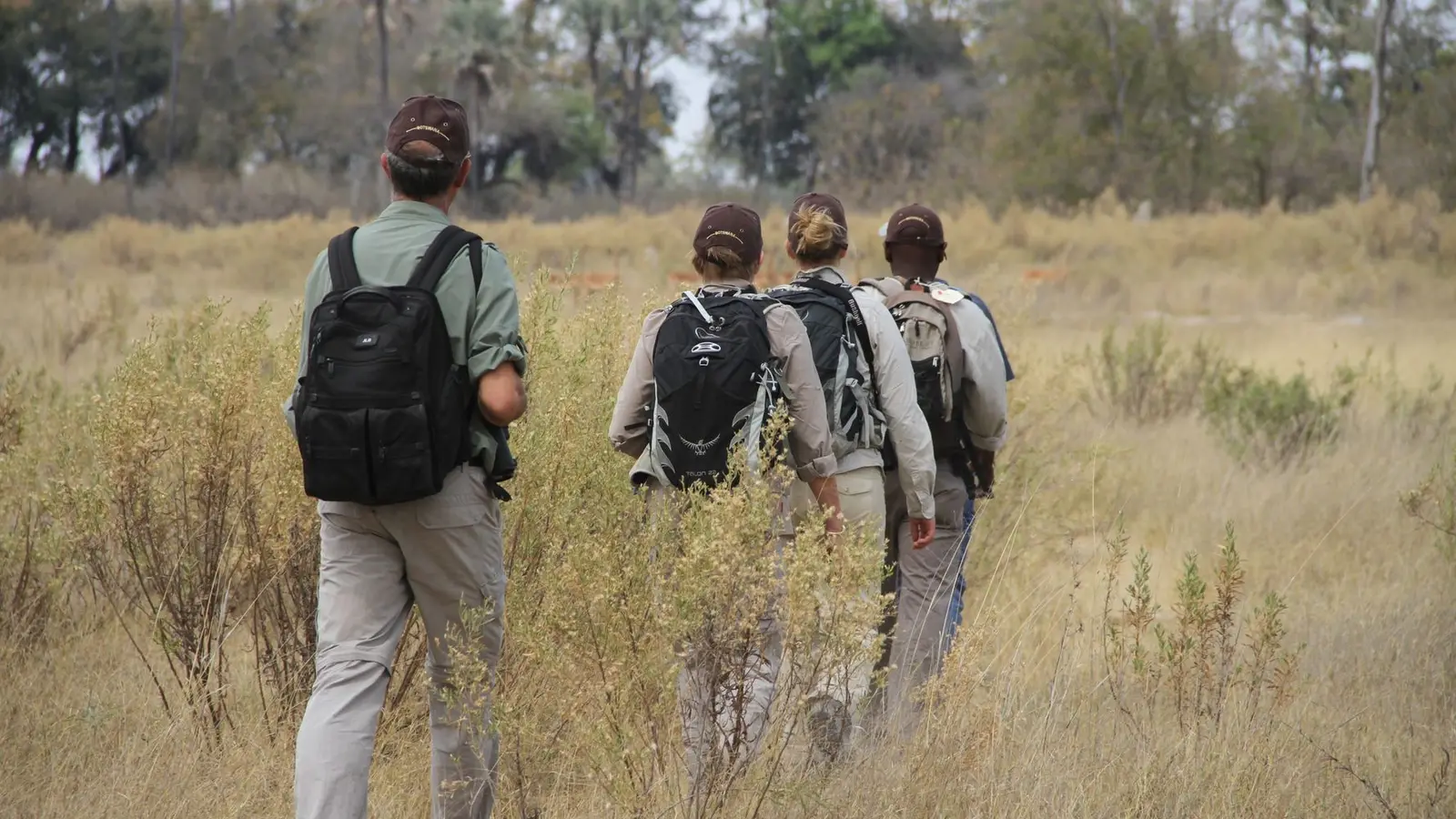
 Canoe and Mokoro Safari: The Water-Level Wilderness
What a canoe or mokoro safari really involves — Okavango's dugout channels and the Lower Zambezi's canoe trails, safety around hippos and crocs, and why water-level travel changes everything.