
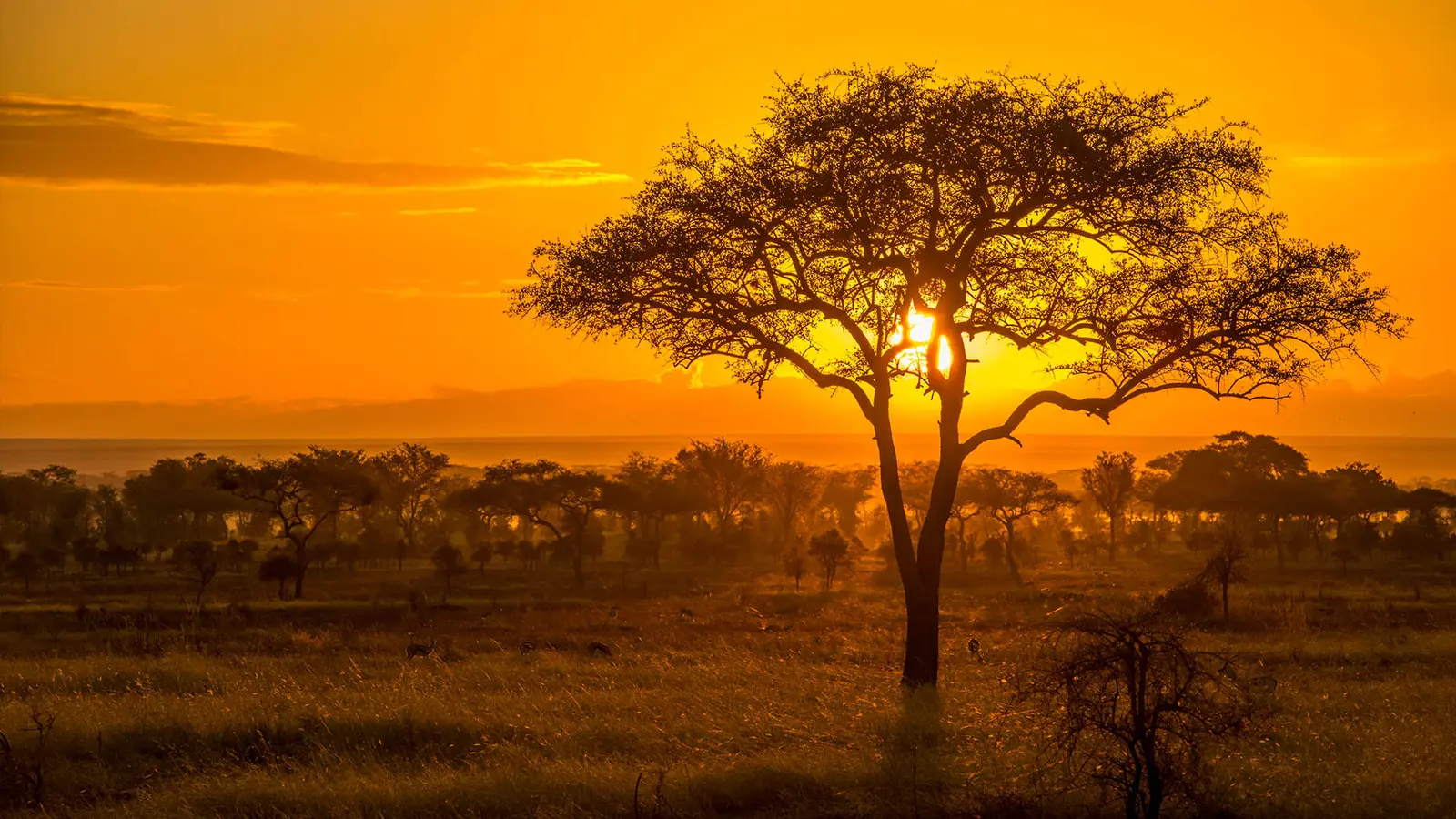
Best Green-Season Safari Destinations
Where Africa's green (wet) season shines — the southern Serengeti calving, world-class birding, a transformed Kalahari, dramatic skies and genuine low-season value — plus how to handle rain, mud and access.
Ask most first-timers when to go on safari and they will say the dry season, when thirsty animals crowd the last waterholes and the grass is short. That advice is sound, but it quietly writes off half the year. The green season — broadly November to May across much of East and Southern Africa, split into the short rains and the long rains — is when the bush comes back to life, and for many travellers it is the more rewarding, more affordable and more photogenic time to be out there. Green season is not one uniform thing. In the southern Serengeti it means hundreds of thousands of wildebeest dropping their calves on mineral-rich short-grass plains. In the Kalahari it means desert-adapted antelope and their predators drawn onto flushes of new grazing. In the great river deltas and floodplains it can mean higher water, lush reedbeds and spectacular birding. The trade-offs are real too: some roads turn to black-cotton mud, a handful of seasonal camps close, and the tall grass can hide game. This guide walks through the destinations where green season genuinely shines, what each one offers month by month, and the practical calls — on timing, vehicles, health and photography — that let you turn the rains to your advantage rather than fighting them.
Key things to know
- The southern Serengeti and Ndutu calving season (roughly late January to March) is the single best green-season wildlife spectacle in Africa
- Migrant and resident birds arrive in breeding plumage from November, making green season the peak for birders across the continent
- The Central Kalahari and wider Kalahari basin transform after the rains, concentrating oryx, springbok and their predators
- Rates fall sharply in the low months and vehicles are far fewer, so you trade some visibility for space, value and light
- Dramatic skies, saturated colour and clean, dust-free air make the green season a photographer's favourite
- Newborn animals mean concentrated predator action — big cats and hyenas follow the calving herds
- Practical costs: black-cotton roads, occasional camp closures and higher malaria risk in the wettest weeks
- Not every park suits the rains — pick regions built for green season rather than forcing a dry-season itinerary
What green season actually means
Africa does not have one rainy season; it has several, shaped by latitude and altitude. In East Africa there are typically short rains around November and December and longer rains from roughly March to May, with a drier window in January and February that is prime for the southern Serengeti. In much of Southern Africa the wet season runs as a single block from about November to April, peaking in December through February. Because the equator sits between them, the two systems are almost mirror images, which is why you can nearly always find good green-season conditions somewhere.
The phrase 'green season' is partly a marketing softening of 'wet season', but it captures something true. Rain here is usually not all-day drizzle; it is dramatic afternoon storms that build, break and clear, leaving washed light and, often, perfectly good morning game drives. Understanding your destination's specific rhythm — short rains versus long rains, highland versus lowland — is the first decision that separates a frustrating trip from a brilliant one.
- East Africa short rains: roughly November to December, brief afternoon storms
- East Africa long rains: roughly March to May, the wettest and quietest stretch
- Southern Serengeti sweet spot: January to February, drier gap between the rains
- Southern Africa wet season: about November to April, peak December to February
- Highlands stay cooler and greener; low-lying valleys feel humid and lush
The southern Serengeti calving spectacle
If there is one reason to book a green-season safari, it is the calving on the short-grass plains of the southern Serengeti and the Ndutu area on the edge of the Ngorongoro Conservation Area. Between roughly late January and March, the great migration herds gather here because volcanic soils produce mineral-rich grass ideal for lactating mothers. In a compressed few weeks, several hundred thousand wildebeest calves are born, most within a remarkably short synchronised window.
That abundance draws every predator on the plains. Lions, cheetahs, spotted hyenas and jackals all key into the vulnerable newborns, so sightings of hunts, chases and kills are far more frequent than at other times of year. The open, treeless plains make for superb visibility and photography — you can watch a cheetah line up a chase across a kilometre of grass. This is a genuine bucket-list wildlife event, and it happens squarely in the green season.
A birder's paradise
For anyone who enjoys birds, the green season is not a compromise; it is the whole point. From November the Palearctic and intra-African migrants pour in, and resident species moult into breeding plumage and start displaying, calling and nesting. Wetlands fill, insects explode, and the sheer density and diversity of birdlife peaks precisely when big-game visibility is at its lowest. Many keen birders deliberately travel in the rains for this reason.
Good green-season birding is nearly everywhere, but a few regions stand out. The floodplains and deltas of Southern Africa, the Rift Valley lakes of Kenya and Tanzania, and the wetlands of Zambia and Botswana all light up. Carnivorous carmine bee-eaters, storks, migratory raptors and countless waterbirds are at their most active and colourful.
- Carmine and other bee-eaters in breeding colour
- Migratory raptors such as steppe eagles and hobbies
- Storks, herons and egrets crowding flooded pans
- Weavers and widowbirds in full breeding dress
- Waders and waterfowl on Rift Valley soda lakes
The Kalahari and desert transformations
Deserts are the surprise stars of the green season. The Central Kalahari Game Reserve in Botswana and the wider Kalahari across Botswana, Namibia and South Africa are harsh and sparse in the dry months, but the rains trigger a flush of new grass on the pans and valleys. Herds of springbok, gemsbok (oryx), hartebeest and wildebeest concentrate on this grazing, and with them come the Kalahari's famous black-maned lions, cheetahs and brown hyenas.
This is also when the desert is at its most beautiful: green-fringed pans, wildflowers, and skies stacked with cumulus. Kgalagadi Transfrontier Park on the South Africa–Botswana border is a classic green-season choice, with predators hunting along the dry riverbeds and raptors nesting in the camelthorns. Because the desert drains quickly, access here is often easier in the rains than in true mud-country parks.
Value, crowds and light
The green season is when safari value is at its best. Many camps drop to low-season or 'emerald' rates, sometimes dramatically, and the pressure on permits, vehicles and airstrips eases. On a green-season morning you may share a sighting with no one at all — a very different experience from a peak-August queue of vehicles at a river crossing. For travellers on a budget, or those who prize solitude, that alone can justify the trade-off.
Photographers have their own reasons to love it. Storm light, rainbows, dramatic skies and the total absence of dust produce images you simply cannot get in the dry season. Foregrounds are green rather than dun, animals look sleek and well-fed, and the low-angle light after a storm is extraordinary. The catch is variability: you must be flexible and ready to work around weather rather than expecting clockwork conditions.
- Room rates often fall well below peak-season levels
- Fewer vehicles at sightings and more exclusive game viewing
- Airstrips and permits far less pressured than in high season
- Clean, dust-free air and saturated storm-light for photography
- Sleek, healthy-looking animals against green backdrops
Managing rain, roads and health
The green season rewards the prepared. The biggest practical issue is access: 'black-cotton' soils turn to deep, greasy mud when wet, and some tracks and even camps close during the long rains. The fix is to choose regions and camps built for the season — well-drained plains, sandy deserts and fly-in camps with all-weather airstrips — rather than forcing a dry-season route through a swamp. Ask your operator directly what happens to their roads after a heavy storm.
Health and comfort matter more too. Mosquito numbers rise, so malaria precautions are especially important in the wet months; consult a travel clinic about prophylaxis and bring good repellent and long sleeves for dusk. Pack a proper rain shell, quick-dry layers and a dry bag for cameras. None of this is onerous, but green season is less forgiving of the traveller who turns up expecting guaranteed sun and hard, dry roads.
- Favour well-drained plains, deserts or fly-in camps over mud-prone tracks
- Confirm with operators which roads and camps stay open in the rains
- Take malaria precautions seriously and consult a travel clinic
- Pack a rain shell, quick-dry clothing and a waterproof camera bag
- Build slack into itineraries so a washed-out drive is not a crisis
References & further reading
- Sinclair, A. R. E., et al. (Eds.) (2015). Serengeti IV. Chicago: University of Chicago Press.
- Estes, R. D. (2012). The Behavior Guide to African Mammals. Berkeley: University of California Press.
- Kingdon, J. (2015). The Kingdon Field Guide to African Mammals (2nd ed.). London: Bloomsbury.
- IUCN (2024). The IUCN Red List of Threatened Species, Version 2024-1. www.iucnredlist.org.
Do it with SafariLingo
Take SafariLingo on safari: 300+ species, real animal calls, offline maps and sighting logs — all in your language, wherever you roam.
Get the appFrequently asked questions
Is the green season a bad time for a first safari?
Not at all, if you choose the right destination. The southern Serengeti calving, Kalahari and prime birding areas are arguably at their best in the green season. Just avoid forcing a classic dry-season route through mud-prone parks, and go in with flexible expectations about weather.
Will rain ruin my game drives?
Rarely all day. Green-season rain is usually short, dramatic afternoon storms, leaving clear mornings and beautiful light. You may lose the odd drive, so build a little slack into your plans, but most drives go ahead as normal.
Is malaria risk higher in the green season?
Yes, mosquito numbers rise in the wet months, so malaria precautions matter more. Consult a travel clinic well before departure about prophylaxis, use repellent, and cover up at dusk. Treat this as essential planning, not an afterthought.
Why is the green season cheaper?
Because demand drops when the classic dry-season crowds stay home. Many camps offer low-season or 'emerald' rates, and there is less pressure on permits and vehicles. You trade some big-game visibility for genuine value, space and light.
Where should a birder go in the green season?
Almost anywhere improves, but the floodplains and deltas of Southern Africa, the Rift Valley lakes of Kenya and Tanzania, and the wetlands of Zambia and Botswana are outstanding. Migrants arrive and residents are in breeding plumage from November onward.
Related guides
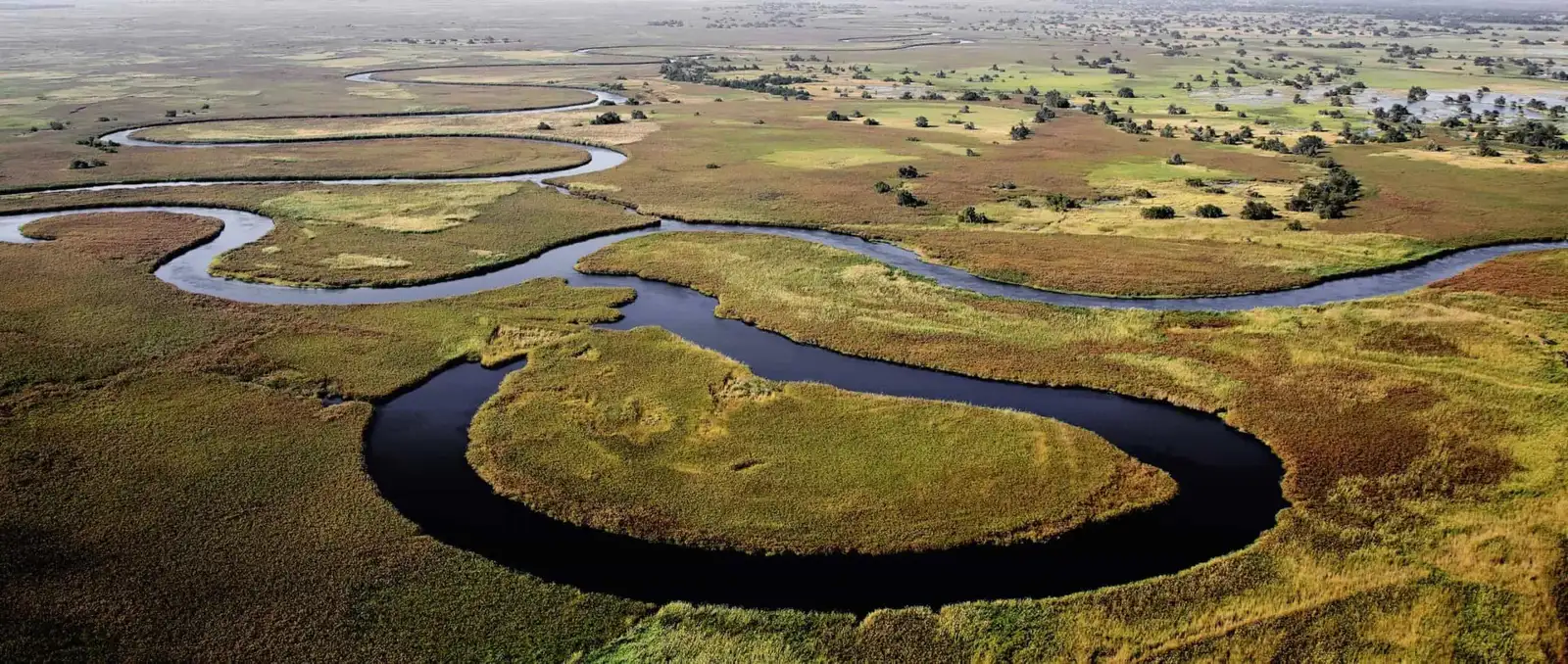 Destinations
 Off-the-Beaten-Track Safari Destinations
A guide to Africa's wilder, less-visited safari destinations — from Zambia's Kafue and Liuwa Plain to Tanzania's Ruaha and Katavi, Chad's Zakouma and Uganda's Kidepo — for travellers who want space, solitude and adventure over crowds.
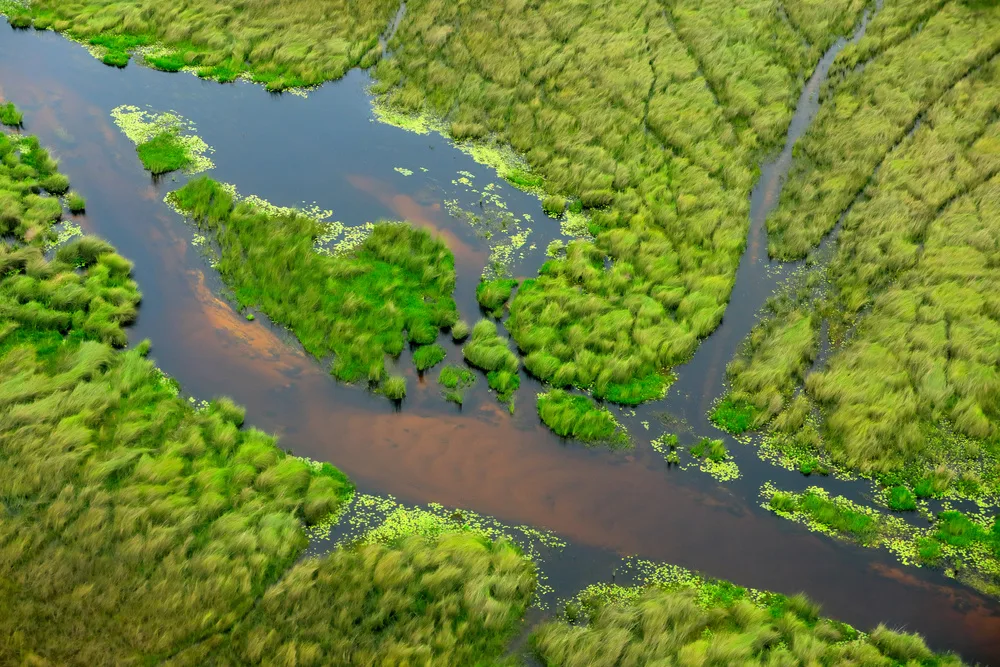 Destinations
 Combining Two Countries on One Safari
How and why to combine two countries on a single safari: classic pairings like Kenya and Tanzania, Botswana and Zimbabwe, or Rwanda and Kenya, plus flights, visas, pacing and getting real depth.
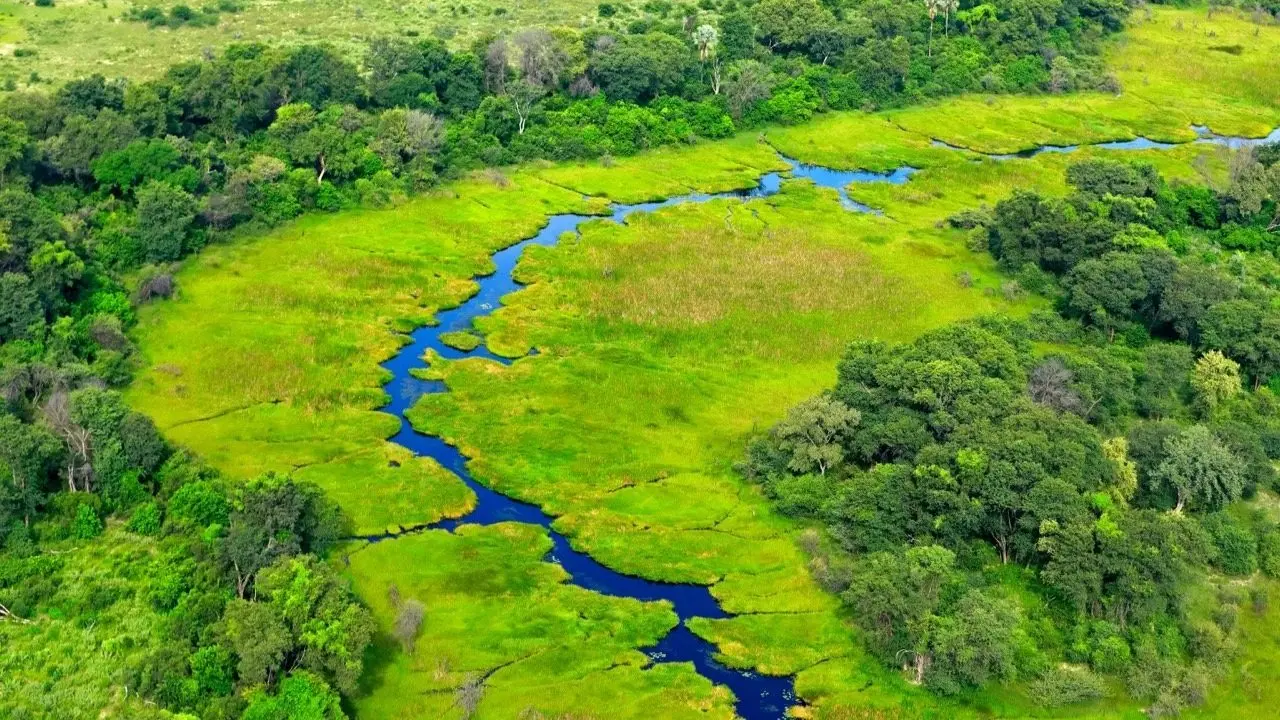 Destinations
 How Safari Tourism Funds Conservation
How your safari helps protect wild Africa — park fees, private concessions, community land leases, local jobs, anti-poaching funding and responsible tourism — plus how to choose operators whose money genuinely reaches wildlife and people.