
The Great Migration Calving Season Explained
A guide to the Great Migration calving season on the southern Serengeti: when it happens, what to expect and the intense predator action it triggers.
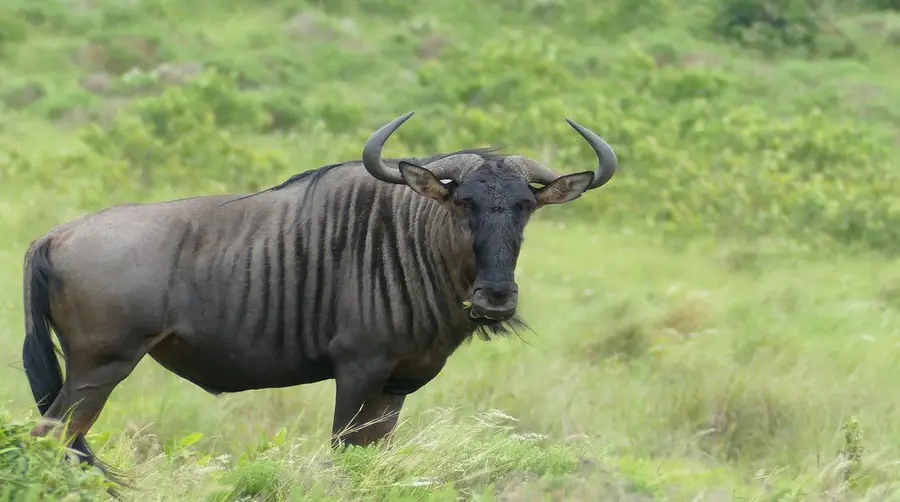
Each year around late January and February, roughly half a million wildebeest calves are born on the southern Serengeti and Ndutu short-grass plains in a short, dramatic window. Timed so that the flush of nutritious new grass feeds nursing mothers, this synchronised birth pulse overwhelms predators with sheer numbers — a survival strategy written into the herd's biology. For visitors it is one of the most action-packed and photogenic phases of the whole migration.
Key things to know
- Calving peaks on the short-grass plains around Ndutu in late Jan–Feb.
- Hundreds of thousands of calves are born within a few weeks in a synchronised pulse.
- Newborns can stand and run within minutes — a vital defence against predators.
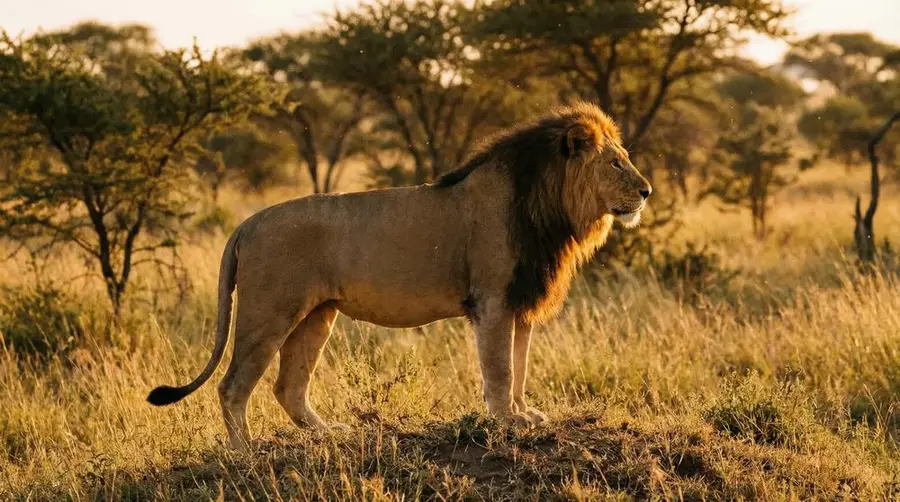
- The concentration of vulnerable young draws intense lion, cheetah and hyena activity.
- It is one of the best times of year for big-cat sightings and dramatic behaviour.
- The open plains and soft light make it a superb period for photography.
References & further reading
- Thirgood, S., et al. (2004). Can parks protect migratory ungulates? The case of the Serengeti wildebeest. Animal Conservation, 7(2), 113-120.
- Holdo, R. M., Holt, R. D., & Fryxell, J. M. (2009). Opposing rainfall and plant nutritional gradients best explain the wildebeest migration in the Serengeti. The American Naturalist, 173(4), 431-445.
- Sinclair, A. R. E., et al. (Eds.) (2015). Serengeti IV. Chicago: University of Chicago Press.
Do it with SafariLingo
Take SafariLingo on safari: 500+ species, real animal calls, offline maps and sighting logs — all in your language, wherever you roam.
Get the appFrequently asked questions
When is calving season in the Serengeti?
Calving usually peaks in late January and February on the southern Serengeti and Ndutu plains. The exact timing shifts a little each year with the short rains that green the plains. Aim for these months and stay flexible for the best of the action.
Why is calving season good for predator sightings?
The sudden abundance of vulnerable newborns is an easy food source, so lions, cheetahs and hyenas concentrate and hunt actively. The open short-grass plains also make hunts easy to see and photograph. Few times of year offer such reliable, dramatic big-cat behaviour.
Where should I stay for the calving season?
Base yourself around the Ndutu area and the southern Serengeti plains, where the herds concentrate to give birth. Mobile camps that relocate for the season put you right among the action. Book early, as the best-positioned camps fill quickly for this popular window.
Related guides
Destinations Where to Go on Safari in February
The best safari destinations to visit in February: which African parks and countries offer great wildlife viewing at this time of year, and why.
Destinations Where to See the Mara River Crossings
How and where to see the dramatic Mara River crossings of the Great Migration, the best time of year to witness them, and how to position yourself for the action.
 Destinations
 Best Time for a Safari in Tanzania
When to go on safari in Tanzania: the best months for wildlife, the dry versus green season, peak travel periods and how to choose the dates that suit you.