
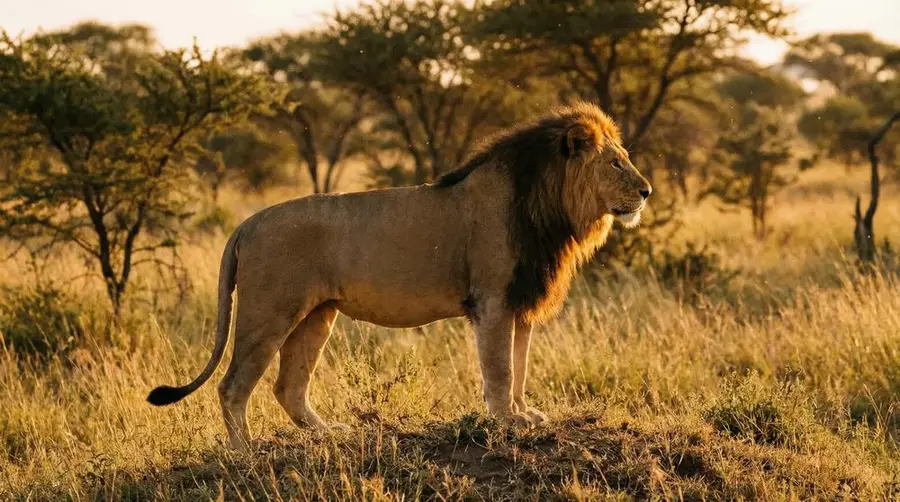
Best Time for a Safari in Tanzania
When to go on safari in Tanzania: the best months for wildlife, the dry versus green season, peak travel periods and how to choose the dates that suit you.
Choosing the right dates shapes your whole safari in Tanzania, from how easily you see wildlife to what you pay and how many other vehicles you share sightings with. This guide explains the difference between the dry and green seasons, when the peak periods fall, and how to match your travel dates to your priorities.
| Capital | Dodoma |
|---|---|
| Currency | Tanzanian Shilling (TZS) |
| Region | East Africa |
| Main gateway airport | Kilimanjaro International Airport (JRO) or Julius Nyerere International Airport (DAR) |
| Malaria risk | Yes |
Dry season and green season
In Tanzania, the dry months concentrate wildlife around dwindling water and thin out the vegetation, making animals easier to find and photograph. The green months, by contrast, bring dramatic skies, newborn animals, migrant birds and vivid scenery, usually with fewer crowds and lower prices. Each season suits a different kind of traveller.
Peak season
The busiest and often priciest period lines up with the best wildlife viewing, so demand for camps and guides is highest then. If you plan to travel in peak season, book well ahead to secure the best lodges. Travelling just before or after the peak can offer a smart balance of good sightings, lower prices and quieter roads.
The seasons in Tanzania
Safari in Tanzania is governed by the interplay of dry and wet seasons, and each offers a genuinely different trip. The dry months thin the vegetation and pull animals to shrinking water sources, making wildlife easier to find and photograph. The green season flips the picture — the land turns lush, migratory birds arrive, herbivores calve, and the crowds and prices ease.
Neither is simply 'better'. The right season depends on what you want: peak game density and visibility, or dramatic scenery, birds and value. Knowing how Tanzania's seasons actually feel on the ground lets you choose with your eyes open rather than defaulting to the busiest window.
- Dry season: best visibility and animal concentrations, busiest and priciest
- Green season: lush, birds and newborns, quieter and better value
- Shoulder weeks blend the two and often offer the best balance
Peak versus shoulder
The peak months in Tanzania deliver the postcard safari — and the highest prices, fullest camps and busiest sightings. If reliable big-game viewing is your priority and budget allows, book that window early, because the best camps sell out many months ahead.
The shoulder weeks on either side of peak are the connoisseur's choice. Conditions are often nearly as good, yet rates soften, roads quieten and each sighting is shared with fewer vehicles. If you have any flexibility, nudging your dates a few weeks off the peak can transform both the value and the atmosphere of the trip.
Matching the month to your goals
Rather than asking simply when the 'best' time is, ask what you most want from Tanzania. A specific spectacle, big cats, birding, honeymoon seclusion or a tight budget each point to a different month, and sometimes to a different region within the country.
Once your priority is clear, check it against recent local conditions, because the timing of the rains varies from year to year. A good operator who knows Tanzania well can steer you to the standout choice for your exact dates, balancing wildlife, weather, crowds and cost around what matters most to you.
References & further reading
- Briggs, P. (2021). East Africa Safari Guides. Chalfont St Peter: Bradt Travel Guides.
- World Health Organization (2023). International Travel and Health. Geneva: WHO.
- IUCN (2024). The IUCN Red List of Threatened Species, Version 2024-1. www.iucnredlist.org.
- UNEP-WCMC & IUCN (2024). Protected Planet: The World Database on Protected Areas (WDPA).
Do it with SafariLingo
Planning a safari in Tanzania? SafariLingo is your offline field guide to every animal you will meet, with real calls and sighting logs in nine languages.
Get the appFrequently asked questions
What is the best month for a safari in Tanzania?
The dry-season months are generally best for wildlife viewing in Tanzania, when animals gather around water and cover is sparse. The green season offers better value, fewer crowds and superb scenery. The 'best' month ultimately depends on whether you prioritise sightings, budget or photography.
Is the green season a good time to visit Tanzania?
It can be excellent, especially for birding, photography and value. Vegetation is thicker so some animals take more effort to find, but you gain dramatic light, newborn wildlife and far fewer vehicles. Many experienced travellers prefer it for exactly these reasons.
When is the cheapest time to go on safari in Tanzania?
Prices are usually lowest in the green or low season, away from the peak wildlife-viewing months. Camps offer better rates and availability, and the landscapes are at their most photogenic. The trade-off is thicker vegetation and a chance of rain.
Related guides
 Destinations
 Where to Go on Safari in July
The best safari destinations to visit in July: which African parks and countries offer great wildlife viewing at this time of year, and why.
Destinations Tanzania Safari Guide
A complete guide to safaris in Tanzania: the top parks, wildlife, best time to travel, visas, costs and practical tips for planning a smooth trip.
 Destinations
 Best Time for a Safari in Zambia
When to go on safari in Zambia: the best months for wildlife, the dry versus green season, peak travel periods and how to choose the dates that suit you.