
Africa's Primates on Safari
A guide to Africa's safari primates — from baboons and vervet monkeys to gorillas and chimpanzees — with tips on where and how to see them.
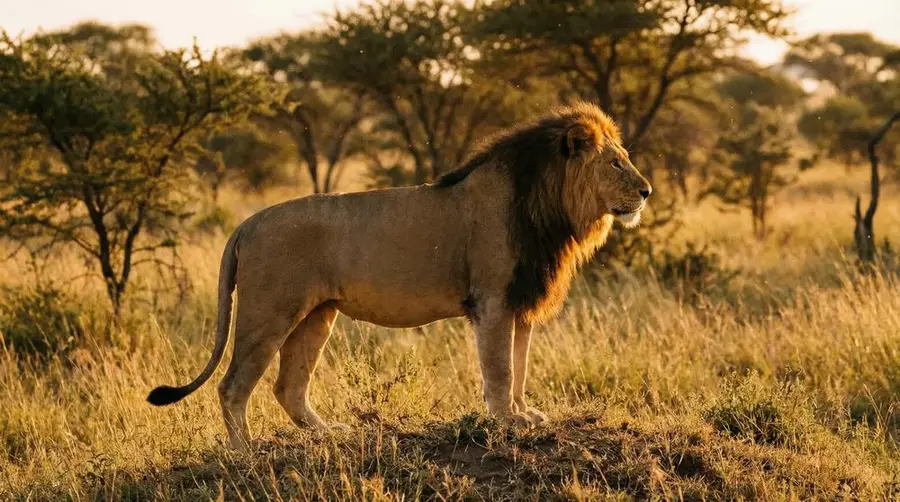
From noisy troops of baboons on the plains to gorillas and chimpanzees in the misty forests, Africa's primates are among the most engaging and human-like animals to watch. Their complex social lives, expressive faces and constant interaction reward patient observation more than a quick photo. Whether glimpsed roadside or tracked on foot through the forest, primates add a memorable dimension to any safari.
The species
 LC
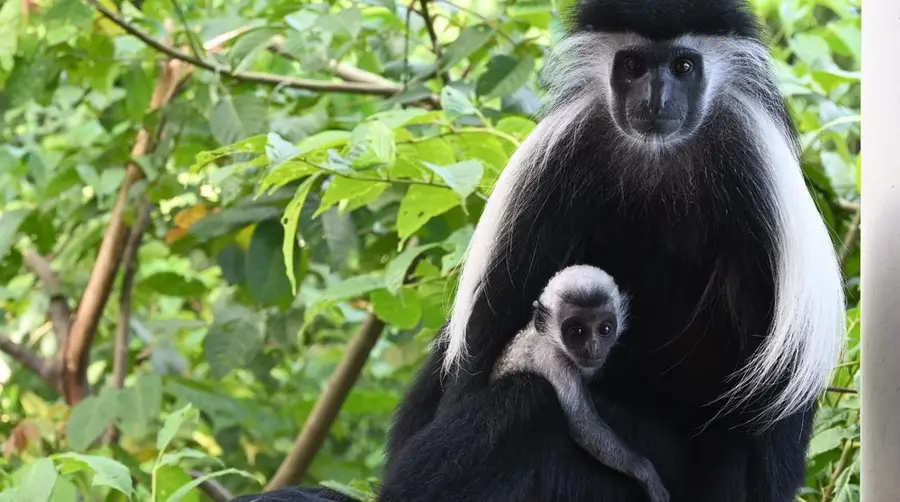
LC Angola Colobus
Colobus angolensis
 LC
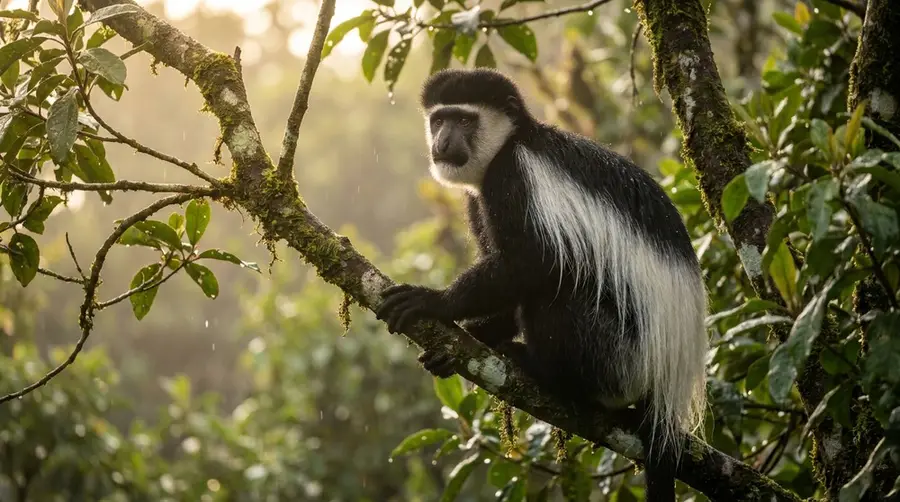
LC Black-and-White Colobus
Colobus guereza
 LC
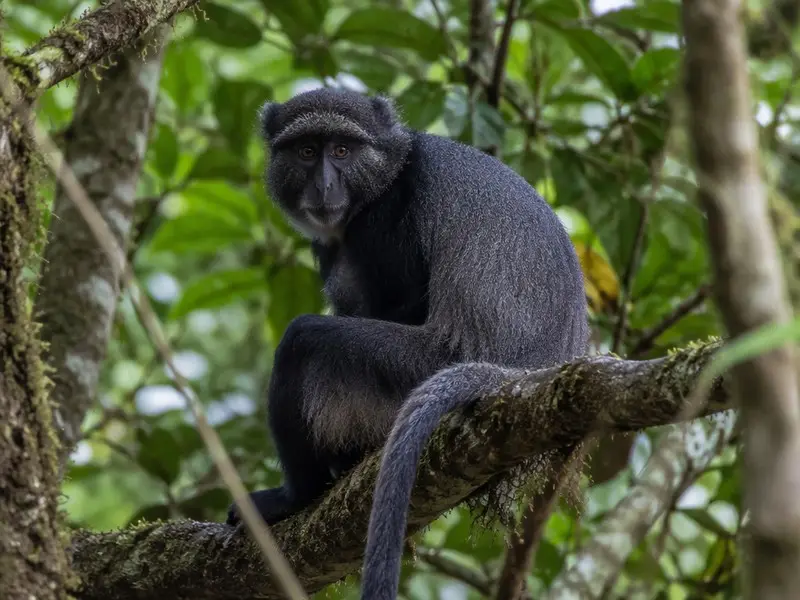
LC Blue Monkey
Cercopithecus mitis
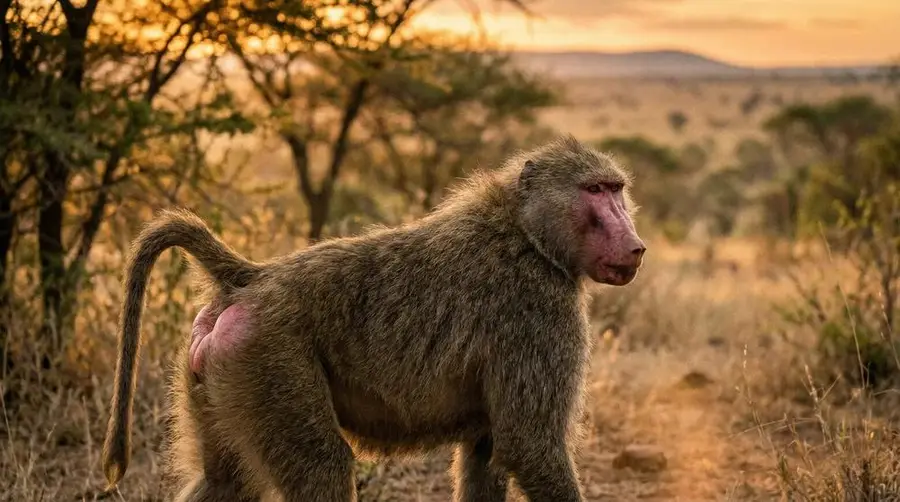 LC
LC Chacma Baboon
Papio ursinus
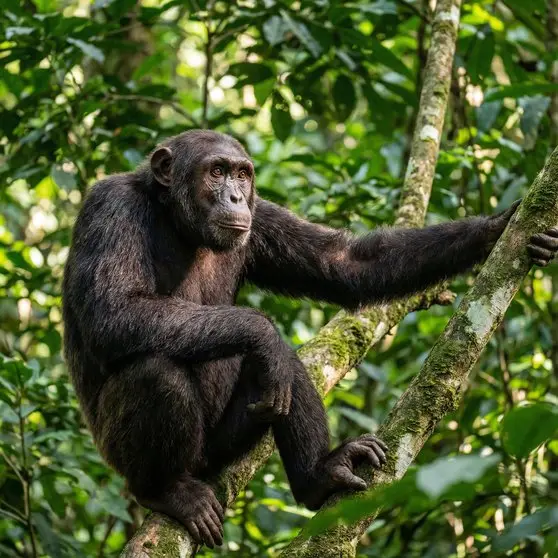 EN
EN Chimpanzee
Pan troglodytes
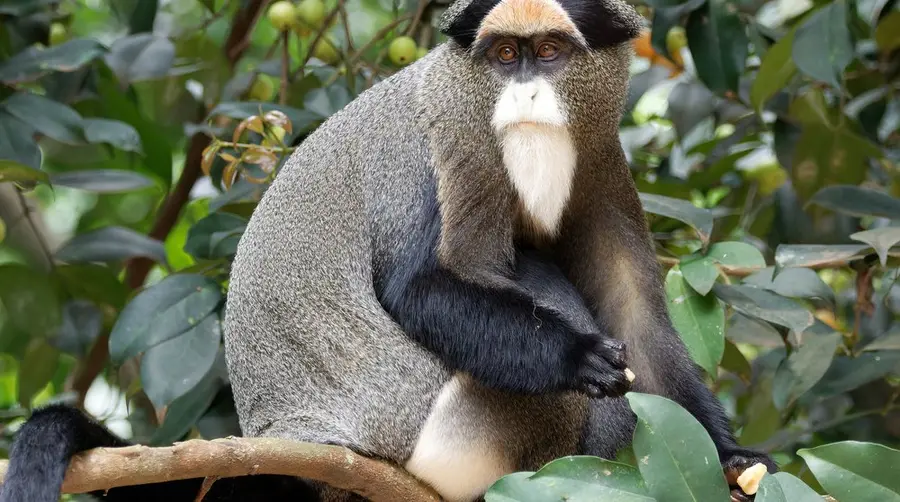 LC
LC De Brazza's Monkey
Cercopithecus neglectus
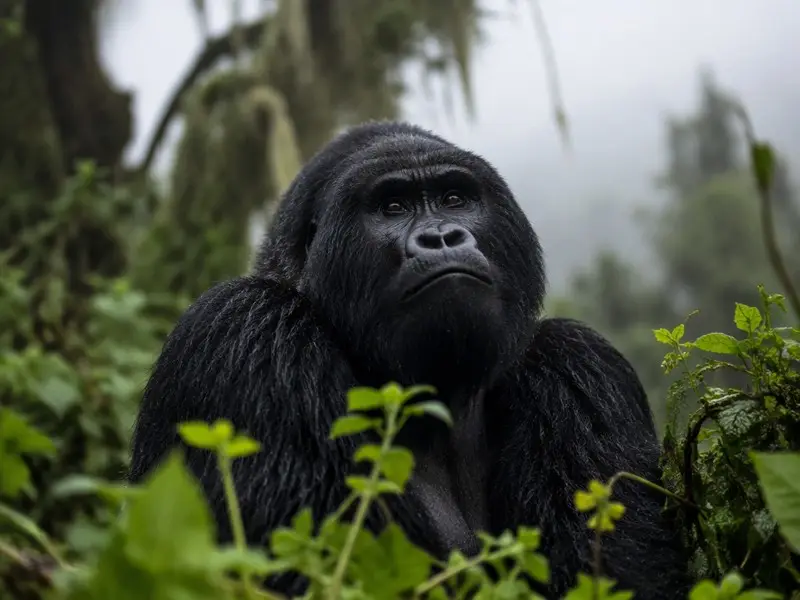 CR
CR Eastern Gorilla
Gorilla beringei
 EN
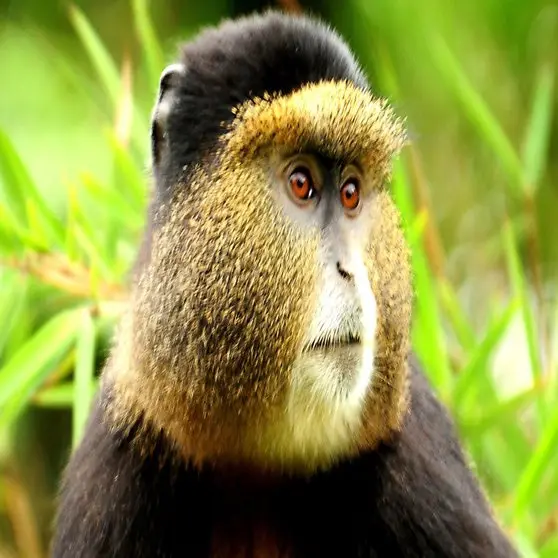
EN Golden Monkey
Cercopithecus kandti
 LC
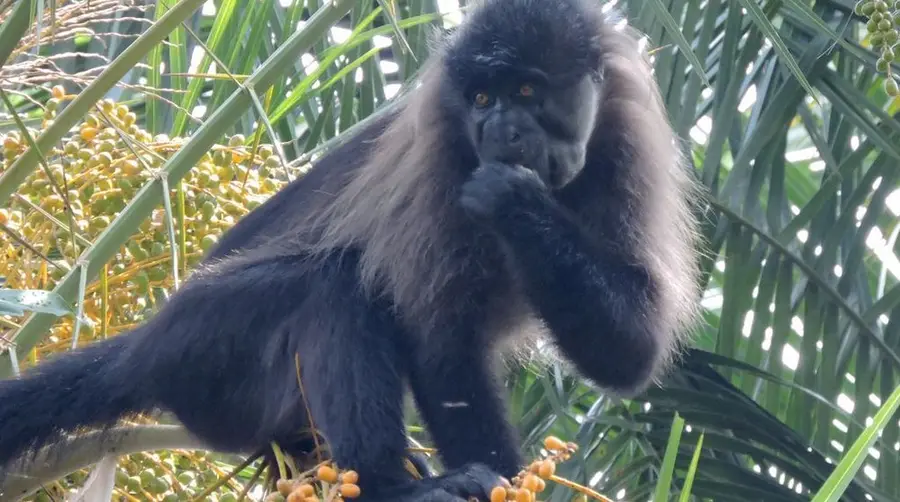
LC Grey-cheeked Mangabey
Lophocebus albigena
 EN
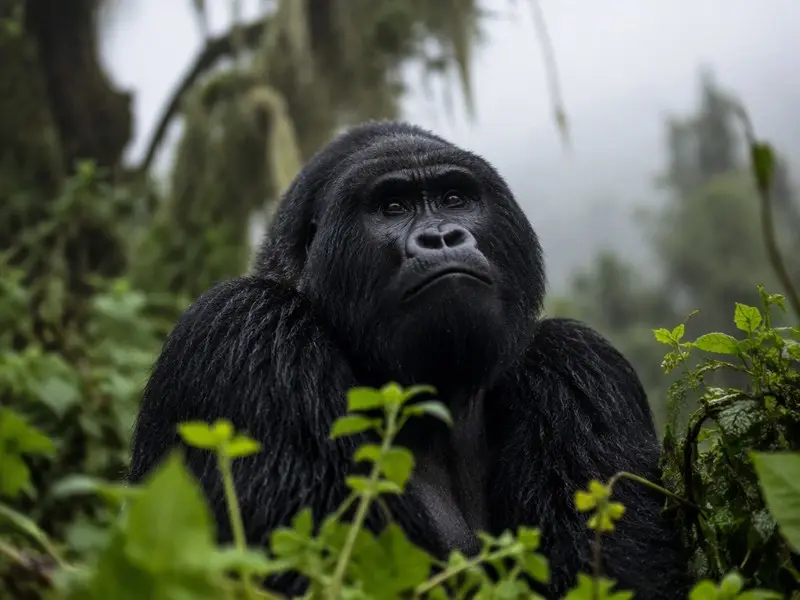
EN Mountain Gorilla
Gorilla beringei beringei
 LC
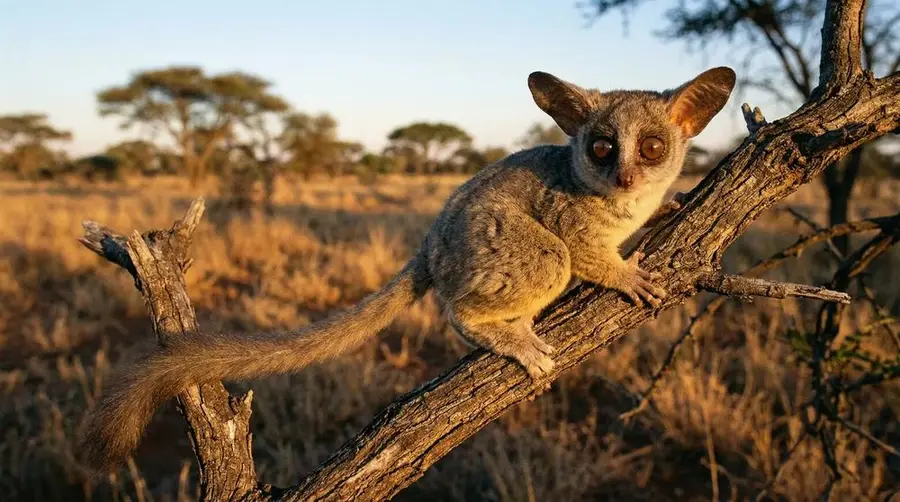
LC Northern Lesser Galago
Galago senegalensis
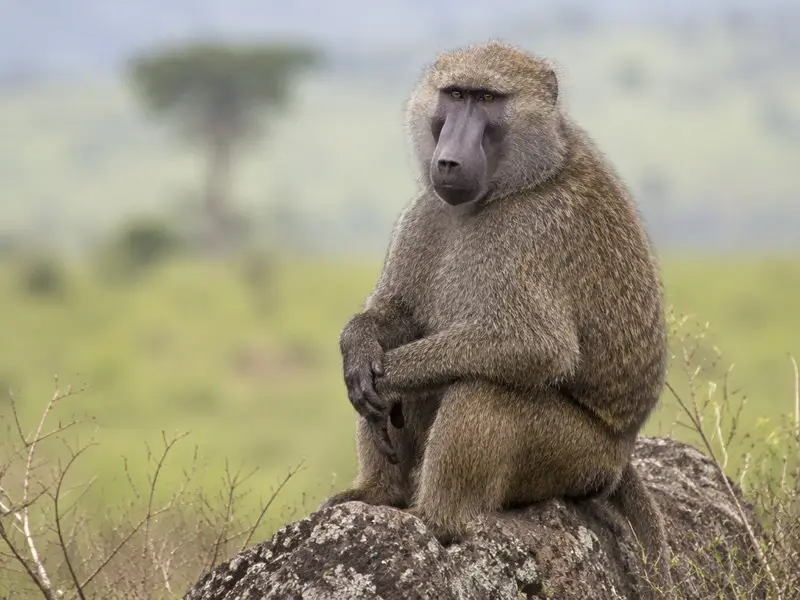 LC
LC Olive Baboon
Papio anubis
Where to see them
Look for these species in the national parks and reserves that protect their preferred habitats across Africa, and remember that each has its own favoured landscape and rhythm. The dry season generally makes them easier to find, as wildlife concentrates around water and cover thins out. A knowledgeable local guide who knows recent movements will dramatically improve your sightings.
From treetops to trekking
Africa's primates range from the troops of baboons and vervet monkeys you meet on almost any safari to the great apes — gorillas and chimpanzees — that draw travellers deep into the forests of the continent's heart. Between them sit colourful guenons, acrobatic colobus and the wide-eyed, nocturnal bushbabies.
Watching primates is unusually absorbing precisely because they are so like us. Their social lives, politics, play and problem-solving reward patient observation, and a good guide can decode the constant stream of calls, gestures and glances that hold a troop together.
Watching primates responsibly
Because primates share so much of our biology, they can catch our diseases — which is why gorilla and chimpanzee trekking come with strict rules: keep your distance, wear a mask where required, never eat near them and turn away if you need to cough or sneeze. These rules protect the very animals you have travelled so far to see.
With habituated troops and roadside monkeys, resist the urge to feed them; it turns wild animals into aggressive raiders and harms their health. Keep food out of sight, secure your tent and vehicle, and enjoy their antics on their terms rather than baiting them for a closer look.
- Keep the required distance on gorilla and chimpanzee treks
- Wear a mask where mandated and never trek if you are ill
- Never feed monkeys — it creates aggressive, unhealthy raiders
- Secure food in camp and vehicles against opportunists
References & further reading
- Sinclair, A. R. E., et al. (Eds.) (2015). Serengeti IV. Chicago: University of Chicago Press.
- Estes, R. D. (2012). The Behavior Guide to African Mammals. Berkeley: University of California Press.
- Kingdon, J. (2015). The Kingdon Field Guide to African Mammals (2nd ed.). London: Bloomsbury.
- IUCN (2024). The IUCN Red List of Threatened Species, Version 2024-1. www.iucnredlist.org.
Do it with SafariLingo
Take SafariLingo on safari: 500+ species, real animal calls, offline maps and sighting logs — all in your language, wherever you roam.
Get the appFrequently asked questions
How can I identify these animals on safari?
Use a good field guide or the SafariLingo app to compare size, markings, habitat and behaviour side by side. Note the key field marks and the company an animal keeps, as both narrow the identification quickly. Your guide can confirm tricky sightings and point out subtle differences between look-alikes.
When is the best time to see them?
For most species the dry season is easiest, when animals gather around shrinking water and the thinner vegetation improves visibility. The green season can be harder for spotting but rewards you with young animals and rich birdlife. Early mornings and late afternoons are the most productive hours whatever the season.
Do I need a guide to find them?
You can spot many of these species on your own, but an experienced guide transforms the experience. Guides read tracks and alarm calls, know where animals have been seen recently and understand their daily rhythms. Their local knowledge turns hopeful searching into reliable sightings.
Related guides
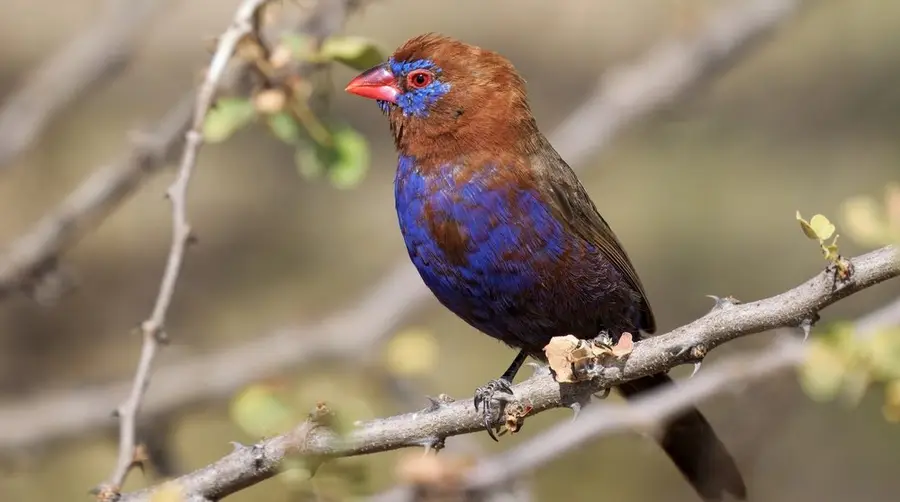 Wildlife
 How to Spot the Purple Grenadier on an African Safari
A field guide to finding the Purple Grenadier (Granatina ianthinogaster) on safari: the habitats it favours, the hours it is most active, the field marks that give it away, and the tracking craft experienced guides use to locate it.
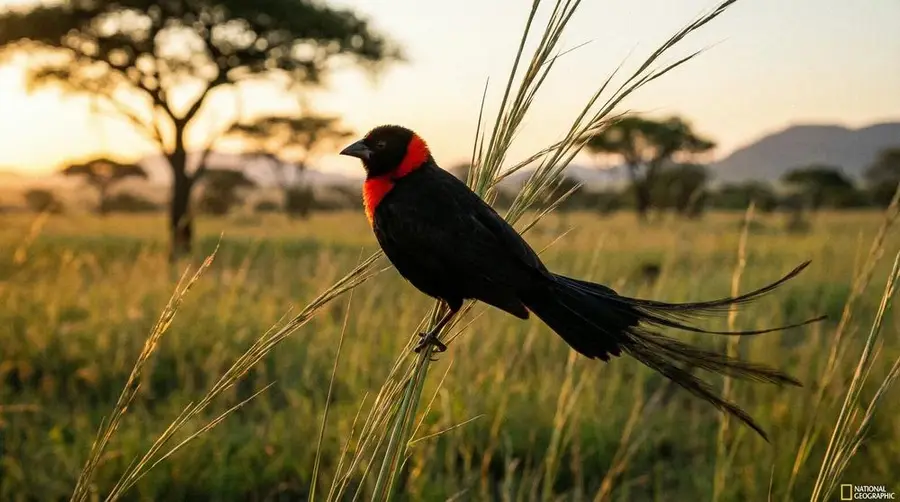 Wildlife
 How to Spot the Red-collared Widowbird on an African Safari
A field guide to finding the Red-collared Widowbird (Euplectes ardens) on safari: the habitats it favours, the hours it is most active, the field marks that give it away, and the tracking craft experienced guides use to locate it.
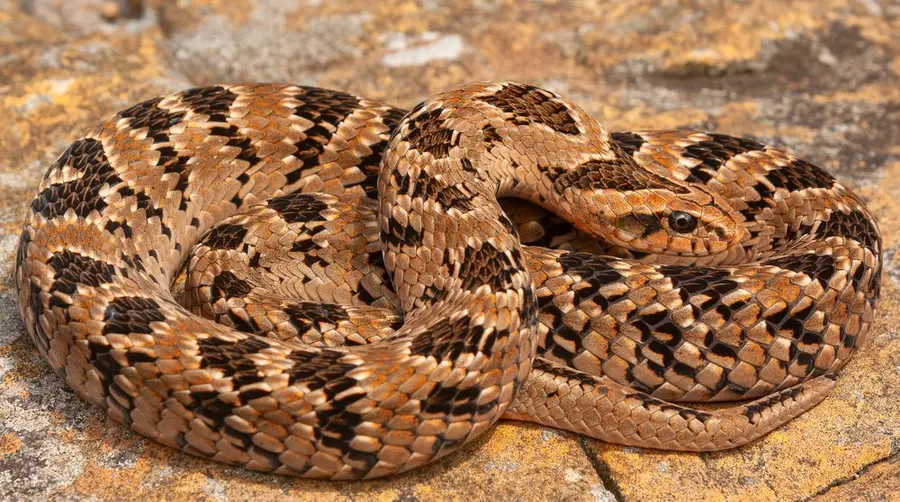 Wildlife
 How to Spot the Rhombic Night Adder on an African Safari
A field guide to finding the Rhombic Night Adder (Causus rhombeatus) on safari: the habitats it favours, the hours it is most active, the field marks that give it away, and the tracking craft experienced guides use to locate it.