
African Safari Guide: Choose the Right Country, Season and Route
Plan a first African safari by experience, season, trip length and travel style—without treating wildlife or migration as guaranteed.
There is no single best safari country—only a destination that fits your wildlife goals, available days, preferred activity and tolerance for transfers. Tanzania and Kenya make classic savanna routes easy to understand; Botswana prioritises water wilderness and remote camps; South Africa suits self-drive and mixed city trips; Zambia and Zimbabwe reward walking and river-based travel; Uganda and Rwanda add primate tracking. The Great Migration is a moving ecological cycle, not a scheduled river-crossing show.
Choose a destination by the experience you want
| Goal | Strong starting points | Why choose them | Main trade-off |
|---|---|---|---|
| First safari and classic savanna | Tanzania, Kenya | Mature circuits, open landscapes and strong guiding networks | Popular areas can be busy; transfers still consume time |
| Water-based safari | Botswana, Zambia, Zimbabwe | Channels, rivers, floodplains and complementary boat activities | Water levels and activity access vary by place and season |
| Self-drive | South Africa, Namibia | Road infrastructure and independent pacing | You carry navigation and wildlife-finding responsibility |
| Walking safari | Zambia, Zimbabwe | Fieldcraft, tracks and ecology at ground level | Age, fitness and seasonal restrictions apply |
| Gorillas and chimpanzees | Uganda, Rwanda | Specialist forest encounters with managed groups | Permits and trekking conditions may determine the itinerary |
Best time: dry season is not automatically best
Dry months often thin vegetation and concentrate animals around reliable water, but also bring higher demand, dust and more vehicles. Green seasons can deliver migrant birds, newborn animals, dramatic skies and quieter roads, while mud, tall grass and seasonal camp closures add uncertainty. Choose the wildlife process or activity first, then the region: East Africa, the Okavango, Kruger and gorilla highlands do not share one calendar.
- For migration, select the likely ecosystem sector—not simply a country—and allow several observation days.
- For photography, vehicle arrangement, guide flexibility and time at sightings matter more than lodge labels.
- For families, reduce camp changes and confirm age limits for walks, canoes and primate tracking.
- For birding, wetlands and green seasons may be the primary choice rather than a compromise.
Build the itinerary around complete field days
5–7 days: one compact region
Northern Tanzania, Maasai Mara, or Greater Kruger
Protect at least two dawn/evening cycles in the core area. Do not count international arrival and departure as full wildlife days.
8–10 days: add a contrasting ecosystem
Serengeti + Ngorongoro + Tarangire, or Okavango + Chobe
Use the extra days for a genuine change of habitat or activity rather than collecting park gates.
12–14 days: slow travel or a second theme
Safari + coast, Victoria Falls, or primate forest
Leave buffers for flights and borders. Beach weather and inland wildlife conditions may peak at different times.
What changes the total cost
Season, remoteness, private versus shared vehicle, internal flights, conservation fees, room occupancy and included activities drive the total. Compare door-to-door cost, not a nightly headline. Ask whether park and concession fees, transfers, drinks, laundry, tips, visas, insurance, ballooning, walks and cancellation terms are included. Official tariffs can change, so confirm them close to booking rather than relying on a fixed price quoted here.
Wildlife identification and responsible records
A rewarding safari is more than completing the Big Five. Record habitat, behaviour, time and uncertainty: a distant cat identification may remain provisional, and a migration sighting is one moment in a year-round system. SafariLingo helps identify wildlife and keep a field journal; route selection and bookings remain with licensed travel professionals.
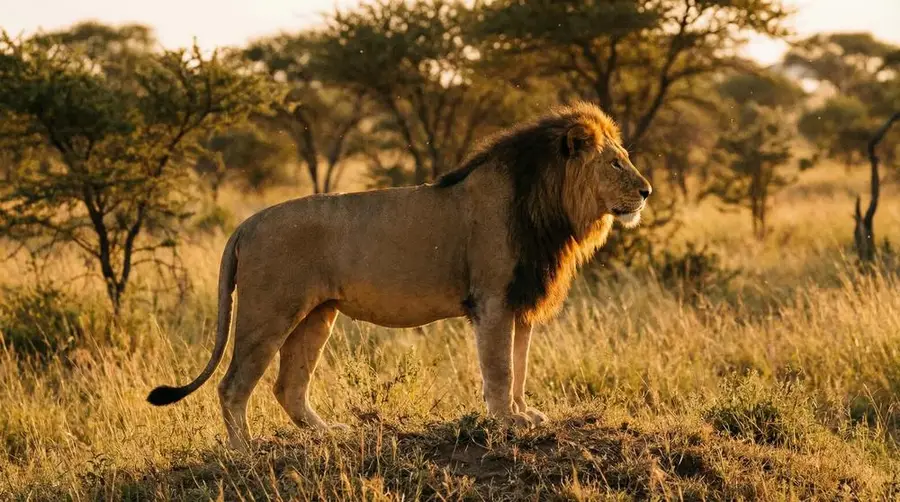 Big Five VU
Lion
Panthera leo
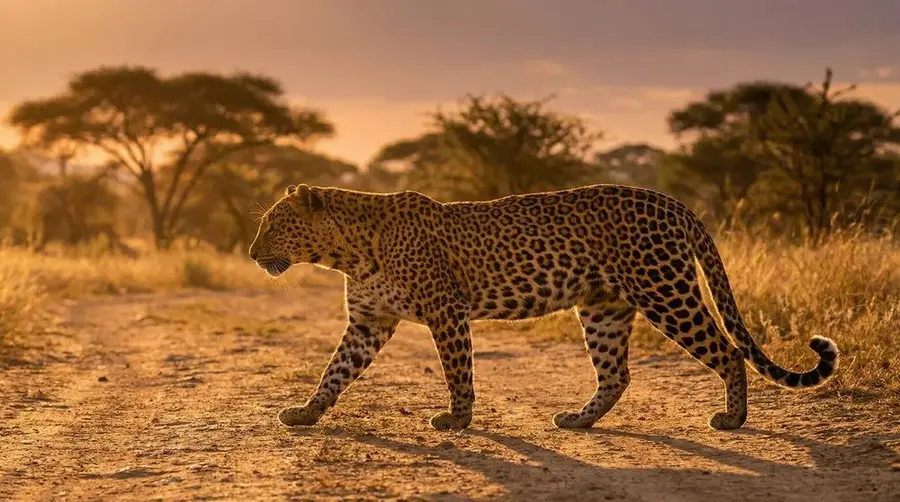 Big Five VU
Leopard
Panthera pardus
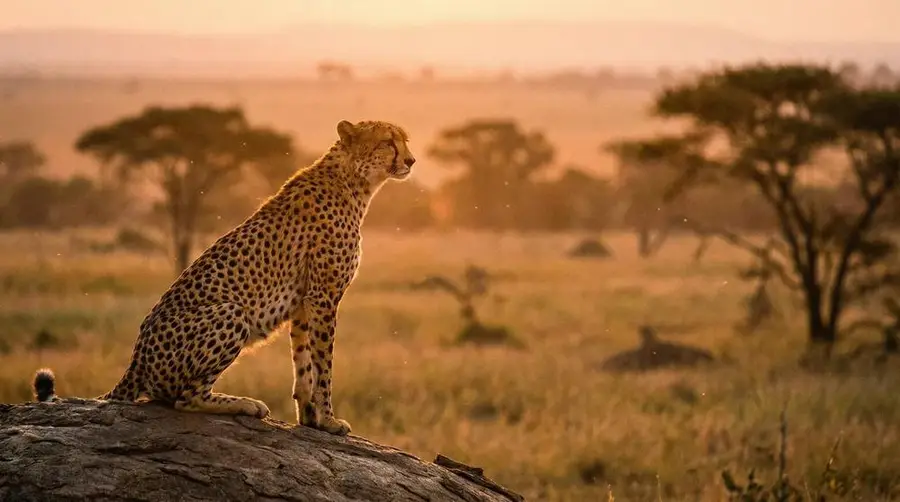 VU
Cheetah
Acinonyx jubatus
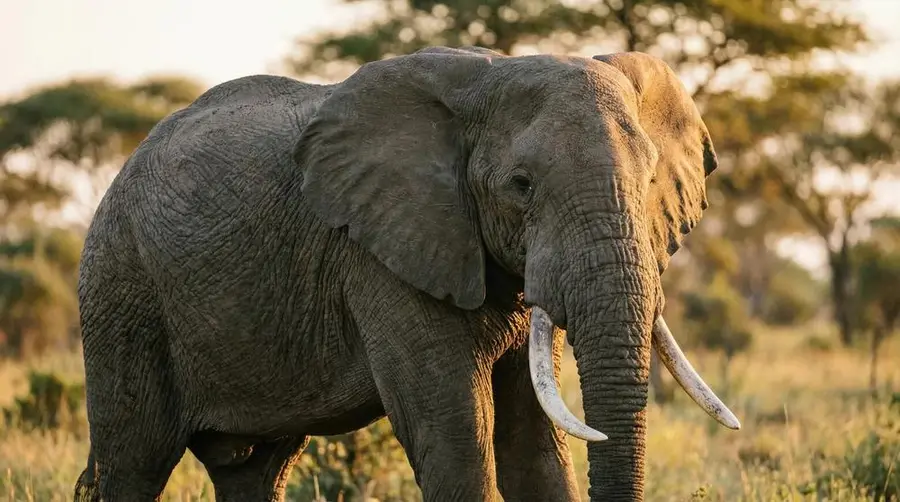 Big Five EN
African Savanna Elephant
Loxodonta africana
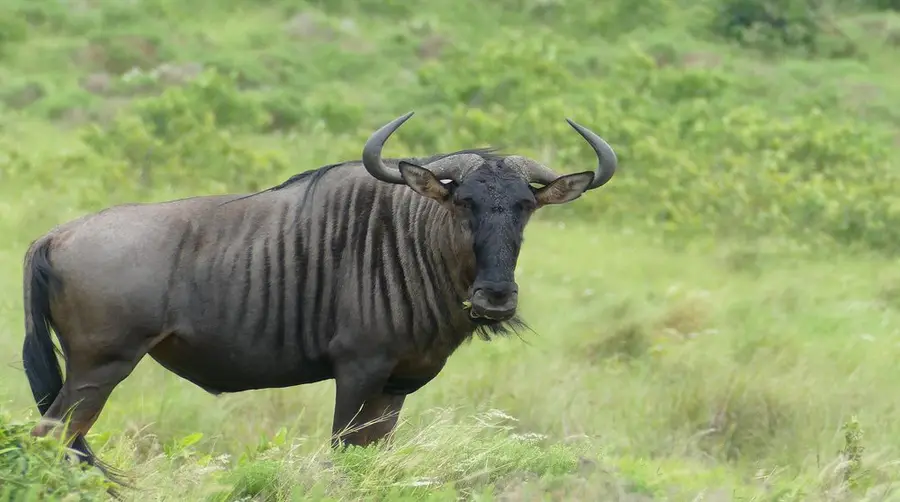 LC
Blue Wildebeest
Connochaetes taurinus
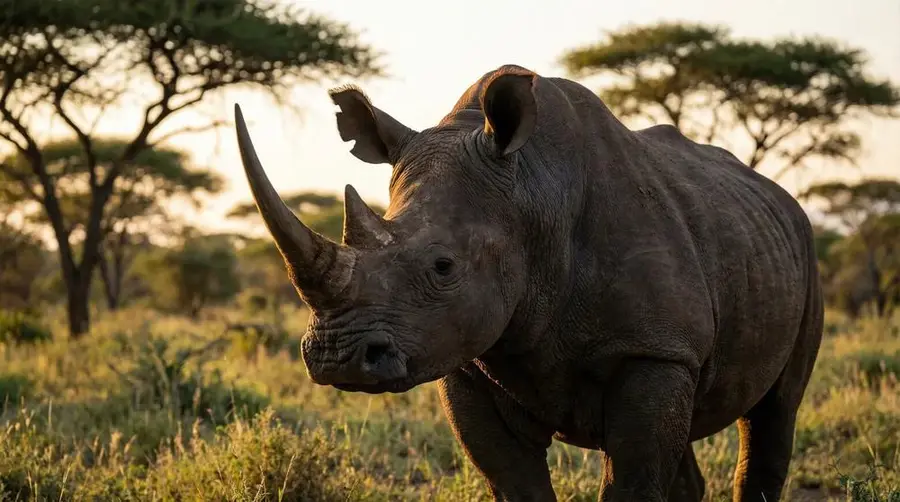 Big Five CR
Black Rhinoceros
Diceros bicornis
Continue with country and park guides
Sources and further reading
- Tanzania Tourist Board — Travel information: https://tanzaniatourism.go.tz/en/tanzania/category/travel-information
- Botswana Tourism — Okavango Delta: https://botswanatourism.co.bw/explore/okavango-delta
- South African Tourism — Wildlife activities: https://www.southafrica.net/gl/en/travel/article/get-up-close-and-personal-with-our-wildlife-in-their-natural-habitat
- Zambia Tourism — Safaris: https://www.zambiatourism.com/safaris/
- Visit Rwanda — Gorilla tracking: https://visitrwanda.com/interests/gorilla-tracking/
- African Parks — Visit the parks: https://www.africanparks.org/visit-parks
Do it with SafariLingo
SafariLingo is your wildlife identification and safari journal companion: identify species, save sightings and preserve field notes. It does not sell or book trips.
Get the appFrequently asked questions
Where should I go for a first African safari?
Tanzania or Kenya are intuitive for classic savanna routes; South Africa is strong for self-drive; Botswana suits travellers prioritising water activities and remote camps. Your month, days and wildlife goals matter more than a universal ranking.
Can a safari guarantee the Big Five or a river crossing?
No. Wild animals move freely, and migration depends on rain, grazing, fire and water. More time in the right habitat improves opportunity, not certainty.
How many days do I need?
Five to seven days works for one compact region; eight to ten can add a contrasting ecosystem; twelve to fourteen is more realistic for a coast, waterfall or cross-border extension.
Is SafariLingo a booking app?
No. SafariLingo supports wildlife identification and safari records. Use licensed operators and current official sources for transport, permits and bookings.
Related guides
Destinations Tanzania Safari Guide: Northern Circuit, Southern Wilderness and the Right Season
Choose between Tanzania’s northern, southern and western circuits, match Serengeti regions to the season, and build realistic 5–14 day routes.
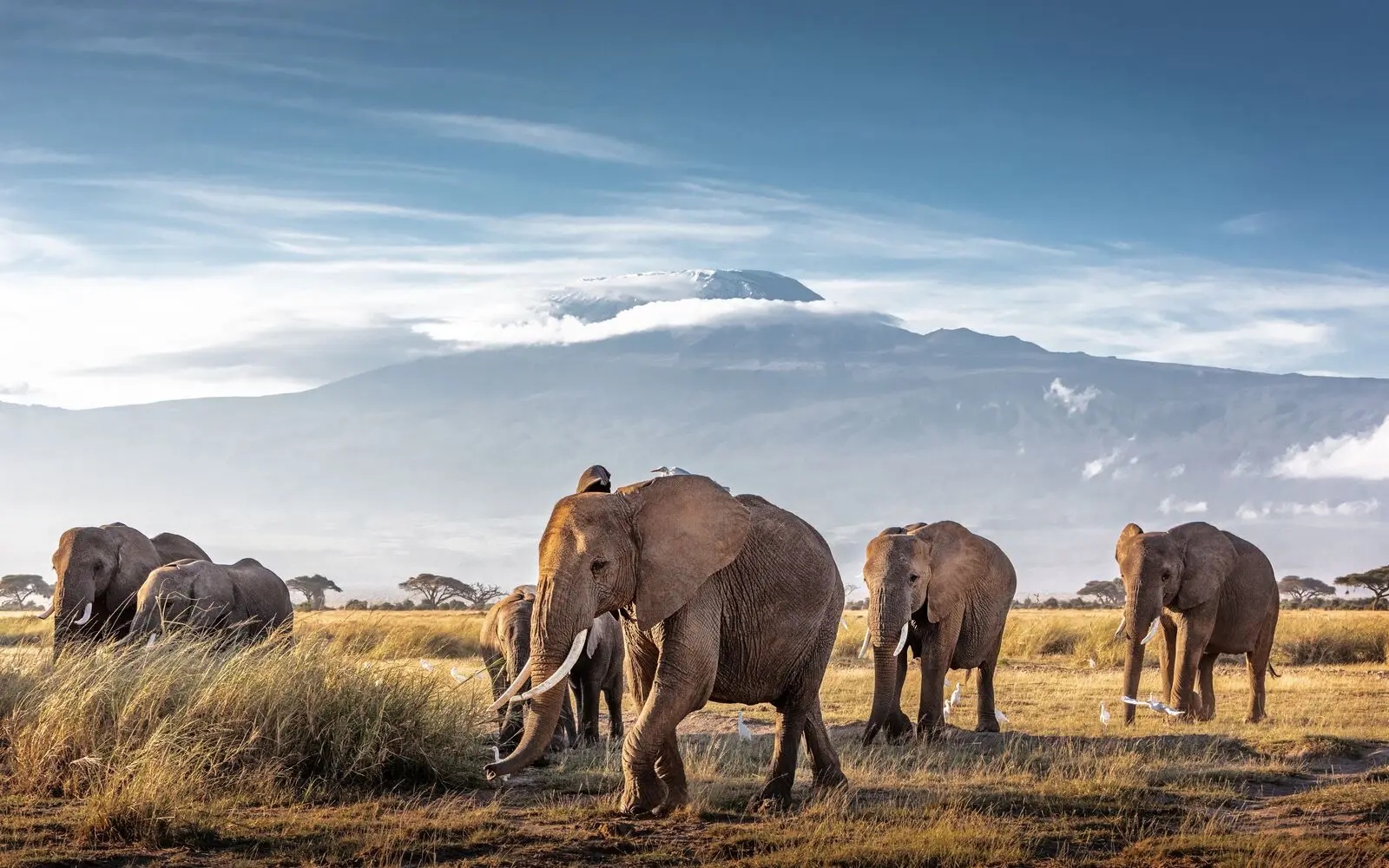 Destinations
Kenya Safari Guide: Choose the Best Parks, Route and Trip Length
Plan a Kenya safari from Nairobi across Maasai Mara, Amboseli, Tsavo, Lake Nakuru and northern conservancies, with realistic road and flight choices.
National Parks Serengeti Safari Guide: Choose the Right Region for Your Dates
Match Central, South/Ndutu, Western Corridor or Northern Serengeti to your travel dates, migration goals and realistic number of nights.