
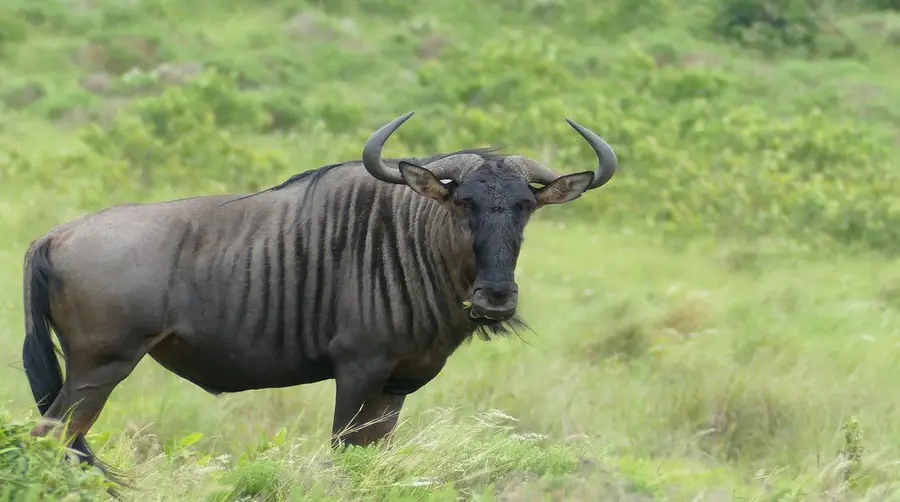
The Great Migration Month by Month
A month-by-month guide to the Great Migration: where the herds are through the year and when to visit for calving, the rut and the river crossings.
The Great Migration follows a broad annual rhythm dictated by the rains, and while the exact timing shifts from year to year, the overall pattern is remarkably consistent. This month-by-month guide shows where the herds usually are and what each period offers, from the calving spectacle of the southern plains to the heart-stopping river crossings of the north. Use it to line up your dates with the phase you most want to witness.
Key things to know
- December–March: herds gather on the southern Serengeti short-grass plains; calving peaks in Jan–Feb.
- April–May: the herds drift north-west with the long rains, spreading through the central Serengeti.
- June–July: build-up along the Grumeti; the first Mara-bound crossings begin.
- August–October: peak Mara River crossings in the northern Serengeti and the Masai Mara.
- November: the short rains draw the herds back south towards the plains.
- Timing varies each year with the rains, so treat any calendar as a guide, not a guarantee.
References & further reading
- Thirgood, S., et al. (2004). Can parks protect migratory ungulates? The case of the Serengeti wildebeest. Animal Conservation, 7(2), 113-120.
- Holdo, R. M., Holt, R. D., & Fryxell, J. M. (2009). Opposing rainfall and plant nutritional gradients best explain the wildebeest migration in the Serengeti. The American Naturalist, 173(4), 431-445.
- Sinclair, A. R. E., et al. (Eds.) (2015). Serengeti IV. Chicago: University of Chicago Press.
Do it with SafariLingo
Take SafariLingo on safari: 500+ species, real animal calls, offline maps and sighting logs — all in your language, wherever you roam.
Get the appFrequently asked questions
What month has the best river crossings?
August and September are typically the peak months for Mara River crossings, when the largest herds are concentrated in the north. July and October can also deliver, depending on the rains. Staying several nights near the river greatly improves your chances of witnessing one.
When is the calving season?
Calving peaks in late January and February on the southern Serengeti and Ndutu short-grass plains. Around half a million calves are born within a few weeks, drawing intense predator activity. It is one of the best times of year for big-cat sightings.
Does the migration follow the same dates every year?
No — the herds follow rainfall, which varies from season to season, so the timing can shift by weeks. The broad pattern holds, but exact crossing or calving dates cannot be guaranteed. Building flexibility into your trip and using recent local reports is the smart approach.
Related guides
 Destinations
 Is South Africa Safe for Safari Travellers?
Safety and health advice for a safari in South Africa: wildlife safety, health precautions, malaria and the practical steps that keep a trip smooth.
Destinations Where to Go on Safari in January
The best safari destinations to visit in January: which African parks and countries offer great wildlife viewing at this time of year, and why.
Destinations Where to See the Mara River Crossings
How and where to see the dramatic Mara River crossings of the Great Migration, the best time of year to witness them, and how to position yourself for the action.