
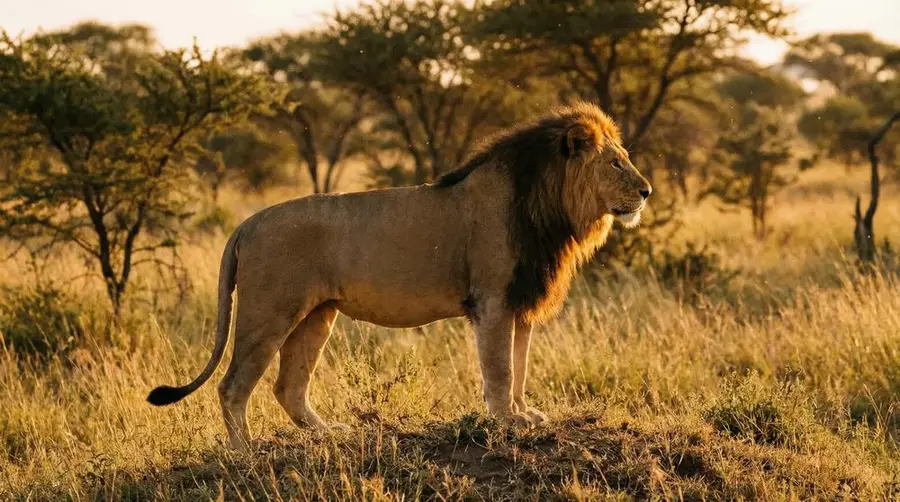
Kenya Safari Guide
A complete guide to safaris in Kenya: the top parks, wildlife, best time to travel, visas, costs and practical tips for planning a smooth trip.
Kenya is one of Africa's great safari destinations, known for the Masai Mara, the Great Migration finale, and classic open-plain game drives. Whether it is your first safari or your tenth, the key is understanding what the country does best and how to fit it into the time you have. This guide covers the standout parks, when to travel, and the practical details that make planning straightforward.
| Capital | Nairobi |
|---|---|
| Currency | Kenyan Shilling (KES) |
| Region | East Africa |
| Main gateway airport | Jomo Kenyatta International Airport (NBO), Nairobi |
| Malaria risk | Yes |
Top safari parks in Kenya
The standout wildlife areas include Masai Mara National Reserve, Amboseli National Park, Tsavo East National Park, Tsavo West National Park, Samburu National Reserve, Lake Nakuru National Park, Laikipia Plateau Conservancies, and Meru National Park, each with its own character, landscapes and signature species. Rather than trying to see them all, most travellers pick two or three that complement one another and allow unhurried time in each. Your guide or operator can help you weight the itinerary towards the wildlife you care about most.
When to go
The dry season is generally the easiest time for wildlife viewing, as thinning vegetation and shrinking water sources concentrate animals and improve visibility. The green season, by contrast, rewards travellers with lush scenery, newborn animals, migrant birds and lower prices. Neither is simply better — the right choice depends on what you want to see and how you like to travel.
Why visit Kenya
Kenya earns its place on the safari map for a specific reason, and its highlight — the Masai Mara, the Great Migration finale, and classic open-plain game drives — is a good shorthand for what sets it apart. Understanding that character up front helps you decide whether it suits the trip you have in mind, or pairs well with a neighbour.
Every safari country strikes its own balance of wildlife, scenery, infrastructure and cost. Some are polished and easy for first-timers; others reward the more adventurous with wilder, quieter country. Read Kenya for what it does best rather than expecting it to be all things at once, and build your expectations around its signature parks: Masai Mara National Reserve, Amboseli National Park, Tsavo East National Park, Tsavo West National Park, Samburu National Reserve, Lake Nakuru National Park, Laikipia Plateau Conservancies, and Meru National Park.
The lay of the land
Kenya's safari scene centres on Masai Mara National Reserve, Amboseli National Park, Tsavo East National Park, Tsavo West National Park, Samburu National Reserve, Lake Nakuru National Park, Laikipia Plateau Conservancies, and Meru National Park, spread across the country's varied landscapes and reached most often through Jomo Kenyatta International Airport (NBO), Nairobi. Knowing roughly how these areas relate to one another — which cluster together, which stand alone — makes planning a coherent route far easier.
Practical basics matter too. The capital is Nairobi, the currency is Kenyan Shilling (KES), and entry rules are summarised as: Most visitors need an Electronic Travel Authorisation (eTA) applied for online before arrival.. Sort these logistics early so they do not derail the trip: confirm your visa route, understand how money works on the ground, and map the internal connections between the parks you most want to see.
- Signature parks: Masai Mara National Reserve, Amboseli National Park, Tsavo East National Park, Tsavo West National Park, Samburu National Reserve, Lake Nakuru National Park, Laikipia Plateau Conservancies, and Meru National Park
- Main international gateway: Jomo Kenyatta International Airport (NBO), Nairobi
- Capital Nairobi; currency Kenyan Shilling (KES)
- Entry requirements: Most visitors need an Electronic Travel Authorisation (eTA) applied for online before arrival.
When to go
Timing shapes a Kenya safari more than almost any other decision. Broadly, the dry season concentrates wildlife around water and delivers the most reliable sightings, while the green season brings lush scenery, newborn animals, superb birding and better value in exchange for thicker cover and occasional rain.
Because the country spans distinct regions and the rains shift year to year, treat any calendar as a guide rather than a rule. Decide what matters most — big-cat action, a particular spectacle, birds, solitude or budget — and let that priority, checked against recent local conditions, choose your month.
References & further reading
- Briggs, P. (2021). East Africa Safari Guides. Chalfont St Peter: Bradt Travel Guides.
- World Health Organization (2023). International Travel and Health. Geneva: WHO.
- IUCN (2024). The IUCN Red List of Threatened Species, Version 2024-1. www.iucnredlist.org.
- UNEP-WCMC & IUCN (2024). Protected Planet: The World Database on Protected Areas (WDPA).
Do it with SafariLingo
Planning a safari in Kenya? SafariLingo is your offline field guide to every animal you will meet, with real calls and sighting logs in nine languages.
Get the appFrequently asked questions
Is Kenya good for a first safari?
Yes. Kenya offers the Masai Mara, the Great Migration finale, and classic open-plain game drives, which makes it a strong, accessible choice for both first-timers and seasoned safari travellers. Well-established parks, guiding and infrastructure smooth the experience. Start with one or two signature reserves and build from there.
Do I need a visa for Kenya?
Most visitors need an Electronic Travel Authorisation (eTA) applied for online before arrival. Requirements can change, so always confirm the current rules with an official source well before you travel. Check your passport validity and any onward-travel or vaccination requirements at the same time.
How many days do I need for a safari in Kenya?
A week is a comfortable minimum to enjoy two or three parks in Kenya without rushing between them. Shorter trips work if you focus on a single area or fly between reserves. More time lets you travel at a calmer pace and add contrasting landscapes.
Related guides
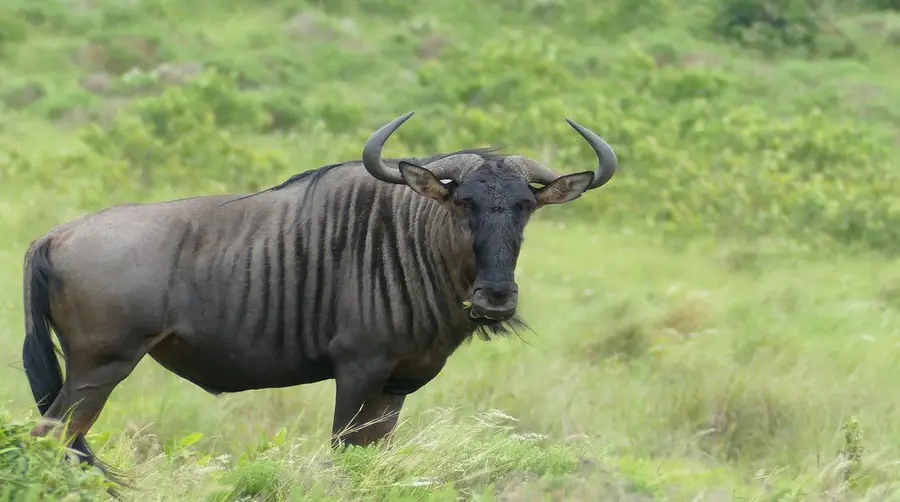 Destinations
 Best Camps for the Great Migration
How to choose where to stay for the Great Migration: mobile versus permanent camps, and how to position yourself with the herds through the seasons.
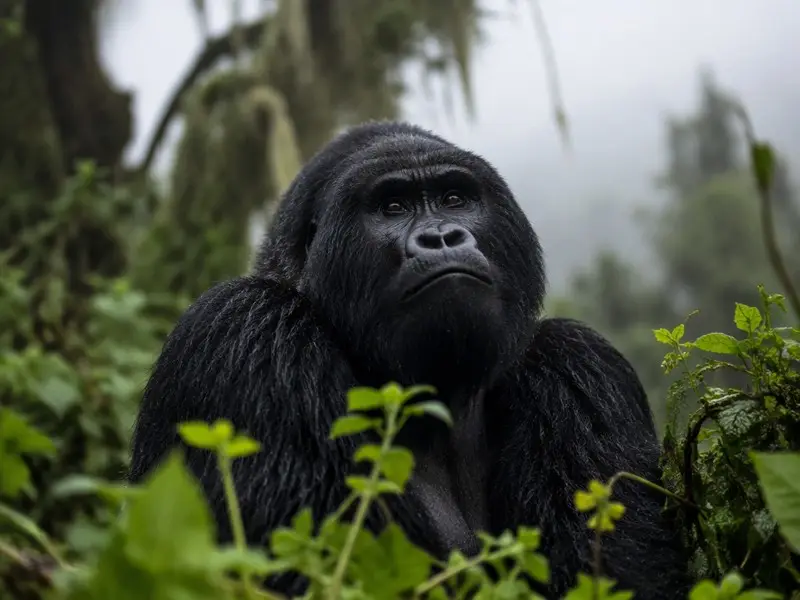 Destinations
 Best Time for a Safari in Rwanda
When to go on safari in Rwanda: the best months for wildlife, the dry versus green season, peak travel periods and how to choose the dates that suit you.
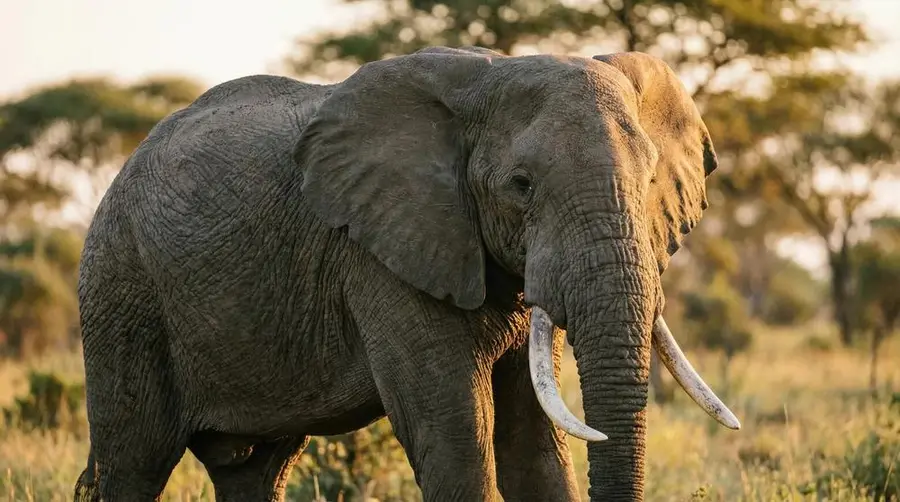 Destinations
 Wildlife You Can See in Namibia
The wildlife of Namibia: the mammals, birds and predators you can hope to see on safari, and the best parks to find each of them.