
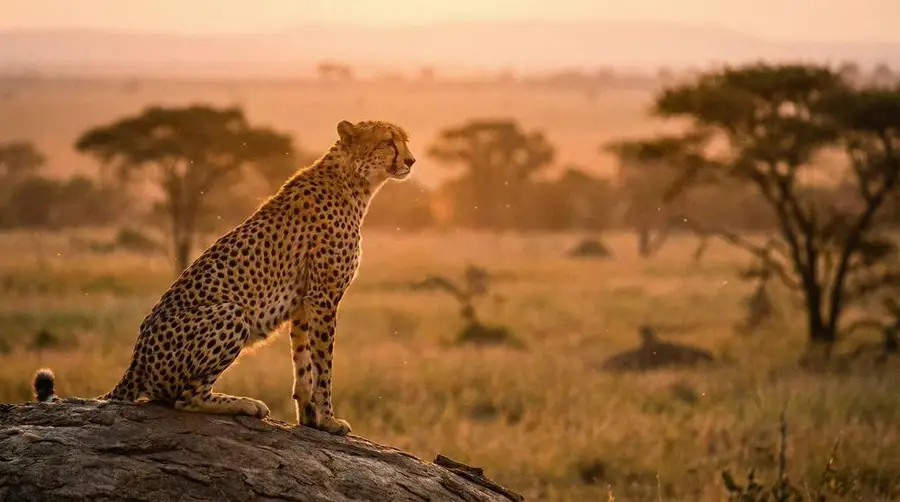
Sundowners and Bush Traditions
A practical, atmospheric guide to safari sundowners, bush breakfasts, boma evenings, night skies and the etiquette that makes these rituals feel effortless and respectful.
Safari has its own gentle rituals, grown from expedition history, camp craft and the simple truth that wild places are best experienced slowly. The sundowner is the best known: a drink and small snack served at a beautiful viewpoint as the light turns gold and the day’s sightings settle into memory. Yet the same spirit runs through bush breakfasts, fireside boma gatherings, lantern-lit dinners and quiet minutes spent listening to hyenas, owls and nightjars after dark. These traditions are not compulsory performances. At their best they help travellers change pace, notice the landscape as much as the animals, and share time with guides and camp teams who understand the bush intimately. This guide explains where the rituals fit into a safari day, how they vary between places such as the Serengeti, Okavango, Kruger, Laikipia and the Masai Mara, and how to enjoy them with good manners, safety awareness and a sense of wonder.
Key things to know
- A sundowner is the classic pause near sunset, usually during or just after an afternoon game drive.
- Bush meals turn breakfast, brunch or dinner into a wilderness experience, but safety and low impact matter.
- The boma or campfire is often the social heart of camp, where guides, guests and staff exchange stories.
- Dark safari skies can be exceptional; the Milky Way, Southern Cross and bright planets are often visible in remote areas.
- Rituals differ by country, camp style and season, from elegant lodge service to simple mobile-camp hospitality.
- Alcohol is optional; good camps offer water, tea, coffee, juice, mocktails and snacks for different needs.
- Respect wildlife, staff and local communities by keeping noise low, staying near the guide and leaving no litter.
- The real value is not luxury but attention: a slower rhythm that helps you remember sounds, light, dust and companionship.
The sundowner and why it matters
The sundowner is usually timed for the last part of the afternoon drive, when the heat softens and predators begin to stir. Your guide may stop on a ridge, beside a dry riverbed, near a floodplain or under a sculptural acacia, choosing a place with visibility and enough distance from wildlife. Drinks come from a cooler box or camp basket: gin and tonic, local beer, wine, soft drinks, sparkling water, tea or a simple lime cordial, often with nuts, biltong, crisps or small canapés.
What makes the ritual memorable is not the drink itself but the pause. You step out only when the guide says it is safe, stretch your legs after hours in the vehicle, and watch colour move across grass, mopane woodland or papyrus channels. It is a moment to ask questions, toast a leopard sighting, photograph silhouettes, or simply listen as francolins call and the first night sounds begin.
- Wait for the guide before leaving the vehicle.
- Keep voices low because sound carries far at dusk.
- Choose non-alcoholic drinks freely; no one should feel pressured.
- Bring a light layer because temperatures can drop quickly after sunset.
- Use the stop to enjoy the wider landscape, not only wildlife sightings.
Bush breakfasts, picnics and dinners
A bush breakfast often follows an early drive, when coffee at dawn has worn off and the plains are fully awake. In classic East African style the camp team may set tables beneath a tree or beside a seasonal river, with eggs cooked to order, fruit, pastries, sausages, chapati or local breads. In the Okavango or private Southern African reserves, a simpler coffee stop may become a full brunch depending on distance from camp and wildlife movement.
Bush dinners are more elaborate and should be treated as special, not routine. Good operators think carefully about wind, insects, fire risk, wildlife corridors, toilet arrangements and how to remove every trace afterwards. The best meals feel generous without pretending the wilderness is a restaurant: lanterns are modest, staff know the site well, and guests understand that a lion call or approaching elephant may change the plan.
- Ask in advance about dietary needs and allergies.
- Carry a warm layer for dinners and cool-season breakfasts.
- Use the provided toilet procedure rather than wandering off alone.
- Avoid feeding birds, monkeys or mongooses around meal sites.
- Thank the camp team; these meals require real planning and early starts.
The boma, campfire and storytelling
The word boma is used differently across Africa, but in safari camps it often means an open-air gathering space around a fire, sometimes enclosed by a low fence or traditional-style wall. After the evening drive, guests meet there for drinks before dinner, still dusty and excited, while guides compare tracks, weather and sightings. Flames draw people together in a way that feels both ancient and practical: warmth, light and conversation after a day spent watching animals.
The best fireside evenings are not lectures. They are exchanges, with room for a guide to explain lion hierarchy, a tracker to describe reading spoor in sand, or a guest to ask why elephants were so quiet at a waterhole. Some camps include songs, dances or cultural introductions; these should be presented respectfully, with fair benefit to local staff or communities and without making people feel displayed. As a traveller, listen well, ask thoughtful questions and avoid turning every story into a comparison with another destination.
Stars, night sounds and the after-dark bush
Remote safari areas can have remarkably dark skies. On clear moonless nights the Milky Way may look like a pale river, the Southern Cross can help orient the sky, and bright planets stand out with an intensity many city dwellers have never seen. Guides often carry laser pointers or star apps, but the most powerful experience may be lying back in silence and letting your eyes adjust for twenty minutes.
Sound is just as important as sight. A hyena’s whoop, a lion’s distant roar, hippos grunting from water, scops owls calling or nightjars churring near the track all remind you that the bush continues after vehicles return. If your camp offers a night drive, follow spotlight etiquette: never demand that an animal be dazzled, and trust the guide to manage distance and duration. In unfenced camps, remain on paths and accept an escort after dark.
- Turn off bright phone screens so your eyes adjust.
- Use red light if you need a torch near other guests.
- Do not imitate animal calls unless a guide invites it.
- Request an escort at unfenced camps, even for short walks.
- For star photos, bring a small tripod and practise settings before the trip.
Etiquette, safety and regional nuance
Safari rituals look different depending on place and budget. A high-end Botswana lodge may serve polished canapés beside a lagoon, while a mobile camp in the Serengeti may offer enamel mugs, fresh popcorn and a canvas chair facing endless grass. In South Africa’s private reserves, sundowners are tightly woven into afternoon drives; in some national parks, rules about leaving vehicles or drinking alcohol are stricter. Your guide’s judgment and local regulations always come first.
Good etiquette is simple: be ready on time, tell camp about dietary or mobility needs early, respect quiet moments, and remember that staff are working while you relax. Tip policies vary, so ask management discreetly rather than making assumptions. If you do not drink alcohol, say so without apology. If you are travelling with children, use these rituals to teach patience, low voices and curiosity; many young travellers remember hot chocolate at sunset as vividly as they remember the animals.
How to make the rituals your own
The most rewarding travellers treat bush traditions as invitations rather than checklist items. Put the camera down for a few minutes at sunset, learn the name of a local tree, ask your guide what changed in the ecosystem after the first rains, or notice how temperature, smell and bird calls shift as darkness comes. These details make a safari feel lived rather than consumed.
You can also shape the experience gently. Tell your guide if you prefer a quiet scenic stop to a busy viewpoint, if you want to sketch, record ambient sound, photograph stars or celebrate a birthday privately. Camps appreciate advance notice and honest preferences. The goal is not to make the ritual grander, but to make it more attentive, respectful and memorable.
References & further reading
- Sinclair, A. R. E., et al. (Eds.) (2015). Serengeti IV. Chicago: University of Chicago Press.
- Estes, R. D. (2012). The Behavior Guide to African Mammals. Berkeley: University of California Press.
- Kingdon, J. (2015). The Kingdon Field Guide to African Mammals (2nd ed.). London: Bloomsbury.
- IUCN (2024). The IUCN Red List of Threatened Species, Version 2024-1. www.iucnredlist.org.
Do it with SafariLingo
Take SafariLingo on safari: 500+ species, real animal calls, offline maps and sighting logs — all in your language, wherever you roam.
Get the appFrequently asked questions
What is a sundowner on safari?
It is a stop near sunset, usually during an afternoon drive, when guests enjoy drinks and snacks in a scenic, safe place. The guide chooses the site, manages wildlife awareness and gives everyone a chance to absorb the evening light.
Do I have to drink alcohol at a sundowner?
No. Water, soft drinks, tea, coffee and mocktails are common, and a good camp will never make alcohol the point of the ritual. The experience is about place, timing and companionship.
Are bush meals safe?
They can be very safe when run by experienced guides and camp teams who understand wildlife movement, fire, hygiene and local rules. Guests should stay within the indicated area, follow toilet instructions and avoid wandering off.
What is a boma?
In safari use, a boma is usually an open-air fireside area where guests gather for drinks, meals and conversation. The word has broader regional meanings, but in camp it often refers to the evening social space.
Can I photograph stars and campfire scenes?
Yes, but bring a small tripod, use low light respectfully and avoid shining bright screens or flashes at other guests. For the night sky, practise long-exposure settings before travelling.
Related guides
 Planning & Tips
 Vaccinations and Health for Safari
A practical, non-prescriptive health guide for safari travellers, covering travel-clinic planning, vaccines to discuss, yellow fever rules, malaria precautions, food, water, sun and medical kits.
 Planning & Tips
 How Many Days Do You Need for a Safari?
A guide-level answer to how many days a safari really needs, covering the realistic minimum, the sweet spot, park-night rules, transfer maths and when a longer itinerary earns its keep.
 Planning & Tips
 Food and Dining on Safari
What food and dining are really like on safari — the rhythm of meals through the day, bush breakfasts and lamp-lit dinners, how dietary needs are handled, and the surprising quality of remote camp cuisine.