
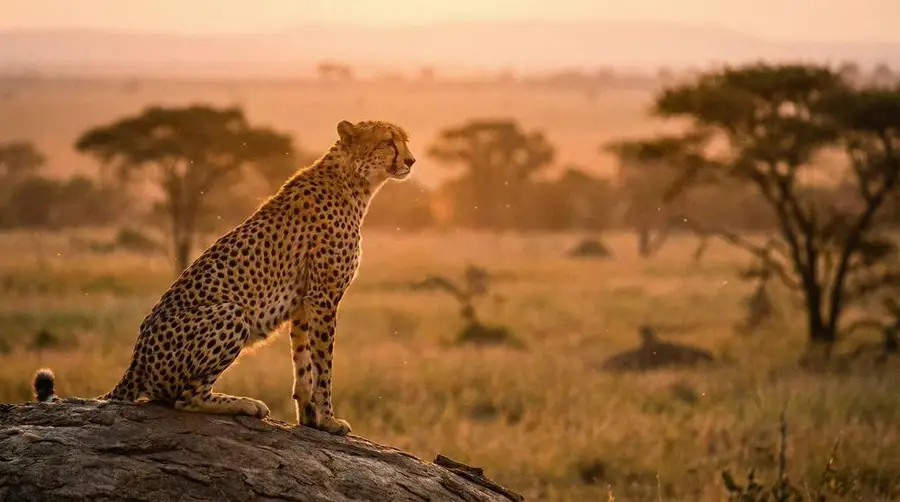
サンダウナーとブッシュの伝統
サファリのサンダウナー、ブッシュ朝食、ボマの焚き火、星空、礼儀を実用的に解説するガイド。
サファリのサンダウナー、ブッシュ朝食、ボマの焚き火、星空、礼儀を実用的に解説するガイド。 These customs slow the day and connect wildlife viewing with landscape, camp craft and companionship. They are not compulsory shows. Enjoyed respectfully, they make the safari feel less like a checklist and more like time lived in the wild.
知っておきたいポイント
- The sundowner is a safe sunset pause with drinks and snacks.
- Bush meals need planning, hygiene and low impact.
- The boma or fire is the social heart of many camps.
- Remote skies can reveal superb stars and planets.
- Styles vary by country, reserve, season and budget.
- Alcohol is optional and alternatives are normal.
- Quiet voices, guide instructions and no litter are essential.
- The purpose is attention, gratitude and connection.
Sundowner timing and etiquette
The ritual comes near the end of the afternoon drive, when heat fades and the bush changes mood. A guide selects a safe open place with good visibility, sets out drinks and snacks, and explains when guests may step from the vehicle.
Its meaning is the pause: watching light change, asking questions, listening to evening birds and accepting that non-alcoholic choices are just as normal as a gin and tonic.
- Follow the guide before leaving the vehicle.
- Keep voices low at dusk.
- Choose alcohol-free drinks freely.
- Carry a light layer after sunset.
Bush meals in the wild
A bush breakfast or picnic can turn a simple meal into a highlight after an early drive. The best versions are comfortable but not wasteful, with careful attention to hygiene, shade, wildlife movement and complete clean-up.
Dinner under the stars is more complex because darkness, insects, fire and animals all matter. Plans may change if elephants approach or weather turns, and that flexibility is part of professional guiding.
- Mention allergies early.
- Stay within the indicated area.
- Do not feed wildlife.
- Thank the team behind the setup.
Boma and campfire stories
In many camps the boma is the open-air fireside place where the day slows into conversation. Guests, guides and staff gather with drinks, compare sightings and let the fire create warmth and focus.
Good storytelling is respectful and shared. Guides may explain tracks, lion behaviour or elephant moods, while cultural presentations should benefit and honour the people who offer them.
Stars and night sounds
Remote safari skies can be exceptionally dark, revealing the Milky Way, Southern Cross and bright planets. Let your eyes adapt and you may remember the silence as much as any photograph.
The night also has a soundtrack: hyenas, lions, hippos, owls and nightjars. On night drives or in unfenced camps, follow spotlight rules and accept escorts after dark.
- Dim phone screens.
- Use red or low light.
- Do not imitate animal calls.
- Ask for an escort at night.
Regional differences and safety
Traditions vary from polished Botswana lodge service to simple mobile-camp hospitality in the Serengeti. National park rules, private reserve freedom, season, budget and local culture all shape what is possible.
The constant rule is to trust the guide. Be punctual, communicate dietary or mobility needs, respect quiet, photograph people only with permission and remember that staff are working while guests relax.
Making it personal
These rituals become richer when you use them to notice details: dust, scent, temperature, bird calls and the shape of trees at sunset. Put the camera down for a few minutes and let the place register.
You can also request a quieter viewpoint, a star-photography chance, a sketching pause or a small celebration if you tell camp early. The aim is attention, not extravagance.
参考文献・さらに読む
- Sinclair, A. R. E., et al. (Eds.) (2015). Serengeti IV. Chicago: University of Chicago Press.
- Estes, R. D. (2012). The Behavior Guide to African Mammals. Berkeley: University of California Press.
- Kingdon, J. (2015). The Kingdon Field Guide to African Mammals (2nd ed.). London: Bloomsbury.
- IUCN (2024). The IUCN Red List of Threatened Species, Version 2024-1. www.iucnredlist.org.
よくある質問
What is a sundowner?
A sunset stop with drinks and snacks in a safe scenic place. It is a relaxed safari ritual rather than a drinking obligation.
Are bush meals safe?
Yes, when planned by experienced teams and when guests follow instructions. Wildlife, fire, hygiene and clean-up are all part of the planning.
What is a boma?
Usually an open-air fireside gathering area in camp. Guests meet there for drinks, meals and stories after the drive.
Can children join?
Often yes, and non-alcoholic drinks or hot chocolate make it special for them. Parents should help children keep voices low and follow the guide.
Can I skip these rituals?
Of course. They are invitations, not obligations, but joining them often adds atmosphere and connection to the safari.
関連ガイド
 計画とヒント
 サファリのための予防接種と健康
サファリ旅行者向けの実用的な健康準備ガイド。渡航外来、ワクチン、黄熱証明、マラリア、飲水、日差し、救急セット、保険を扱います。
 計画とヒント
 サファリには何日必要か?
サファリに本当に必要な日数を、現実的な最短日数、ちょうどよい長さ、各エリアで必要な宿泊数、移動で失う時間、長めの日程が報われる場面まで含めてガイド目線で解説します。
 計画とヒント
 サファリの食事と食卓
サファリの食事とダイニングが実際どんなものか——一日を通した食事のリズム、ブッシュ・ブレックファストやランプの灯りの下の夕食、食事制限への対応、そして辺境キャンプの料理の驚くべき水準。