
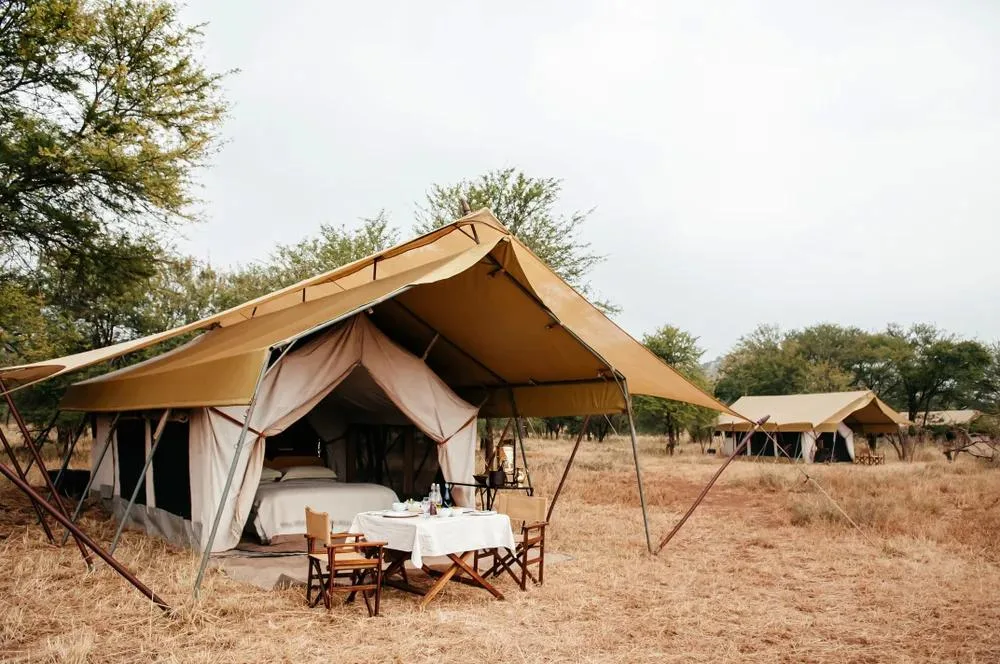
Safe Distances From Wild Animals on Safari
How close is too close on safari? A practical guide to safe distances from wild animals, why they matter, how they differ by species and situation, and how to read the warning signs that you are too near.
One of the first things a good guide teaches is that wild animals have an invisible comfort zone, and crossing it changes everything. Stay outside it and animals carry on naturally, ignoring the vehicle or your presence on foot. Push inside it and you provoke stress, flight or, occasionally, a defensive charge. Knowing safe distances is not about timidity. It is what allows you to have close, relaxed sightings without harming the animals or endangering yourself. The right distance depends on the species, the terrain, whether you are in a vehicle or on foot, and the animal’s mood, age, companions and escape route that day. This guide explains the principles behind safe distances, how they vary from big cats to elephants to hippos, the warning signs that you have come too close, and how to behave so that both you and the wildlife stay calm and safe.
Key things to know
- Every animal has a comfort zone; crossing it causes stress, flight or defence
- Safe distance changes with species, terrain, wind, cover, young animals and the animal’s mood
- Vehicles allow closer approaches than walking because animals read the whole vehicle as one familiar shape
- Never block an animal’s escape route, path to water, or line between a mother and her young
- Warning signs include fixed staring, ears back, tail flicking, head shaking, yawning displays and mock charges
- Hippos, elephants and buffalo deserve more margin than many first-time travellers expect
- Let animals approach or pass; do not chase, surround, call to, feed or cut them off for a photograph
- Your guide’s instruction overrides any photo opportunity, because they are reading behaviour in real time
Why animals have a comfort zone
Every wild animal balances two instincts: to conserve energy and to stay safe. As long as you remain outside its flight distance, the point at which it feels threatened enough to move, it will carry on feeding, resting, nursing or travelling as if you were not there. Cross that line and you force a decision: flee, freeze, hide, threaten, or defend.
Respecting this zone is the basis of ethical wildlife viewing. It is also why a calm, patient approach so often produces better sightings than an aggressive one. Animals that do not feel pressured show natural behaviour: lions grooming cubs, elephants feeding steadily, wild dogs greeting, or antelope returning to the waterhole instead of exploding away in alarm.
- Flight distance is where an animal feels threatened enough to move
- Alert distance is earlier, when it notices and assesses you
- Defence distance is closer and more dangerous, especially with young or no escape route
- Calm distance produces the best natural behaviour and photography
- The correct distance is judged by behaviour, not by a fixed number
How distances differ by species
There is no single safe distance. Big cats viewed from a vehicle may tolerate a surprisingly close approach because they do not read the vehicle as a stalking animal, yet those same lions or leopards on foot would usually require far greater space. Cheetahs can be sensitive when hunting or with cubs, while hyenas often test boundaries with curiosity rather than obvious fear.
Elephants demand a generous margin, especially breeding herds with calves, musth bulls, and animals in thick bush where surprise is possible. Hippos are highly territorial in water and dangerous if you block their path back to it. Buffalo, particularly lone older bulls, can be unpredictable and may stand hidden in cover. Even giraffe, zebra and antelope deserve room because panic can injure them or trigger a wider stampede.
- Big cats may accept close vehicles but not people on foot
- Elephant herds with calves need space and an open route away
- Hippos are most dangerous near water channels and riverbanks
- Buffalo in long grass or thickets should never be crowded
- Small animals and birds also need distance, especially at nests or dens
Vehicles, walking safaris and camps
A safari vehicle works because it is predictable. Many animals in established parks have learned that a quiet vehicle moving slowly on tracks is neither prey nor predator. That tolerance depends on keeping the vehicle’s shape intact: stay seated, keep arms inside, speak softly and avoid sudden standing, waving or leaning out. Off-road driving, where allowed, should still avoid crowding, repeated repositioning and blocking an animal’s chosen direction.
On foot, the rules change completely. You are visible as a human shape, you make different sounds, and the animal’s comfort zone expands. Walking safaris normally value tracks, wind direction, dung, alarm calls and distant observation over close encounters. In unfenced camps the same logic applies: use escorts after dark, do not walk to river edges alone, and never assume that a lodge lawn is separate from wildlife habitat.
- In vehicles, remain seated and keep the familiar silhouette
- On foot, walk single file behind the qualified guide
- In camp, use night escorts where provided and carry a torch
- Never walk between tents and water without checking local rules
- A close sighting is only good if the animal remains relaxed
Warning signs you are too close
Animals usually warn before they escalate, but the signs can be subtle. Elephants may stop feeding, face you squarely, spread ears, lift the trunk to smell, shake the head, kick dust, rumble or make a short mock charge. Big cats may freeze, stare, flatten ears, twitch the tail sharply, crouch lower or move cubs away. Hippos may open the mouth wide as a threat, snort, lunge in water or leave the pool on a direct line.
The moment these signals appear, the answer is not to push closer for one more frame. Pause, reduce noise, give the guide space to manoeuvre and withdraw calmly if asked. A mock charge is not entertainment; it is a warning that you have consumed the animal’s tolerance. Backing off early protects you, protects the animal, and often allows the sighting to settle again.
- Elephants: ears spread, head shake, dust kicking, trunk raised, mock charge
- Big cats: fixed stare, flattened ears, tense crouch, sharp tail flicks
- Hippos: open-mouth yawn, snorting, lunging, blocking behaviour
- Rhinos: head high, snorting, stamping, sudden short rushes
- Any animal that stops normal behaviour to focus on you needs more space
Photography without pressure
The best wildlife photographs rarely come from the closest possible distance. They come from good light, steady positioning, patience and an animal comfortable enough to behave naturally. A longer lens, beanbag and quiet shutter discipline let you work without forcing the guide to edge forward every few seconds. If another vehicle is already well placed, wait your turn rather than creating a tight ring.
Never call, clap, whistle, throw objects, play sounds, or ask a guide to bait an animal. Flash at night can disturb some species and should be used only where guides and reserve rules allow. If the animal is hunting, nursing, mating, denning or trying to cross a road, give it even more space; those moments matter more to its survival than to your image.
- Use lens reach and cropping instead of demanding unsafe closeness
- Avoid surrounding animals with multiple vehicles
- Do not call, whistle, feed, bait or play sounds for a reaction
- Give extra room around dens, nests, kills and river crossings
- Let the guide position for light without blocking escape routes
Decision rules when something changes
Safe distance is dynamic. Wind shifts, other vehicles arrive, calves move, a predator appears, or the track narrows, and a relaxed sighting can become tense. Good guides constantly reassess escape routes, body language, the number of vehicles, the presence of young, and whether the animal is feeding, resting, hunting or trying to travel.
As a guest, your role is to make good decisions easy: listen first, move slowly, keep children quiet, secure loose gear, and accept leaving before the sighting becomes dramatic. If you feel nervous, say so calmly; if the guide asks for silence or stillness, respond immediately. The safest safari groups are not the bravest ones, but the most predictable ones.
- Reassess distance when young animals, water, kills or thick cover are involved
- Leave room for the animal to choose a path away
- Reduce pressure when more vehicles arrive
- Obey guide instructions before asking questions
- Treat discomfort as useful information, not as a challenge to overcome
References & further reading
- Sinclair, A. R. E., et al. (Eds.) (2015). Serengeti IV. Chicago: University of Chicago Press.
- Estes, R. D. (2012). The Behavior Guide to African Mammals. Berkeley: University of California Press.
- Kingdon, J. (2015). The Kingdon Field Guide to African Mammals (2nd ed.). London: Bloomsbury.
- IUCN (2024). The IUCN Red List of Threatened Species, Version 2024-1. www.iucnredlist.org.
Do it with SafariLingo
Take SafariLingo on safari: 300+ species, real animal calls, offline maps and sighting logs — all in your language, wherever you roam.
Get the appFrequently asked questions
How close can you safely get to animals in a vehicle?
There is no fixed number, because safe distance depends on species, mood, terrain and escape routes. Many animals tolerate vehicles closely when the vehicle is quiet and predictable, but your guide should withdraw if feeding stops, ears flatten, tails flick or the animal starts watching you instead of behaving normally.
Which safari animals are most dangerous at close range?
Elephants, hippos and buffalo cause more serious concern than many visitors expect. Hippos are territorial around water, buffalo can be unpredictable in cover, and stressed elephants can close distance quickly. Lions and leopards also deserve respect, especially on foot or around cubs and kills.
What should I do if an animal charges the vehicle?
Stay seated, stay quiet and follow your guide immediately. Most charges are warnings, but sudden shouting, standing or grabbing equipment can make the situation worse. Your guide will decide whether to hold position, reverse slowly or create more space.
Why is walking safari distance so much greater than vehicle distance?
On foot you look, sound and smell like a human, so animals recognise you as a potential threat much sooner. Walking safaris therefore keep larger margins, use wind and cover carefully, and focus on tracks, behaviour and landscape rather than trying to approach as closely as a vehicle can.
Is it safe if an animal approaches us by itself?
Often it can be safe if the animal is relaxed and your group stays still, but it is still the guide’s call. Do not reach out, stand up, speak loudly or block its route. Let it pass, keep the exit open, and enjoy the privilege without trying to turn it into contact.
Related guides
 Planning & Tips
 Wildlife Encounters on Foot: What to Expect
A guide to meeting wildlife on a walking safari: how professional guides manage distance, wind and body language, how different species tend to react, and what you can do to stay calm, safe and rewarded.
 Planning & Tips
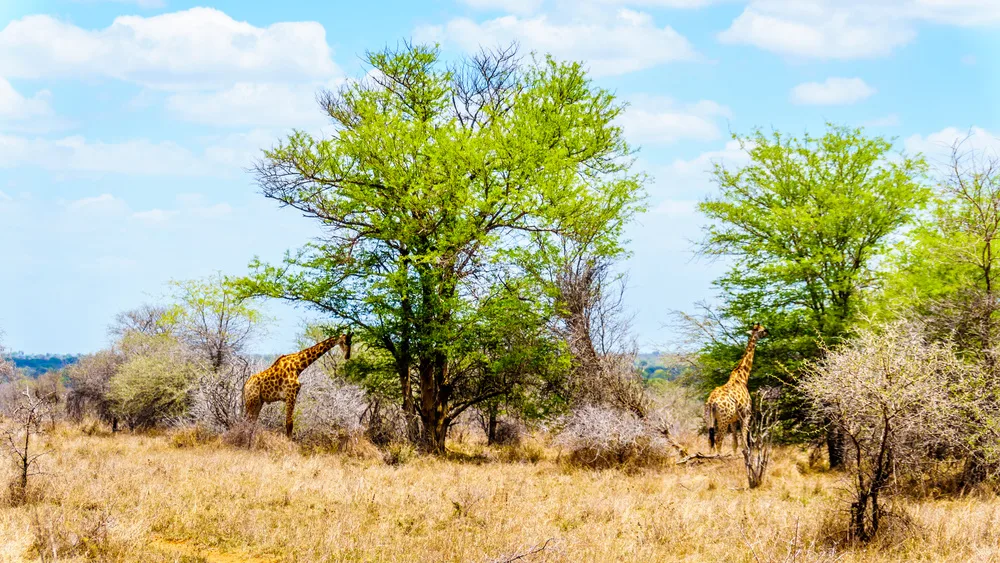
 Insects, Tsetse Flies and Bites on Safari
A practical field guide to the small biters of the African bush — mosquitoes and malaria, tsetse flies, ticks and stings — how to prevent them, what to wear, and how to treat bites.
 Planning & Tips
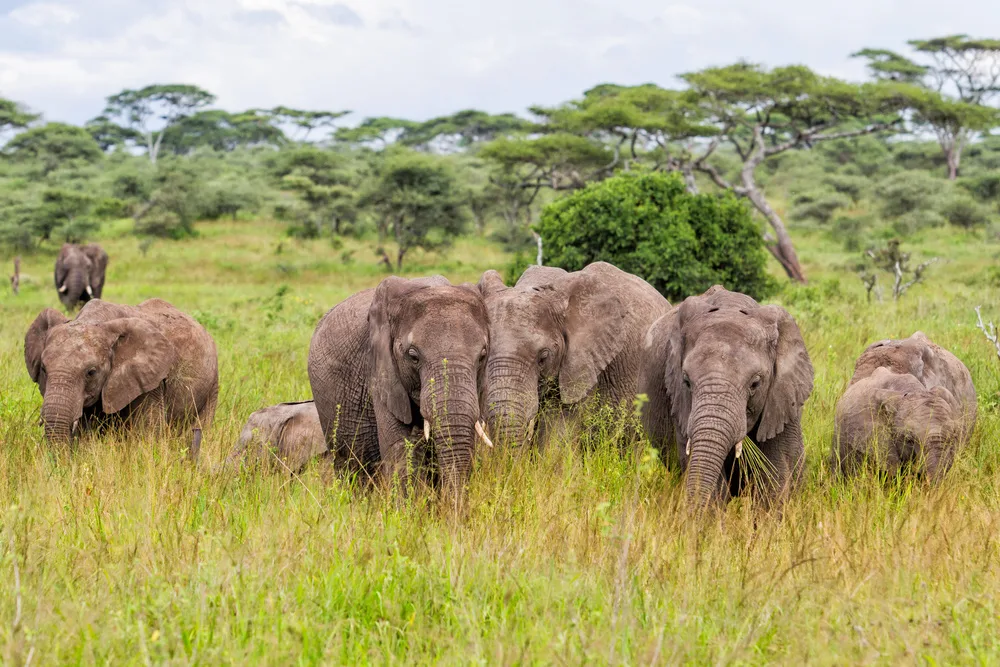
 The Best Age to Take Kids on Safari
How to choose the right age for a family safari — camp minimum ages, attention spans, malaria risk, what different ages gain, and how to pick family-friendly regions.