
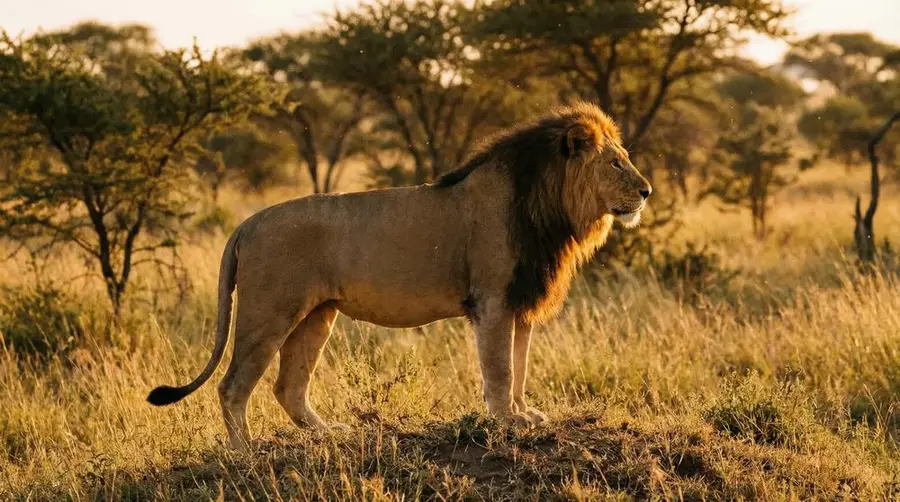
Safari Birds: A Beginner's Guide
An introduction to African safari birds: iconic species to look for, from raptors and bee-eaters to ostriches and flamingos, and how to start birding.
Africa's birdlife is dazzling, and a safari rewards anyone who looks up as well as out — the continent packs in everything from ostriches and flamingos to jewel-like bee-eaters and powerful eagles. Birds are also often the first to reveal a hidden predator, so watching them sharpens your whole game-viewing. This introduction covers the species you are most likely to notice and enjoy on your first trips.
The species
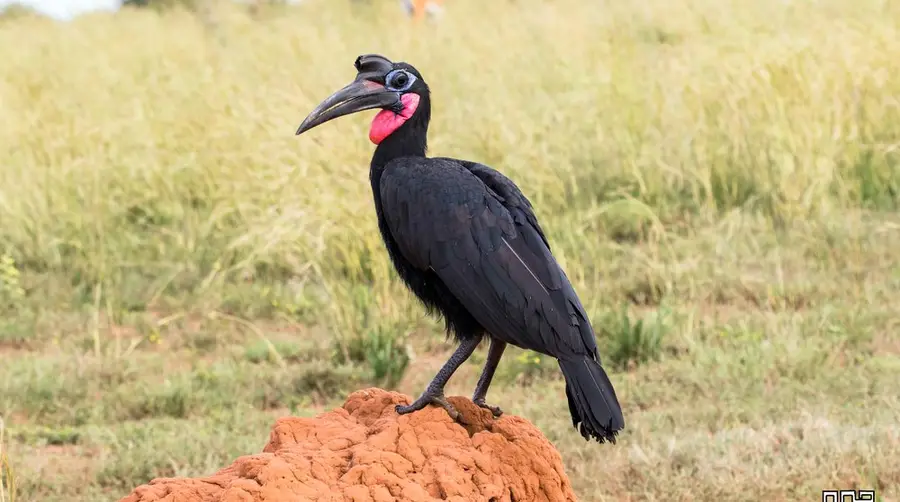 VU
VU Abyssinian Ground Hornbill
Bucorvus abyssinicus
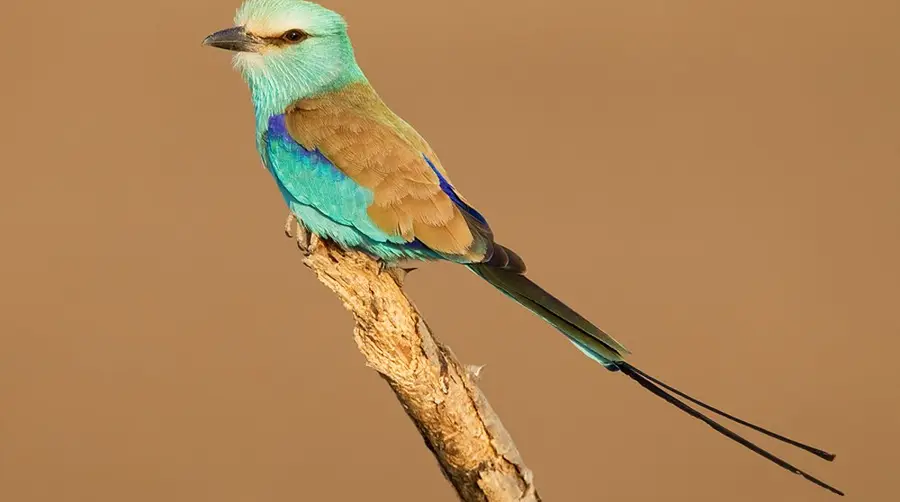 LC
LC Abyssinian Roller
Coracias abyssinicus
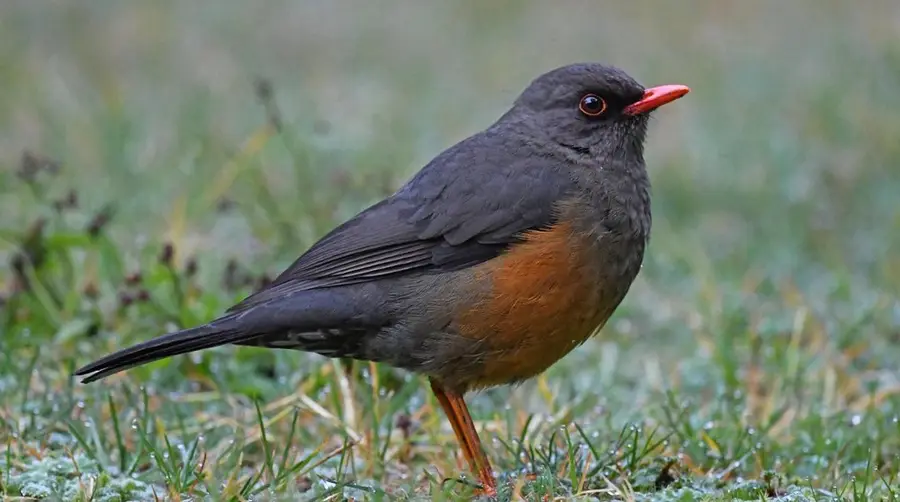 LC
LC Abyssinian Thrush
Turdus abyssinicus
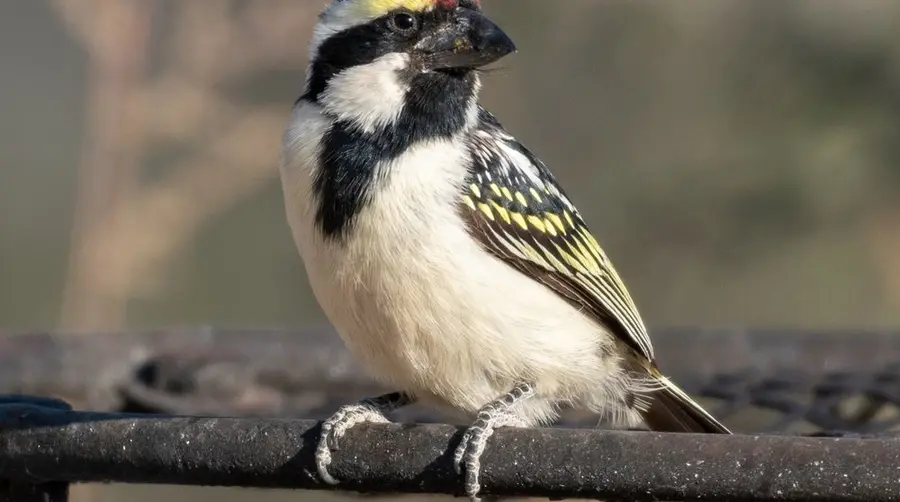 LC
LC Acacia Pied Barbet
Tricholaema leucomelas
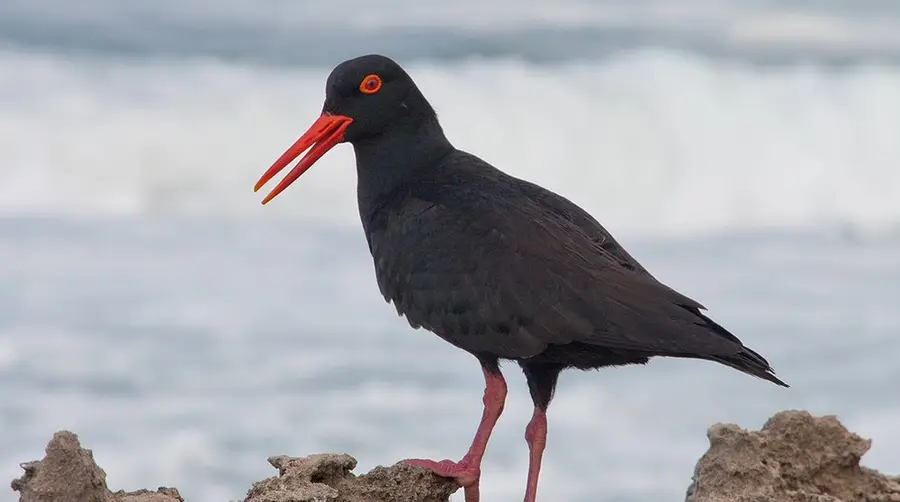 LC
LC African Black Oystercatcher
Haematopus moquini
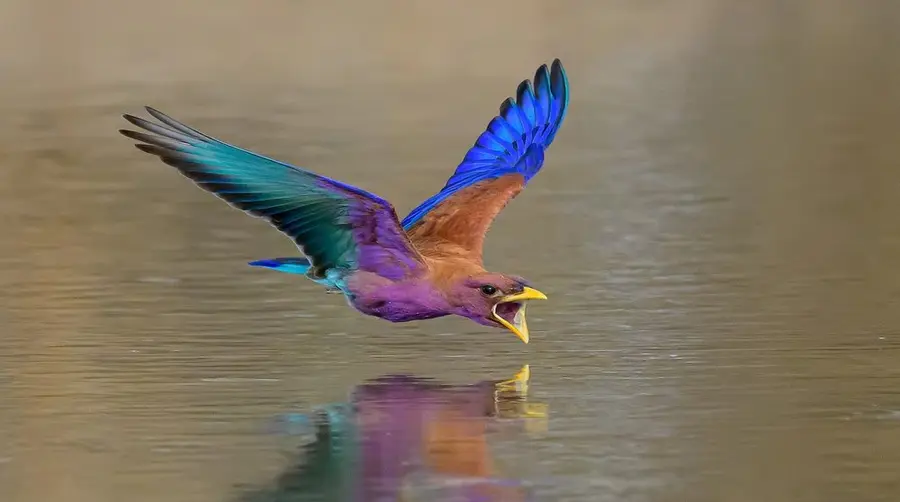 LC
LC African Broad-billed Roller
Eurystomus glaucurus
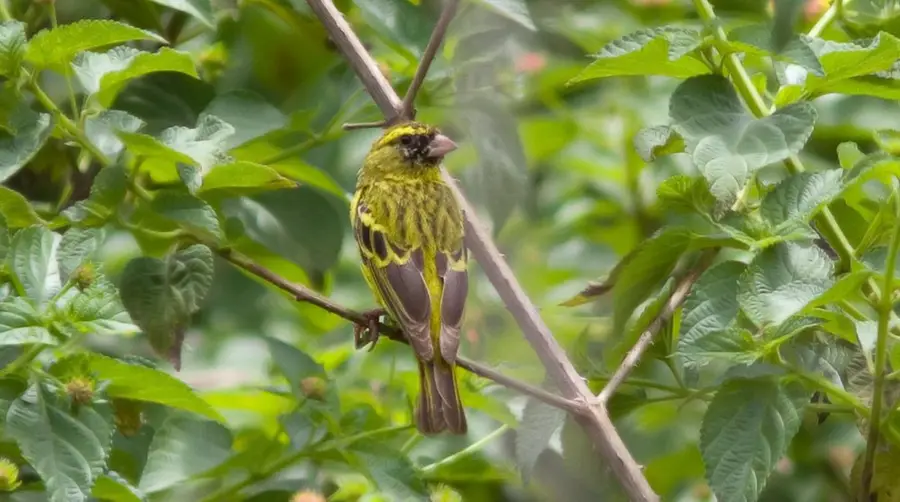 LC
LC African Citril
Crithagra citrinelloides
 LC
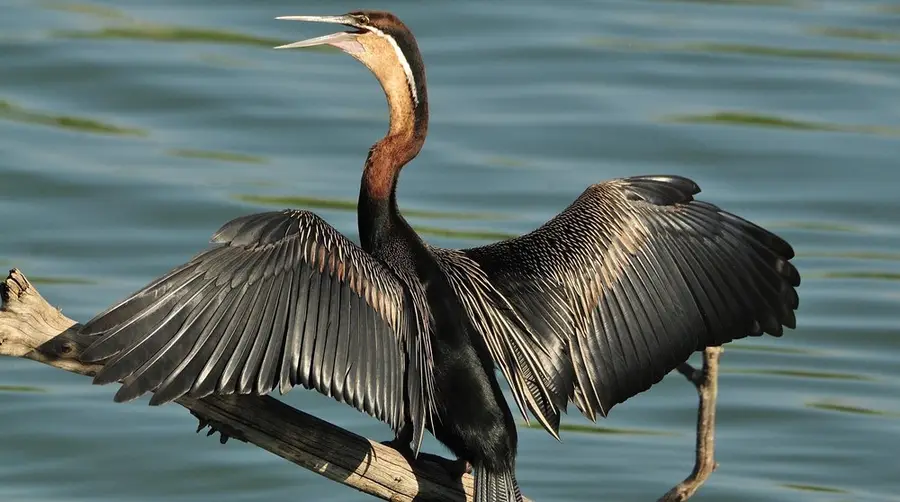
LC African Darter
Anhinga rufa
 LC
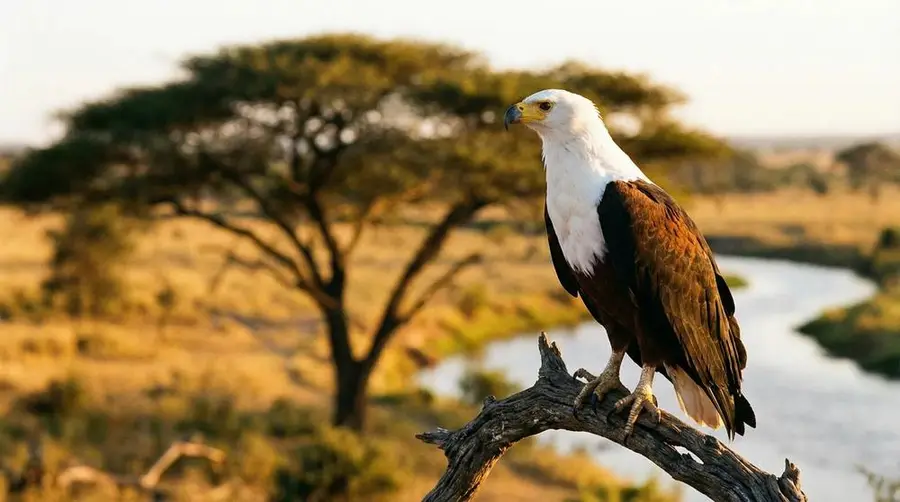
LC African Fish Eagle
Haliaeetus vocifer
 LC
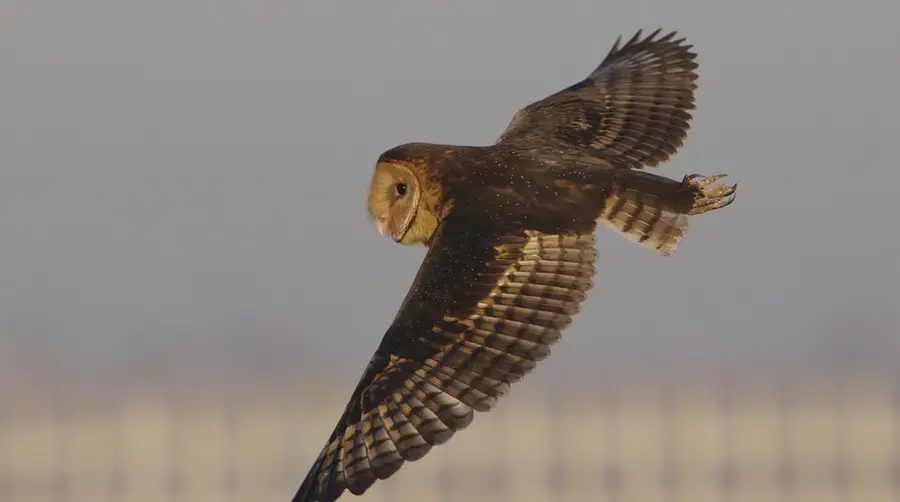
LC African Grass Owl
Tyto capensis
 LC
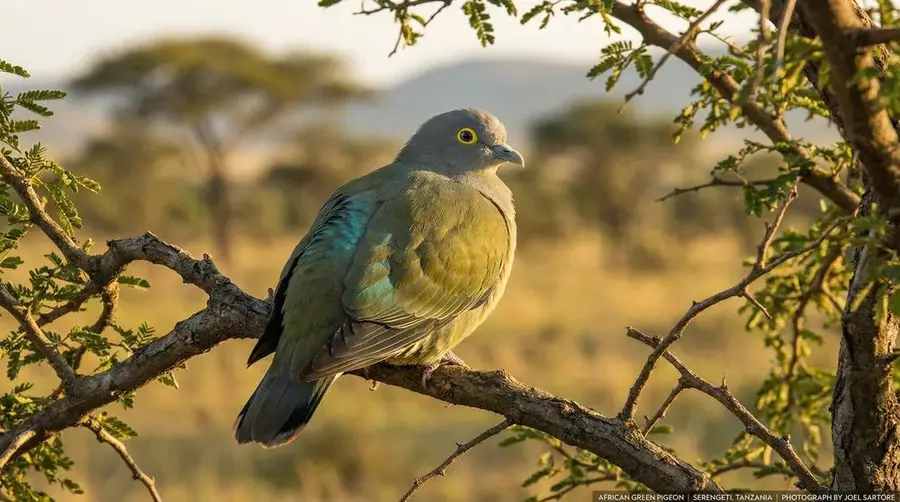
LC African Green Pigeon
Treron calvus
 LC
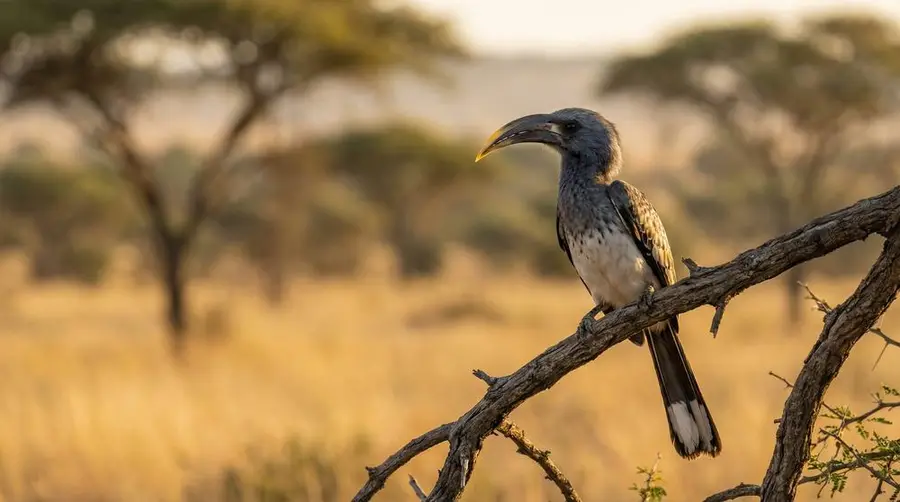
LC African Grey Hornbill
Lophoceros nasutus
Where to see them
Look for these species in the national parks and reserves that protect their preferred habitats across Africa, and remember that each has its own favoured landscape and rhythm. The dry season generally makes them easier to find, as wildlife concentrates around water and cover thins out. A knowledgeable local guide who knows recent movements will dramatically improve your sightings.
The safari's endless bonus
Birds are the wildlife you can enjoy every single minute of a safari, between the big-game sightings and long after the mammals have settled. Africa is extraordinarily rich, and even a casual eye soon starts noticing the colour, variety and constant activity — from lilac-breasted rollers on every other bush to eagles overhead and storks stalking the shallows.
You do not need to be a dedicated birder to appreciate them. Start with the big, obvious and beautiful species, learn a handful of names, and let curiosity do the rest. Many travellers discover that birding quietly becomes the part of the trip that keeps giving.
Getting started with birdwatching
Good binoculars are the key that unlocks birds — 8x42 or 10x42 brings distant colour and detail within reach. Begin with the conspicuous groups such as raptors, storks, bee-eaters, rollers and hornbills, and use habitat and size to narrow down what you are seeing before worrying about the trickier little brown jobs.
Birds are also superb indicators of the wider bush: alarm calls betray predators, vultures mark a kill, and the mix of species tells you about the habitat and season. A field guide or the SafariLingo app, with images and calls, turns a confusing flurry of wings into a rewarding, learnable puzzle.
- Use 8x42 or 10x42 binoculars — the single best birding tool
- Start with big, colourful, conspicuous species
- Use habitat, size and behaviour to narrow identification
- Listen: bird calls reveal predators, kills and season
References & further reading
- Sinclair, A. R. E., et al. (Eds.) (2015). Serengeti IV. Chicago: University of Chicago Press.
- Estes, R. D. (2012). The Behavior Guide to African Mammals. Berkeley: University of California Press.
- Kingdon, J. (2015). The Kingdon Field Guide to African Mammals (2nd ed.). London: Bloomsbury.
- IUCN (2024). The IUCN Red List of Threatened Species, Version 2024-1. www.iucnredlist.org.
Do it with SafariLingo
Take SafariLingo on safari: 500+ species, real animal calls, offline maps and sighting logs — all in your language, wherever you roam.
Get the appFrequently asked questions
How can I identify these animals on safari?
Use a good field guide or the SafariLingo app to compare size, markings, habitat and behaviour side by side. Note the key field marks and the company an animal keeps, as both narrow the identification quickly. Your guide can confirm tricky sightings and point out subtle differences between look-alikes.
When is the best time to see them?
For most species the dry season is easiest, when animals gather around shrinking water and the thinner vegetation improves visibility. The green season can be harder for spotting but rewards you with young animals and rich birdlife. Early mornings and late afternoons are the most productive hours whatever the season.
Do I need a guide to find them?
You can spot many of these species on your own, but an experienced guide transforms the experience. Guides read tracks and alarm calls, know where animals have been seen recently and understand their daily rhythms. Their local knowledge turns hopeful searching into reliable sightings.
Related guides
 Wildlife
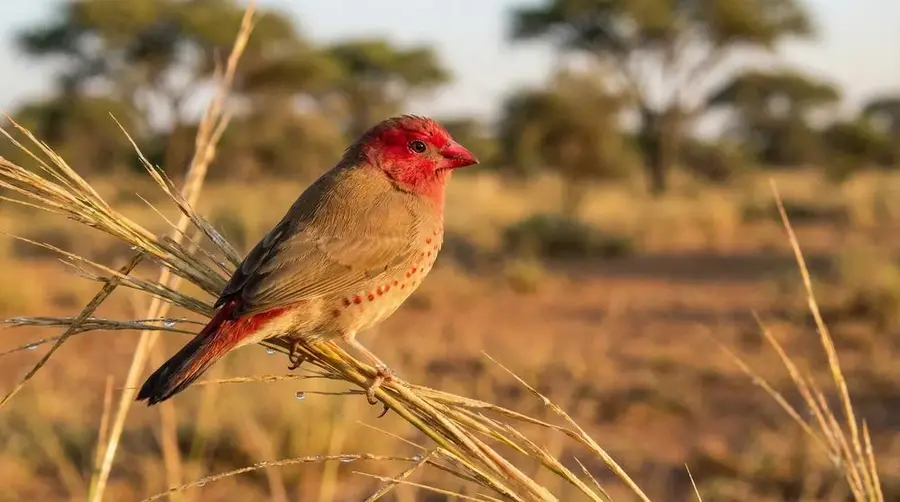
 How to Spot the Red-billed Firefinch on an African Safari
A field guide to finding the Red-billed Firefinch (Lagonosticta senegala) on safari: the habitats it favours, the hours it is most active, the field marks that give it away, and the tracking craft experienced guides use to locate it.
 Wildlife
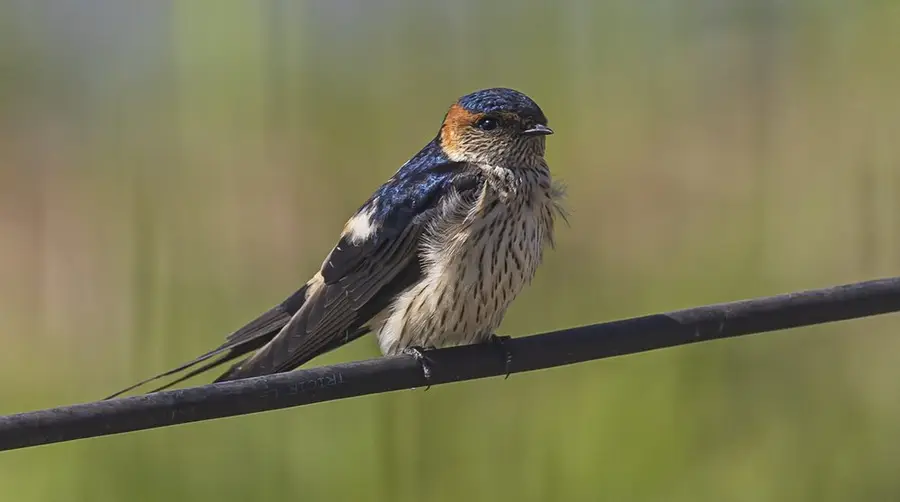
 How to Spot the Red-rumped Swallow on an African Safari
A field guide to finding the Red-rumped Swallow (Cecropis daurica) on safari: the habitats it favours, the hours it is most active, the field marks that give it away, and the tracking craft experienced guides use to locate it.
 Wildlife
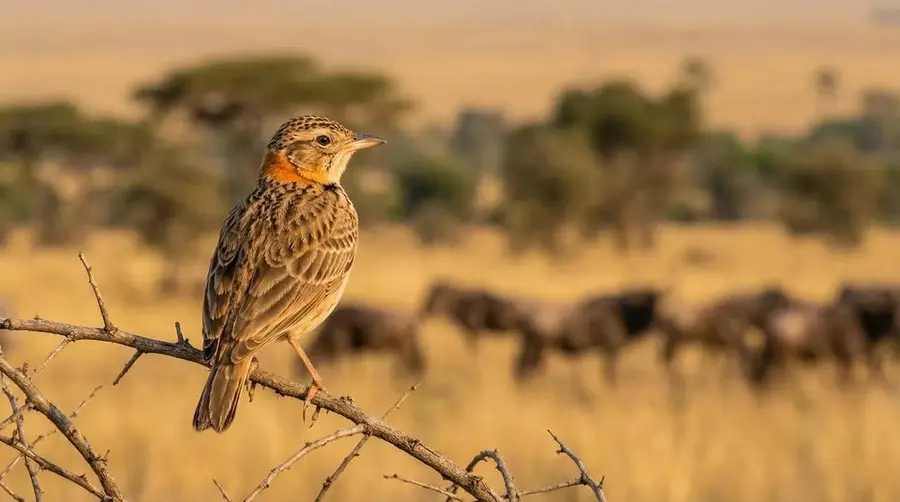
 How to Spot the Rufous-naped Lark on an African Safari
A field guide to finding the Rufous-naped Lark (Mirafra africana) on safari: the habitats it favours, the hours it is most active, the field marks that give it away, and the tracking craft experienced guides use to locate it.