
Ethical Wildlife Tourism on Safari
What ethical wildlife tourism means on safari — putting animal welfare first, choosing responsible operators, avoiding exploitative attractions, and ensuring your money helps rather than harms.
A safari should leave the wildlife and the wild places better off, not worse. Ethical wildlife tourism means putting the welfare of animals and the integrity of their habitat ahead of the perfect photo or the closest possible encounter, and choosing operators and activities that genuinely support conservation rather than exploit it. The reassuring truth, which surprises many first-timers, is that responsible travel and a truly wonderful safari are not in tension at all — they reinforce each other. Think of it as a simple hierarchy of priorities. The animal comes first, the habitat second, the community that shares that habitat third, and your own experience last. That order sounds sacrificial, yet in practice it delivers the richest safaris of all: calm, patient, unobtrusive sightings where wild animals behave naturally instead of fleeing, freezing or bristling at a wall of vehicles. This guide explains what ethical wildlife tourism looks like in the field — how to behave around animals, which activities and operators to support and which to walk away from, and how to make sure your money strengthens conservation and local livelihoods. None of it requires you to enjoy your trip less. Small, informed choices, repeated by thousands of travellers, add up to a tourism model that keeps wild Africa wild.
Key things to know
- Animal welfare always outranks the photo, the video or the close-up
- Keep a respectful distance and let animals set the terms of the encounter
- Learn to read stress signals and back off the moment you see them
- Never feed wildlife — it damages health and creates dangerous raiders
- Avoid captive-animal attractions: cub-petting, lion walks, elephant rides, shows
- Choose operators that limit vehicles at sightings and follow off-road rules
- Park, conservancy and community fees are what actually fund protection
- Ethical behaviour and an unforgettable safari genuinely go hand in hand
Putting welfare first in the vehicle
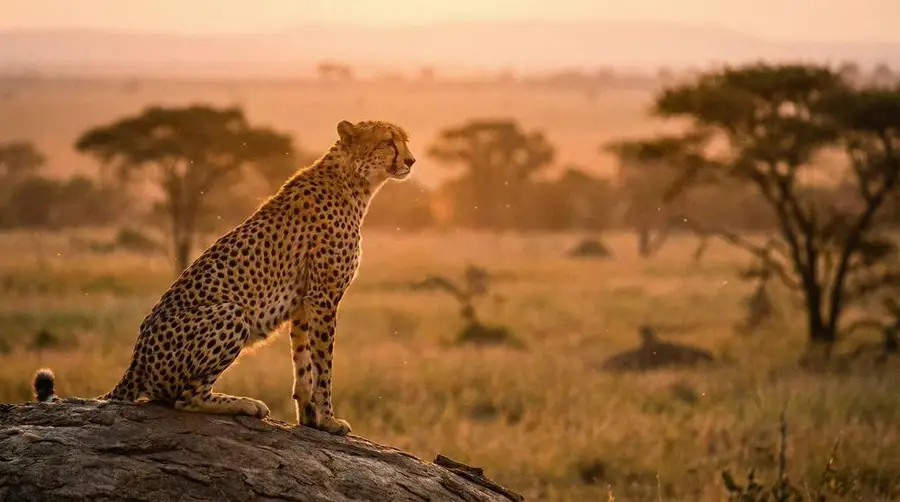
The core principle is simple to state and demanding to live by: the animal's wellbeing matters more than your experience of it. In practice that means keeping a respectful distance, never surrounding or boxing in an animal, and never pressuring your guide to drive off-road through fragile ground, cut across a path or nudge closer than the animal is comfortable with. A hunting cheetah that loses its one daily chance at a meal because jostling vehicles spook the gazelle, or a lioness separated from cubs by a semicircle of Land Cruisers, pays a very real price for a photograph you will delete within a week.
Learn to read the signs of stress, because animals communicate their discomfort clearly if you watch. An elephant that stops feeding, spreads its ears, shakes its head or takes a step toward the vehicle is asking for space; a leopard that flattens, a cat that stops hunting, a herd that bunches and moves off — all are telling you the vehicle is too close. The correct response is always the same: sit still, lower your voice and, if needed, ask your guide to back off. The most ethical sightings are quiet, patient and unobtrusive, and — not by coincidence — they are also the ones in which you witness the most genuine, unguarded natural behaviour.
- Keep a respectful distance; never crowd, encircle or corner an animal
- Don't pressure guides to break off-road or approach rules for a shot
- Watch for stress signals — ears, head-shakes, freezing, moving off
- Keep voices low and movements slow; switch engines off when asked
- Never feed or bait wildlife, directly or by dropping food scraps
Spotting exploitative attractions
Not everything marketed as a wildlife experience is ethical, and some of the most heavily advertised activities are the most harmful. Be deeply wary of anything built on captive animals — walking with lions or cheetahs, petting cubs, riding elephants, chained or performing animals, and roadside photo props. However charming and hands-on they appear, these attractions frequently rely on early separation of young from mothers, confinement, and in the worst cases feed into the canned-hunting pipeline once the animals grow too big to handle. The rule of thumb is blunt but reliable: if you can touch it, ride it, or make it perform, it is almost certainly not conservation.
Genuine ethical tourism watches wild animals living free on their own terms, where the only interaction is observation. There are honourable exceptions run by accredited sanctuaries — true rehabilitation centres and orphan facilities that do not breed for cub-petting, do not offer hands-on contact with predators, and are transparent about veterinary care and release goals. When in doubt, ask hard questions about where the animals came from, whether they can ever be released, and whether the facility breeds animals for interaction. A reputable sanctuary welcomes those questions; an exploitative one deflects them.
- Avoid cub-petting, big-cat walks, elephant-back rides and animal shows
- Be sceptical of any hands-on contact with predators or their young
- Ask where animals came from and whether release is the goal
- Support accredited sanctuaries with no breeding-for-petting
- Choose wild, free-roaming wildlife viewing over staged encounters
Choosing a responsible operator
The single most powerful ethical decision you make happens before you leave home: which operator and camps you book. Reputable operators are proud to explain how they treat wildlife, and their answers are specific rather than vague. Ask whether they follow responsible-viewing guidelines, cap the number of vehicles at a sighting, keep to roads and tracks rather than driving cross-country, and brief guides to prioritise animal welfare over guest demands and tips. Ask, too, about conservancy models — private and community conservancies often enforce far stricter vehicle and off-road limits than busy national parks, which is why a sighting there feels calmer and more exclusive.
Guiding culture is the tell. A good guide narrates behaviour, hangs back, reads the animal and will quietly decline when a guest pushes for an illegal or stressful move; a poor one revs after fleeing animals and blocks their path for a tip. You can also weigh the operator's conservation and community record: do they employ and train local staff, contribute to anti-poaching or research, and reinvest in the areas they profit from? Certifications and memberships help, but a straight, detailed answer to a direct question tells you more than any logo.
- Ask how many vehicles are allowed at one sighting
- Confirm off-road and night-driving policies before booking
- Prefer community and private conservancies for lower vehicle pressure
- Check that local people are employed, trained and fairly paid
- Value specific, transparent answers over marketing slogans
How your money funds conservation
Tourism done right is one of conservation's most powerful allies, because it gives wildlife an economic value that competes with the alternatives — agriculture, livestock and poaching. Your park and conservancy fees flow directly to the rangers, monitoring teams and anti-poaching patrols that keep animals alive, and to the fencing, water and habitat work that keeps ecosystems functioning. In community conservancies, lease payments and bed-night levies put money into the hands of the very people who share their land with lions and elephants, transforming wildlife from a threat to livestock into a source of income worth protecting. Where wildlife pays its way, it survives; where it doesn't, it is too often replaced.
You can amplify that good with a few deliberate choices. Favour camps and operators that reinvest visibly in conservation and local communities, buy crafts and services from local people at fair prices, and respect every reserve's rules as though enforcement depended on you. Keep your footprint light — minimise single-use plastic, conserve water in arid camps, and don't remove anything from the bush. Ethical wildlife tourism is not about enjoying less or doing less; it is about ensuring that the extraordinary privilege of watching wild animals leaves their world measurably stronger than you found it.
Common ethical dilemmas — and simple rules
Even well-meaning travellers hit grey areas, and having a rule ready beats freezing in the moment. If your vehicle is one of many crowding a leopard, it is fine — commendable, even — to ask your guide to wait at a distance or move on and return later. If a guest in your vehicle pressures the driver to chase, feed or bait an animal, speak up; a polite word usually settles it, and guides are grateful for the backing. If you are offered a special close encounter that involves touching, baiting or luring, decline, however tempting. Photography never justifies harassment: no image is worth changing an animal's behaviour or interrupting a hunt.
Social media adds a modern twist. Resist geotagging the exact location of rhinos or other poaching-targeted species, since precise coordinates can guide criminals to them. Don't post content that glamorises hands-on captive-animal experiences, because demand follows what looks fun online. And be honest with yourself about the difference between watching and interfering: the best wildlife encounters are the ones the animal barely notices. Carry these rules lightly but firmly, and you will rarely be caught unsure of the right thing to do.
- If a sighting is overcrowded, wait back or return later
- Speak up when a fellow guest pressures the guide to break rules
- Decline any offer to touch, bait or lure wildlife for a photo
- Don't geotag rhinos or other poaching-sensitive species
- Avoid posting content that glamorises captive-animal handling
References & further reading
- Sinclair, A. R. E., et al. (Eds.) (2015). Serengeti IV. Chicago: University of Chicago Press.
- Estes, R. D. (2012). The Behavior Guide to African Mammals. Berkeley: University of California Press.
- Kingdon, J. (2015). The Kingdon Field Guide to African Mammals (2nd ed.). London: Bloomsbury.
- IUCN (2024). The IUCN Red List of Threatened Species, Version 2024-1. www.iucnredlist.org.
Do it with SafariLingo
Take SafariLingo on safari: 500+ species, real animal calls, offline maps and sighting logs — all in your language, wherever you roam.
Get the appFrequently asked questions
What is ethical wildlife tourism?
It is tourism that puts animal welfare and habitat integrity first: watching wild animals living free, keeping a respectful distance, never disturbing or feeding them, avoiding captive-animal attractions, and choosing operators and fees that fund genuine conservation and support local communities. In short, the animal's wellbeing outranks your experience of it.
Are activities like walking with lions or petting cubs ethical?
Generally no. Attractions built on captive animals — big-cat walks, cub-petting, elephant rides and performing-animal shows — frequently rely on early separation from mothers and confinement, and some feed into the canned-hunting trade. A simple test helps: if you can touch it, ride it or make it perform, it is almost certainly not conservation. Observe wild, free-roaming animals instead.
How can I tell if a safari operator is genuinely ethical?
Ask specific questions: how many vehicles they allow at a sighting, their off-road and night-driving policies, and how they support conservation and local communities. Watch their guiding culture — good guides hang back and read the animal rather than harassing it for tips. Reputable operators answer directly and in detail; evasiveness is a red flag.
Does going on safari actually help conservation?
It genuinely can. Park and conservancy fees fund rangers and anti-poaching work, and community conservancies give local people a financial stake in protecting wildlife rather than losing land or livestock to it. Choosing responsible operators that reinvest in conservation and employ local staff turns your trip into a real force for good.
What should I do if my vehicle is crowding an animal?
Quietly ask your guide to keep more distance, wait further back, or move on and return when it is calmer — good guides respect this. If a fellow guest pushes to chase, feed or approach too closely, speak up politely. No photograph is worth stressing an animal or interrupting a hunt.
Related guides
 Planning & Tips
 Useful Swahili for Wildlife Watching
Useful Swahili words for wildlife watching on safari, from animal names and habitats to tracking, directions and polite ways to learn from your guide in East Africa.
 Planning & Tips
 What to Do If You See a Predator Kill
How to behave if you witness a predator hunt or kill on safari: stay safe, quiet and ethical, understand the ecology, manage your emotions, and follow your guide without interfering.
 Planning & Tips
 How to Choose a Safari Destination
How to choose the right African safari destination for you: matching countries and parks to the wildlife you want to see, your travel season, your budget and your travel style, with clear decision rules to shortlist fast.