
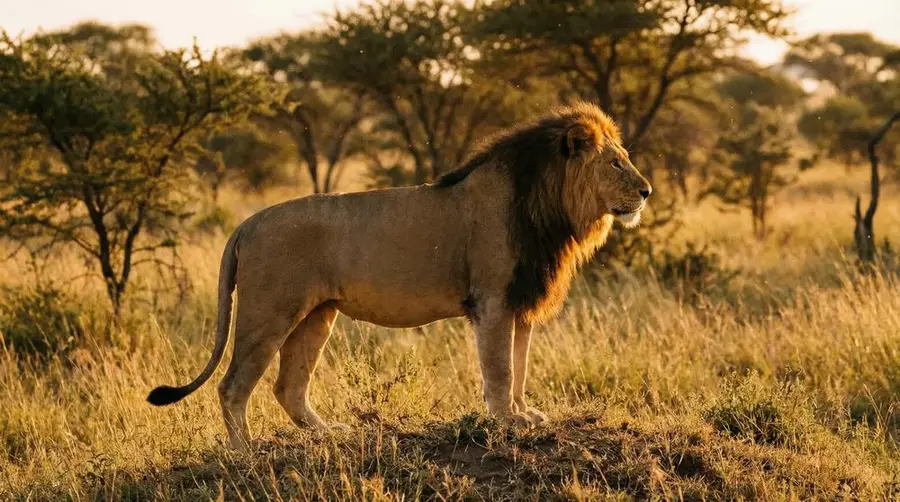
Endangered Species You Can Still See on Safari
Meet the endangered African animals you can still see on safari, and learn how responsible tourism helps fund their survival.
Some of Africa's most remarkable animals are also among its most threatened, from black rhino to wild dog and pangolin. Seeing them responsibly is a privilege that carries weight, because well-managed tourism directly funds the anti-poaching and habitat protection that keeps them alive. This guide introduces the endangered species you can still encounter and how your visit can be part of their story rather than their decline.
The species
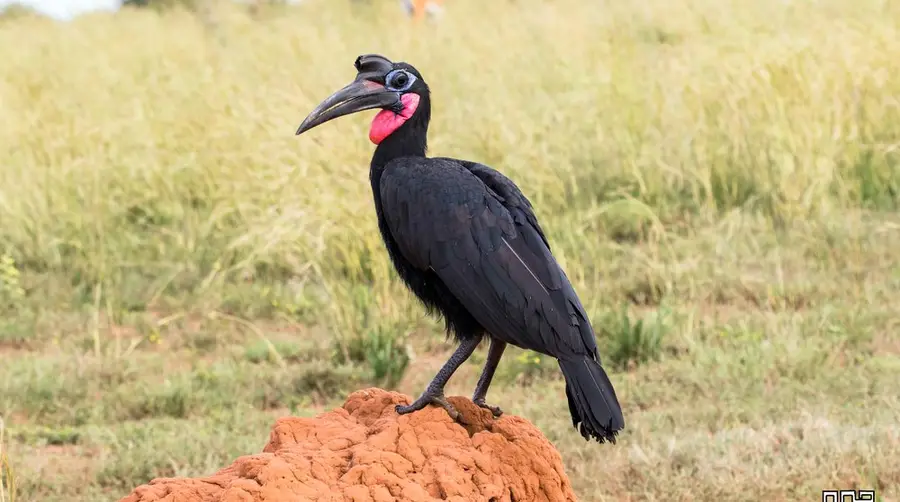 VU
VU Abyssinian Ground Hornbill
Bucorvus abyssinicus
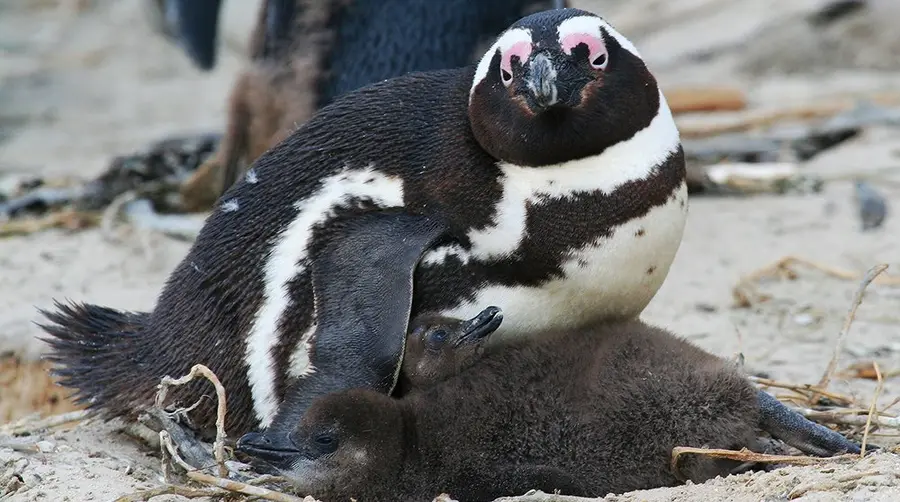 EN
EN African Penguin
Spheniscus demersus
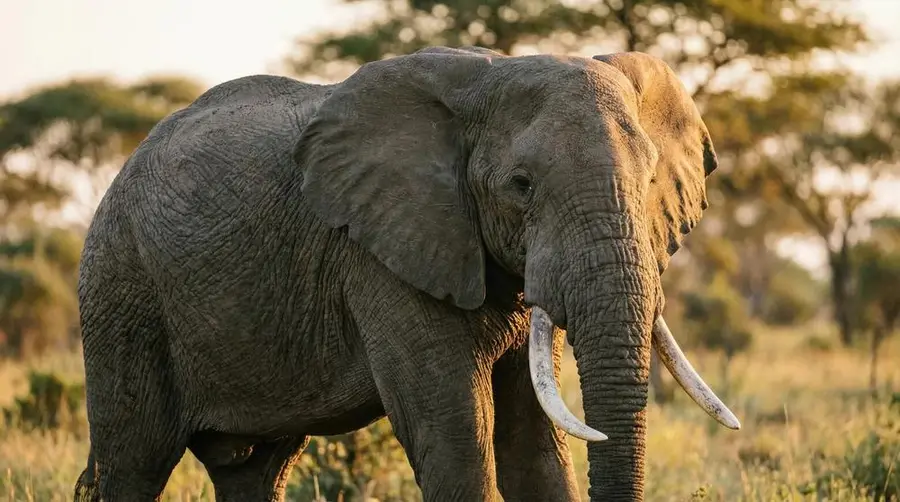 Big Five EN
 African Savanna Elephant
Loxodonta africana
 EN
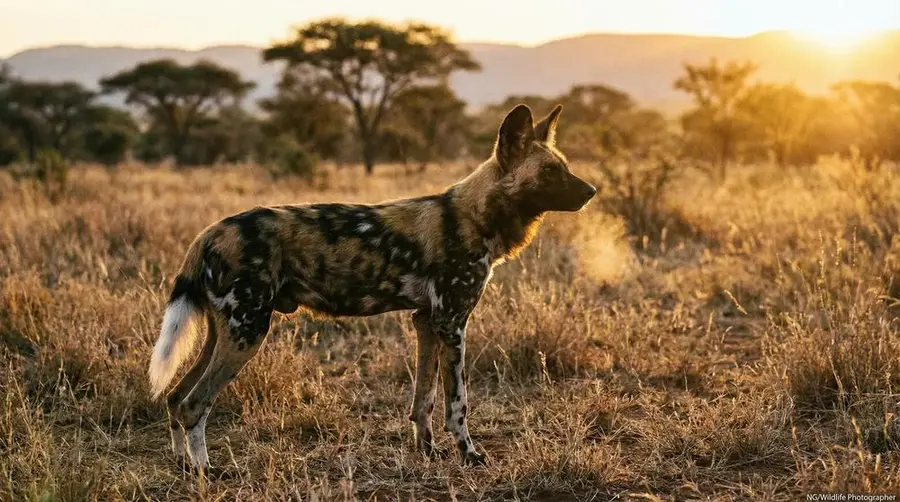
EN African Wild Dog
Lycaon pictus
 EN
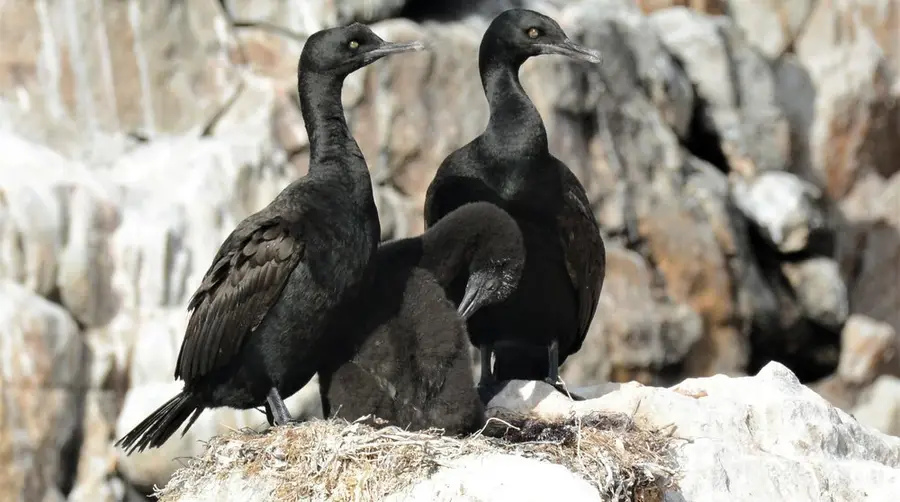
EN Bank Cormorant
Phalacrocorax neglectus
 EN
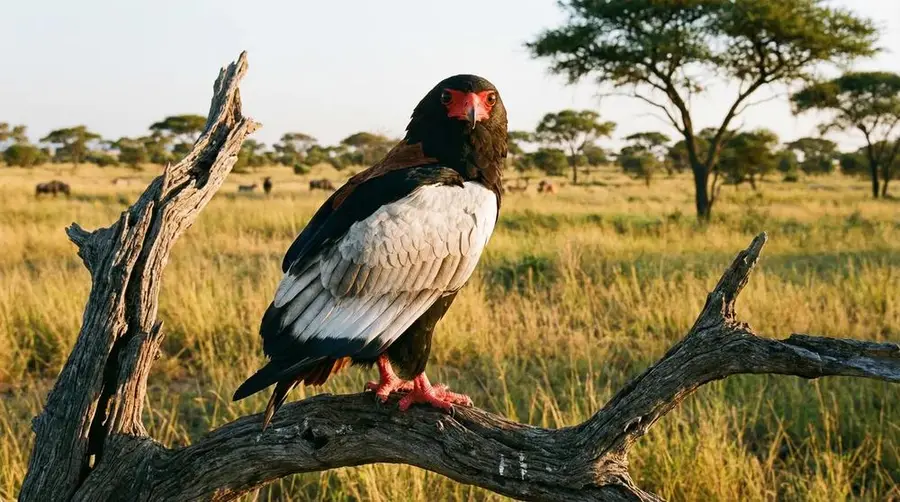
EN Bateleur
Terathopius ecaudatus
 EN
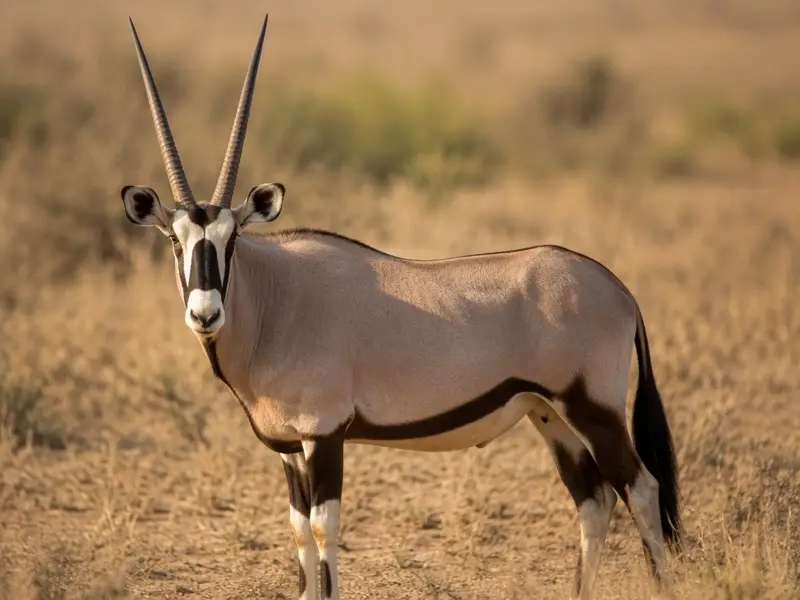
EN Beisa Oryx
Oryx beisa
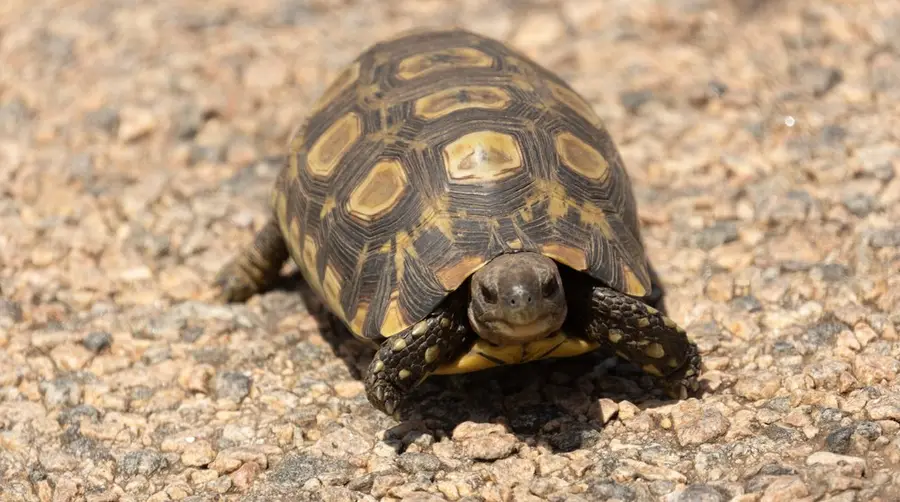 VU
VU Bell's Hinged Tortoise
Kinixys belliana
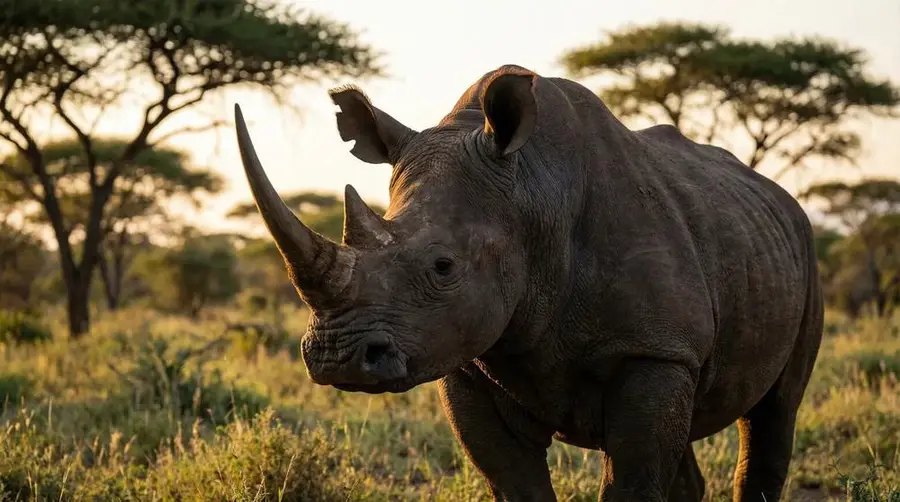 Big Five CR
 Black Rhinoceros
Diceros bicornis
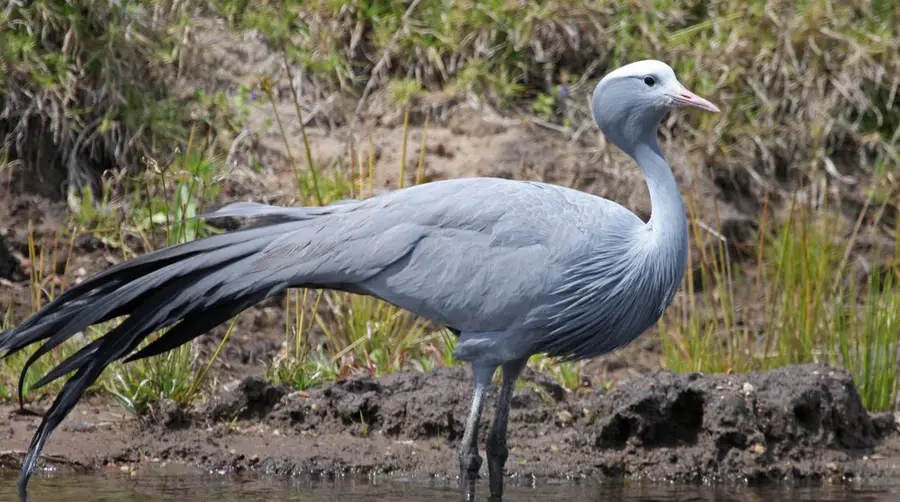 VU
VU Blue Crane
Anthropoides paradiseus
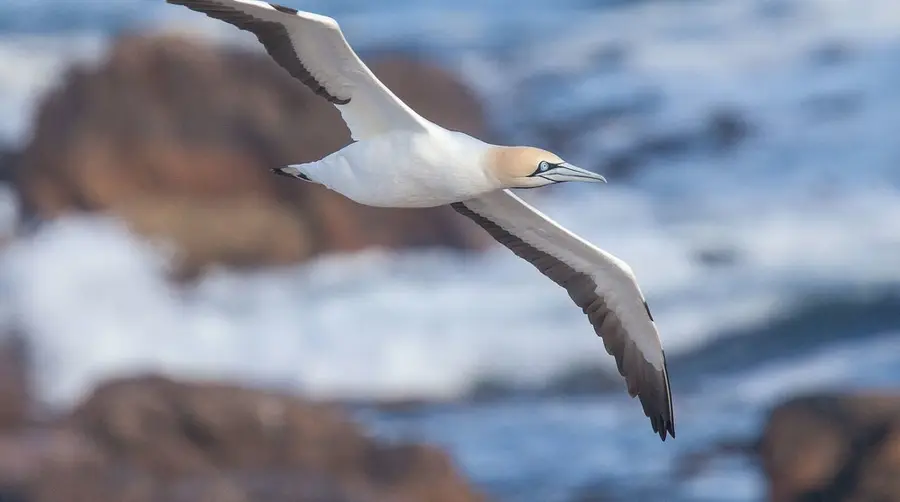 EN
EN Cape Gannet
Morus capensis
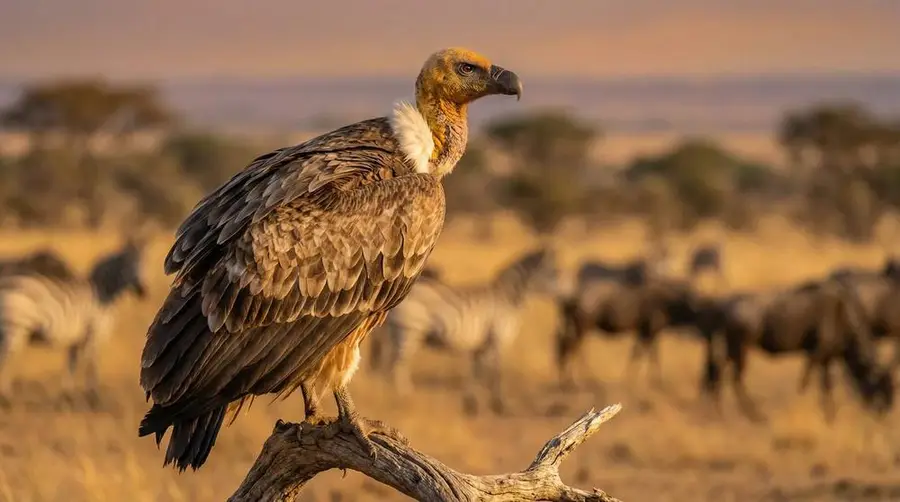 VU
VU Cape Griffon
Gyps coprotheres
Where to see them
Look for these species in the national parks and reserves that protect their preferred habitats across Africa, and remember that each has its own favoured landscape and rhythm. The dry season generally makes them easier to find, as wildlife concentrates around water and cover thins out. A knowledgeable local guide who knows recent movements will dramatically improve your sightings.
Species under pressure
Some of Africa's most compelling animals are also its most threatened. Rhinos, wild dogs, cheetahs, mountain gorillas, Grevy's zebra and others cling on in shrinking ranges, and every sighting of them carries a weight that a common species does not. Seeing them is a privilege that comes with a quiet responsibility.
Understanding why they are endangered — habitat loss, poaching, conflict with people and a changing climate — deepens the encounter and explains the strict rules that often surround them. These are not obstacles but the very reason the animals still exist to be seen.
How your visit helps
Responsible tourism is one of the most powerful tools in conservation. Park fees, permits and conservancy levies fund the rangers, monitoring and anti-poaching work that keep endangered species alive, while community tourism gives local people a tangible stake in protecting wildlife rather than losing it.
You can make your trip count by choosing reputable operators, respecting distances and rules, keeping sightings calm and low-impact, and supporting camps that reinvest in conservation and communities. A safari built around threatened species should leave them better protected, not more disturbed — and done well, it genuinely does.
- Permits and park fees fund rangers and anti-poaching work
- Community tourism gives locals a stake in conservation
- Keep sightings calm; respect all distance and behaviour rules
- Choose operators that reinvest in wildlife and communities
References & further reading
- Sinclair, A. R. E., et al. (Eds.) (2015). Serengeti IV. Chicago: University of Chicago Press.
- Estes, R. D. (2012). The Behavior Guide to African Mammals. Berkeley: University of California Press.
- Kingdon, J. (2015). The Kingdon Field Guide to African Mammals (2nd ed.). London: Bloomsbury.
- IUCN (2024). The IUCN Red List of Threatened Species, Version 2024-1. www.iucnredlist.org.
Do it with SafariLingo
Take SafariLingo on safari: 500+ species, real animal calls, offline maps and sighting logs — all in your language, wherever you roam.
Get the appFrequently asked questions
How can I identify these animals on safari?
Use a good field guide or the SafariLingo app to compare size, markings, habitat and behaviour side by side. Note the key field marks and the company an animal keeps, as both narrow the identification quickly. Your guide can confirm tricky sightings and point out subtle differences between look-alikes.
When is the best time to see them?
For most species the dry season is easiest, when animals gather around shrinking water and the thinner vegetation improves visibility. The green season can be harder for spotting but rewards you with young animals and rich birdlife. Early mornings and late afternoons are the most productive hours whatever the season.
Do I need a guide to find them?
You can spot many of these species on your own, but an experienced guide transforms the experience. Guides read tracks and alarm calls, know where animals have been seen recently and understand their daily rhythms. Their local knowledge turns hopeful searching into reliable sightings.
Related guides
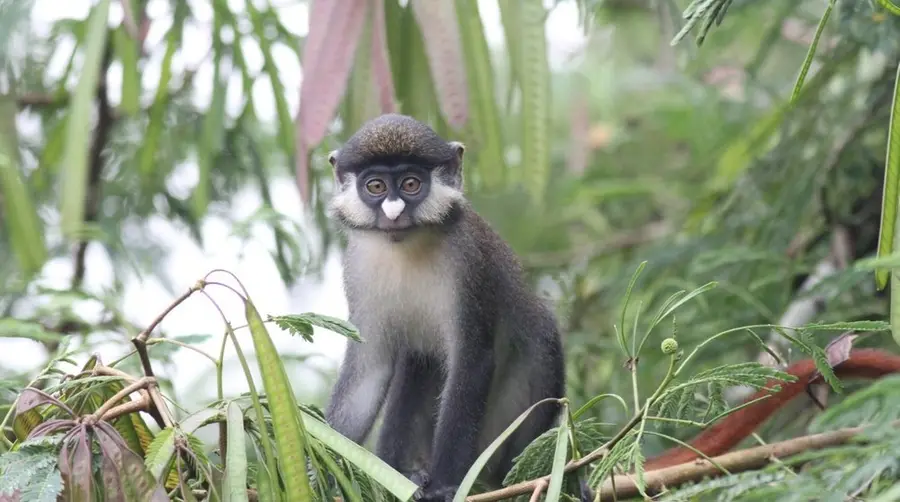 Wildlife
 How to Spot the Red-tailed Monkey on an African Safari
A field guide to finding the Red-tailed Monkey (Cercopithecus ascanius) on safari: the habitats it favours, the hours it is most active, the field marks that give it away, and the tracking craft experienced guides use to locate it.
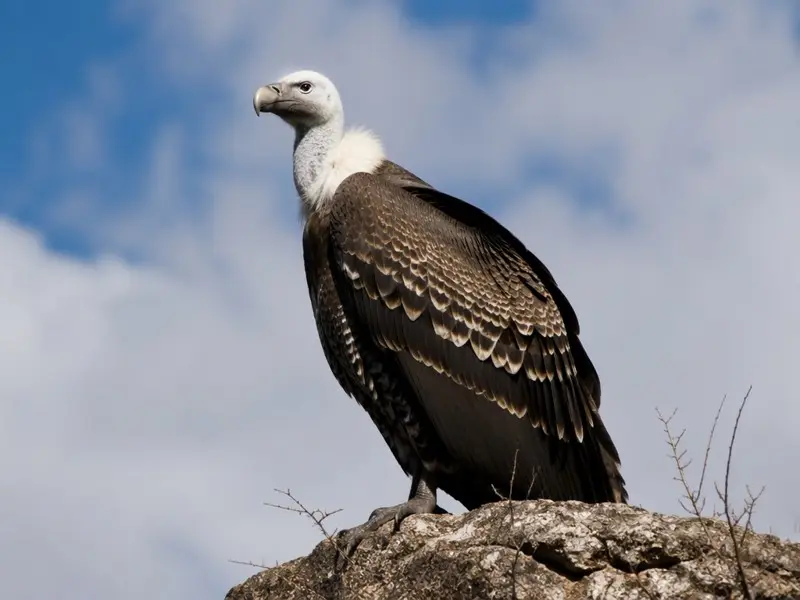 Wildlife
 How to Spot the Rüppell's Griffon on an African Safari
A field guide to finding the Rüppell's Griffon (Gyps rueppellii) on safari: the habitats it favours, the hours it is most active, the field marks that give it away, and the tracking craft experienced guides use to locate it.
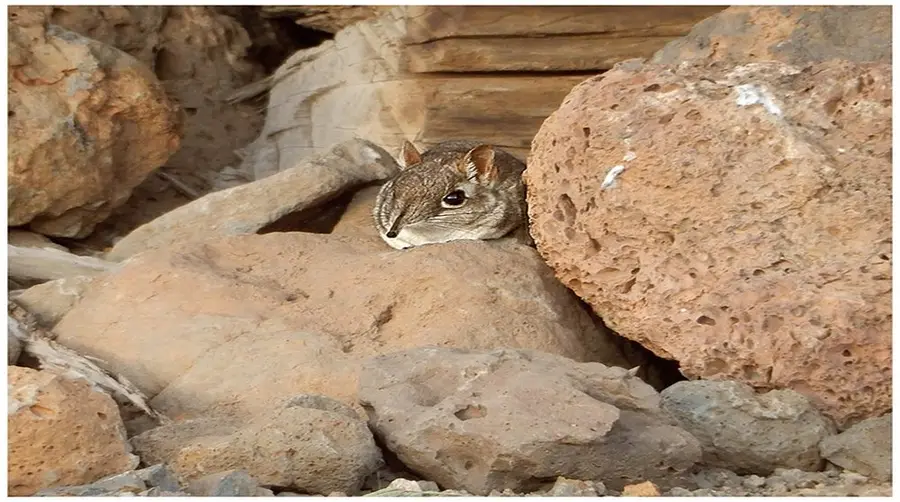 Wildlife
 How to Spot the Sengi on an African Safari
A field guide to finding the Sengi (Elephantulus brachyrhynchus) on safari: the habitats it favours, the hours it is most active, the field marks that give it away, and the tracking craft experienced guides use to locate it.