
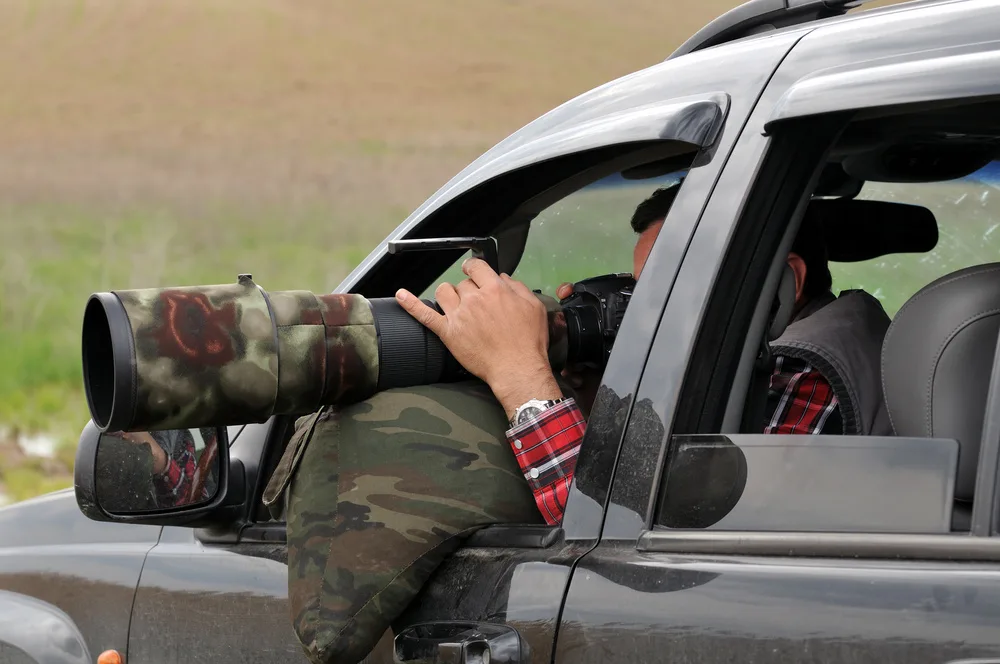
Black-and-White Wildlife Photography on Safari
When and how to shoot wildlife in monochrome: using harsh light, texture and mood, dust and rain, elephants and rhinos, learning to think in tones, and balancing in-camera choices with post-processing.
Stripping colour away from a wildlife image can feel counter-intuitive on a continent famous for golden light and tawny savannah, yet black and white is one of the most powerful tools a safari photographer has. Monochrome removes the distraction of colour and forces the viewer to engage with what really carries an image: light, shadow, texture, shape and emotion. A grey elephant against grey scrub can look flat in colour but monumental in mono. This guide is about learning to see in black and white while you are out in the field, not just converting images later as an afterthought. We will look at the conditions that suit monochrome, from harsh midday light to dust and rain, the subjects that lend themselves to it, such as elephants and rhinos with their sculptural forms and textured hide, and the habit of thinking in tones rather than colours. We will also weigh what to control in the camera against what to refine in post-processing. None of this requires exotic gear. A good eye, patience and an understanding of tone matter far more than the latest body or lens. Whether you shoot raw and convert later or preview in a monochrome picture style, the goal is the same: to make images where the absence of colour is a deliberate creative choice that strengthens the story, not simply a filter applied at random.
Key things to know
- Black and white emphasises light, shadow, texture, shape and emotion over colour.
- Harsh midday light that ruins colour shots can be ideal for dramatic mono.
- Dust, rain, mist and backlight create mood that monochrome renders beautifully.
- Textured, sculptural subjects like elephants and rhinos suit black and white.
- Learn to think in tones: how bright or dark each element will become.
- Shoot raw so you keep full control over the monochrome conversion later.
- Strong composition and contrast matter more than expensive equipment.
- Use black and white deliberately, not as a rescue for a weak colour image.
Why shoot wildlife in monochrome
Colour is powerful, but it can also dominate an image and hide its underlying structure. When you remove it, the eye is left with the essentials: the direction and quality of light, the contrast between highlight and shadow, the texture of skin or fur, and the shape an animal makes against its background. This is why a herd of buffalo in dust, or a lone lion in hard light, can feel far more graphic and emotional in black and white than in colour.
Monochrome also solves problems that colour creates. Muddy midday light, mixed colour casts, or a busy, distracting background can wreck a colour frame, yet the same scene in black and white becomes a study in tone and form. On safari, where you cannot control the light or move your subject, this flexibility is invaluable. Learning when colour is the story and when it is merely noise is the first step towards using mono with intent.
- Removes colour distraction and reveals light, form and texture.
- Turns harsh or mixed light into dramatic tonal contrast.
- Tames busy or ugly backgrounds that would ruin a colour frame.
- Adds timeless, emotional mood to a strong moment.
- Lets you rescue difficult light rather than being defeated by it.
Working with harsh light and shadow
Guides and photographers often lament the harsh light of the middle of the day, when the sun is high, contrast is brutal and colours wash out. For colour work this is genuinely difficult, but for black and white it can be a gift. Hard light carves deep shadows, picks out texture and creates the strong tonal separation that monochrome thrives on. A subject rim-lit or side-lit by a fierce sun can look sculptural and intense in mono.
The key is to expose for the highlights and let shadows fall where they will, embracing contrast rather than fighting it. Look for pools of light and dark, for shafts of sun through trees or dust, and for the way a bright hide glows against a shaded background. Backlighting, which can be tricky in colour, often produces stunning mono images full of drama and separation. Rather than packing the camera away at midday, start hunting for these bold, high-contrast compositions.
- Expose for the highlights and allow deep, intentional shadows.
- Use hard side-light and rim-light to reveal texture and shape.
- Look for shafts and pools of light for natural drama.
- Treat backlight as an asset for striking silhouettes and glow.
- Keep shooting at midday instead of waiting only for golden hour.
Dust, rain and atmosphere
Some of the most evocative safari photographs are made not in perfect conditions but in dust, rain, mist and haze, and these atmospheric elements are tailor-made for black and white. Dust kicked up by a moving herd, backlit by low sun, becomes a luminous veil in mono. Rain and storm light, which can look grey and dispiriting in colour, translate into brooding, dramatic tones. Mist softens backgrounds and isolates a subject beautifully.
These conditions add depth and mood, separating foreground from background and giving an image a sense of place and moment. They also introduce mystery: a half-seen elephant in dust or a wet-maned lion in rain tells a story that a clean, bright frame cannot. Protect your gear from moisture and fine dust, keep a cloth handy, and be ready to shoot quickly, because the most atmospheric light is often fleeting. Learning to welcome imperfect weather is central to strong monochrome work.
- Backlit dust becomes a glowing veil that adds depth in mono.
- Rain and storm light create brooding, dramatic tones.
- Mist isolates subjects and simplifies cluttered backgrounds.
- Atmosphere adds mystery and a strong sense of moment.
- Protect gear from dust and moisture and be ready to shoot fast.
Subjects that suit black and white
While almost anything can work in monochrome, some subjects are especially well suited to it. Elephants and rhinos, with their deeply textured, wrinkled and sculptural hide, are natural candidates: black and white emphasises every fold and crack in a way colour often flattens. The grey tones of these animals, which can look dull in a colour photograph, become rich and varied in mono. Their sheer mass and form also read powerfully without colour.
Beyond the obvious giants, look for strong shapes and textures elsewhere: the stripes of a zebra, the mane of a lion, the wrinkled neck of a vulture, the pattern of dead trees against a pale sky. Portraits with catchlights in the eye carry huge emotional weight in black and white. High-key images of pale animals against bright dust, or low-key studies of dark subjects emerging from shadow, both exploit the tonal range that monochrome rewards. Train your eye to spot these possibilities in the field.
- Elephants and rhinos suit mono thanks to textured, sculptural hide.
- Grey animals that look dull in colour gain richness in monochrome.
- Look for strong shapes: zebra stripes, manes, bare trees, patterns.
- Eye catchlights make black-and-white portraits deeply expressive.
- Play with high-key pale subjects and low-key dark subjects.
Thinking in tones, not colours
The single most important skill in black-and-white photography is learning to see the world as tones rather than colours. Two colours that look very different, such as a red and a green of similar brightness, can convert to almost identical shades of grey, causing a subject to merge with its background. Conversely, a bright subject against a dark backdrop separates cleanly. Previsualising how colours will translate into greys is what separates deliberate mono from accidental desaturation.
A practical way to develop this is to set your camera to a monochrome picture style or preview mode so the rear screen or viewfinder shows a black-and-white image, while still recording raw files that retain full colour data for later. This lets you judge composition and tonal contrast in the moment, learning to seek tonal separation between subject and background. Over time you will start to notice tonal relationships instinctively, spotting the scenes that will sing in black and white before you even raise the camera.
- Similar-brightness colours can merge into the same grey tone.
- Seek tonal separation between subject and background.
- Use a monochrome preview to judge tones while shooting.
- Keep recording raw so full colour data remains for conversion.
- Practise previsualising how colours become shades of grey.
In-camera choices versus post-processing
There is a persistent debate about whether to commit to black and white in the camera or to shoot in colour and convert afterwards. The most flexible approach is to shoot raw, which records all the colour information, while using a monochrome preview to help you compose and judge tone. This gives you the best of both worlds: you see in black and white as you shoot, but retain complete control over the conversion later, including how each original colour is mapped to a grey tone.
In post-processing, the colour channels become creative controls. Darkening the blue channel can deepen a sky dramatically; adjusting the red and yellow channels changes how skin, dust and dry grass render. Careful work with contrast, local dodging and burning, and subtle toning can lift a good monochrome image into a great one, while heavy-handed edits look artificial. The aim is always to serve the moment and the tones you saw in the field, using post-processing to refine a considered image rather than to rescue a careless one.
- Shoot raw to keep full colour data for a flexible conversion.
- Use a monochrome preview to compose and judge tone in the field.
- Adjust colour channels in post to control how greys render.
- Refine with contrast, dodging and burning, and subtle toning.
- Avoid heavy-handed edits that look artificial or overcooked.
References & further reading
- Sinclair, A. R. E., et al. (Eds.) (2015). Serengeti IV. Chicago: University of Chicago Press.
- Estes, R. D. (2012). The Behavior Guide to African Mammals. Berkeley: University of California Press.
- Kingdon, J. (2015). The Kingdon Field Guide to African Mammals (2nd ed.). London: Bloomsbury.
- IUCN (2024). The IUCN Red List of Threatened Species, Version 2024-1. www.iucnredlist.org.
Do it with SafariLingo
Take SafariLingo on safari: 300+ species, real animal calls, offline maps and sighting logs — all in your language, wherever you roam.
Get the appFrequently asked questions
Do I need special equipment for black-and-white wildlife photography?
No. Any camera that shoots raw is more than enough. A good eye for light, tone and composition matters far more than the newest body or lens. The most useful trick is simply setting a monochrome preview so you can see in black and white while still recording full colour raw files for conversion later.
Should I shoot in black and white in-camera or convert later?
The most flexible method is to shoot raw, which keeps all colour data, while using a monochrome picture style so the screen previews in black and white. You get to compose and judge tone in mono in the moment, yet retain full control over how colours map to greys when you convert in post-processing.
Isn't harsh midday light bad for photography?
For colour it often is, but for black and white harsh light can be ideal. Hard, high sun creates deep shadows, strong texture and bold tonal contrast that monochrome thrives on. Rather than packing away at midday, look for rim-light, backlight and strong pools of light and dark to make dramatic mono images.
Which animals work best in black and white?
Elephants and rhinos are classic choices because their wrinkled, textured hide and sculptural form come alive in mono. Beyond them, look for strong shapes and textures, such as zebra stripes, lion manes and bare trees, and for portraits with a catchlight in the eye, which carry great emotional weight without colour.
How do I stop my subject merging with the background?
Think in tones rather than colours. Two different colours of similar brightness can become the same grey, so seek tonal separation, placing a brighter subject against a darker background or vice versa. A monochrome preview helps you spot this in the field, and channel adjustments in post can further separate subject from background.
Related guides
 Wildlife
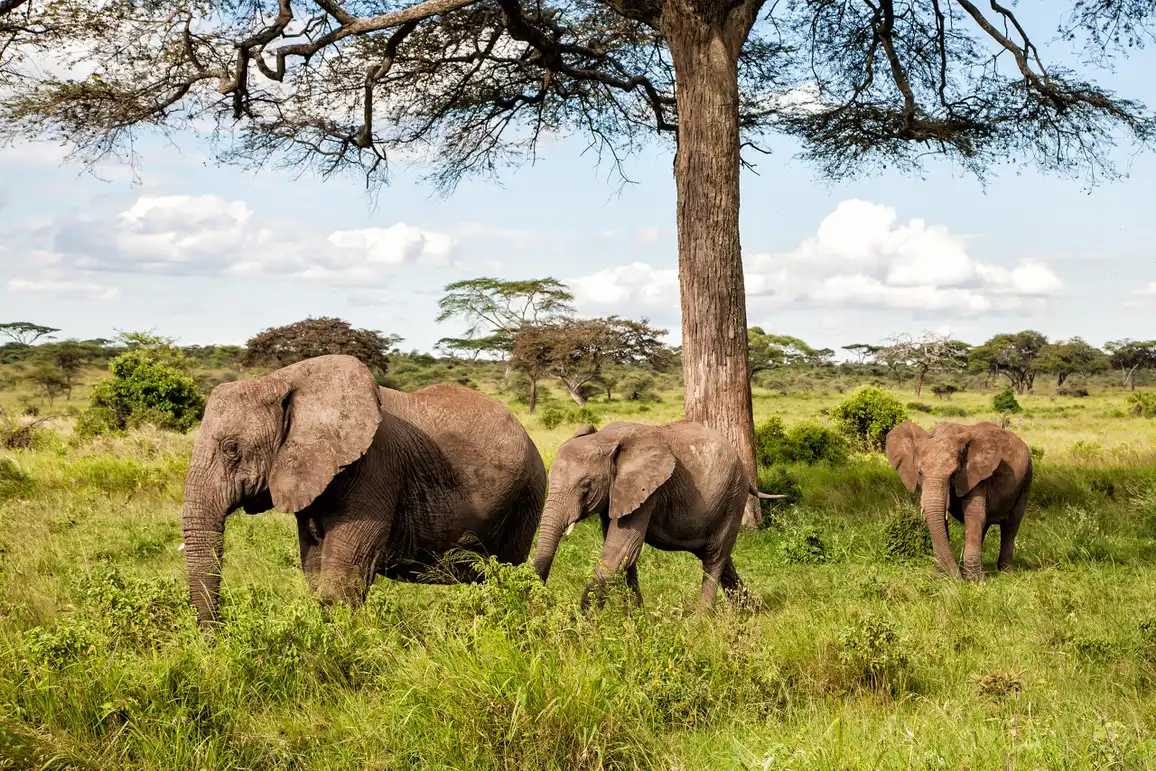
 How to Be a Responsible Safari Photographer
The ethics behind the lens on safari — distance, no baiting or calling, off-road rules, not blocking animals, respecting other guests and honesty in captions.
 Wildlife
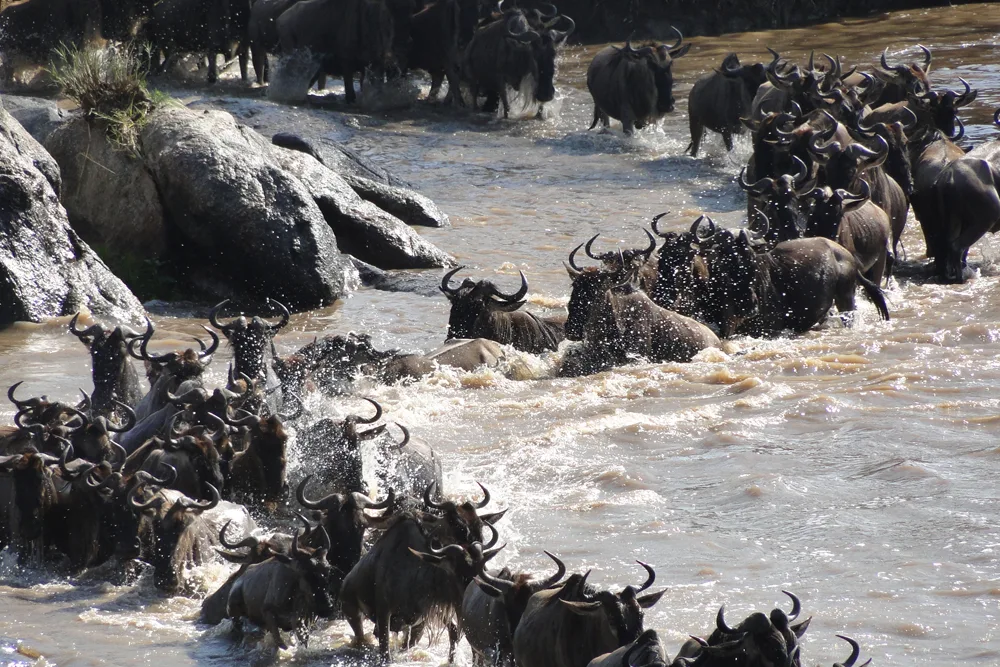
 Cheetah vs Leopard: How to Tell Them Apart
A guide's field-ID guide to separating cheetah, leopard and serval at a glance — body shape, spot patterns, tear-marks, tail and behaviour, plus where to look for each on a game drive.
 Wildlife
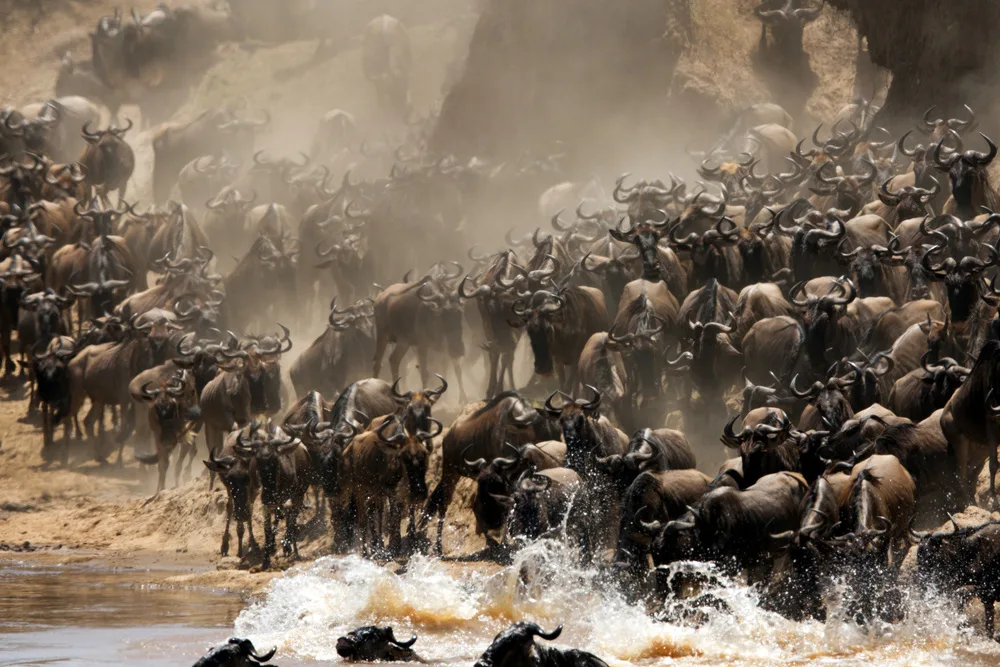
 Understanding Lion Pride Dynamics
How a lion pride really works — related lionesses at the core, coalitions of males, cub survival, territory, takeovers and cooperative hunting, plus where and when to watch it unfold.