
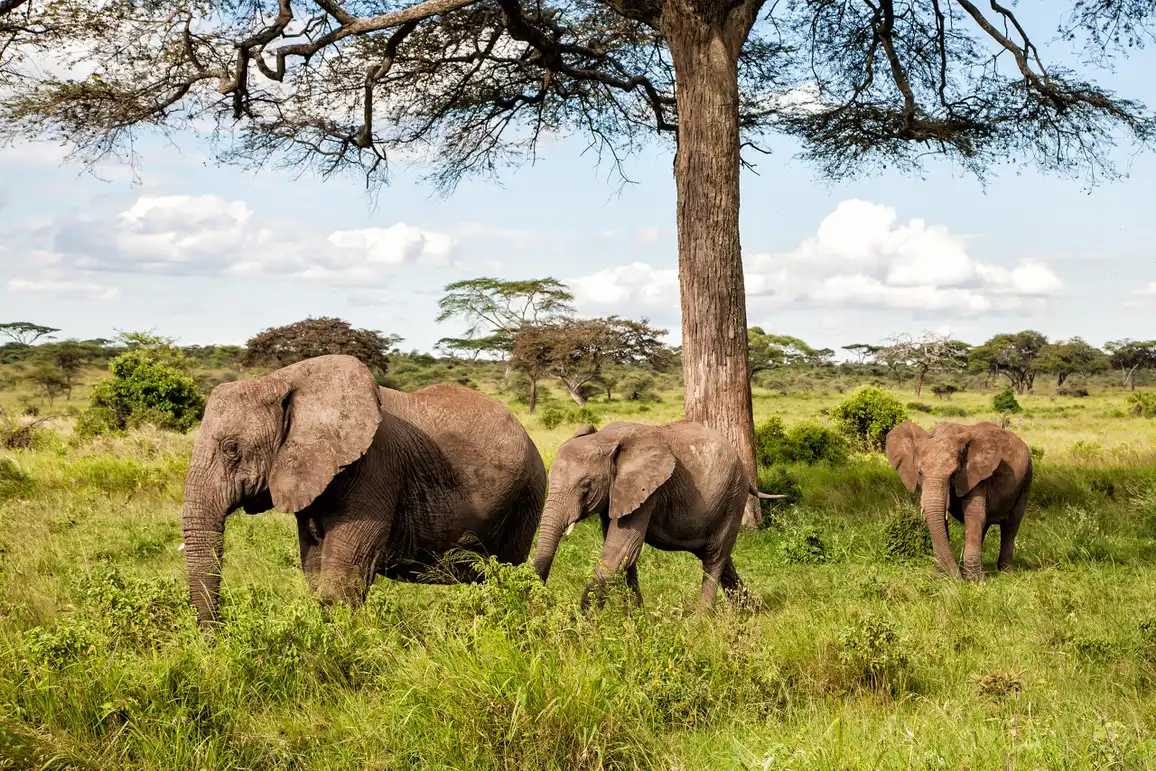
How to Be a Responsible Safari Photographer
The ethics behind the lens on safari — distance, no baiting or calling, off-road rules, not blocking animals, respecting other guests and honesty in captions.
A great wildlife photograph is a record of a wild moment you were privileged to witness, not evidence that you made an animal perform. The difference between those two things is the whole of ethical safari photography. As cameras and phones get more capable, the temptation to push closer, linger longer and stage the perfect shot grows — and so does the potential to do harm. Responsible photography is not about limiting your creativity; it is about earning your images. The best guides and photographers share a quiet code: the animal's welfare and the sighting itself come before any single frame. Follow that code and you will not only cause no harm, you will often get better, more natural pictures, because relaxed animals behaving normally are far more compelling than stressed ones staring down a lens. This guide covers the practical ethics of the craft — how close is too close, why baiting and calling are off-limits, the rules of going off-road, and how to behave in a crowded sighting. It also touches on honesty after the shutter clicks, because how you label and share an image matters as much as how you took it.
Key things to know
- The sighting and the animal's welfare always outrank getting the shot
- Keep a respectful distance and let a long lens do the work of getting close
- Never bait, feed, call or play sounds to attract or provoke animals
- Follow your guide and park rules on going off-road; sensitive habitats stay off-limits
- Do not block an animal's path, especially to water or between a mother and young
- Read stress signals and back off — ears, alarm calls, changed behaviour
- Share the sighting: don't hog position or block other guests' views
- Be honest in captions — disclose baited, captive or heavily edited images
Distance and the myth of the close-up
The single most common ethical mistake is getting too close. A vehicle or person that crowds an animal changes its behaviour, interrupts hunting or feeding, and can push it away from cubs, a kill or water. Predators may abandon a hunt they needed; skittish species may flee habitat they rely on. The animal pays a real cost so you can fill the frame, and that trade is never worth it.
The good news is that modern gear makes distance a non-issue for image quality. A long telephoto — 400mm and up, or a superzoom bridge camera or phone with strong reach — lets you fill the frame from a respectful position. Learn to let the lens close the gap instead of the vehicle. Not only is it ethical, it usually yields more natural behaviour and better light angles, because you are not the reason the animal just lifted its head and tensed.
- Use the longest lens you can rather than closing physical distance
- Let animals approach you; switch off the engine and wait quietly
- Never position between a predator and its prey or a mother and young
- Give extra room at kills, dens and water where animals are vulnerable
- If an animal reacts to you, you are too close — ease back
No baiting, calling or provoking
Manipulating an animal to create a photo crosses a bright line. Baiting predators with food, playing distress or mating calls, whistling, banging the vehicle or throwing objects to make an animal look up are all forms of harassment, even when they seem harmless. They alter natural behaviour, can habituate animals to humans or vehicles in dangerous ways, and in the case of predators can teach associations that ultimately get animals killed.
The principle is simple: photograph what the animal chooses to do, not what you can make it do. A yawn, a stretch, a head-turn caught patiently is worth infinitely more than one provoked. Reputable guides will refuse these tricks, and you should refuse them too, however tempting the shot. If another vehicle is baiting or harassing, note it and report it to your operator or park authorities rather than joining in.
- No feeding or baiting of any species, ever
- No playback of calls, whistling or engine-revving to get attention
- No throwing objects or sudden movements to make animals react
- No breaking cover to flush birds or mammals for flight shots
- Report harassment by others to your guide or park staff
Off-road, habitats and the rules that protect them
Sticking to established tracks is one of the least glamorous but most important habits. Off-road driving compacts soil, crushes vegetation and ground-nesting birds, scars fragile habitats and, repeated across many vehicles, degrades the very landscape you came to enjoy. Many parks forbid off-road entirely; some private reserves permit limited, guided off-road for specific sightings. The rule is always your guide's call within the local regulations, never the guest's demand.
Respect the reasons behind restrictions even when they cost you a shot. A wetland edge, a dune, a nesting colony or a rehabilitating area is protected for good reason, and a photograph is never worth degrading it. The same goes for night drives, spotlight use and drone flying, which are tightly regulated or banned in most parks because of the stress they cause. Ask what is allowed, and treat every rule as part of the deal you accepted by coming.
- Stay on established roads and tracks unless your guide authorises otherwise
- Never pressure a guide to break park rules for a photo
- Avoid driving over vegetation, nests or sensitive ground
- Follow local rules on spotlights, night drives and drones
- Keep noise and movement low near sensitive breeding sites
Sharing the sighting and respecting other guests
A sighting belongs to everyone present, not to the person with the biggest lens. Crowding the best position, standing up and blocking others, talking loudly or demanding the vehicle move for your angle spoils the experience for fellow guests and can pressure the guide into unethical choices. Good sighting etiquette is part of good photography.
Work with your guide and the other vehicles. Take your frames, then let others have the position; a courteous guide will rotate so everyone gets a view. Keep voices down, movements slow and phones on silent. The best safari photographers are often the calmest people in the vehicle, precisely because calm gets both the shot and the respect of everyone around them.
Honesty after the shutter
Ethics do not end when you press the button. How you present an image shapes what other people believe about wildlife and what they will try to replicate. A photograph taken at a baited hide, in a captive facility, or heavily manipulated in editing should be labelled as such, so viewers are not misled and other photographers are not tempted to chase an impossible or unethical shot.
Honest captioning also protects animals indirectly. Tagging exact locations of rare or threatened species can expose them to poachers or crowds, so consider being vague about sensitive sites. Credit your guide and the local community, resist the urge to exaggerate the encounter, and let the real story of patience and respect be part of the image. An honest photograph is a stronger one.
- Disclose baited, captive, staged or heavily edited images
- Avoid geotagging exact locations of rare or vulnerable species
- Do not present cropped or composited images as single wild moments
- Credit guides, trackers and communities where relevant
- Share ethics, not just images, to influence other travellers
References & further reading
- Sinclair, A. R. E., et al. (Eds.) (2015). Serengeti IV. Chicago: University of Chicago Press.
- Estes, R. D. (2012). The Behavior Guide to African Mammals. Berkeley: University of California Press.
- Kingdon, J. (2015). The Kingdon Field Guide to African Mammals (2nd ed.). London: Bloomsbury.
- IUCN (2024). The IUCN Red List of Threatened Species, Version 2024-1. www.iucnredlist.org.
Do it with SafariLingo
Take SafariLingo on safari: 300+ species, real animal calls, offline maps and sighting logs — all in your language, wherever you roam.
Get the appFrequently asked questions
How close is too close to an animal?
Close enough that it changes its behaviour is too close. If an animal stops feeding, stares, flattens its ears, gives alarm calls or moves away, you have crossed the line — back off and let a long lens do the work instead.
Is it ever okay to make a noise to get an animal to look at the camera?
No. Whistling, calling or revving to get a head-turn is a form of harassment that alters natural behaviour. Patience is the ethical alternative; wait for the animal to look up on its own, which also yields a more genuine image.
Why is off-road driving such a big deal?
It compacts soil, crushes plants and ground nests and scars fragile habitats, and the damage multiplies across many vehicles. Many parks ban it outright; where it is allowed, it is your guide's decision within the rules, not a guest's right to demand.
Do I need expensive gear to photograph ethically?
No. Ethics is about behaviour, not budget. A modest superzoom or even a phone with good reach lets you keep a respectful distance. The most important equipment is patience and a willingness to put the animal first.
Should I share the location of a great sighting online?
Be cautious, especially for rare or threatened species. Precise geotags can draw crowds or poachers to vulnerable animals. Share the image and the experience, but keep sensitive locations vague and follow any guidance from your guide or reserve.
Related guides
 Wildlife
 Cheetah vs Leopard: How to Tell Them Apart
A guide's field-ID guide to separating cheetah, leopard and serval at a glance — body shape, spot patterns, tear-marks, tail and behaviour, plus where to look for each on a game drive.
 Wildlife
 Understanding Lion Pride Dynamics
How a lion pride really works — related lionesses at the core, coalitions of males, cub survival, territory, takeovers and cooperative hunting, plus where and when to watch it unfold.
 Wildlife
 How Elephants Communicate
A safari guide to the elephant's rich language of infrasound rumbles, body posture and trunk gestures — and how to read an elephant's mood and keep a safe distance.