
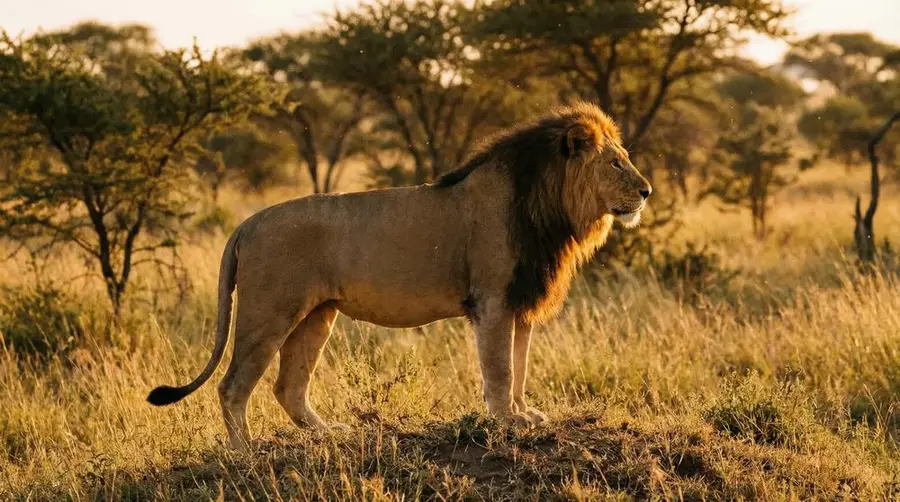
Africa's Antelopes: A Field Guide
A beginner's field guide to Africa's antelopes: how to identify common species from the tiny dik-dik to the mighty eland, and why they matter.
Antelopes are the backbone of the savanna and the prey base that sustains Africa's great predators, yet they are often overlooked in the rush to find big cats. From the dainty dik-dik to the ox-sized eland, they come in a dazzling range of sizes, shapes and horn styles. Learning to identify a handful of common species by size, markings and habitat makes every game drive richer and helps you read the landscape.
The species
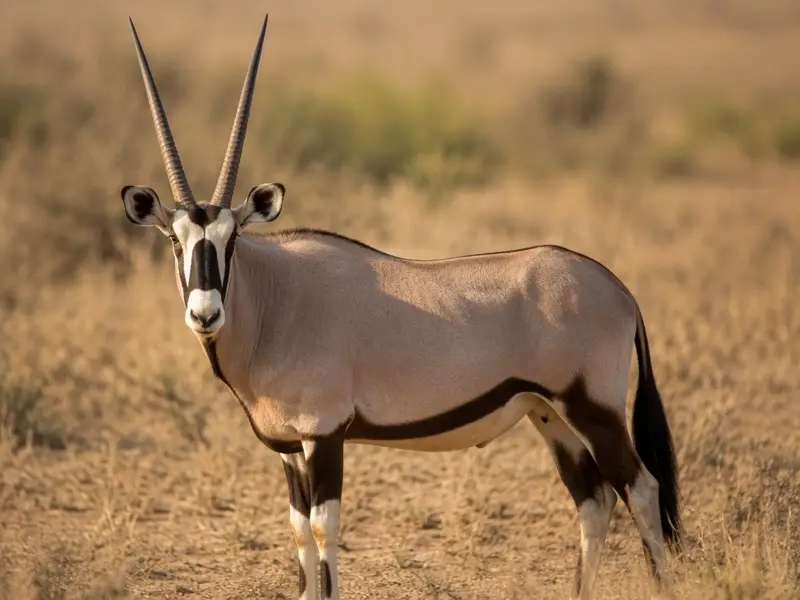 EN
EN Beisa Oryx
Oryx beisa
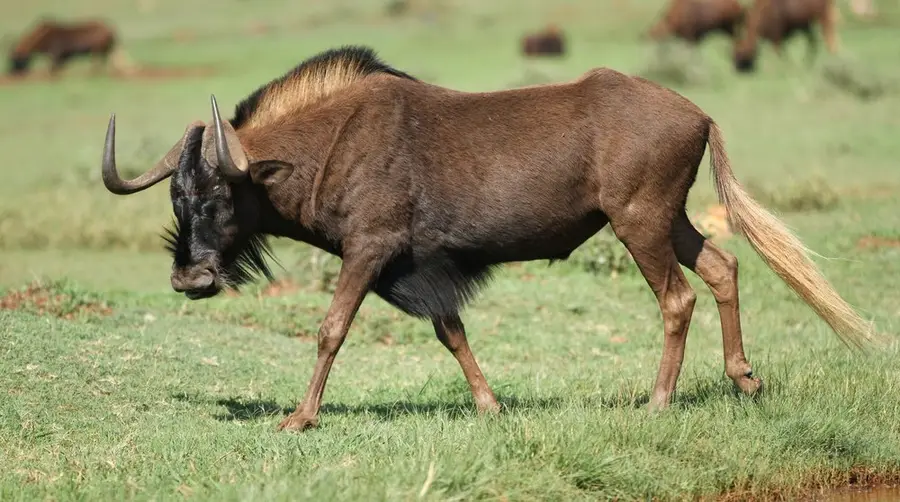 LC
LC Black Wildebeest
Connochaetes gnou
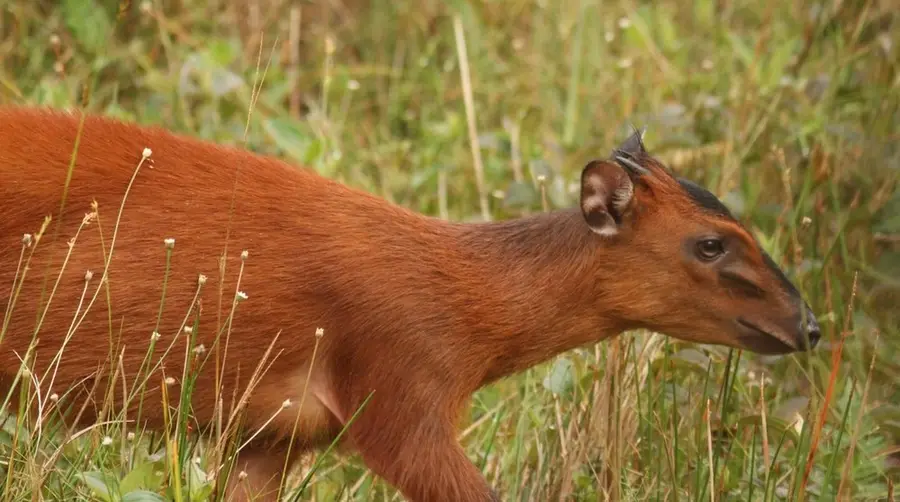 LC
LC Black-fronted Duiker
Cephalophus nigrifrons
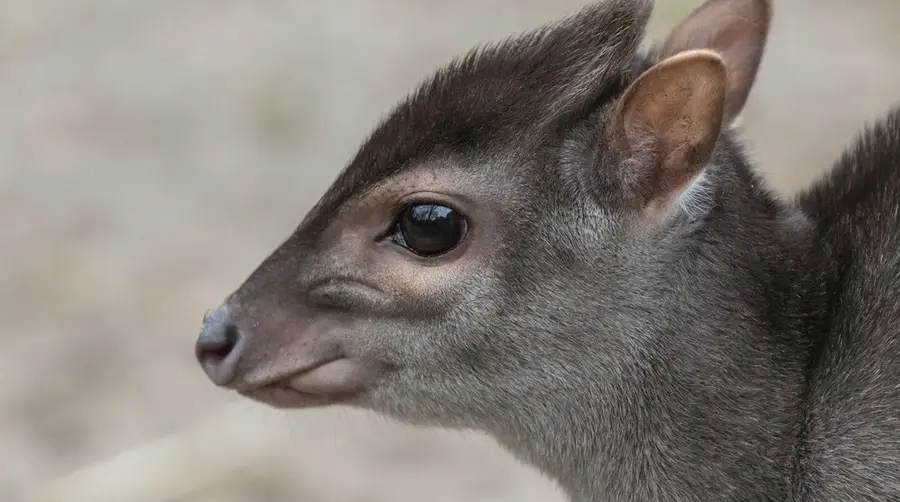 LC
LC Blue Duiker
Philantomba monticola
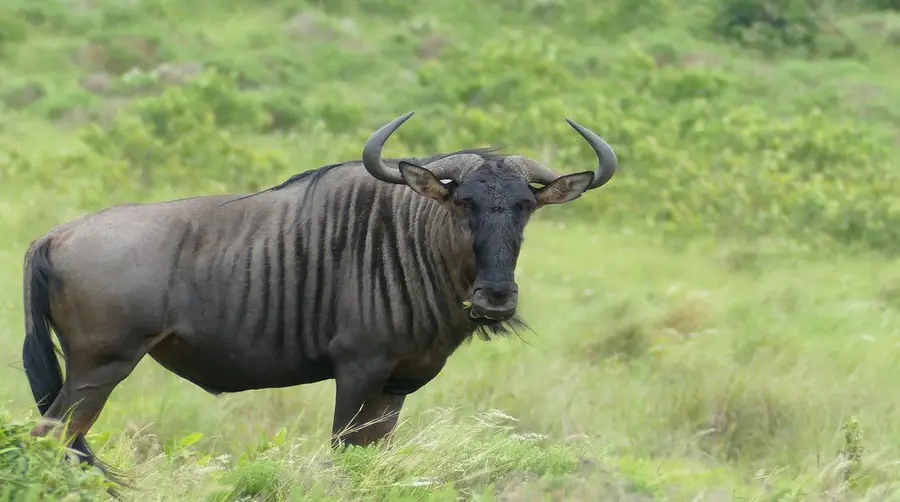 LC
LC Blue Wildebeest
Connochaetes taurinus
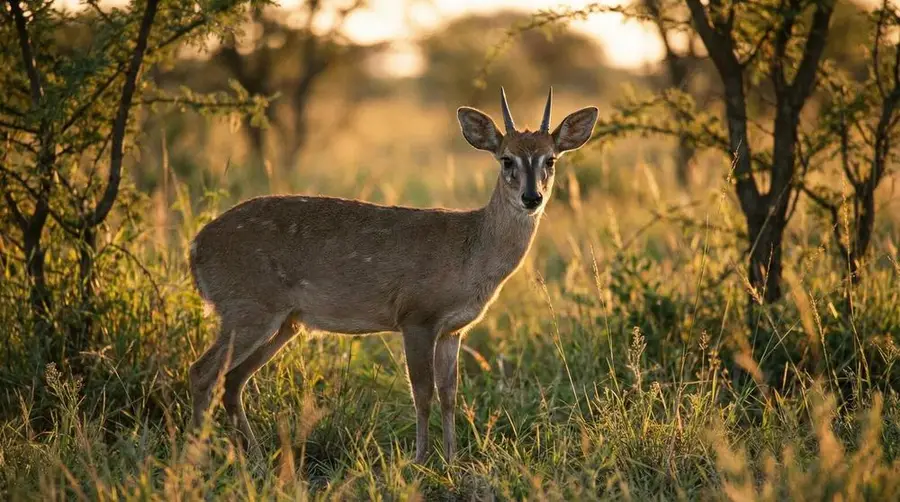 LC
LC Bush Duiker
Sylvicapra grimmia
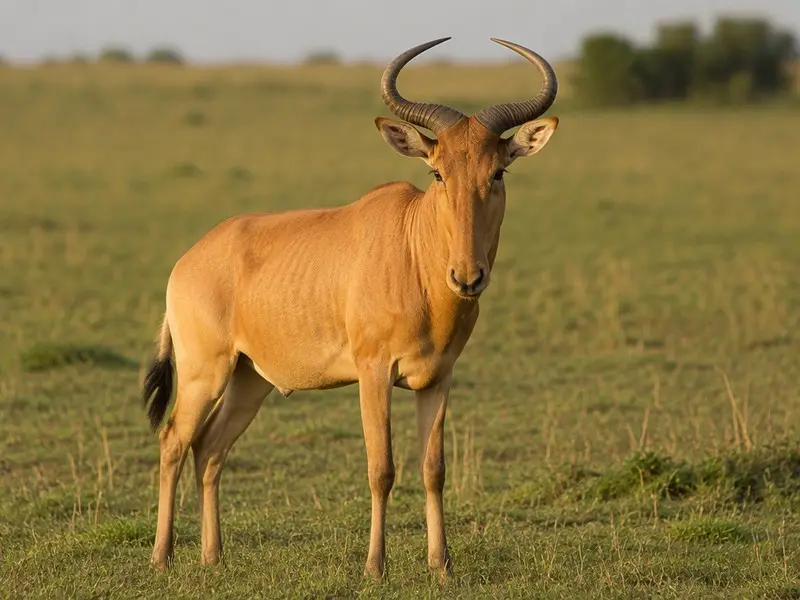 LC
LC Coke's Hartebeest
Alcelaphus buselaphus cokii
 LC
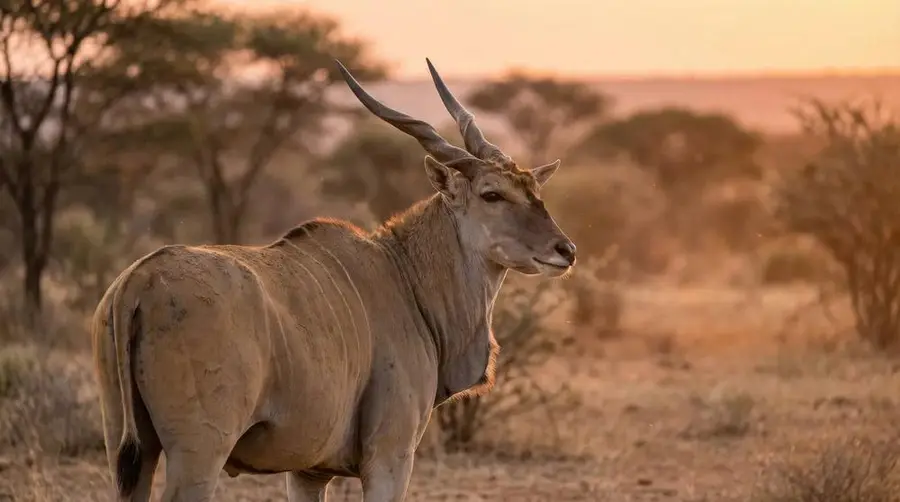
LC Common Eland
Tragelaphus oryx
 EN
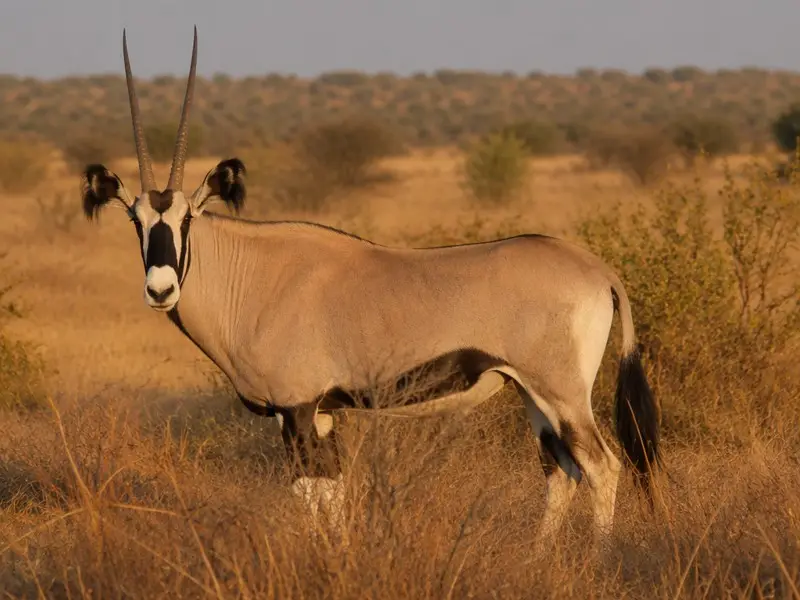
EN Fringe-eared Oryx
Oryx callotis
 LC
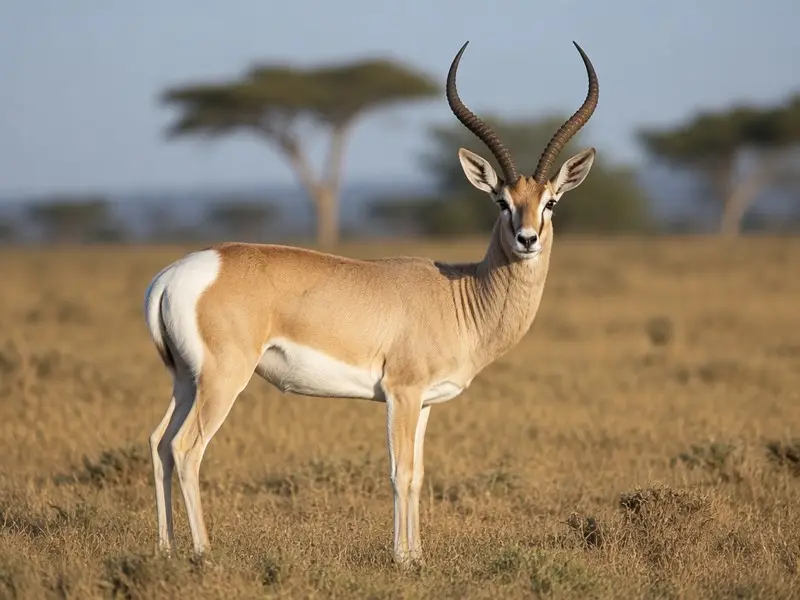
LC Grant's Gazelle
Nanger granti
 LC
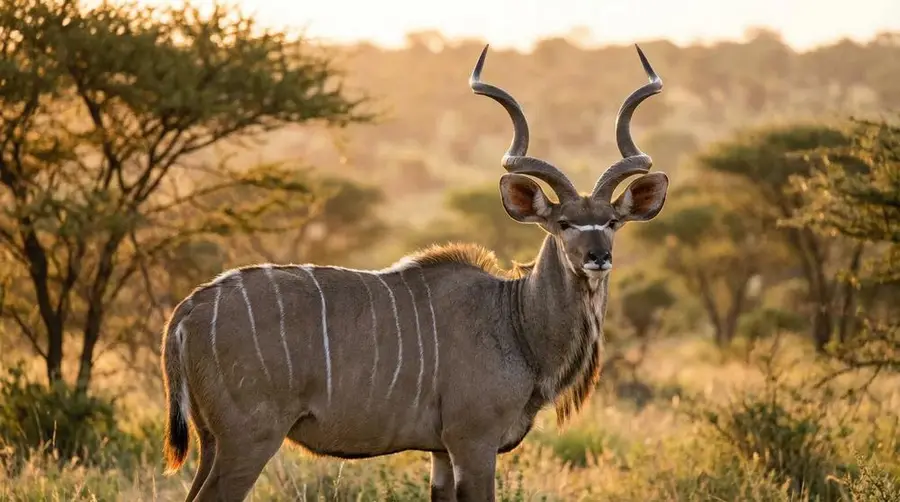
LC Greater Kudu
Tragelaphus strepsiceros
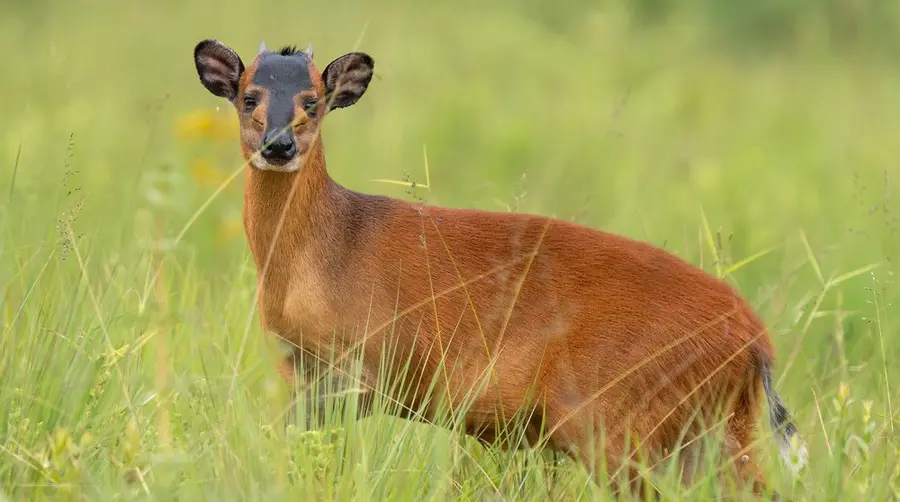 LC
LC Harvey's Red Duiker
Cephalophus harveyi
Where to see them
Look for these species in the national parks and reserves that protect their preferred habitats across Africa, and remember that each has its own favoured landscape and rhythm. The dry season generally makes them easier to find, as wildlife concentrates around water and cover thins out. A knowledgeable local guide who knows recent movements will dramatically improve your sightings.
The unsung foundation of the savanna
Antelopes are so ubiquitous that many visitors barely register them, yet they are the beating heart of Africa's grasslands and woodlands. From the towering eland to the tiny dik-dik, they fill every niche, and it is their grazing and browsing that shapes the landscape and feeds the predators everyone comes to see.
Learning to tell them apart is one of the quiet pleasures of a safari. Once impala, gazelle, kudu, waterbuck and their many relatives stop being 'just antelope', the bush becomes far richer, and you start to read the subtle differences in how each uses the land.
How to tell them apart
Focus on a few reliable features and identification quickly clicks: overall size and build, the shape and length of the horns (and whether females carry them), and distinctive markings such as rump patches, face masks, stripes or the tell-tale bull's-eye on a waterbuck. Habitat is a strong clue too — some antelope stick to open plains, others to thick bush, water margins or rocky slopes.
Behaviour helps as well. Note whether they graze grass or browse leaves, form big herds or small family parties, and how they flee when alarmed. A field guide or the SafariLingo app lets you compare look-alikes side by side until the identification is certain.
- Judge size, build and horn shape first
- Look for rump patches, face masks, stripes and other markings
- Use habitat — plains, bush, water or rock — as a strong clue
- Note grazing versus browsing and herd size
References & further reading
- Sinclair, A. R. E., et al. (Eds.) (2015). Serengeti IV. Chicago: University of Chicago Press.
- Estes, R. D. (2012). The Behavior Guide to African Mammals. Berkeley: University of California Press.
- Kingdon, J. (2015). The Kingdon Field Guide to African Mammals (2nd ed.). London: Bloomsbury.
- IUCN (2024). The IUCN Red List of Threatened Species, Version 2024-1. www.iucnredlist.org.
Do it with SafariLingo
Take SafariLingo on safari: 500+ species, real animal calls, offline maps and sighting logs — all in your language, wherever you roam.
Get the appFrequently asked questions
How can I identify these animals on safari?
Use a good field guide or the SafariLingo app to compare size, markings, habitat and behaviour side by side. Note the key field marks and the company an animal keeps, as both narrow the identification quickly. Your guide can confirm tricky sightings and point out subtle differences between look-alikes.
When is the best time to see them?
For most species the dry season is easiest, when animals gather around shrinking water and the thinner vegetation improves visibility. The green season can be harder for spotting but rewards you with young animals and rich birdlife. Early mornings and late afternoons are the most productive hours whatever the season.
Do I need a guide to find them?
You can spot many of these species on your own, but an experienced guide transforms the experience. Guides read tracks and alarm calls, know where animals have been seen recently and understand their daily rhythms. Their local knowledge turns hopeful searching into reliable sightings.
Related guides
 Wildlife
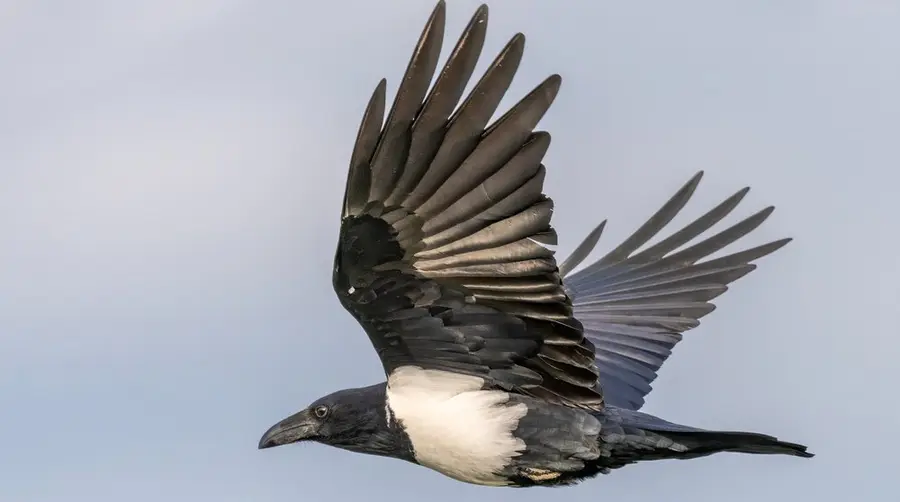
 How to Spot the Pied Crow on an African Safari
A field guide to finding the Pied Crow (Corvus albus) on safari: the habitats it favours, the hours it is most active, the field marks that give it away, and the tracking craft experienced guides use to locate it.
 Wildlife
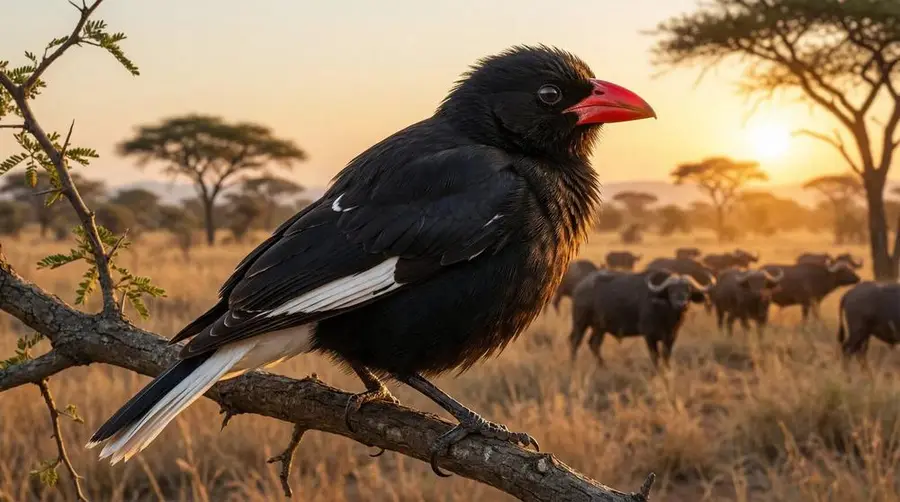
 How to Spot the Red-billed Buffalo Weaver on an African Safari
A field guide to finding the Red-billed Buffalo Weaver (Bubalornis niger) on safari: the habitats it favours, the hours it is most active, the field marks that give it away, and the tracking craft experienced guides use to locate it.
 Wildlife
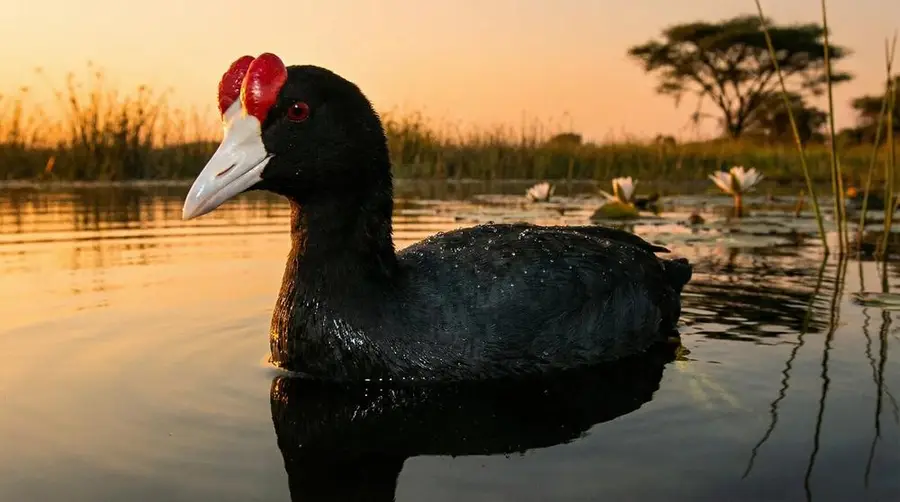
 How to Spot the Red-knobbed Coot on an African Safari
A field guide to finding the Red-knobbed Coot (Fulica cristata) on safari: the habitats it favours, the hours it is most active, the field marks that give it away, and the tracking craft experienced guides use to locate it.