
Hadada Ibis
Bostrychia hagedash
Hadada Ibis, insect and worm eater in diverse African habitats including cities.
Quick facts
Hadada Ibis (Bostrychia hagedash) is a Birds you may encounter across Mainly distributed in eastern and southern Africa, including Kenya, Tanzania, South Africa, and neighboring regions; commonly seen in Kenya’s Maasai Mara National Reserve.. It prefers Varied environments including open woodland savanna, wetlands, farmland, valleys, and urban parks., feeds mainly on Omnivorous, feeding mainly on insects, earthworms, and small invertebrates, also consuming plant seeds and fruits., and is most active Diurnal, primarily active during the day, especially at dawn and dusk.. On the IUCN Red List it is listed as Least Concern.
| Scientific name | Bostrychia hagedash |
|---|---|
| Swahili name | Mabawa mekundu |
| Conservation status | Least Concern |
| Sighting difficulty | Hard |
| Best season | Green season (Nov–Apr) |
| Class | Aves |
| Order | Pelecaniformes |
| Family | Threskiornithidae |
| Size | Male: approximately 1.2-1.3 kg; Female: approximately 1.1-1.2 kg |
How to identify
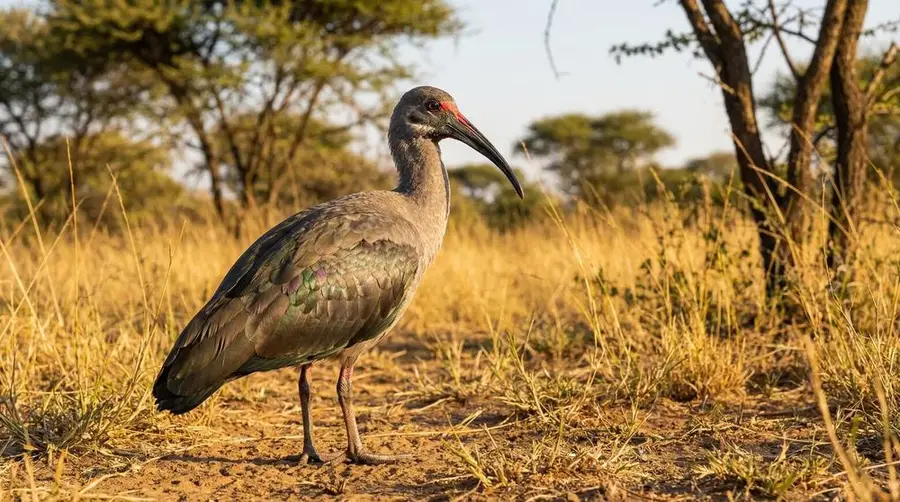
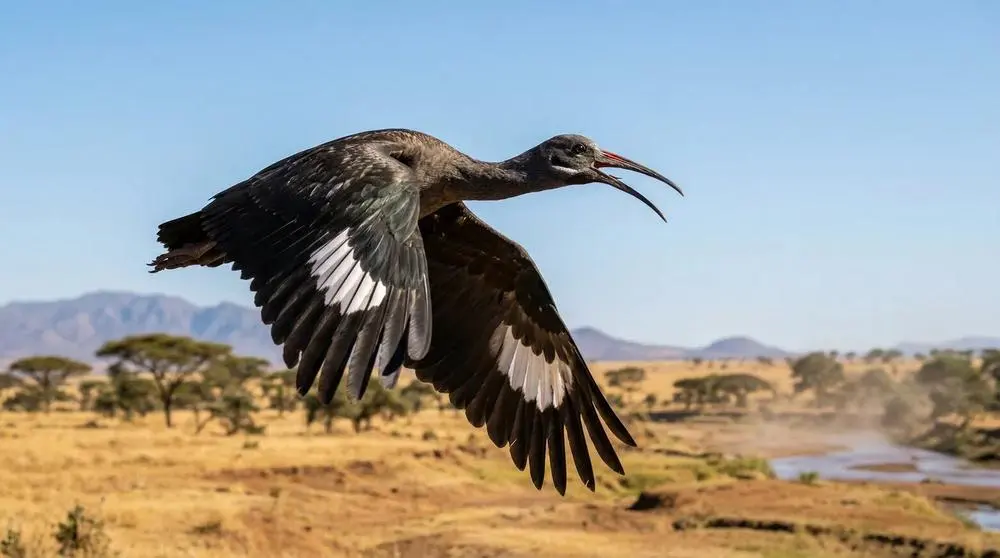
Large body, length about 65-76 cm; overall dark olive-brown feathers with metallic green and purple sheen; long, downward-curved black bill; red legs; loud unique call often heard during flight sounding like "ha-da-da"
Habitat
Varied environments including open woodland savanna, wetlands, farmland, valleys, and urban parks.
Diet
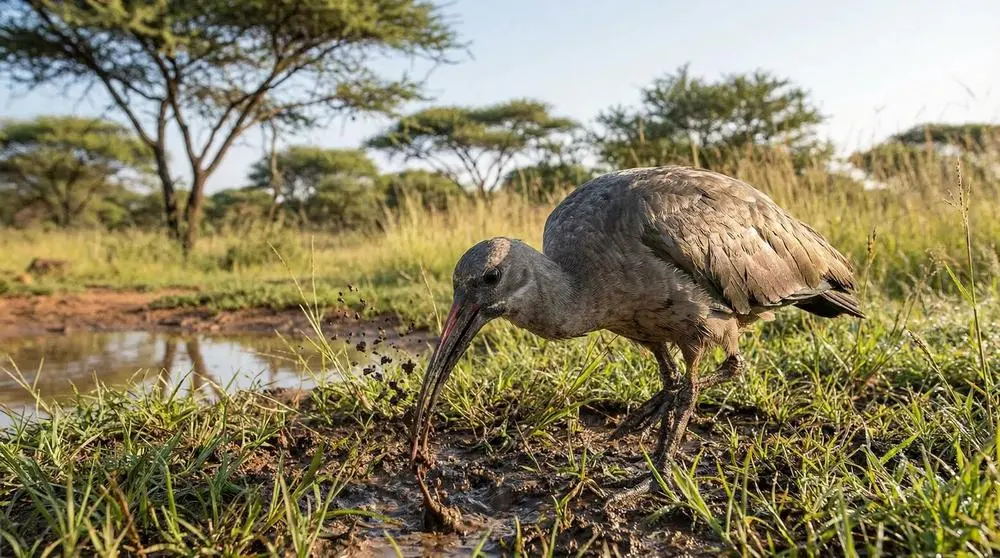
Omnivorous, feeding mainly on insects, earthworms, and small invertebrates, also consuming plant seeds and fruits.
When it is active
Diurnal, primarily active during the day, especially at dawn and dusk.
Where it lives
Mainly distributed in eastern and southern Africa, including Kenya, Tanzania, South Africa, and neighboring regions; commonly seen in Kenya’s Maasai Mara National Reserve.
How to spot it
Observe at dawn or dusk in open wetlands or savanna edges; listen for its distinctive call to locate it.
Photography tips
Use a telephoto lens to capture flight or feeding postures; soft morning light enhances plumage gloss.
Threats
Habitat destruction and water pollution, but overall population is stable.
Similar species
Similar to the African Ibis (Bostrychia carunculata), but the Hadeda Ibis is larger, with more vivid bare skin on the head and a louder call.
Field guide notes
How to Spot the Hadada Ibis on an African Safari
The Hadada Ibis is one of the most sought-after species to track on an African safari, and knowing its habits turns a hopeful search into a confident one. This field guide breaks down how to recognise the Hadada Ibis at a glance, the habitats and times of day that reward patient searching, and the practical tracking craft guides rely on. Read it before you set out and you will spend less time scanning empty bush and more time watching the animal itself.
Large body, length about 65-76 cm; overall dark olive-brown feathers with metallic green and purple sheen; long, downward-curved black bill; red legs; loud unique call often heard during flight sounding like "ha-da-da"
Concentrate your search for the Hadada Ibis in Varied environments including open woodland savanna, wetlands, farmland, valleys, and urban parks., the habitat where it feels most secure and finds its food. It is most active Diurnal, primarily active during the day, especially at dawn and dusk., so plan your game drives around those hours rather than the heat of midday. Across the continent the species ranges through Mainly distributed in eastern and southern Africa, including Kenya, Tanzania, South Africa, and neighboring regions; commonly seen in Kenya’s Maasai Mara National Reserve., and within that range the richest sightings come where prime habitat meets low human disturbance.
Finding the Hadada Ibis starts long before you see it. Learn the habitat it depends on — Varied environments including open woodland savanna, wetlands, farmland, valleys, and urban parks. — and you narrow the search from an entire landscape to a handful of promising corners. Animals are not scattered at random; they sit where food, water, cover and safety overlap, and the Hadada Ibis is no exception.
FAQ
Where is the best place to see a Hadada Ibis?
The Hadada Ibis ranges across Mainly distributed in eastern and southern Africa, including Kenya, Tanzania, South Africa, and neighboring regions; commonly seen in Kenya’s Maasai Mara National Reserve., but distribution alone is only half the story. Your best odds come inside well-managed protected areas within that range where its preferred habitat — Varied environments including open woodland savanna, wetlands, farmland, valleys, and urban parks. — is extensive and healthy. Reserves with low vehicle traffic and experienced guiding teams consistently deliver the closest, calmest sightings.
Is the Hadada Ibis easy to see on safari?
That depends on how secretive the species is and how well you time your search. Because the Hadada Ibis is most active Diurnal, primarily active during the day, especially at dawn and dusk., aligning your game drives with those hours dramatically improves your chances. Travelling with a guide who knows the local individuals and their movements matters more than luck.
What should I take to help me find the Hadada Ibis?
A decent pair of binoculars is the single most useful tool, ideally 8x42 or 10x42 for a bright, steady image. A field guide or the SafariLingo app helps you confirm the identification and rule out look-alike species. Neutral clothing, patience and a willingness to sit quietly do the rest.
You might also like
 VU
VU Abyssinian Ground Hornbill
Bucorvus abyssinicus
 LC
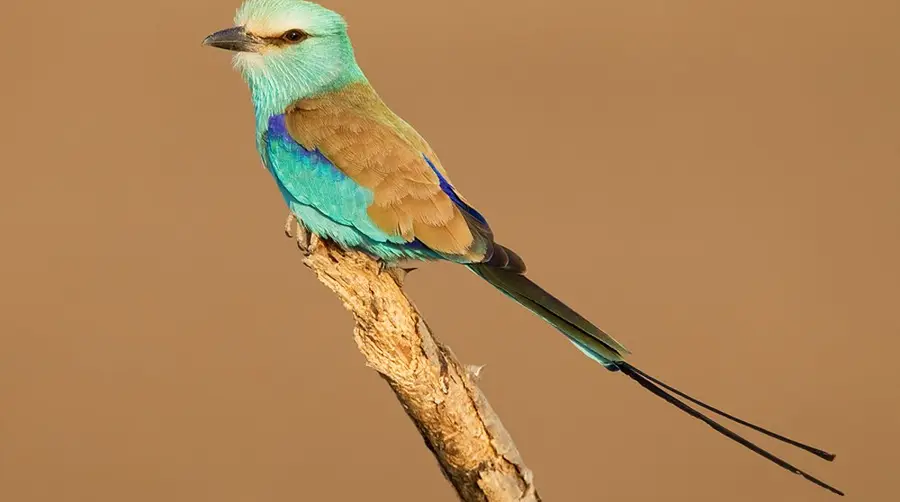
LC Abyssinian Roller
Coracias abyssinicus
 LC
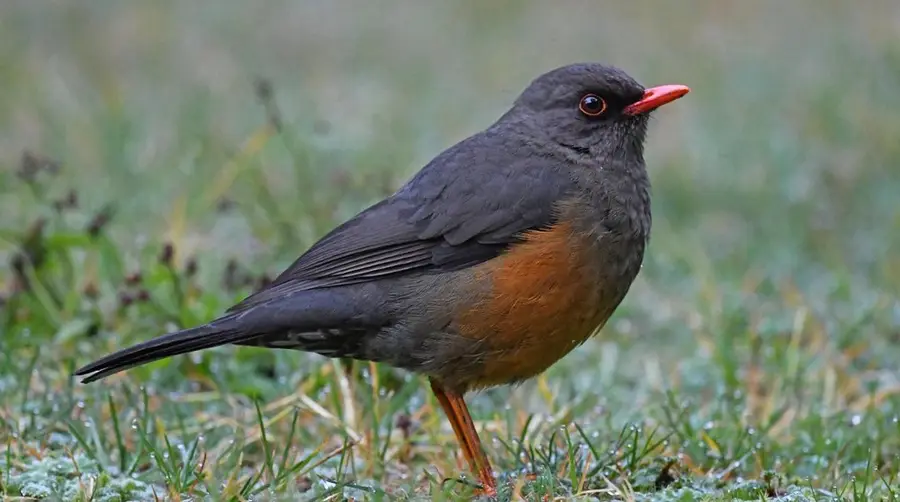
LC Abyssinian Thrush
Turdus abyssinicus
 LC
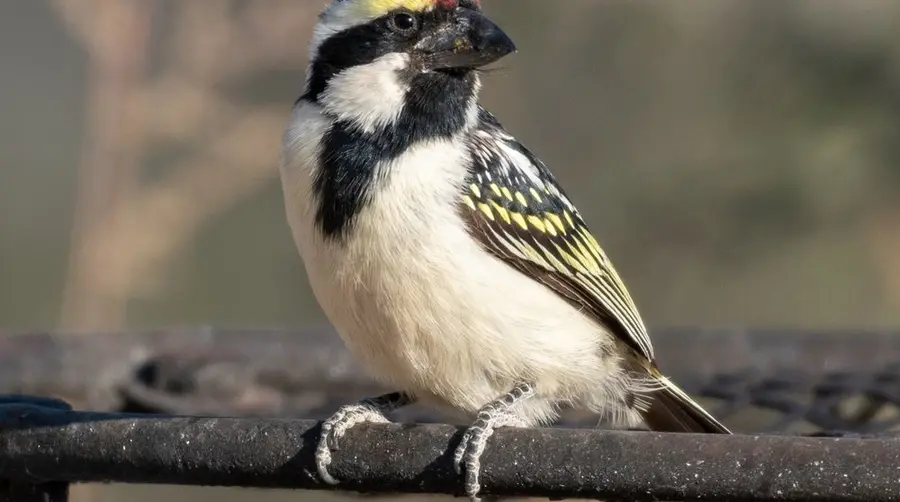
LC Acacia Pied Barbet
Tricholaema leucomelas
 LC
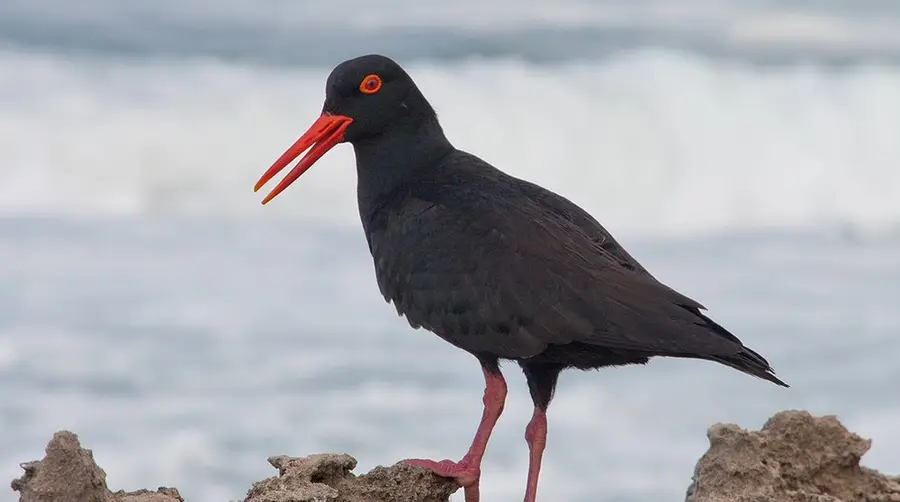
LC African Black Oystercatcher
Haematopus moquini
 LC
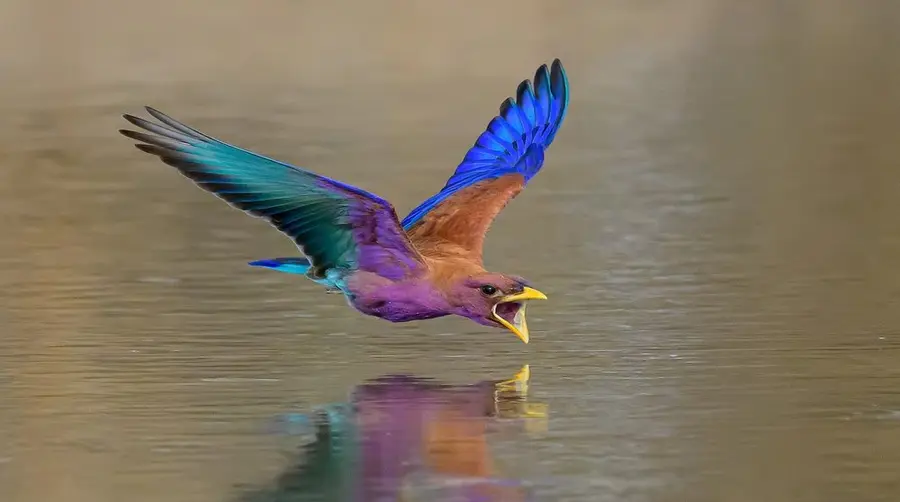
LC African Broad-billed Roller
Eurystomus glaucurus
 LC
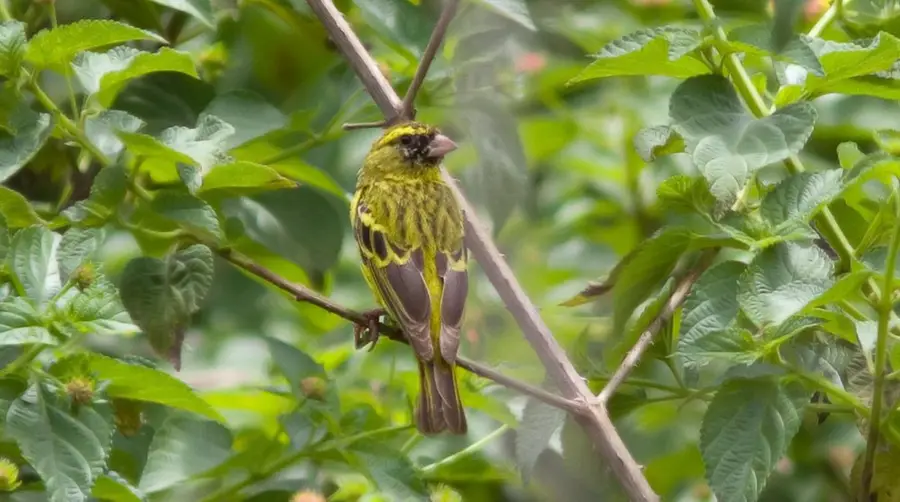
LC African Citril
Crithagra citrinelloides
 LC
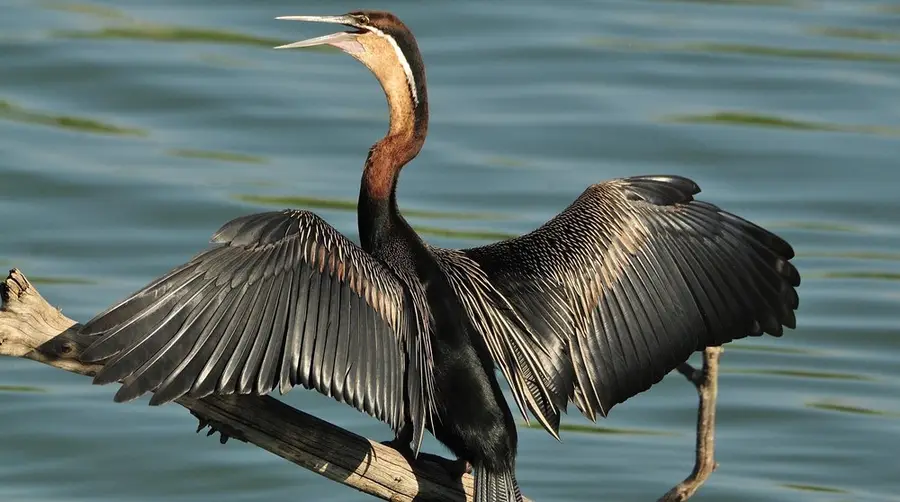
LC African Darter
Anhinga rufa