
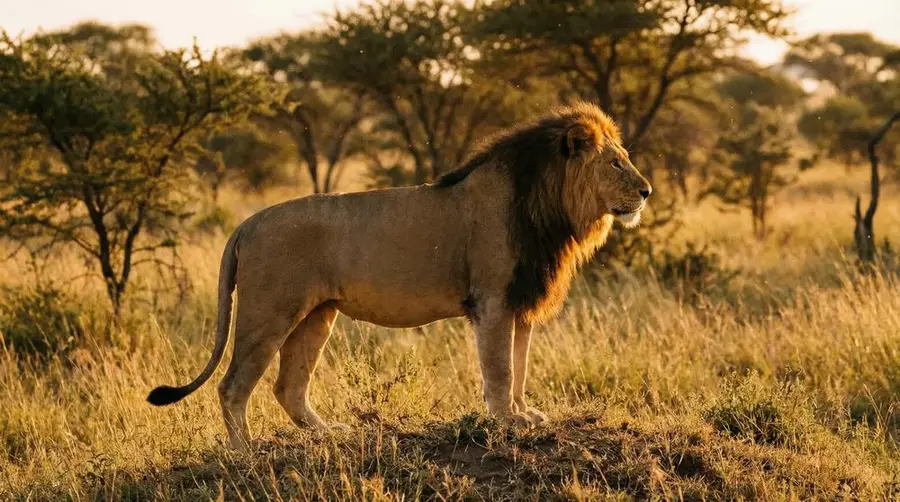
What to Expect on a Typical Safari Day
An hour-by-hour guide to a classic safari day, explaining why the schedule follows wildlife activity and how to prepare for early drives, midday downtime and fireside evenings.
If you have never been on safari, the daily rhythm can feel surprising: a pre-dawn start, intense wildlife time in the cool hours, a long quiet pause through the heat, and then another burst of action as the light turns golden. This is not a resort timetable. It is a pattern built around animal behaviour, temperature, and the practicalities of moving people safely through wild places. A good camp makes it feel effortless, but you will enjoy it far more if you know what is coming: when you will be cold, when you will be dusty and hungry, when your camera batteries should be charging, and why the guide sometimes says no to a tempting detour. The goal is not to fill every minute, but to be in the right place at the right time. Below is the template most guided safaris in East and Southern Africa follow. Your exact times may shift with the season, the park rules and the style of camp (from mobile tented camps in the Serengeti to lodges in Kruger or the Okavango Delta), but the logic stays the same.
Key things to know
- Expect early starts, often before dawn, because cool hours are when wildlife moves.
- Morning game drives are usually the longest and most productive session of the day.
- Dress for wind chill in an open vehicle even in warm countries; layers matter.
- Midday downtime is intentional: animals hide in shade, and you need to recharge.
- Afternoon drives focus on changing light, waterholes and evening activity, often ending with sundowners.
- Night drives are only possible where park rules allow; many national parks prohibit them.
- Evenings are social and simple: showers, charging gear, dinner, and an early night.
- The best days come from pacing yourself and following the guide's plan rather than chasing every rumour.
Before dawn: wake-up, warmth and a quick plan
Most safari mornings begin in the dark. A knock on your door, a gentle call on the radio, or tea and coffee delivered to your tent is your cue to get moving while the air is still cold and the stars are out. You will usually have a light snack first because the main meal comes later, and then you climb into an open vehicle where wind chill can feel sharp even in the tropics.
This is also when small habits pay off: keeping your headlamp handy, laying out clothing the night before, and packing the few essentials you want with you rather than digging in a big duffel. Guides often give a short briefing about the plan, the weather, and any special rules for the day. If you want something specific (photography time, birding focus, a comfort stop sooner rather than later), this is the moment to mention it quietly.
- Warm mid-layer plus a windproof outer jacket
- Buff or scarf for dust and wind
- Reusable water bottle you can reach in the vehicle
- Camera ready for low light and fast action
- Small daypack for layers and personal items
Morning game drive: how sightings actually unfold
The morning drive is prime time because many animals are still active after the night: lions finishing a hunt, hyenas returning to dens, leopards moving between cover, and herbivores feeding before the heat builds. Guides do not just drive and hope. They read tracks, listen for alarm calls, watch where other species are looking, and think about yesterday's movement patterns. In open savanna this can mean scanning huge distances; in woodland it can mean slow, deliberate driving and long periods of listening.
Good drives are rarely a constant stream of big cats. They are a sequence of small clues that sometimes add up to something dramatic, and just as often add up to an excellent understanding of the ecosystem. If photography matters to you, ask the guide to position the vehicle for light and background rather than simply getting close. In shared vehicles, be patient and communicate politely; in private vehicles, you can linger longer and build a story rather than a quick snapshot.
- Predators and scavengers are often easiest in the first hour after sunrise
- Guides use tracks, wind, alarm calls and experience to decide where to search
- Expect dust, bumps and long scanning stretches between highlights
- Vehicle positioning for light can matter more than being a few metres closer
- Quiet voices and still movements help everyone see more
Brunch and the midday lull: rest is part of the method
By mid-morning you usually return to camp for a generous brunch or early lunch. This is when you properly eat, shower, and reset. The timing is not arbitrary: as the sun climbs, many animals stop moving and tuck into shade, and heat haze can make distant viewing and photography frustrating. Instead of fighting the conditions, safari schedules accept them.
Use this window well and you will feel human again by mid-afternoon. Back up photos while batteries charge, drink water even if you do not feel thirsty, and protect your skin because the most deceptive sun exposure often happens in the vehicle. Some camps offer a talk, a short guided walk around camp, or time in a hide; others simply invite you to read, nap, and watch birds from the deck. This pause is not wasted time, it is the fuel for the second half of the day.
- A shower and a reset of camera gear and batteries
- Photo backups and a quick edit while your memory is fresh
- A nap to survive the early start without feeling wrecked
- Birding around camp when big game is inactive
- Hydration and sun protection before you head out again
Afternoon drive, golden light and sundowners
As the heat softens you meet for tea and something sweet, then head out again. Afternoon drives often focus on places that make sense in that light and temperature: waterholes, river edges, open plains where visibility improves, and routes that put the sun behind you for viewing. Animals begin to feed and move again, and the mood changes from harsh midday glare to warmer tones and longer shadows.
Sundowners are the classic pause at sunset: a drink and a short stretch in a scenic spot while the sky changes colour. In some private conservancies and concessions the drive can continue after dark with a spotlight, looking for nocturnal species like genets, bushbabies, porcupines and, occasionally, a leopard on the move. In many national parks, however, you must be back at camp by a fixed closing time and night drives are not permitted, so expectations should match the rules of where you are.
- Expect better photography light and more animal movement in the last two hours
- Sundowners are a short, relaxed stop rather than a long party
- Night drives depend on park rules and are common in private areas
- Spotlights are used responsibly to avoid stressing animals
- Bring a warm layer again as temperatures drop quickly after sunset
Back after dark: dinner, camp routine and safety
Back in camp, the rhythm turns domestic. You will often have time to shower, blow dust out of lenses, and meet for a pre-dinner drink while the guides debrief the day. Dinner is usually communal in smaller camps and can be one of the best parts of safari: you compare sightings, ask questions, and learn how the landscape fits together. In larger lodges you may have more privacy, but the feeling is still relaxed rather than formal.
In unfenced camps, staff may escort you to and from your tent after dark, not because something is lurking for tourists but because it is normal for elephants, buffalo or hyenas to walk through camp. Listen for instructions, keep your torch on, and keep your tent zipped so insects stay out. Falling asleep to lions calling or hippos grunting can be unforgettable, but it is also why early nights matter: the alarm comes quickly.
- A shower and dust management for eyes, lenses and clothing
- Charging phones, cameras and power banks where the camp provides power
- A relaxed dinner with time for questions and stories
- Torch use and escorts in camps where wildlife moves freely
- An early night to protect tomorrow's energy
Making the rhythm work for you
The best safari days come from honest pacing. If you are exhausted, it can be smarter to skip one drive, rest properly and enjoy the next session at full attention rather than sleepwalking through both. Tell your guide what matters most: birds, big cats, elephants, photography, learning tracks, or simply quiet time. Good guides adjust within the boundaries of safety, park rules and what the wildlife offers that day.
Remember that not all safaris follow the same template. In the Okavango Delta you may add mokoro or boat time; in some walking areas the day starts later to avoid cold, and in very hot lowland parks the midday break can be long. Families with children often do shorter drives, and photographers sometimes plan longer, slower sessions with fewer stops. Once you understand the logic of the schedule, you can choose a camp style that fits you and enjoy the rhythm instead of fighting it.
References & further reading
- Sinclair, A. R. E., et al. (Eds.) (2015). Serengeti IV. Chicago: University of Chicago Press.
- Estes, R. D. (2012). The Behavior Guide to African Mammals. Berkeley: University of California Press.
- Kingdon, J. (2015). The Kingdon Field Guide to African Mammals (2nd ed.). London: Bloomsbury.
- IUCN (2024). The IUCN Red List of Threatened Species, Version 2024-1. www.iucnredlist.org.
Do it with SafariLingo
Take SafariLingo on safari: 500+ species, real animal calls, offline maps and sighting logs — all in your language, wherever you roam.
Get the appFrequently asked questions
What time do you usually wake up on safari?
Often before dawn so you can be driving as first light arrives. Exact times vary by season and location, but an early start is the norm because that is when temperatures are cooler and wildlife is most active.
Can I skip a game drive if I'm tired?
Usually yes, especially in lodges where activities are not compulsory. Tell the camp in advance so they can plan logistics, and remember that skipping a drive can sometimes make the next one more enjoyable because you are alert and comfortable.
How long are game drives and what are they like?
Many drives last roughly three to four hours, sometimes longer in parks with big distances between habitats. They can be bumpy, dusty and windy, which is why layers, closed shoes and a scarf make a real difference.
What happens in the wet season or if it rains?
Camps still drive, but routes may change if tracks are muddy or rivers rise, and sightings can be more spread out because water is everywhere. A light rain jacket and dry bags for electronics help, and patience matters more than speed.
Are night drives included everywhere?
No. Night drives are common in private conservancies and concessions but are often prohibited in national parks with strict gate times. Ask where you are allowed to drive after dark before you book, so your expectations match the rules.
Related guides
 Planning & Tips
 Night Drives and Nocturnal Wildlife
A guide to safari night drives: what you can see after dark, how they work and which reserves allow them.
 Planning & Tips
 Safari Luggage Weight Limits Explained
A clear explanation of safari baggage limits for bush flights: why they exist, what typical allowances look like, what usually counts, and how to pack within the rules without stress.
 Planning & Tips
 Luxury vs Budget Safari: What You Get
Luxury versus budget safari — what your money actually buys, from guiding and exclusivity to comfort and location, and how to get the best value at any price.