
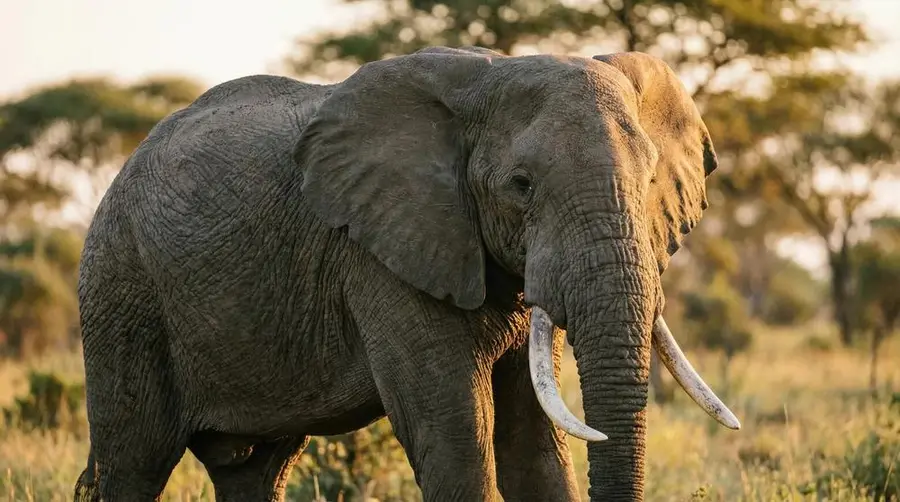
What Is a Game Drive?
A guide to the classic safari game drive: what to expect, how it works, the best timing and how to get the most from every outing.
The game drive is the heart of most safaris: a guided outing in an open vehicle to find, watch and understand wildlife on its own terms. A skilled guide and tracker read the bush — fresh tracks, alarm calls, circling vultures — to turn a drive through the wilderness into a series of encounters. Knowing how a drive works, and how to behave on one, helps you see more and get far more out of every hour in the field.
Key things to know
- Morning drives start at dawn, when wildlife is most active and the light is soft.
- A trained guide and tracker read tracks, calls and behaviour to find animals.
- Stay seated, keep noise low and follow your guide's instructions at all times.
- Bring layers, binoculars, water, sun protection and a camera.
- Patience pays: sitting quietly at a sighting often reveals the best behaviour.
- Ask questions — a good guide turns every sighting into a lesson in ecology.
How a game drive works
A game drive is a guided outing in an open or semi-open 4x4 to find and watch wildlife, and it is the backbone of most safaris. A skilled guide, sometimes with a tracker, reads the bush as you go — fresh tracks in the sand, alarm calls, circling vultures, the direction a herd is staring — and pieces those clues into encounters.
Most drives run in the cool, active hours after dawn and before dusk, and last three to four hours, though some lodges offer full days with a picnic lunch. The pace is deliberately unhurried: the aim is not to cover ground but to read it, stopping often and letting sightings develop.
- Guides read tracks, calls and behaviour to locate wildlife
- Morning and late-afternoon drives catch the active, cool hours
- Most drives last three to four hours; some run full-day
- Stopping and waiting usually beats constant driving
Getting the most from every drive
The travellers who see the most are those who engage rather than merely ride along. Ask questions — a good guide turns each sighting into a lesson in ecology — and be honest about what you hope to see so the guide can tailor the route. Keep quiet at sightings, follow instructions, and resist the urge to rush on; sitting patiently with animals is when the real behaviour appears.
Come prepared. Warm layers for the cold start, binoculars, water, sun protection and a camera turn a good drive into a comfortable, rewarding one. Above all, look beyond the big cats: the small stories the bush tells between headline sightings are often what you remember most.
References & further reading
- Sinclair, A. R. E., et al. (Eds.) (2015). Serengeti IV. Chicago: University of Chicago Press.
- Estes, R. D. (2012). The Behavior Guide to African Mammals. Berkeley: University of California Press.
- Kingdon, J. (2015). The Kingdon Field Guide to African Mammals (2nd ed.). London: Bloomsbury.
- IUCN (2024). The IUCN Red List of Threatened Species, Version 2024-1. www.iucnredlist.org.
Do it with SafariLingo
Take SafariLingo on safari: 500+ species, real animal calls, offline maps and sighting logs — all in your language, wherever you roam.
Get the appFrequently asked questions
How long is a typical game drive?
Most last three to four hours, usually split into a morning and a late-afternoon outing to catch the active, cooler hours. Some lodges offer full-day drives with a picnic lunch, especially in large parks. The timing is built around when wildlife is most active, not the clock.
What should I bring on a game drive?
Pack warm layers for the cool early start, binoculars, a camera, water, sun protection and any personal medication. Neutral-coloured clothing helps you blend in, and a small bag keeps essentials to hand. Leave the bright colours and strong perfumes behind.
What is the best time of day for a game drive?
The first hours after dawn and the last hours before dusk are prime, when animals are active and the light is warm and low. Midday is hot and quiet, better for resting back at camp. Night drives, where permitted, open up a whole different cast of nocturnal wildlife.
Related guides
 Planning & Tips
 How Much Does an African Safari Cost?
A practical breakdown of African safari costs, from budget camping to luxury fly-in camps, including daily price ranges, hidden extras, seasonal choices and smart ways to save.
 Planning & Tips
 Money and Payments on Safari
How money works on safari: when cash matters most, where cards and ATMs stop working, which currencies to carry, and how to budget for tips and bush extras without stress.
Planning & Tips Accessible Safaris for Travellers with Disabilities
A practical guide to accessible safaris for travellers with disabilities: what is genuinely possible, how to choose accessible camps and adapted vehicles, and how to plan a comfortable, safe trip.