
Top Wildlife to See in Tarangire National Park
The wildlife of Tarangire National Park, Tanzania: the signature mammals, birds and predators to look for on safari, and the field craft that helps you find them.
Tarangire National Park in Tanzania is a rewarding place to watch wildlife, with a reputation built on large elephant herds among ancient baobabs. Its value lies not just in headline species but in the whole community of animals its habitats support. These are the species to look for, and the field craft that helps you find them.
| Country | Tanzania |
|---|---|
| Type | National Park |
| Area | 2,850 km² |
| Established | 1970 |
| Main gateway | Arusha |
| Best months | June, July, August, September, and October |
Signature species of Tarangire National Park
Keep an eye out for these highlights during your game drives, and remember that patience usually beats distance covered. Predators rest through the heat and stir at the edges of the day, so early starts and late finishes pay off. Ask your guide about recent sightings and let the freshest tracks shape your route.
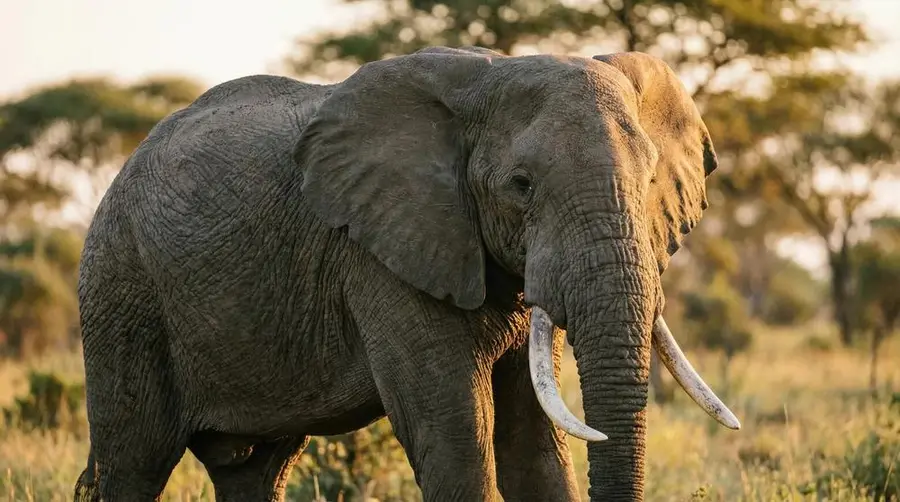
Big Five EN African Savanna Elephant
Loxodonta africana
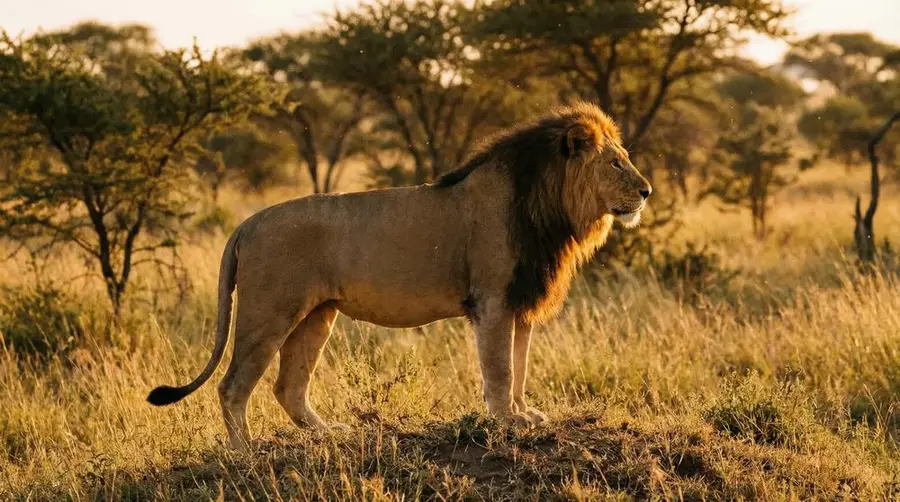 Big Five VU
 Lion
Panthera leo
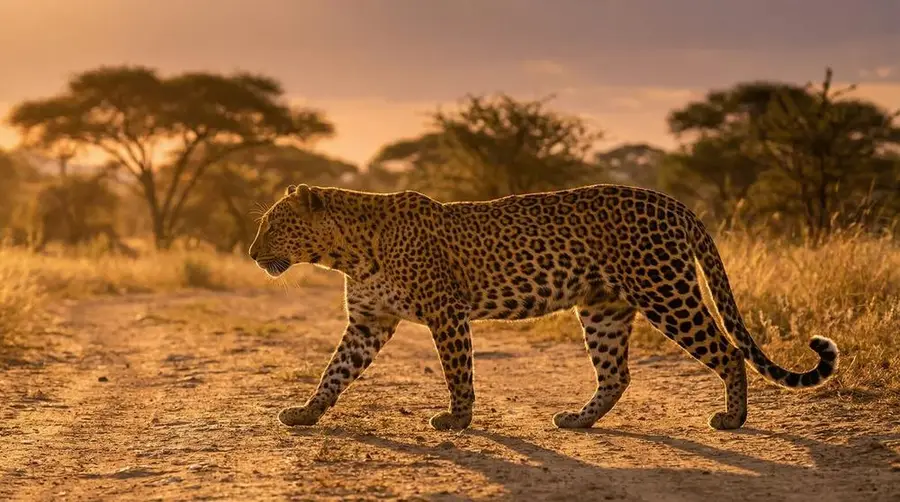 Big Five VU
 Leopard
Panthera pardus
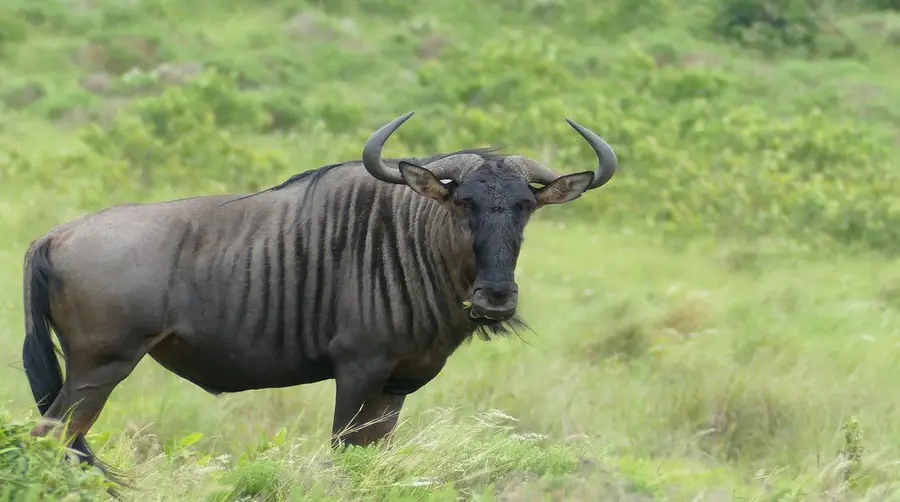 LC
LC Blue Wildebeest
Connochaetes taurinus
 NT
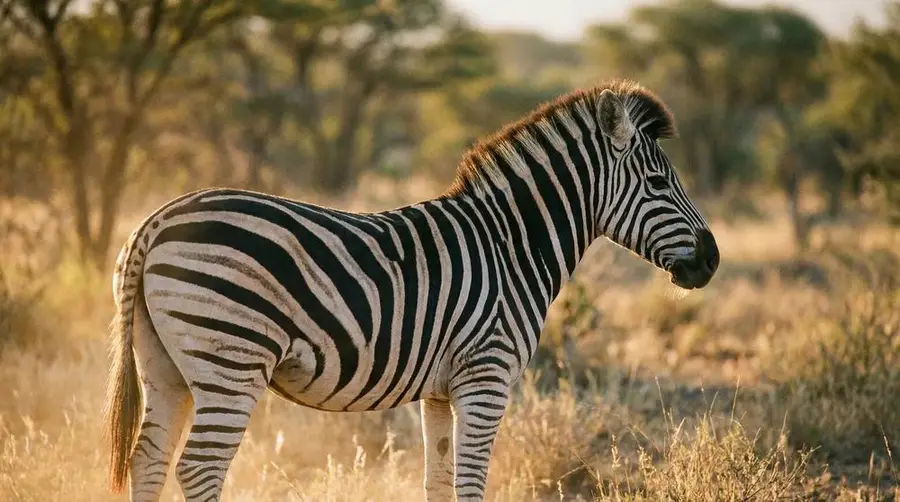
NT Burchell's Zebra
Equus quagga burchellii
 EN
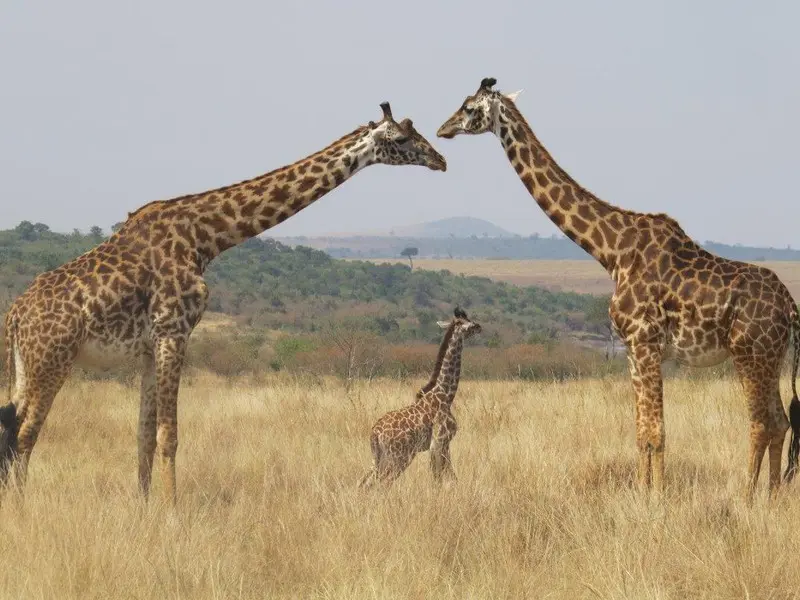
EN Masai Giraffe
Giraffa camelopardalis tippelskirchi
The mix of baobab woodland, river, and seasonal swamp is exactly what supports such varied wildlife here. Each habitat feeds and shelters a different set of species, so moving between them through the day broadens what you see. Learning to link an animal to its favoured landscape is one of the most satisfying skills on safari.
The headline species of Tarangire National Park
Tarangire National Park is best known for wildlife such as African Savanna Elephant, Lion, Leopard, Blue Wildebeest, Burchell's Zebra, and Masai Giraffe, and these are the animals most visitors arrive hoping to see. Learning a little about each before you go — how it behaves, where it rests, when it feeds — makes every sighting richer and helps you and your guide predict where to look.
Don't fixate on a checklist, though. The magic of Tarangire National Park is as much in the ordinary as the iconic: a herd on the move at dawn, the tension around a waterhole, the interplay of predator and prey. Slow down at a good sighting and watch the behaviour unfold rather than racing on to the next name on the list.
Habitats and where to look
The wildlife of Tarangire National Park is spread across its baobab woodland, river, and seasonal swamp, and each habitat holds a different cast. Grasslands and open plains favour grazers and the predators that follow them; woodland and thicket shelter browsers and shy species; water — rivers, waterholes, floodplains — draws almost everything, especially as the dry season tightens.
Ask your guide how the animals shift between these habitats through the day and the year. That understanding is what lets you position yourself in the right place at the right hour, rather than driving hopefully and relying on luck to put an animal in front of you.
- Water concentrates wildlife, especially late in the dry season
- Open country favours grazers and cursorial predators
- Woodland and thicket hide browsers and secretive species
- Sightings shift by habitat through the day — ask your guide
Beyond the famous few
It is easy to arrive at Tarangire National Park chasing only the big names, but the smaller and subtler wildlife often provides the most memorable moments. Birds in particular reward attention: Tarangire National Park's baobab woodland, river, and seasonal swamp support a rich variety, from raptors to water birds and dazzling little jewels most visitors drive straight past.
Give time to the insects, reptiles, rodents and the intricate signs of the bush — tracks, burrows, nests and feeding sign. A guide who can read these turns Tarangire National Park from a backdrop for a few star species into a living, connected ecosystem, and that shift in perspective is what many travellers remember most.
References & further reading
- UNEP-WCMC & IUCN (2024). Protected Planet: The World Database on Protected Areas (WDPA).
- Sinclair, A. R. E., Metzger, K. L., Mduma, S. A. R., & Fryxell, J. M. (Eds.) (2015). Serengeti IV. Chicago: University of Chicago Press.
- Estes, R. D. (2012). The Behavior Guide to African Mammals. Berkeley: University of California Press.
- Briggs, P. (2021). East Africa Safari Guides. Chalfont St Peter: Bradt Travel Guides.
Do it with SafariLingo
Heading to Tarangire National Park? Take SafariLingo with you to identify every species you meet, play its call, log sightings on an offline map and plan your days.
Get the appFrequently asked questions
Can you see the Big Five in Tarangire National Park?
Tarangire National Park is known for large elephant herds among ancient baobabs. Whether all of the Big Five are present depends on the park's habitats and conservation history — rhino in particular are absent from many reserves. Ask your guide about current sightings and which species are realistic during your visit.
What is the best way to see wildlife in Tarangire National Park?
Head out for the first and last light of day, when animals are most active and the light is kindest. Move slowly, stop often and use your ears for alarm calls. A skilled guide who reads tracks and knows the terrain will find far more than a rushed midday drive.
Do I need binoculars in Tarangire National Park?
Absolutely — a good pair of binoculars is the single most valuable piece of kit for any wildlife watcher. They reveal distant animals, help confirm identifications and bring out detail you would otherwise miss. Choose 8x42 or 10x42 for a bright, steady image.
Related guides
National Parks How to Get to Lake Manyara National Park
How to reach Lake Manyara National Park in Tanzania: gateway cities, flights, road transfers and practical access tips to make your safari logistics run smoothly.
National Parks How to Get to Okavango Delta
How to reach Okavango Delta in Botswana: gateway cities, flights, road transfers and practical access tips to make your safari logistics run smoothly.
National Parks Planning a Safari to Amboseli National Park
How to plan a safari to Amboseli National Park, Kenya: how many days you need, where to stay, what it costs and how to build an itinerary that plays to your priorities.