
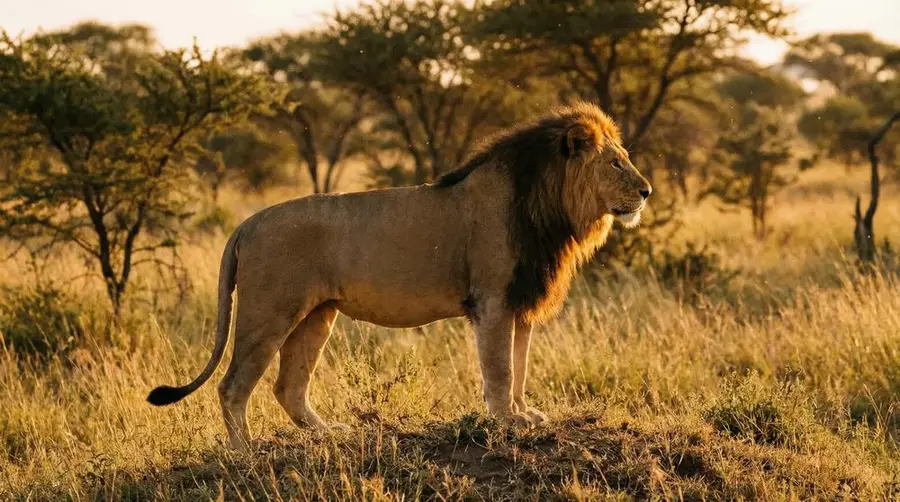
The Little Five of the Savanna
Discover the 'Little Five' — the tiny namesakes of the Big Five — and learn how to find these small, easily overlooked safari treasures.
The 'Little Five' are small creatures that share names with the celebrated Big Five: the elephant shrew, antlion, rhinoceros beetle, buffalo weaver and leopard tortoise. Spotting them is a rewarding challenge for the curious, a way to appreciate the bush beyond the headline mammals. Ask your guide to help you find them between big-game sightings — it sharpens your eye for the smaller wonders all around you.
Where to see them
Look for these species in the national parks and reserves that protect their preferred habitats across Africa, and remember that each has its own favoured landscape and rhythm. The dry season generally makes them easier to find, as wildlife concentrates around water and cover thins out. A knowledgeable local guide who knows recent movements will dramatically improve your sightings.
A guide's favourite challenge
The 'Little Five' — the elephant shrew, ant lion, leopard tortoise, buffalo weaver and rhino beetle — playfully echo the names of the Big Five in miniature. Finding them takes a sharp eye and a guide willing to slow down and look at the small stuff, which is exactly the point.
Hunting for the Little Five is a wonderful way to fill the quieter hours of a safari and to teach children (and adults) that the bush is far richer than five big mammals. Once you start noticing the small world, a game drive never looks the same again.
Small creatures, big stories
Each of the Little Five is a marvel in its own right. The ant lion builds ingenious sand traps for its prey; the leopard tortoise plods through decades of life behind its beautifully patterned shell; the rhino beetle can haul many times its own weight. The elephant shrew is a jittery bundle of energy, and the buffalo weaver builds the messy communal nests that dot the acacias.
Seeking them out sharpens your observation and rewards patience. It also underlines a lesson the best guides return to again and again: a healthy ecosystem depends on the small and unglamorous just as much as the headline predators.
References & further reading
- Sinclair, A. R. E., et al. (Eds.) (2015). Serengeti IV. Chicago: University of Chicago Press.
- Estes, R. D. (2012). The Behavior Guide to African Mammals. Berkeley: University of California Press.
- Kingdon, J. (2015). The Kingdon Field Guide to African Mammals (2nd ed.). London: Bloomsbury.
- IUCN (2024). The IUCN Red List of Threatened Species, Version 2024-1. www.iucnredlist.org.
Do it with SafariLingo
Take SafariLingo on safari: 500+ species, real animal calls, offline maps and sighting logs — all in your language, wherever you roam.
Get the appFrequently asked questions
How can I identify these animals on safari?
Use a good field guide or the SafariLingo app to compare size, markings, habitat and behaviour side by side. Note the key field marks and the company an animal keeps, as both narrow the identification quickly. Your guide can confirm tricky sightings and point out subtle differences between look-alikes.
When is the best time to see them?
For most species the dry season is easiest, when animals gather around shrinking water and the thinner vegetation improves visibility. The green season can be harder for spotting but rewards you with young animals and rich birdlife. Early mornings and late afternoons are the most productive hours whatever the season.
Do I need a guide to find them?
You can spot many of these species on your own, but an experienced guide transforms the experience. Guides read tracks and alarm calls, know where animals have been seen recently and understand their daily rhythms. Their local knowledge turns hopeful searching into reliable sightings.
Related guides
 Wildlife
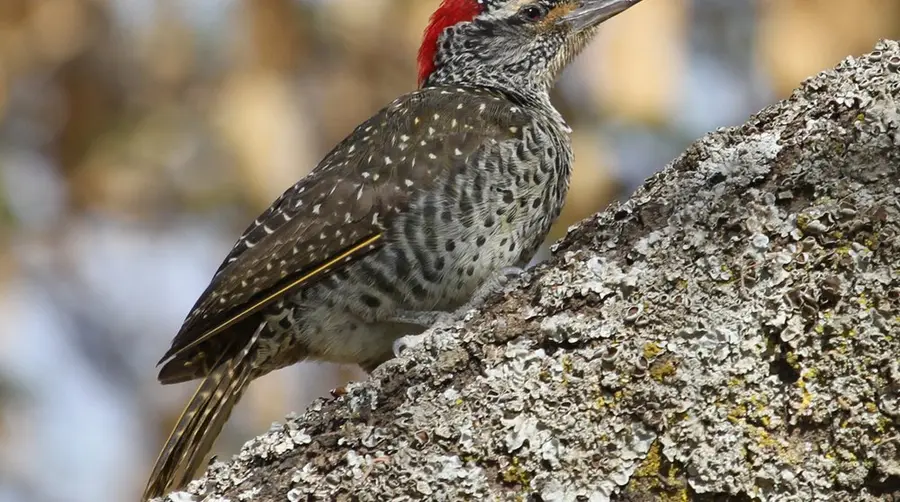
 How to Spot the Nubian Woodpecker on an African Safari
A field guide to finding the Nubian Woodpecker (Campethera nubica) on safari: the habitats it favours, the hours it is most active, the field marks that give it away, and the tracking craft experienced guides use to locate it.
 Wildlife
 How to Spot the Pied Avocet on an African Safari
A field guide to finding the Pied Avocet (Recurvirostra avosetta) on safari: the habitats it favours, the hours it is most active, the field marks that give it away, and the tracking craft experienced guides use to locate it.
 Wildlife
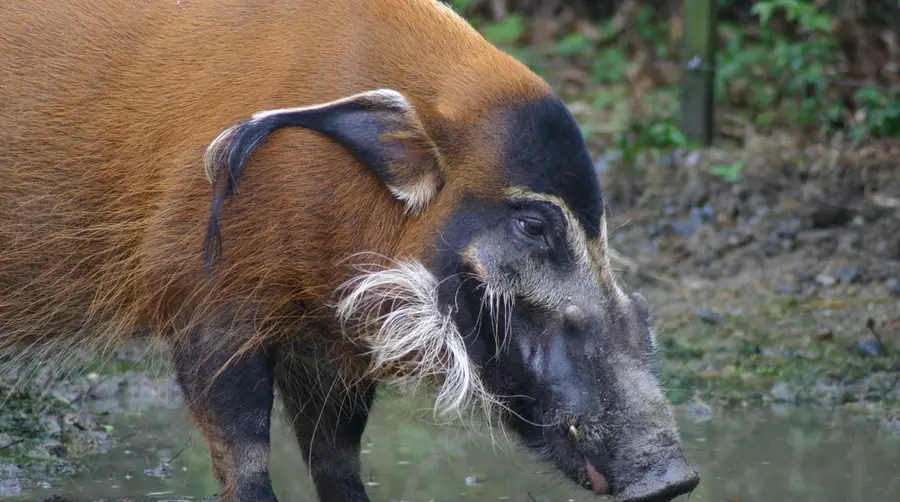
 How to Spot the Red River Hog on an African Safari
A field guide to finding the Red River Hog (Potamochoerus porcus) on safari: the habitats it favours, the hours it is most active, the field marks that give it away, and the tracking craft experienced guides use to locate it.