
The Big Five: A Complete Safari Guide
Meet the Big Five — lion, leopard, elephant, rhino and buffalo — with expert facts, where to see them and why these five earned their legendary name.
The 'Big Five' — lion, leopard, African elephant, rhinoceros and Cape buffalo — were originally named by hunters as the five most dangerous animals to pursue on foot, not for their size. Today the term has been reclaimed by the safari world, and these five remain the icons every traveller hopes to tick off. Each is compelling in its own right, from the leopard's stealth to the buffalo's formidable reputation, and together they anchor the classic African safari.
The species
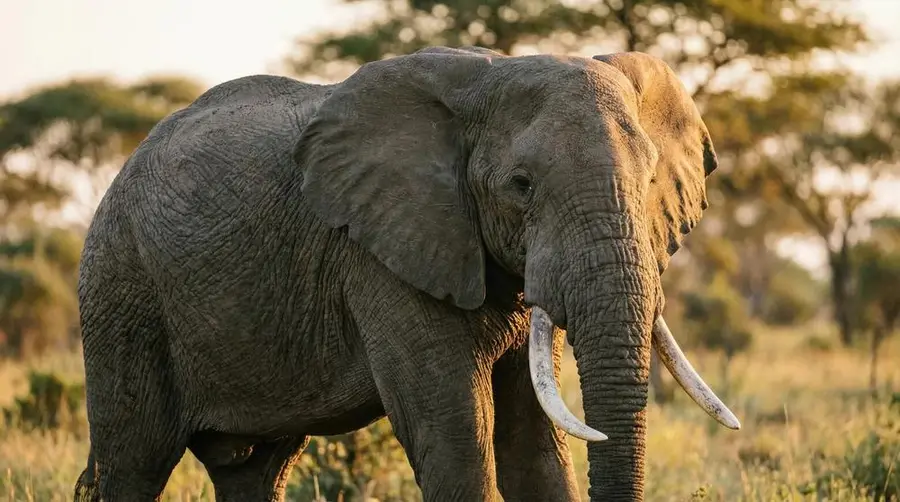 Big Five EN
 African Savanna Elephant
Loxodonta africana
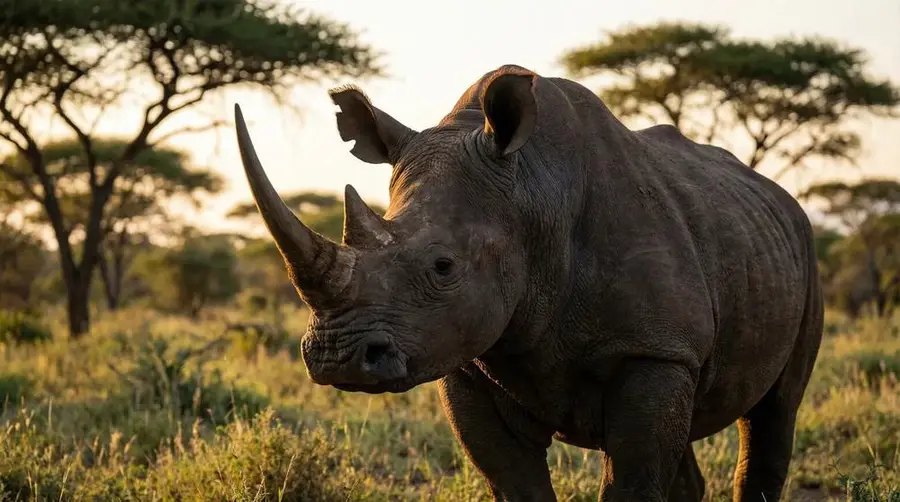 Big Five CR
 Black Rhinoceros
Diceros bicornis
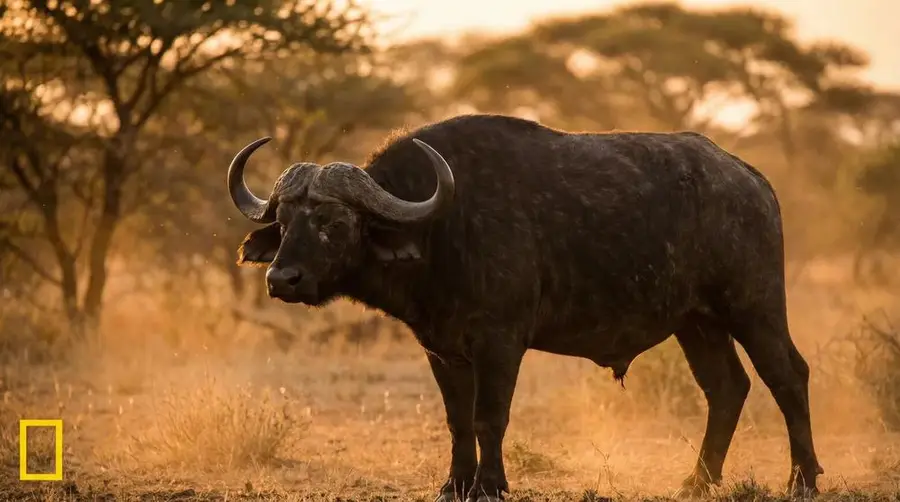 Big Five NT
 Cape Buffalo
Syncerus caffer
 Big Five VU
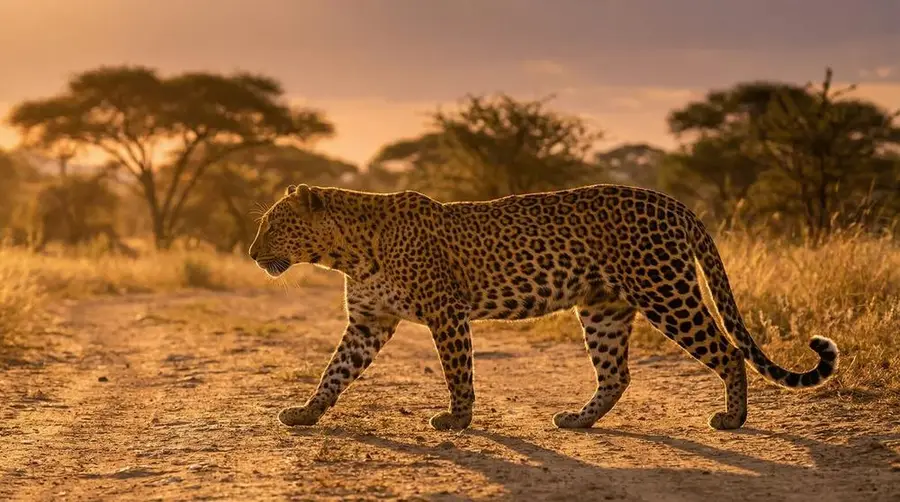
 Leopard
Panthera pardus
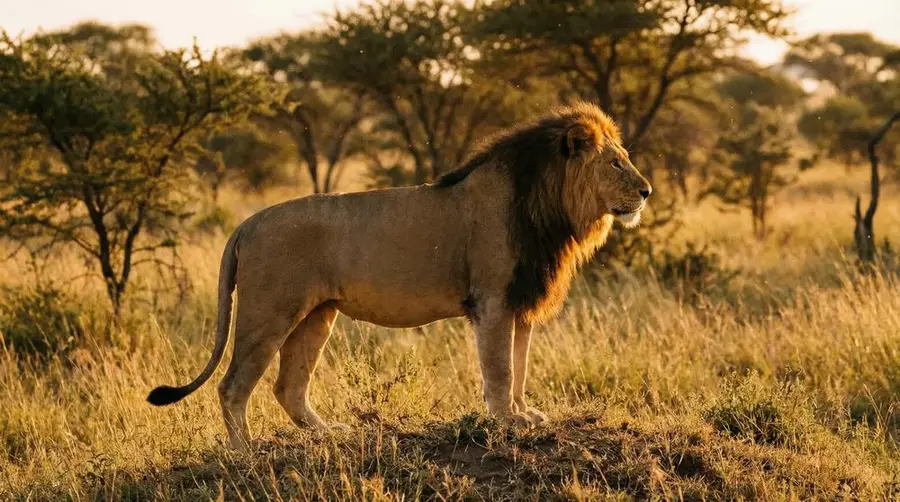
Big Five VU Lion
Panthera leo
Where to see them
Look for these species in the national parks and reserves that protect their preferred habitats across Africa, and remember that each has its own favoured landscape and rhythm. The dry season generally makes them easier to find, as wildlife concentrates around water and cover thins out. A knowledgeable local guide who knows recent movements will dramatically improve your sightings.
Where the name comes from
The 'Big Five' were not chosen for their size. The term was coined by big-game hunters for the five animals considered most dangerous to pursue on foot — lion, leopard, elephant, rhinoceros and Cape buffalo. Each could turn the tables on a hunter, and that reputation, not their bulk, earned them the label.
The safari world has since reclaimed the phrase, and today the Big Five are the icons most first-time visitors hope to tick off. It is a useful shorthand and a fun goal, but the best guides gently steer travellers beyond it — some of the most gripping wildlife moments involve animals that never made the list.
How hard each is to find
The five are far from equally easy to see. Elephant and buffalo are large, gregarious and common in many parks, so sightings are almost guaranteed where they occur. Lion are widespread but spend much of the day asleep, rewarding an early start. Leopard are the classic challenge — solitary, nocturnal and superbly camouflaged — while rhino are the rarest of all, poached to scarcity across much of their former range.
Seeing all five in a single trip is a realistic goal in the right destinations, but it takes time, good guiding and a little luck with the leopard and rhino. Treat it as a happy bonus rather than a checklist to race through.
- Elephant and buffalo: common and easily seen where present
- Lion: widespread but often resting — dawn and dusk are best
- Leopard: solitary and elusive; patience and good guiding pay off
- Rhino: rarest of the five, restricted to well-protected areas
References & further reading
- Sinclair, A. R. E., et al. (Eds.) (2015). Serengeti IV. Chicago: University of Chicago Press.
- Estes, R. D. (2012). The Behavior Guide to African Mammals. Berkeley: University of California Press.
- Kingdon, J. (2015). The Kingdon Field Guide to African Mammals (2nd ed.). London: Bloomsbury.
- IUCN (2024). The IUCN Red List of Threatened Species, Version 2024-1. www.iucnredlist.org.
Do it with SafariLingo
Take SafariLingo on safari: 500+ species, real animal calls, offline maps and sighting logs — all in your language, wherever you roam.
Get the appFrequently asked questions
How can I identify these animals on safari?
Use a good field guide or the SafariLingo app to compare size, markings, habitat and behaviour side by side. Note the key field marks and the company an animal keeps, as both narrow the identification quickly. Your guide can confirm tricky sightings and point out subtle differences between look-alikes.
When is the best time to see them?
For most species the dry season is easiest, when animals gather around shrinking water and the thinner vegetation improves visibility. The green season can be harder for spotting but rewards you with young animals and rich birdlife. Early mornings and late afternoons are the most productive hours whatever the season.
Do I need a guide to find them?
You can spot many of these species on your own, but an experienced guide transforms the experience. Guides read tracks and alarm calls, know where animals have been seen recently and understand their daily rhythms. Their local knowledge turns hopeful searching into reliable sightings.
Related guides
 Wildlife
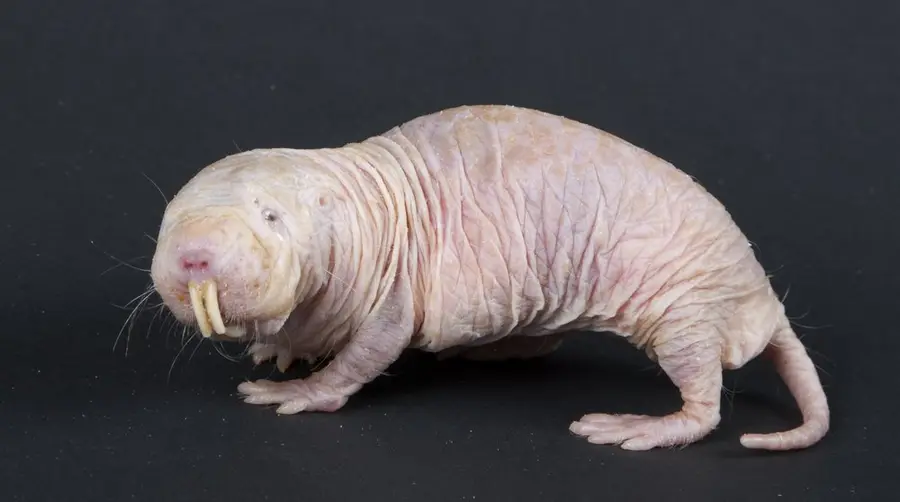
 How to Spot the Naked Mole-rat on an African Safari
A field guide to finding the Naked Mole-rat (Heterocephalus glaber) on safari: the habitats it favours, the hours it is most active, the field marks that give it away, and the tracking craft experienced guides use to locate it.
 Wildlife
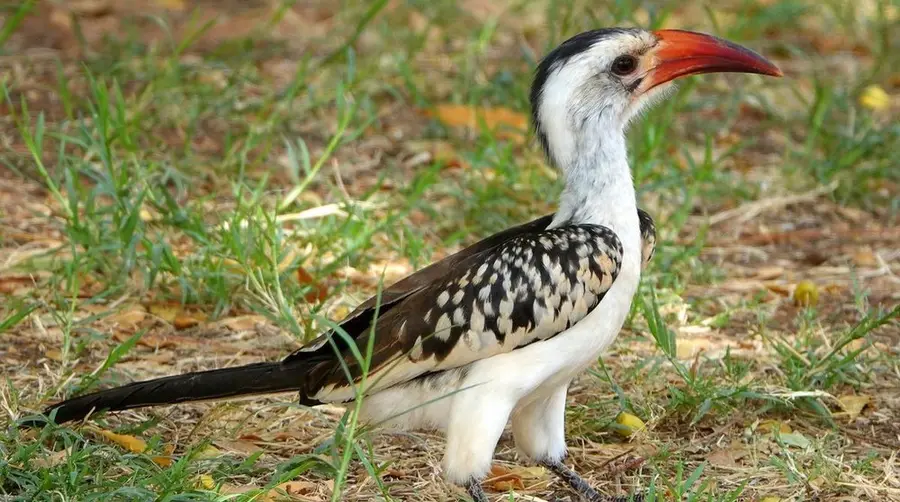
 How to Spot the Northern Red-billed Hornbill on an African Safari
A field guide to finding the Northern Red-billed Hornbill (Tockus erythrorhynchus) on safari: the habitats it favours, the hours it is most active, the field marks that give it away, and the tracking craft experienced guides use to locate it.
 Wildlife
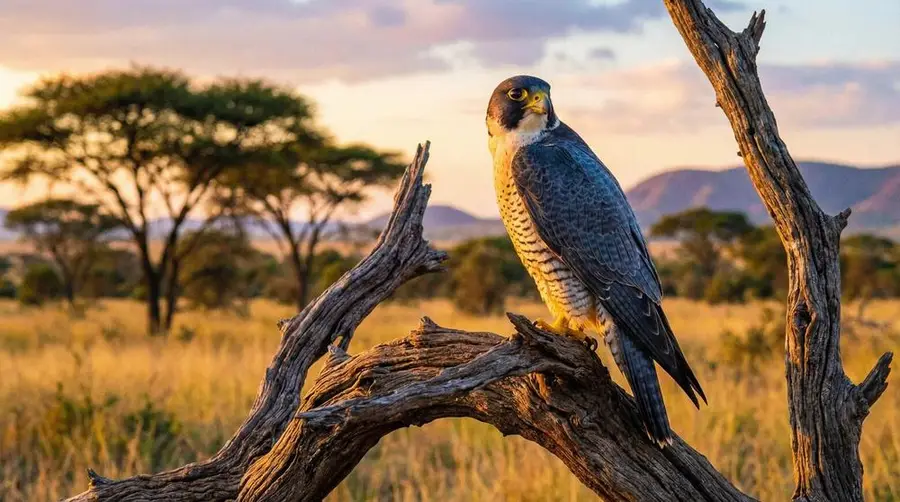
 How to Spot the Peregrine Falcon on an African Safari
A field guide to finding the Peregrine Falcon (Falco peregrinus) on safari: the habitats it favours, the hours it is most active, the field marks that give it away, and the tracking craft experienced guides use to locate it.