
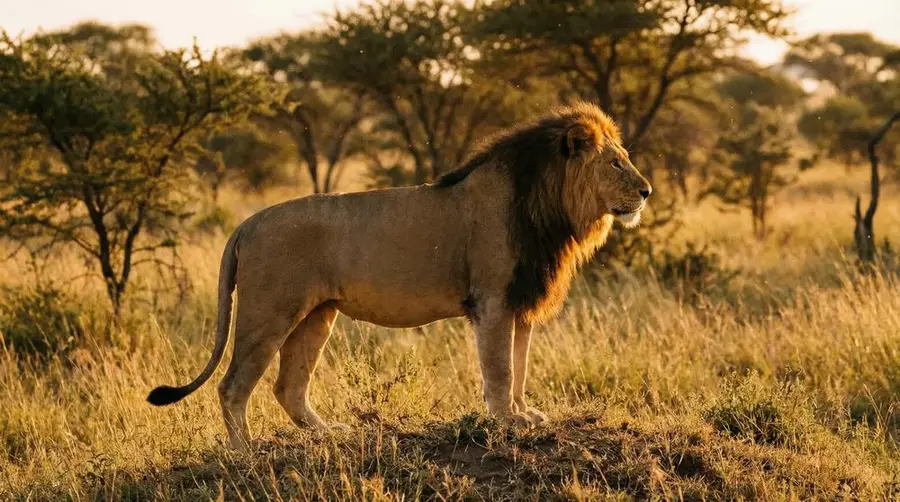
Planning a Safari to Masai Mara National Reserve
How to plan a safari to Masai Mara National Reserve, Kenya: how many days you need, where to stay, what it costs and how to build an itinerary that plays to your priorities.
Here is how to plan a rewarding safari to Masai Mara National Reserve in Kenya, from how long to stay to where to sleep and what to budget. Good planning is about matching the trip to your priorities — wildlife, comfort, cost and pace — rather than simply booking the first option. Get these decisions right and the days in the bush look after themselves.
| Country | Kenya |
|---|---|
| Type | National Reserve |
| Area | 1,510 km² |
| Established | 1961 |
| Main gateway | Nairobi |
| Best months | July, August, September, and October |
How many days do you need?
Two to three nights in Masai Mara National Reserve lets you settle into the rhythm of the bush and gives wildlife the time it needs to appear on its own terms. A single night almost always feels rushed, with too much spent arriving and leaving. Combine the park with nearby reserves for a fuller, more varied itinerary that justifies the travel.
Where to stay
Accommodation ranges from value-focused campsites and rest camps to comfortable tented camps and full-service luxury lodges. Staying inside the park or right on its boundary maximises your time with wildlife and puts you in position for the golden hours. Match the style, location and budget of your camp to the experience you want, not just the nightly rate.
- Match your camp's location to the wildlife and habitats you most want to see.
- Book well ahead for the peak months of July, August, September, and October, when the best camps sell out first.
- Balance travel time against cost when choosing between fly-in and road options.
- Read the fine print on what game drives, park fees, drinks and transfers are included.
- Plan at least two full days of activities per park to avoid an arrival-and-departure feel.
- Leave a buffer night near your international departure point in case of transfer delays.
How long to spend at Masai Mara National Reserve
It is tempting to squeeze Masai Mara National Reserve into a single night, but that usually means arriving tired, snatching one drive and leaving before you have found your feet. Two or three nights is the sweet spot: enough to learn the productive areas, return to promising sightings and settle into the rhythm of the bush.
If Masai Mara National Reserve is the centrepiece of your trip, or if it is large and varied, consider longer still. Fewer parks visited properly almost always beats a frantic dash between many. Quality of time in one place trumps the number of pins on the map.
- One night rarely does Masai Mara National Reserve justice; aim for two or three
- Longer stays let you revisit sightings and read the landscape
- Fewer parks, seen well, beat a rushed multi-park dash
- Match the length of stay to how large and varied Masai Mara National Reserve is
Where to base yourself
Accommodation around Masai Mara National Reserve ranges from classic lodges to tented camps and simpler options, and each shapes the experience differently. Staying inside or right on the boundary maximises time with the wildlife and lets you be out at first light; staying farther afield can save money but eats into prime hours with a longer daily commute.
Think about location relative to the areas you most want to explore, not just the nightly rate. A camp well placed for Masai Mara National Reserve's key habitats and its highlight — great-migration river crossings — can be worth more than a cheaper one poorly sited, because on safari the currency that matters most is time in the right place at the right hour.
Building the trip around Masai Mara National Reserve
Masai Mara National Reserve rarely stands alone. Sitting in Kenya and reached via Nairobi, it usually forms one link in a chain of contrasting parks and landscapes. When you plan, think about how it connects to its neighbours — by road or air — and try to sequence stops so you are not doubling back or wasting days in transit.
A good itinerary pairs Masai Mara National Reserve with places that offer something different, so each stop adds variety rather than repetition. Plan the demanding logistics and any permits early, keep some slack in the schedule for the days when the bush gives you more than you planned, and let Masai Mara National Reserve's highlight anchor the whole route.
References & further reading
- UNEP-WCMC & IUCN (2024). Protected Planet: The World Database on Protected Areas (WDPA).
- Sinclair, A. R. E., Metzger, K. L., Mduma, S. A. R., & Fryxell, J. M. (Eds.) (2015). Serengeti IV. Chicago: University of Chicago Press.
- Estes, R. D. (2012). The Behavior Guide to African Mammals. Berkeley: University of California Press.
- Briggs, P. (2021). East Africa Safari Guides. Chalfont St Peter: Bradt Travel Guides.
Do it with SafariLingo
Heading to Masai Mara National Reserve? Take SafariLingo with you to identify every species you meet, play its call, log sightings on an offline map and plan your days.
Get the appFrequently asked questions
How many days should I spend in Masai Mara National Reserve?
Two to three nights is a good baseline for Masai Mara National Reserve, giving wildlife time to appear and you time to relax into the experience. Keen wildlife watchers and photographers often stay longer. Pairing it with a neighbouring reserve makes the long journey more worthwhile.
Where should I stay in Masai Mara National Reserve?
Choose between value camps, mid-range tented camps and luxury lodges according to your budget and the style you want. Location matters as much as comfort: staying inside or on the edge of the park saves travel time and maximises game-viewing hours. Book early for the best sites in peak season.
How much does a safari to Masai Mara National Reserve cost?
Costs vary widely with season, accommodation class and whether you fly or drive. Camping and group tours sit at the affordable end, while fly-in luxury camps command premium rates, especially in the peak months of July, August, September, and October. Decide your priorities first, then build the trip to fit.
Related guides
National Parks Planning a Safari to Nyerere National Park (Selous)
How to plan a safari to Nyerere National Park (Selous), Tanzania: how many days you need, where to stay, what it costs and how to build an itinerary that plays to your priorities.
 National Parks
 Planning a Safari to Chobe National Park
How to plan a safari to Chobe National Park, Botswana: how many days you need, where to stay, what it costs and how to build an itinerary that plays to your priorities.
National Parks Tsavo East National Park Safari Guide
A complete safari guide to Tsavo East National Park in Kenya: its wildlife, the best time to visit, activities, habitats and the practical details you need to plan a rewarding trip.